The global demand for reliable water access is consistently increasing, driven by population growth, agricultural needs, and industrial expansion. A crucial component in meeting this demand is the efficient and durable extraction of groundwater, where the 4 inch submersible well pump plays a vital role. These pumps offer a practical and cost-effective solution for a wide range of applications, from individual residential wells to large-scale agricultural irrigation systems and even emergency water supply during disasters. Understanding the nuances of these pumps is paramount for ensuring sustainable water management practices worldwide.
The prevalence of challenging well conditions—such as deep water levels, narrow borehole diameters, and corrosive groundwater—necessitates specialized pumping technology. The 4 inch submersible well pump is particularly well-suited for these environments due to its compact size, robust construction, and ability to operate efficiently when fully submerged. Their affordability and ease of installation further contribute to their widespread adoption across diverse geographical locations and economic contexts.
Properly specified and maintained 4-inch submersible well pumps not only provide a dependable water source but also contribute to long-term operational cost savings through reduced energy consumption and minimized downtime. Investing in quality pumps and establishing regular maintenance schedules are critical for maximizing their lifespan and ensuring a continuous, reliable supply of water.

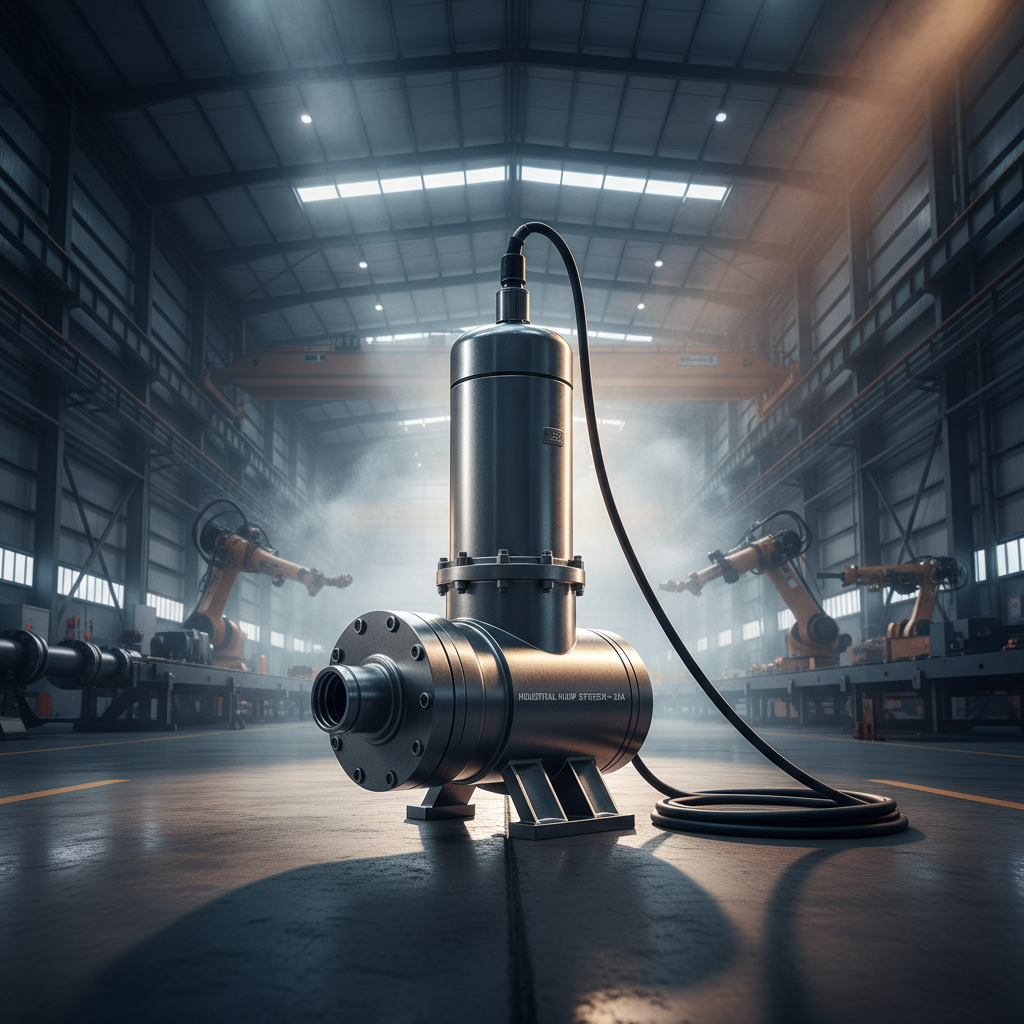
Access to clean and reliable water sources is a fundamental human right and a cornerstone of sustainable development. In many regions around the world, groundwater represents the most accessible and dependable source of freshwater. The 4 inch submersible well pump plays a critical role in harnessing this resource, offering a relatively simple and cost-effective solution for extracting water from both shallow and deep wells.
The importance of these pumps extends beyond basic water supply. They are essential for supporting agricultural irrigation, providing water for livestock, and enabling industrial processes. Their versatility and adaptability make them a valuable asset in a wide range of settings, from rural communities to urban centers.
The lifespan of a 4 inch submersible well pump can vary greatly depending on usage, water quality, and maintenance. However, with proper care and regular maintenance, a well-constructed pump can realistically last between 10 and 20 years. Factors such as sediment levels, corrosiveness of the water, and the frequency of pump cycling all impact longevity. Regular inspections and preventative maintenance are key to maximizing lifespan.
Determining the correct horsepower involves several factors, including the well depth, water level, required flow rate, and the total dynamic head (TDH). TDH is the total resistance the pump must overcome, including friction loss in the piping and elevation gain. A professional well contractor can accurately assess these factors and recommend the appropriate horsepower to ensure optimal performance without overworking the pump.
Regular maintenance includes inspecting the power cable and water pipe for damage, checking the pump’s performance for any decline in flow rate or pressure, and cleaning or replacing the check valve. Periodically testing the water quality is also recommended to identify any potential corrosion issues. Professional inspections and cleaning of the well itself should be conducted every few years to remove sediment and maintain optimal well yield.
Standard 4 inch submersible well pumps are not typically designed for continuous use in saltwater environments due to the corrosive nature of salt. However, specialized pumps constructed from corrosion-resistant materials like stainless steel and engineered polymers are available for saltwater applications. These pumps are specifically designed to withstand the harsh conditions and prevent premature failure.
Working with electrical equipment and potentially contaminated water requires strict adherence to safety precautions. Always disconnect the power supply before working on the pump. Wear appropriate personal protective equipment (PPE), including gloves and eye protection. If you are not qualified to perform electrical work, it is best to hire a licensed electrician. Be aware of potential hazards such as confined spaces and hazardous materials in the well.
The depth of the well directly impacts the required horsepower and head of the pump. Deeper wells require more powerful pumps to overcome the increased static head and friction loss in the piping. It's crucial to accurately measure the total well depth and the water level to calculate the total dynamic head (TDH). Selecting a pump with insufficient head will result in reduced flow rate or complete pump failure. A well contractor can provide expert advice on pump selection based on well depth.
In conclusion, the 4 inch submersible well pump represents a vital technology for accessing and utilizing groundwater resources globally. Its affordability, efficiency, and adaptability make it an invaluable asset across a wide range of applications, from rural domestic water supply to large-scale agricultural irrigation and industrial processes. Understanding its core components, performance characteristics, and future trends is crucial for ensuring sustainable water management practices.
As demand for clean water continues to increase, ongoing innovation in pump technology will be essential for optimizing performance, reducing energy consumption, and extending lifespan. Investing in quality pumps, implementing regular maintenance programs, and embracing smart monitoring systems will be key to maximizing the long-term value of these critical water infrastructure components. Visit our website today at www.wellpumpact.com to explore our range of 4 inch submersible well pumps and find the perfect solution for your needs.


 Afrikaans
 Albanian
 Amharic
 Arabic
 Armenian
 Azerbaijani
 Basque
 Belarusian
 Bengali
 Bosnian
 Bulgarian
 Catalan
 Cebuano
 Corsican
 Croatian
 Czech
Czech
 Danish
 Dutch
Dutch
 Esperanto
 Estonian
 Finnish
 French
 Frisian
 Galician
 Georgian
 German
 Greek
Greek
 Gujarati
 Haitian Creole
 Hausa
Hausa
 Hawaiian
 Hebrew
 Hindi
Hindi
 Miao
Miao
 Hungarian
 Icelandic
 Igbo
Igbo
 Indonesian
 Irish
Irish
 Italian
 Japanese
 Javanese
 Kannada
 Kazakh
 Khmer
Khmer
 Rwandese
 Korean
 Kurdish
 Kyrgyz
 Lao
Lao
 Latin
Latin
 Latvian
 Lithuanian
 Luxembourgish
 Macedonian
 Malgashi
 Malay
Malay
 Malayalam
 Maltese
 Maori
Maori
 Marathi
 Mongolian
 Myanmar
 Nepali
 Norwegian
 Norwegian
 Occitan
 Pashto
 Persian
 Polish
 Portuguese
 Punjabi
 Romanian
 Russian
 Samoan
 Scottish Gaelic
 Serbian
 Sesotho
 Shona
Shona
 Sindhi
 Sinhala
 Slovak
 Slovenian
 Somali
 Spanish
 Sundanese
 Swahili
 Swedish
 Tagalog
 Tajik
Tajik
 Tamil
Tamil
 Tatar
Tatar
 Telugu
 Thai
Thai
 Turkish
 Turkmen
 Ukrainian
 Urdu
Urdu
 Uighur
 Uzbek
Uzbek
 Vietnamese
 Welsh
Welsh
 Bantu
Bantu
 Yiddish
 Yoruba
 Zulu
Zulu
 English