Look, the 1hp submersible well pump world… it's been moving towards smaller, more efficient units, that's for sure. Everyone's chasing those energy savings. I’ve been seeing a lot more demand for pumps that can handle fluctuating water levels – we're talking about wells drying up faster in some areas due to climate change, so the pump needs to be reliable even when it's sucking air more often. It sounds simple, right? But getting that right… that’s where things get tricky.
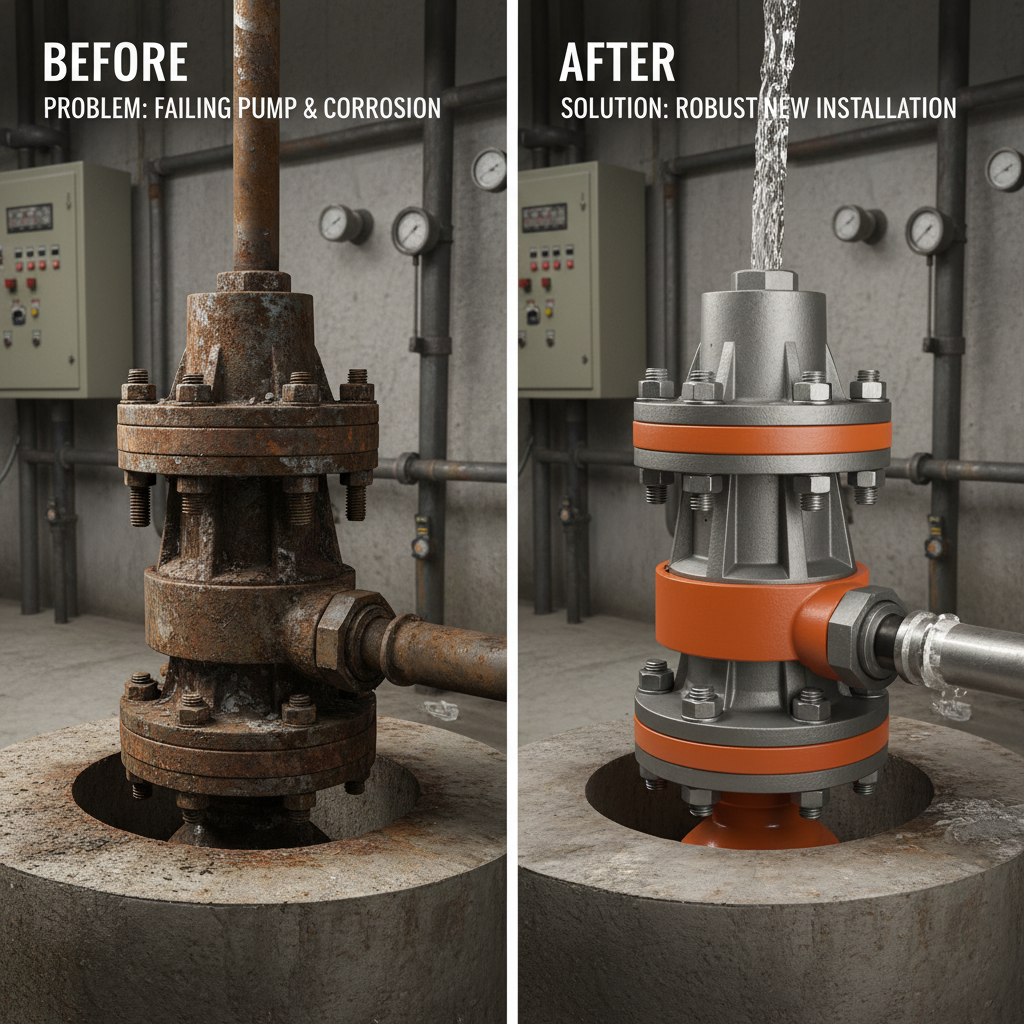
You know, I've been on sites where people think they can just slap any old motor into a waterproof housing and call it a 1hp submersible well pump. That’s a recipe for disaster. It’s not just about waterproofing, it's about heat dissipation. These things generate heat, especially when they’re working hard. And if the heat can’t escape… well, you’re looking at a very expensive paperweight. To be honest, I’ve seen more failures from overheating than from actual water leaks.
The real challenge now isn’t the pump itself, it’s integrating smart controls. Everyone wants data – water levels, pump runtime, potential failures… But getting that data reliably out of a well, underwater, without corrosion… That’s a headache. Anyway, I think, we’re getting there.
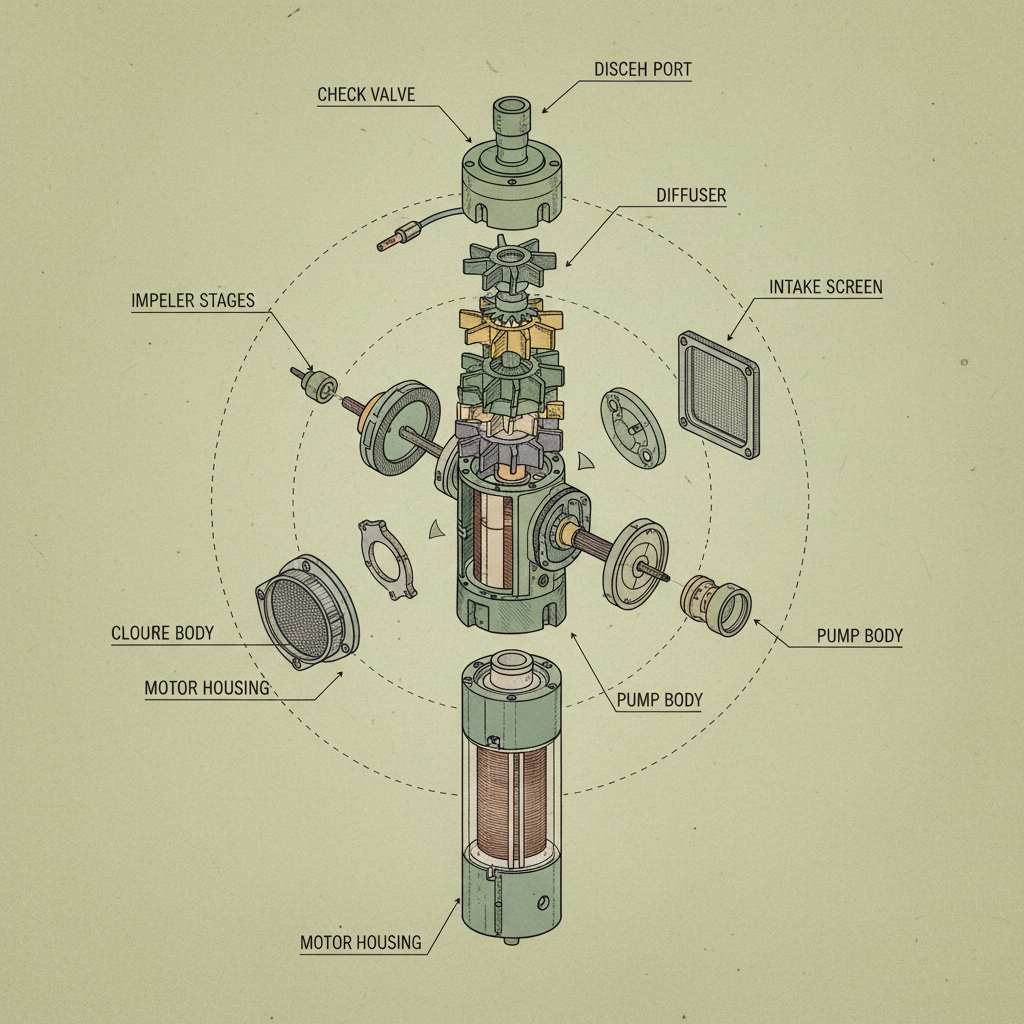
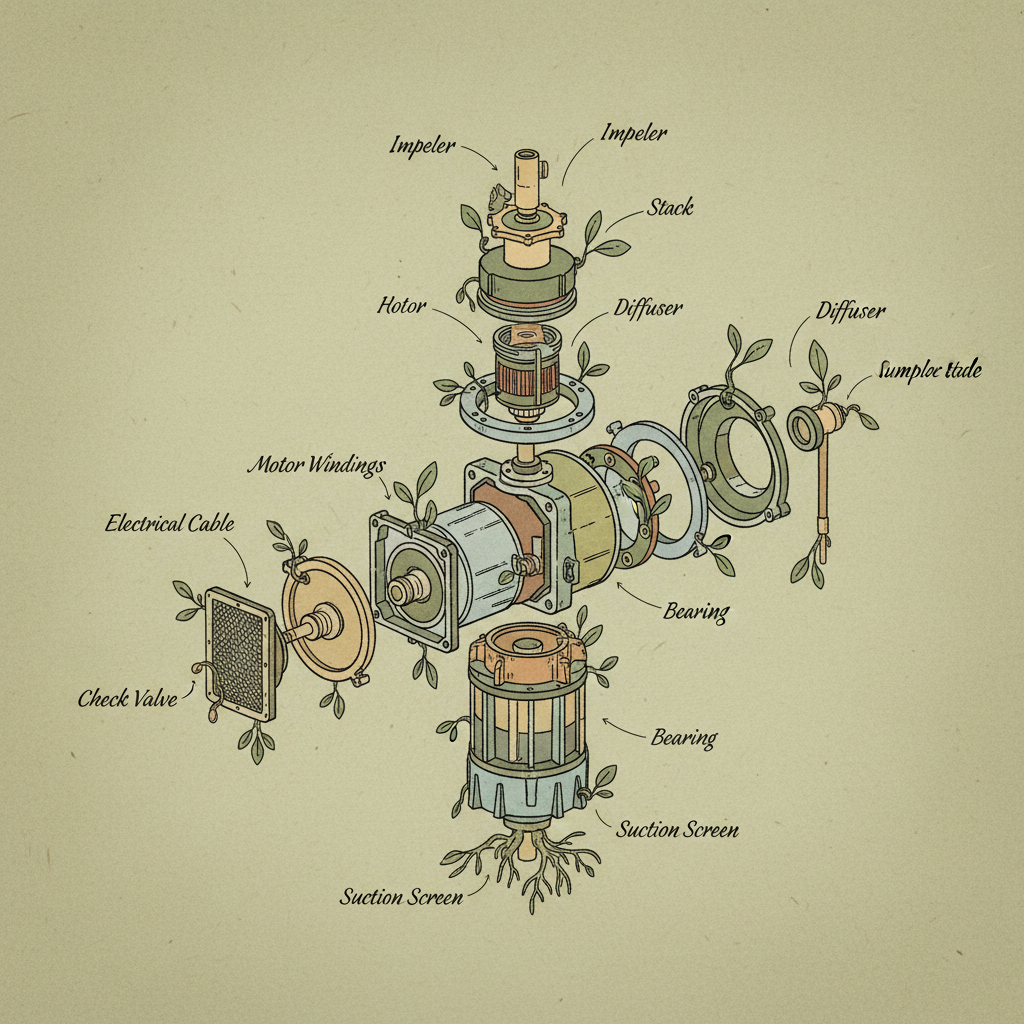
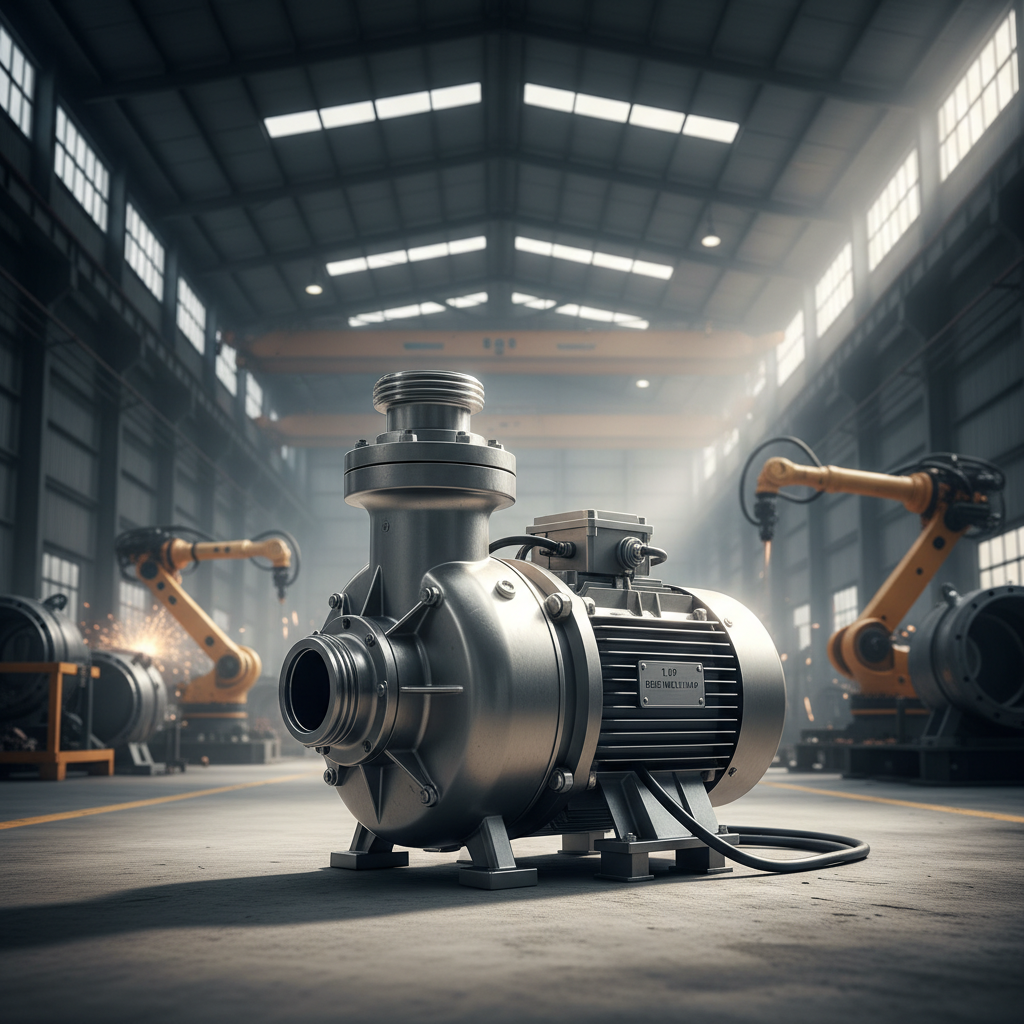
So, what is a 1hp submersible well pump these days? It’s not just a motor in a can anymore. We're talking about a pretty sophisticated piece of kit, designed to be completely submerged in water, typically in a borehole or well, to lift water to the surface. They’re rated at one horsepower – roughly 746 watts – which is a good sweet spot for many residential and small agricultural applications.
Have you noticed the demand’s gone up in these off-grid communities? They’re ditching the hand pumps and going electric. It’s a game-changer for folks, honestly. But it also means the pumps need to be tougher, more reliable, and easier to maintain because nobody's sending a technician out there every week.
Generally, you can expect a well-maintained 1hp submersible well pump to last anywhere from 10 to 15 years, sometimes even longer. Factors like water quality, well depth, and pump usage significantly influence longevity. Regular inspections and preventative maintenance, such as cable checks and well flushing, can extend the pump's lifespan considerably. Ignoring these tasks can lead to premature failure and costly repairs.
Choosing the right pump size involves considering both the well’s depth (total dynamic head) and the required flow rate. Measure the vertical distance from the water level to where you need the water delivered – that's your head. Then, estimate your daily water usage. A pump rated at 1hp is often sufficient for shallow to medium-depth wells and moderate water demands. Consulting a well drilling professional or pump specialist is recommended to ensure proper sizing.
Common failure points include motor burnout (often due to overheating or electrical issues), impeller damage (caused by sand or debris), seal failures (leading to water leaks), and cable damage. Overdrawing the well, causing the pump to run dry, is also a frequent culprit. Regular maintenance and addressing any unusual noises or performance drops promptly can help prevent these failures.
While some minor maintenance tasks, like cable inspections, can be done by homeowners, significant repairs generally require a qualified well pump technician. Disassembling a submersible pump can be complex and dangerous due to electrical components and potential water contamination. Improper repairs can void warranties and lead to further damage or safety hazards. It’s best to leave it to the pros.
Protecting your pump from freezing is crucial. Ensure the well casing is properly sealed to prevent cold air from reaching the pump. If you live in an area with extremely cold winters, consider installing a well house or insulating the wellhead. Also, never shut off the pump completely during freezing temperatures; allow it to run intermittently to keep the water moving and prevent ice formation.
Yes, it’s often beneficial! A VFD allows you to control the pump’s speed, adjusting the water flow to match your needs. This can save energy, reduce wear and tear on the pump, and provide more consistent water pressure. However, you need a VFD specifically designed for submersible well pumps, and proper installation is essential to avoid damaging the motor. Consulting a qualified electrician is highly recommended.
So, there you have it. The 1hp submersible well pump world isn't about fancy gadgets or cutting-edge technology. It's about reliability, durability, and a good understanding of the basics. Choosing the right materials, performing regular maintenance, and being mindful of how these pumps are actually used in the real world – that’s what matters. It's a workhorse, a quiet hero in many ways.
Looking ahead, I think we’ll see even more integration of smart technology, allowing for remote monitoring and predictive maintenance. But at the end of the day, it all comes down to a simple principle: a well-built pump, properly installed and maintained, will provide years of reliable service. Ultimately, whether this thing works or not, the worker will know the moment he tightens the screw.
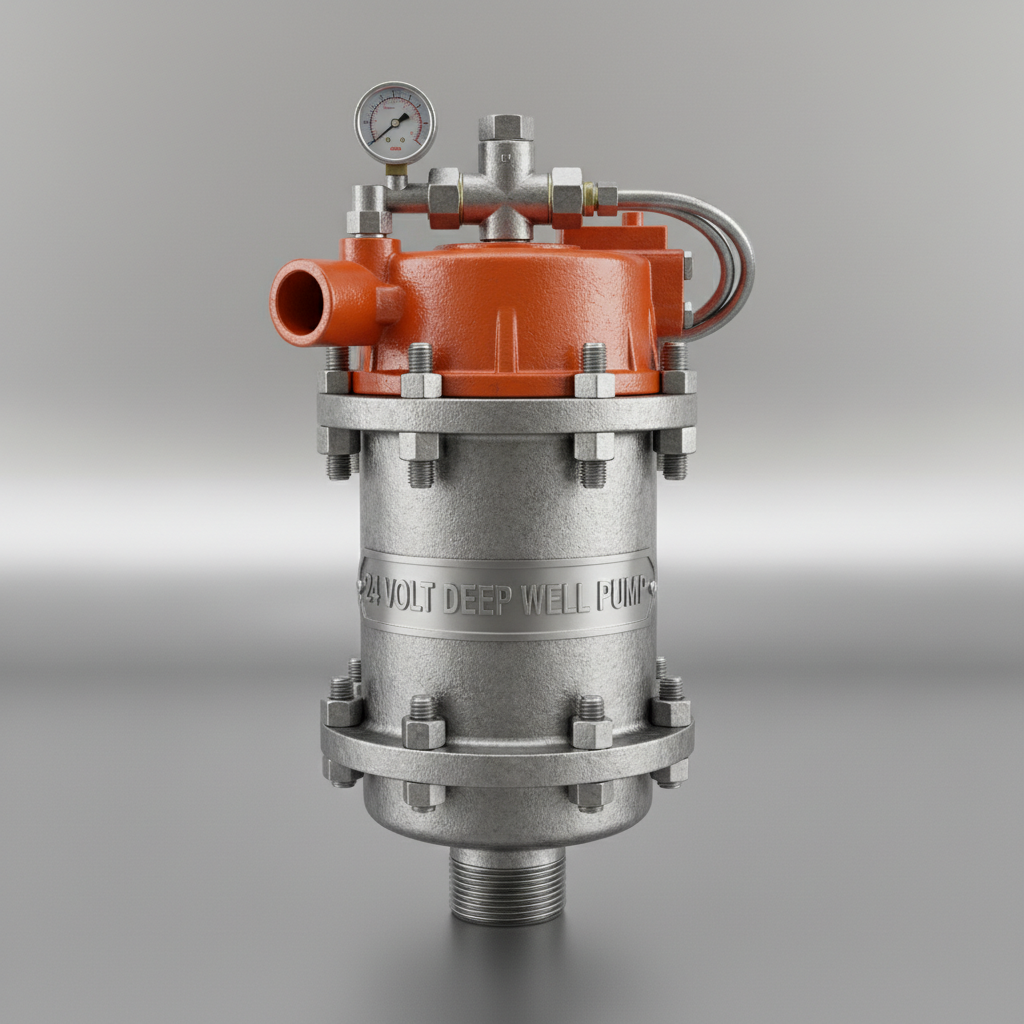
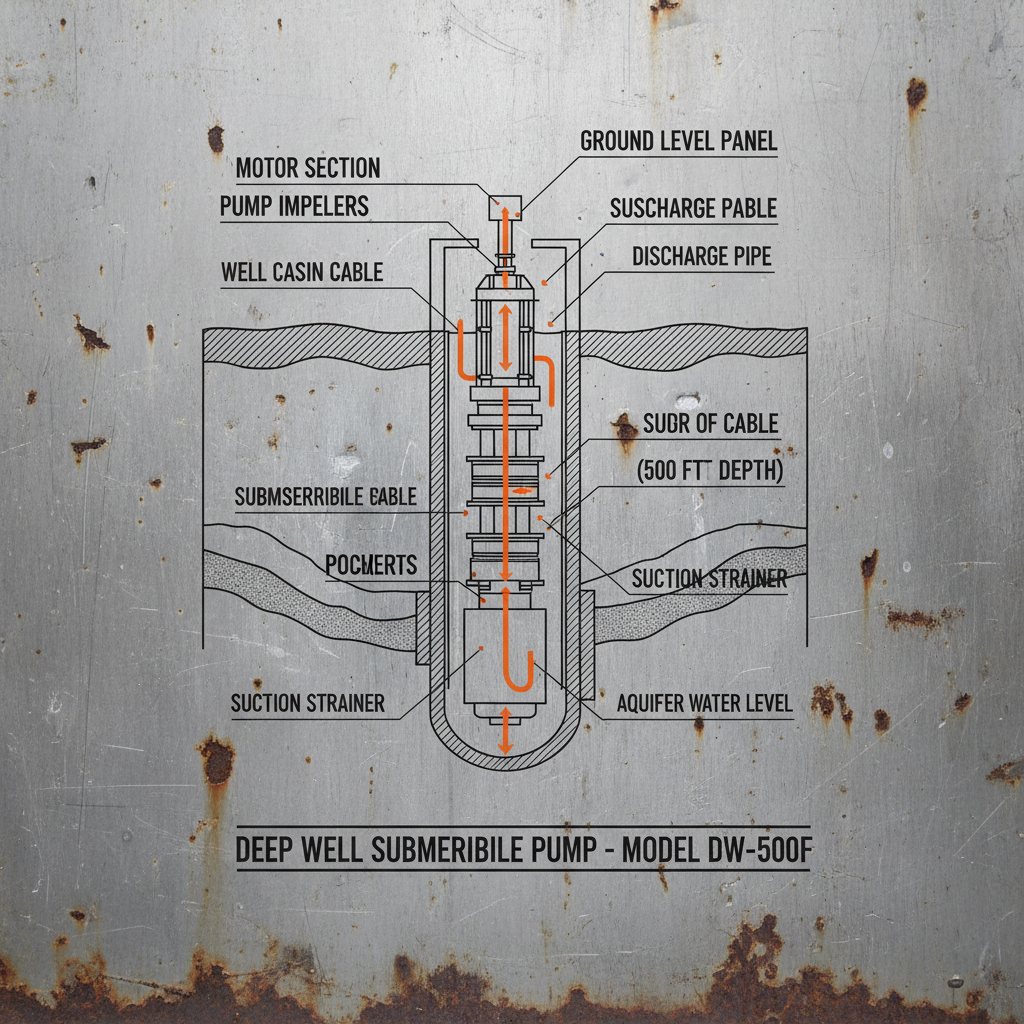

 Afrikaans
 Albanian
 Amharic
 Arabic
 Armenian
 Azerbaijani
 Basque
 Belarusian
 Bengali
 Bosnian
 Bulgarian
 Catalan
 Cebuano
 Corsican
 Croatian
 Czech
Czech
 Danish
 Dutch
Dutch
 Esperanto
 Estonian
 Finnish
 French
 Frisian
 Galician
 Georgian
 German
 Greek
Greek
 Gujarati
 Haitian Creole
 Hausa
Hausa
 Hawaiian
 Hebrew
 Hindi
Hindi
 Miao
Miao
 Hungarian
 Icelandic
 Igbo
Igbo
 Indonesian
 Irish
Irish
 Italian
 Japanese
 Javanese
 Kannada
 Kazakh
 Khmer
Khmer
 Rwandese
 Korean
 Kurdish
 Kyrgyz
 Lao
Lao
 Latin
Latin
 Latvian
 Lithuanian
 Luxembourgish
 Macedonian
 Malgashi
 Malay
Malay
 Malayalam
 Maltese
 Maori
Maori
 Marathi
 Mongolian
 Myanmar
 Nepali
 Norwegian
 Norwegian
 Occitan
 Pashto
 Persian
 Polish
 Portuguese
 Punjabi
 Romanian
 Russian
 Samoan
 Scottish Gaelic
 Serbian
 Sesotho
 Shona
Shona
 Sindhi
 Sinhala
 Slovak
 Slovenian
 Somali
 Spanish
 Sundanese
 Swahili
 Swedish
 Tagalog
 Tajik
Tajik
 Tamil
Tamil
 Tatar
Tatar
 Telugu
 Thai
Thai
 Turkish
 Turkmen
 Ukrainian
 Urdu
Urdu
 Uighur
 Uzbek
Uzbek
 Vietnamese
 Welsh
Welsh
 Bantu
Bantu
 Yiddish
 Yoruba
 Zulu
Zulu
 English