
Dec . 10, 2024 12:46 Back to list
1/2 hp submersible water well pump
Understanding the 1/2 HP Submersible Water Well Pump
When it comes to providing reliable water supply for homes, farms, and irrigation systems, submersible water well pumps play a crucial role. Among the various types of pumps available on the market, the 1/2 HP submersible water well pump stands out due to its efficiency, durability, and affordability. This article aims to explore the features, benefits, and considerations when selecting a 1/2 HP submersible water well pump for your needs.
What is a Submersible Water Well Pump?
A submersible water well pump is designed to be submerged in water, typically within a well casing. Unlike surface pumps that draw water up from a source, submersible pumps push water to the surface through a pipe. This design allows them to work efficiently, especially in deep wells, where the water level is significantly below the surface. The “1/2 HP” designation refers to the power of the motor, indicating a pump capable of delivering significant performance while remaining energy-efficient.
Features of a 1/2 HP Submersible Water Well Pump
1. Power Efficiency With a 1/2 horsepower motor, these pumps provide adequate power to lift water from depths of up to 100 feet or more, depending on the model and specifications. This makes them suitable for moderate residential water needs.
2. Durable Construction Most 1/2 HP submersible pumps are constructed from high-quality materials such as stainless steel or thermoplastic, which allows them to withstand the harsh conditions found in well environments, including corrosive elements and sediment.
3. Built-in Protection Many modern pumps come equipped with thermal overload protection. This feature protects the motor from overheating, extending the life of the pump and ensuring it operates smoothly.
4. Multi-stage Design Often, 1/2 HP submersible pumps feature a multi-stage design, which allows them to generate higher water pressure, making them effective for systems that require water to reach higher elevations.
5. Easy Installation These pumps typically come with all necessary components for installation, such as a control box and intake screen. Users can easily set them up, with guidelines usually provided by the manufacturer.
1/2 hp submersible water well pump
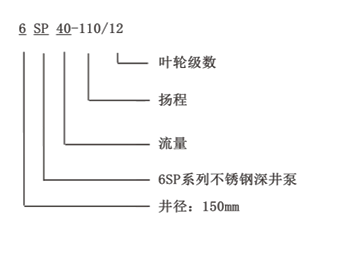
Benefits of Choosing a 1/2 HP Submersible Water Well Pump
1. Cost-Effective A 1/2 HP submersible pump is an economical choice for homeowners who require a reliable water source without breaking the bank. Their energy efficiency can also lead to lower electricity bills compared to larger pumps.
2. Space-Saving Design Since the pump is located underground, it saves space on the surface, allowing for a clutter-free environment. This feature is particularly beneficial for smaller properties or farms.
3. Quiet Operation Unlike surface pumps that can be noisy, submersible pumps operate quietly since they are submerged in water, reducing noise pollution in residential settings.
4. Consistent Water Supply These pumps provide a steady and reliable water supply, making them ideal for household use, irrigation, or livestock.
Considerations When Purchasing
When selecting a 1/2 HP submersible water well pump, there are several factors to consider
- Depth of the Well Ensure the pump can reach the required depth. Check the specifications to see how much water it can lift efficiently. - Water Source Quality Analyze the quality of your water source. If your well has a high sediment content, you may need a pump with a suitable filtration system to prevent clogging. - Local Codes and Regulations Always check local regulations regarding well installation and pump specifications. Some areas have specific codes to follow to ensure safe and effective water usage. - Warranty and Support Choose a pump from a reputable manufacturer that offers a guarantee and customer support in case of issues.
Conclusion
The 1/2 HP submersible water well pump is an efficient and practical choice for anyone looking to maintain a consistent water supply. By understanding its features, benefits, and the considerations during purchase, you can make an informed decision that suits your residential or agricultural water needs. Whether for irrigation, livestock, or household use, this pump can provide a reliable solution to ensure the availability of water when you need it most.
-
Water Pumps: Solutions for Every Need
NewsJul.30,2025
-
Submersible Well Pumps: Reliable Water Solutions
NewsJul.30,2025
-
Stainless Steel Water Pumps: Quality and Durability
NewsJul.30,2025
-
Powerful Water Pumps: Your Solution for Efficient Water Management
NewsJul.30,2025
-
Oil vs Water Filled Submersible Pumps: Which is Better?
NewsJul.30,2025
-
Deep Well Pumps: Power and Reliability
NewsJul.30,2025
-
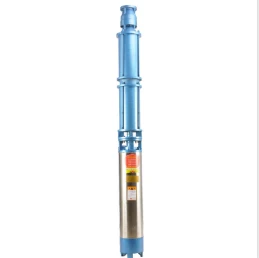 Water Pumps: Solutions for Every NeedWhen it comes to handling dirty water, the dirty water pump is a must-have.Detail
 -
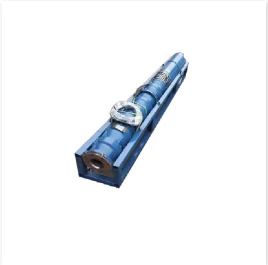 Submersible Well Pumps: Reliable Water SolutionsWhen it comes to ensuring a reliable water supply, submersible well pumps are a top choice.Detail
 -
 Stainless Steel Water Pumps: Quality and DurabilityWhen it comes to choosing a water pump, the stainless steel water pump price is a crucial factor.Detail
 English
  Afrikaans
  Albanian
  Amharic
  Arabic
  Armenian
  Azerbaijani
  Basque
  Belarusian
  Bengali
  Bosnian
  Bulgarian
  Catalan
  Cebuano
  Corsican
  Croatian
  Czech
Czech  Danish
  Dutch
Dutch  Esperanto
  Estonian
  Finnish
  French
  Frisian
  Galician
  Georgian
  German
  Greek
Greek  Gujarati
  Haitian Creole
  Hausa
Hausa  Hawaiian
  Hebrew
  Hindi
Hindi  Miao
Miao  Hungarian
  Icelandic
  Igbo
Igbo  Indonesian
  Irish
Irish  Italian
  Japanese
  Javanese
  Kannada
  Kazakh
  Khmer
Khmer  Rwandese
  Korean
  Kurdish
  Kyrgyz
  Lao
Lao  Latin
Latin  Latvian
  Lithuanian
  Luxembourgish
  Macedonian
  Malgashi
  Malay
Malay  Malayalam
  Maltese
  Maori
Maori  Marathi
  Mongolian
  Myanmar
  Nepali
  Norwegian
  Norwegian
  Occitan
  Pashto
  Persian
  Polish
  Portuguese
  Punjabi
  Romanian
  Russian
  Samoan
  Scottish Gaelic
  Serbian
  Sesotho
  Shona
Shona  Sindhi
  Sinhala
  Slovak
  Slovenian
  Somali
  Spanish
  Sundanese
  Swahili
  Swedish
  Tagalog
  Tajik
Tajik  Tamil
Tamil  Tatar
Tatar  Telugu
  Thai
Thai  Turkish
  Turkmen
  Ukrainian
  Urdu
Urdu  Uighur
  Uzbek
Uzbek  Vietnamese
  Welsh
Welsh  Bantu
Bantu  Yiddish
  Yoruba
  Zulu
Zulu