
Dec . 02, 2025 16:30 Back to list
Bottom Suction Submersible Pump: Global Uses, Benefits & Future Trends
Understanding the Bottom Suction Submersible Pump: An Industrial Game-Changer
If you’re here wondering what exactly a bottom suction submersible pump is and why it matters so much both globally and industrially, you’re in the right place. These little workhorses play a critical role in a variety of sectors — from agriculture and wastewater management to disaster relief and industrial processing. Frankly, understanding their design and application is key not just to efficient water management but also to meeting sustainability challenges worldwide.
Introduction: Why Bottom Suction Submersible Pumps Matter Globally
The global demand for sustainable water pumps has grown sharply amid rising water scarcity, climate change impacts, and expanding urbanization. According to the United Nations Water Report, nearly 2 billion people live in water-stressed countries. Pumps like bottom suction submersible models address such shortages by efficiently extracting water from natural bodies without excessive disturbance.
Oddly enough, while top or side suction pumps are common, bottom suction pumps excel in removing water with minimal sediment or debris, ideal for murky water or sludge-heavy environments. Industries and humanitarian groups alike have embraced this technology to solve key challenges in irrigation, sewage treatment, and emergency water removal.
What Is a Bottom Suction Submersible Pump?
Simply put, a bottom suction submersible pump is an electrically powered pump designed to be submerged underwater, with the intake positioned at its base. This design allows it to draw water from the lowest point of a tank, reservoir, or natural source, which can be especially important when sediment or unwanted particles stay on the surface.
Connecting this to modern needs: industries that must operate with minimum downtime — think mining, wastewater facilities, or flood management teams — need pumps that work reliably under challenging conditions. These pumps are also vital in delivering clean water for irrigation or disaster relief in remote areas.
Core Components and Key Factors of Bottom Suction Submersible Pumps
1. Durability
Manufactured with corrosion-resistant materials like stainless steel or specialized polymers, these pumps can withstand harsh environments and prolonged submersion. That’s crucial when you’re dealing with corrosive fluids or saline water.
2. Efficiency and Power
Because they pull water from the bottom, these pumps minimize air intake issues and cavitation, factors that dramatically increase wear. Their motor designs maximize energy efficiency — a major plus given the trend toward sustainable energy use.
3. Scalability
From small portable units used in emergency kits to large industrial pumps for municipal sewage plants, these pumps come in variable sizes and capacities. You can often customize motor power, cable length, and mounting options.
4. Maintenance and Serviceability
Though submerged, many models feature modular designs that facilitate easier maintenance and part replacement without full disassembly. This lowers operational downtime, a key consideration for industries reliant on continuous water flow.
5. Safety Features
Thermal overload protection and insulation safeguards protect against overheating and electrical hazards. Given their submersible nature, ensuring safe operation is non-negotiable.
Product Specification Overview
| Specification | Details |
|---|---|
| Operating Depth | Up to 50 meters |
| Flow Rate | 10 - 1000 m³/hr |
| Power Source | Electric motor – 1.5 kW to 50 kW |
| Material | Stainless steel, cast iron options |
| Intake Type | Bottom suction with sediment shield |
| Certifications | ISO 9906 Hydraulic Performance, CE |
Global Applications & Use Cases
Many regions — particularly those prone to drought or flood — rely heavily on bottom suction submersible pumps for essential water management. For instance:
- Agriculture in Sub-Saharan Africa: These pumps are used for efficient irrigation, allowing farmers to extract groundwater without disturbing sediment, which helps maintain pump longevity and water quality.
- Flood Relief in Southeast Asia: During monsoon seasons, emergency teams deploy these pumps to drain floodwater efficiently, often in extremely murky or debris-filled conditions.
- Mining Industry Worldwide: Water removal and dewatering in mines use these pumps extensively due to their ability to pull from the lowest water pools while resisting heavy particulates.
- Municipal Wastewater Treatment Plants: These facilities rely on bottom suction pumps to handle sludge and wastewater without clogging, thanks to their tailored intake design.
I noticed many engineers prefer bottom suction pumps in remote industrial zones where maintenance access is limited; their robustness really shines there.
Vendor Comparison of Popular Bottom Suction Submersible Pumps
| Vendor | Price Range (USD) | Power Range (kW) | Warranty | Notable Feature |
|---|---|---|---|---|
| Aquamax Pumps | $1,200 - $10,000 | 2 - 30 | 3 years | Integrated sediment filter |
| FlowForce Corp. | $900 - $9,500 | 1.5 - 25 | 2 years | Energy-saving motors |
| PumpTech Solutions | $1,500 - $12,000 | 3 - 40 | 5 years | Modular design for easy maintenance |
Advantages and Long-Term Value
It’s more than just pumping water — using bottom suction submersible pumps provides tangible benefits. Firstly, cost efficiency: these pumps often require less energy and experience reduced wear, saving money on electricity and repairs. Sustainability is another buzzword, but truly apt here since many models run quietly and can be coupled with solar or other green power systems.
On a social level, these pumps enable safer water extraction in flood zones or rural areas, improving local health and livelihoods. I suppose it’s easy to overlook how critical reliable water systems are, but these pumps quietly transform communities by providing dignity and security through water access.
Future Trends and Innovations
Looking ahead, the future of bottom suction submersible pumps is intertwined with digitalization and green tech. Emerging models integrate IoT sensors for real-time monitoring of flow, pressure, and motor health — reducing downtime through predictive maintenance.
Additionally, the development of advanced composite materials improves durability while lowering weight. Energy-wise, we’re seeing more compatibility with renewable power sources and improved hydraulic designs that boost efficiency.
Challenges and Solutions
Admittedly, the biggest challenges include sediment clogging and power supply limitations in off-grid areas. However, manufacturers are innovating better sediment filters and brushes, and portable solar power kits paired with energy-efficient motors promise to solve power supply woes.
Expert collaborators often stress on-site customization and proactive maintenance training to extend pump lifespan and performance effectively.
FAQ: Common Questions About Bottom Suction Submersible Pumps
- How do bottom suction submersible pumps differ from traditional top suction models?
- The intake position at the bottom allows these pumps to draw from deeper water layers, reducing debris intake and improving efficiency in muddy or sediment-filled environments.
- Can these pumps handle heavy sediment or sludge?
- Yes, many are specifically designed with sediment shields and heavy-duty impellers to manage sludgy or debris-rich fluids, ideal for wastewater or mining operations.
- What maintenance does a bottom suction submersible pump typically require?
- Routine inspection of the impeller, sealing systems, and electrical connections is essential. Modular designs allow for easier servicing without full removal.
- Are there energy-efficient models suitable for solar power?
- Definitely. Many vendors offer models optimized for low power consumption that can easily pair with solar panel setups, perfect for remote applications.
- How deep can these pumps operate effectively?
- Operating depth varies by model, but some can be submerged up to 50 meters or more, depending on the motor and seal design.
Conclusion & Call to Action
So, to sum up: bottom suction submersible pumps hold a crucial place in tackling water challenges globally. Their efficient design, adaptability, and long-term reliability make them indispensable across industries and humanitarian efforts. For businesses or agencies looking to invest in dependable water management solutions, it’s definitely worth exploring the options available.
If you want to dive deeper, check out our comprehensive resources and product selections at bottom suction submersible pump solutions.
After all, quality water management isn’t just about pumps — it’s about building a better, safer future.
Takeaway: Bottom suction submersible pumps aren’t just mechanical devices; they’re vital enablers of sustainable water solutions worldwide.
-
Understanding the Price Submersible Pump and Buyer Guide
NewsApr.16,2026
-
Factors Affecting the Price for Submersible Pump a Buyers Guide
NewsApr.09,2026
-
Choosing the Right Mini Submersible Fountain Pump for Optimal Water Feature Performance
NewsApr.07,2026
-
A Detailed Guide to Installing a Submersible Pump for Optimal Performance
NewsApr.04,2026
-
Comprehensive Guide on How to Test a Submersible Water Well Pump Effectively
NewsMar.31,2026
-
Learn How to Replace a Submersible Well Pump Safely and Effectively
NewsMar.28,2026
-
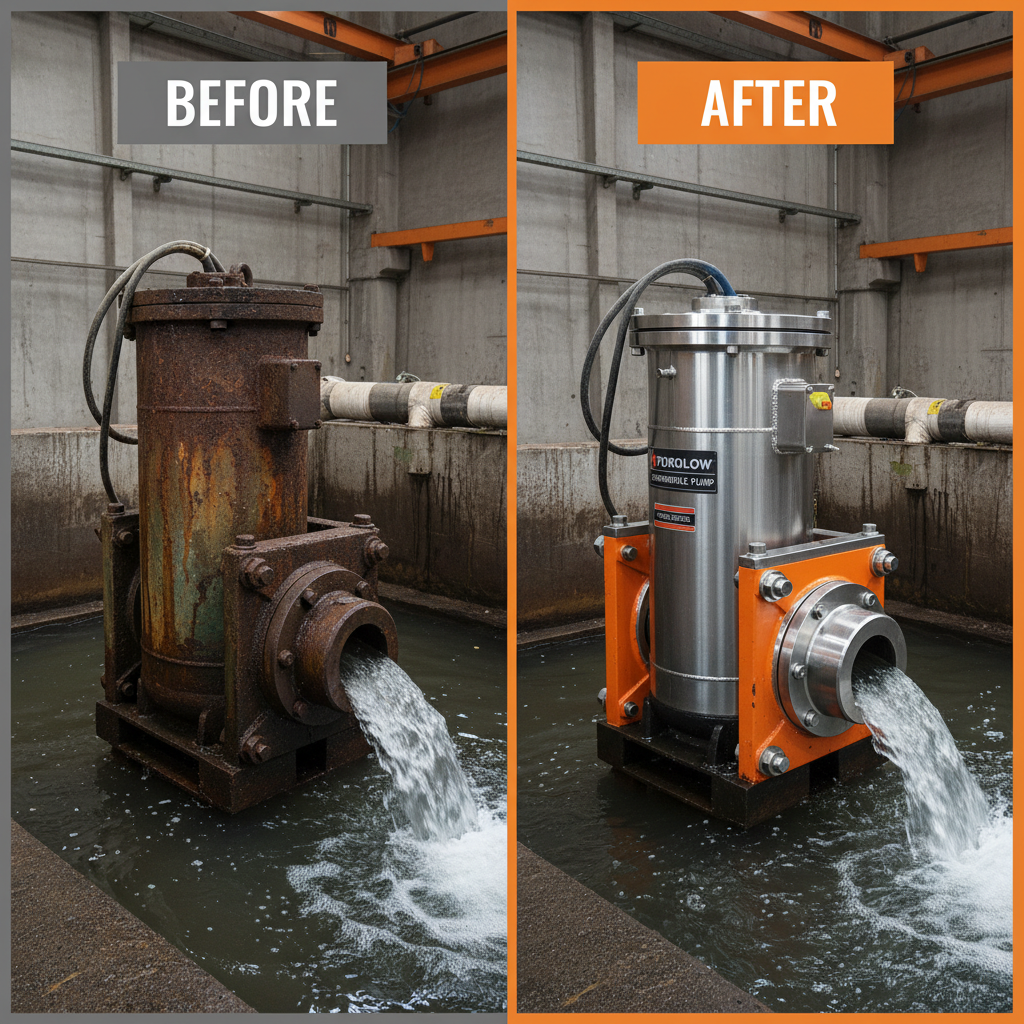 Understanding the Price Submersible Pump and Buyer GuideWhen searching for the ideal water management solution, understanding the price submersible pump options is crucial for balancing budget with performance. Whether you are dealing with a flooded basement, managing agricultural irrigation, or extracting water from a deep well, the cost of a submersible pump can vary significantly based on its build quality and capacity. Investing in a high-quality pump ensures long-term reliability and reduces the frequency of expensive replacements. In this guide, we will break down the factors that influence pricing and help you make an informed decision for your specific needs.Detail
 -
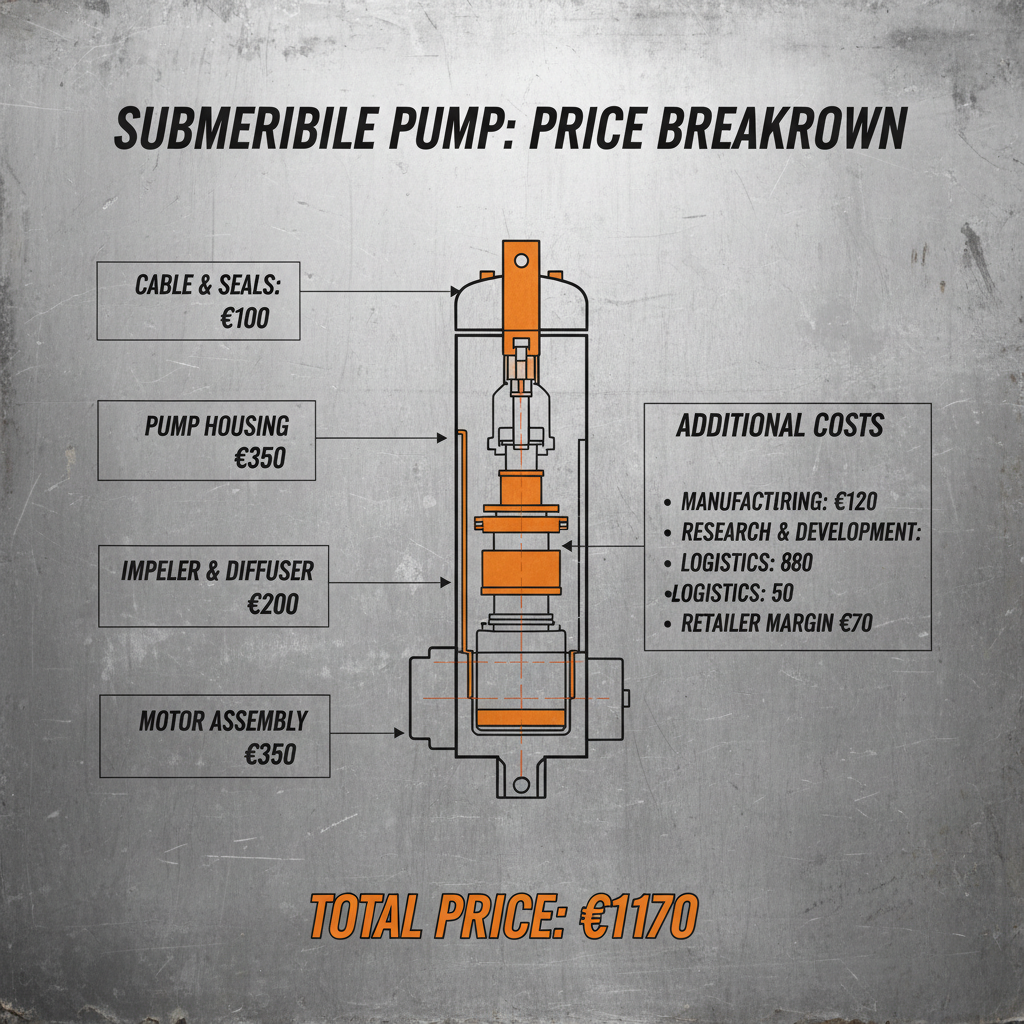 Factors Affecting the Price for Submersible Pump a Buyers GuideWhen investing in water management systems, understanding the price for submersible pump options is essential for balancing performance with budget. Whether you are managing a residential well, an industrial drainage project, or agricultural irrigation, the cost of a pump is rarely a flat fee; it is a reflection of the engineering, materials, and capacity required for your specific environment. In this guide, we will break down the factors that influence pricing and help you determine the best value for your investment to ensure long-term reliability and efficiency.Detail
 -
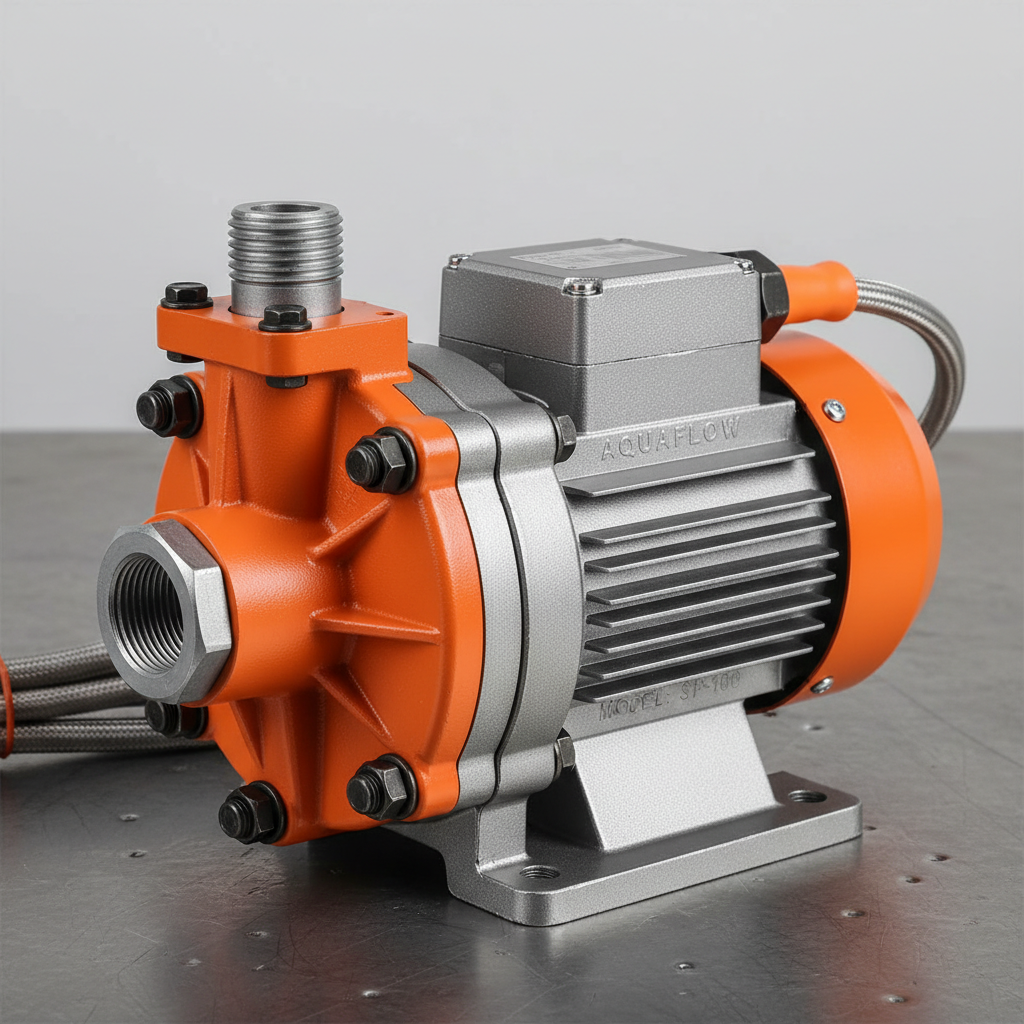 Choosing the Right Mini Submersible Fountain Pump for Optimal Water Feature PerformanceCreating a beautiful and relaxing water feature doesn't have to be complicated. A mini submersible fountain pump is the heart of any indoor or outdoor fountain, and selecting the right one is crucial for optimal performance and longevity. This article will guide you through the key considerations when choosing a mini submersible fountain pump, covering types, features, applications, and how to ensure you get the perfect pump for your project. We’ll also explore how Wellpumpact can provide you with the ideal solution.Detail
 Afrikaans
 Albanian
 Amharic
 Arabic
 Armenian
 Azerbaijani
 Basque
 Belarusian
 Bengali
 Bosnian
 Bulgarian
 Catalan
 Cebuano
 Corsican
 Croatian
 Czech
Czech
 Danish
 Dutch
Dutch
 Esperanto
 Estonian
 Finnish
 French
 Frisian
 Galician
 Georgian
 German
 Greek
Greek
 Gujarati
 Haitian Creole
 Hausa
Hausa
 Hawaiian
 Hebrew
 Hindi
Hindi
 Miao
Miao
 Hungarian
 Icelandic
 Igbo
Igbo
 Indonesian
 Irish
Irish
 Italian
 Japanese
 Javanese
 Kannada
 Kazakh
 Khmer
Khmer
 Rwandese
 Korean
 Kurdish
 Kyrgyz
 Lao
Lao
 Latin
Latin
 Latvian
 Lithuanian
 Luxembourgish
 Macedonian
 Malgashi
 Malay
Malay
 Malayalam
 Maltese
 Maori
Maori
 Marathi
 Mongolian
 Myanmar
 Nepali
 Norwegian
 Norwegian
 Occitan
 Pashto
 Persian
 Polish
 Portuguese
 Punjabi
 Romanian
 Russian
 Samoan
 Scottish Gaelic
 Serbian
 Sesotho
 Shona
Shona
 Sindhi
 Sinhala
 Slovak
 Slovenian
 Somali
 Spanish
 Sundanese
 Swahili
 Swedish
 Tagalog
 Tajik
Tajik
 Tamil
Tamil
 Tatar
Tatar
 Telugu
 Thai
Thai
 Turkish
 Turkmen
 Ukrainian
 Urdu
Urdu
 Uighur
 Uzbek
Uzbek
 Vietnamese
 Welsh
Welsh
 Bantu
Bantu
 Yiddish
 Yoruba
 Zulu
Zulu
 English