
Mar . 28, 2026 02:15 Back to list
Learn How to Replace a Submersible Well Pump Safely and Effectively
How to Replace a Submersible Well Pump
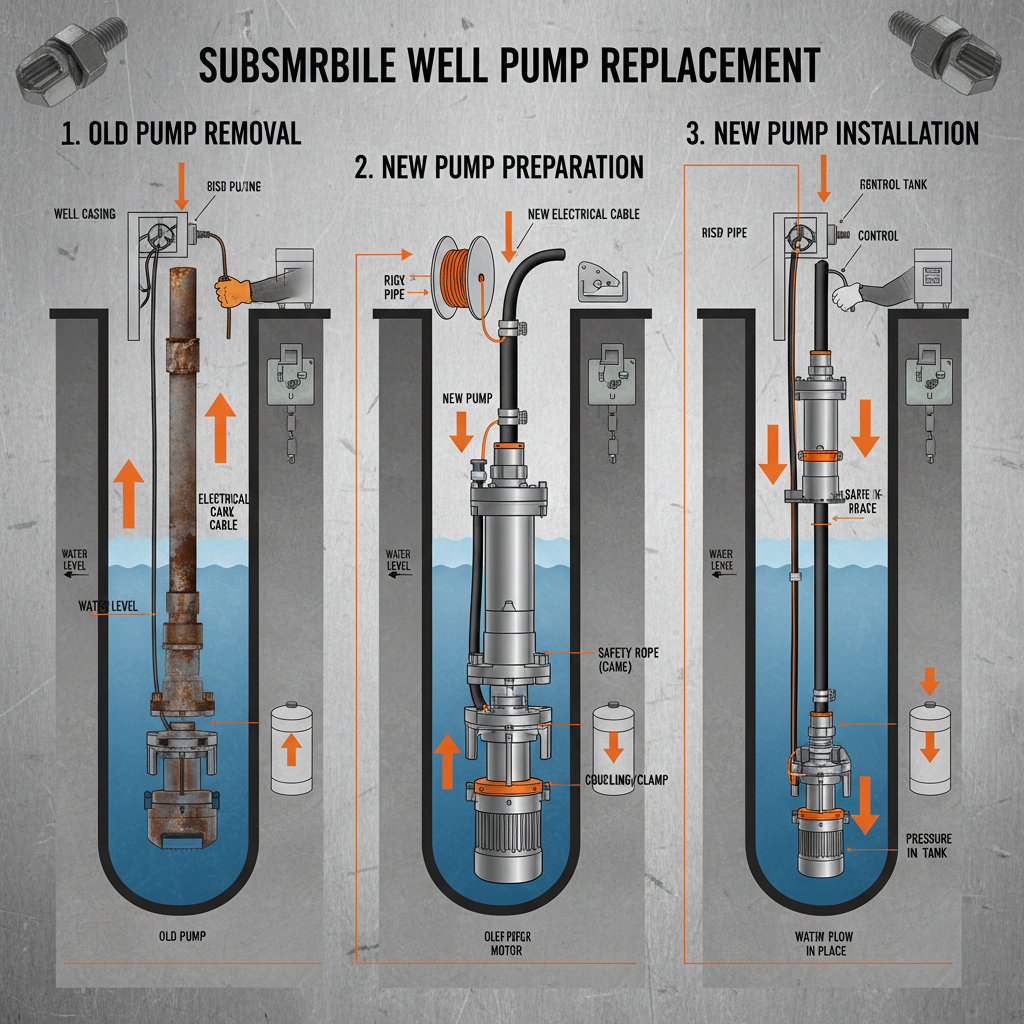
Replacing a submersible well pump can seem daunting, but with the right preparation and understanding, it’s a manageable DIY project. A faulty well pump means no water, and addressing it promptly is crucial. This guide provides a step-by-step process for safely and effectively replacing your submersible well pump. We'll cover safety precautions, necessary tools, the removal process, installation of the new pump, and essential testing procedures. For reliable well pump solutions and assistance, visit WellPumpAct.com.
Safety First: Essential Precautions
Before starting any work on your well pump, safety is paramount. Always disconnect the power to the well pump at the breaker box. Verify power is off using a voltage tester. Water and electricity are a dangerous combination. Wear appropriate personal protective equipment (PPE), including safety glasses, gloves, and sturdy boots. If you’re uncomfortable with any part of this process, it’s best to consult a qualified well pump technician. Proper grounding is crucial; ensure the well casing is properly grounded. Finally, understand the weight of a submersible pump; having a helper is highly recommended. Ignoring these precautions can lead to serious injury or electrocution.
Important Safety Reminders: Disconnect power. Wear PPE. Verify power is off. Have a helper. Ensure proper grounding.
Tools and Materials You'll Need
Having the right tools readily available will make the job significantly easier. Here's a list of essentials: adjustable wrench, pipe wrench, submersible pump puller (highly recommended), electrical tape, wire connectors (waterproof), pipe thread sealant (Teflon tape), new submersible pump (matching specifications), voltage tester, safety glasses, gloves, and sturdy boots. You might also need a check valve (if replacing the old one), electrical conduit, and a well cap. Consider having a bucket and rags on hand for water spillage. For a comprehensive selection of well pump parts and equipment, explore WellPumpAct.com.
Removing the Old Submersible Well Pump
With the power disconnected, begin by removing the well cap. Carefully disconnect the electrical wiring, noting the connections for reinstallation. Using a submersible pump puller, carefully lift the old pump out of the well. This tool is vital; attempting to lift a pump manually can damage the wiring or the pump itself. If you don’t have a puller, you may need to call a professional. As you lift the pump, detach the water pipe (usually PVC or polyethylene). Have a bucket ready to catch any remaining water in the pipe. Inspect the old pump for any visible damage, which might help diagnose the reason for its failure.
Installing the New Submersible Well Pump
Before lowering the new pump, inspect it for any damage. Attach the water pipe, ensuring a tight seal with pipe thread sealant. Carefully lower the new pump into the well using a rope or cable attached to the pump puller. Avoid dropping the pump, as this can cause damage. Once the pump is in position, reconnect the electrical wiring, matching the previous connections. Use waterproof wire connectors to prevent corrosion. Secure the wiring to the pipe to prevent strain on the connections. Finally, replace the well cap.
Wiring Considerations:
• Use waterproof wire connectors.
• Secure wiring to the pipe.
• Double-check all connections before restoring power.
Testing and Priming Your New Pump
Before restoring power, ensure everything is secure. Slowly turn on the power at the breaker box. Monitor the water pressure. It may take some time for the pump to prime and build pressure. If the pump doesn’t prime after a reasonable amount of time, turn off the power and recheck all connections. Listen for any unusual noises. If you suspect a problem, consult a professional. WellPumpAct.com offers expert advice and support for all your well pump needs.
Conclusion: Reliable Water Flow Restored
Replacing a submersible well pump requires careful attention to safety and detail. By following these steps, you can successfully restore water flow to your home or property. Remember, if you're unsure about any aspect of the process, seeking professional help is always the best course of action. Invest in quality parts and equipment from a trusted source like WellPumpAct.com for long-lasting performance and peace of mind.
Frequently Asked Questions (FAQs)
How long does a submersible well pump typically last?
The lifespan of a submersible well pump varies depending on water quality, usage frequency, and maintenance. Generally, a well-maintained pump can last between 8 to 15 years. However, pumps in areas with sediment-rich water or frequent cycling may have a shorter lifespan. Regular inspections and cleaning can significantly extend the pump’s longevity. Signs that a pump might be nearing the end of its life include reduced water pressure, unusual noises, and frequent on/off cycling. WellPumpAct.com offers a range of high-quality pumps designed for durability and long-term performance.
What are the common reasons for a submersible well pump failure?
Several factors can contribute to well pump failure. Common causes include sediment buildup, corrosion, electrical issues, and mechanical wear and tear. Sediment can damage the pump's impeller and other components. Corrosion can occur due to mineral content in the water. Electrical failures can be caused by faulty wiring or a worn-out motor. Regular well water testing and preventative maintenance can help identify and address these issues before they lead to pump failure. Consider installing a sediment filter to protect your pump.
Do I need a special license to replace my well pump?
Licensing requirements for well pump replacement vary by location. Some states or counties require a well contractor’s license to perform this type of work. It's essential to check your local regulations before starting the project. Even if a license isn’t required, you may need a permit. Performing work without the necessary permits can result in fines or other penalties. WellPumpAct.com can provide guidance on local regulations and requirements.
How much does it typically cost to replace a submersible well pump?
The cost of replacing a submersible well pump can vary significantly depending on the pump's horsepower, the depth of the well, and whether you hire a professional. The pump itself can range from $300 to $1,500 or more. Labor costs, if you hire a professional, can range from $500 to $1,500 or higher. Additional costs may include the pump puller rental, wiring materials, and well cap replacement. WellPumpAct.com provides competitive pricing on well pumps and related equipment.
-
Understanding the Price Submersible Pump and Buyer Guide
NewsApr.16,2026
-
Factors Affecting the Price for Submersible Pump a Buyers Guide
NewsApr.09,2026
-
Choosing the Right Mini Submersible Fountain Pump for Optimal Water Feature Performance
NewsApr.07,2026
-
A Detailed Guide to Installing a Submersible Pump for Optimal Performance
NewsApr.04,2026
-
Comprehensive Guide on How to Test a Submersible Water Well Pump Effectively
NewsMar.31,2026
-
Learn How to Replace a Submersible Well Pump Safely and Effectively
NewsMar.28,2026
-
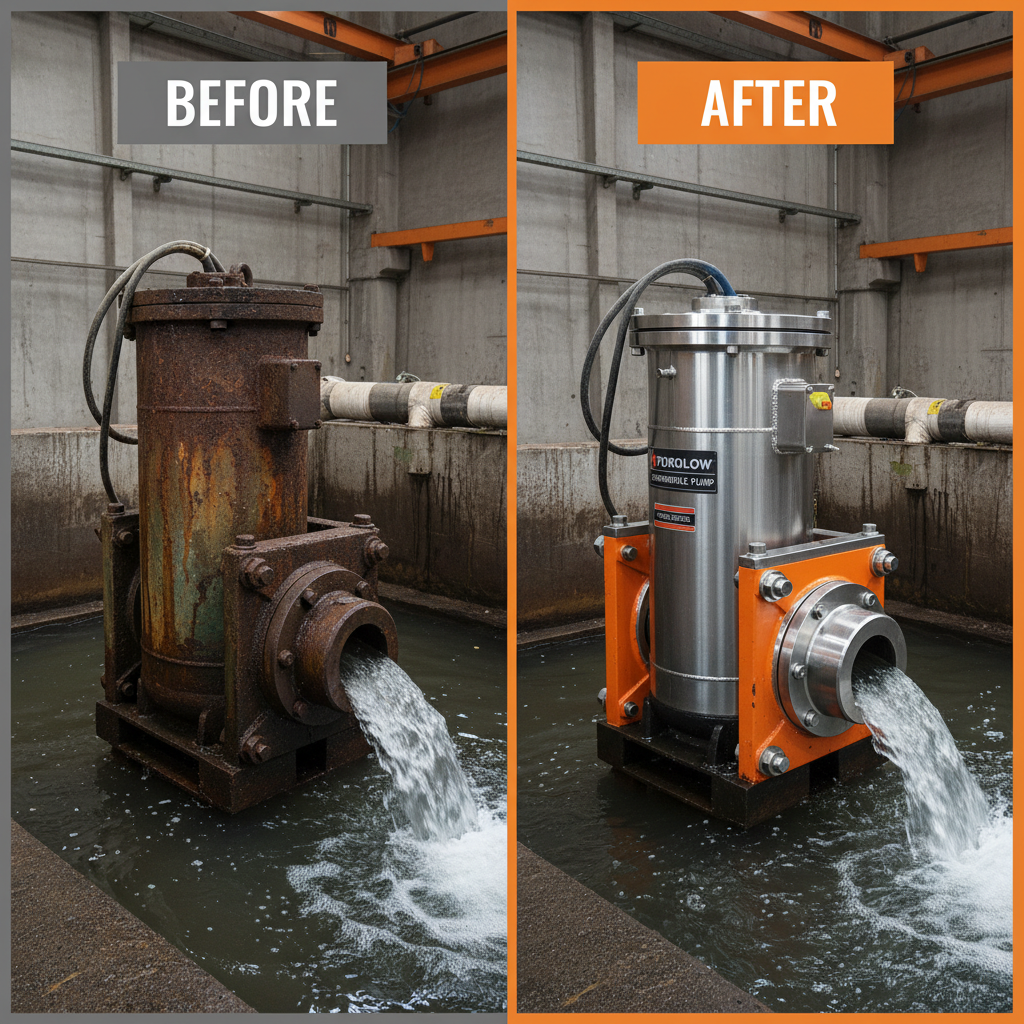 Understanding the Price Submersible Pump and Buyer GuideWhen searching for the ideal water management solution, understanding the price submersible pump options is crucial for balancing budget with performance. Whether you are dealing with a flooded basement, managing agricultural irrigation, or extracting water from a deep well, the cost of a submersible pump can vary significantly based on its build quality and capacity. Investing in a high-quality pump ensures long-term reliability and reduces the frequency of expensive replacements. In this guide, we will break down the factors that influence pricing and help you make an informed decision for your specific needs.Detail
 -
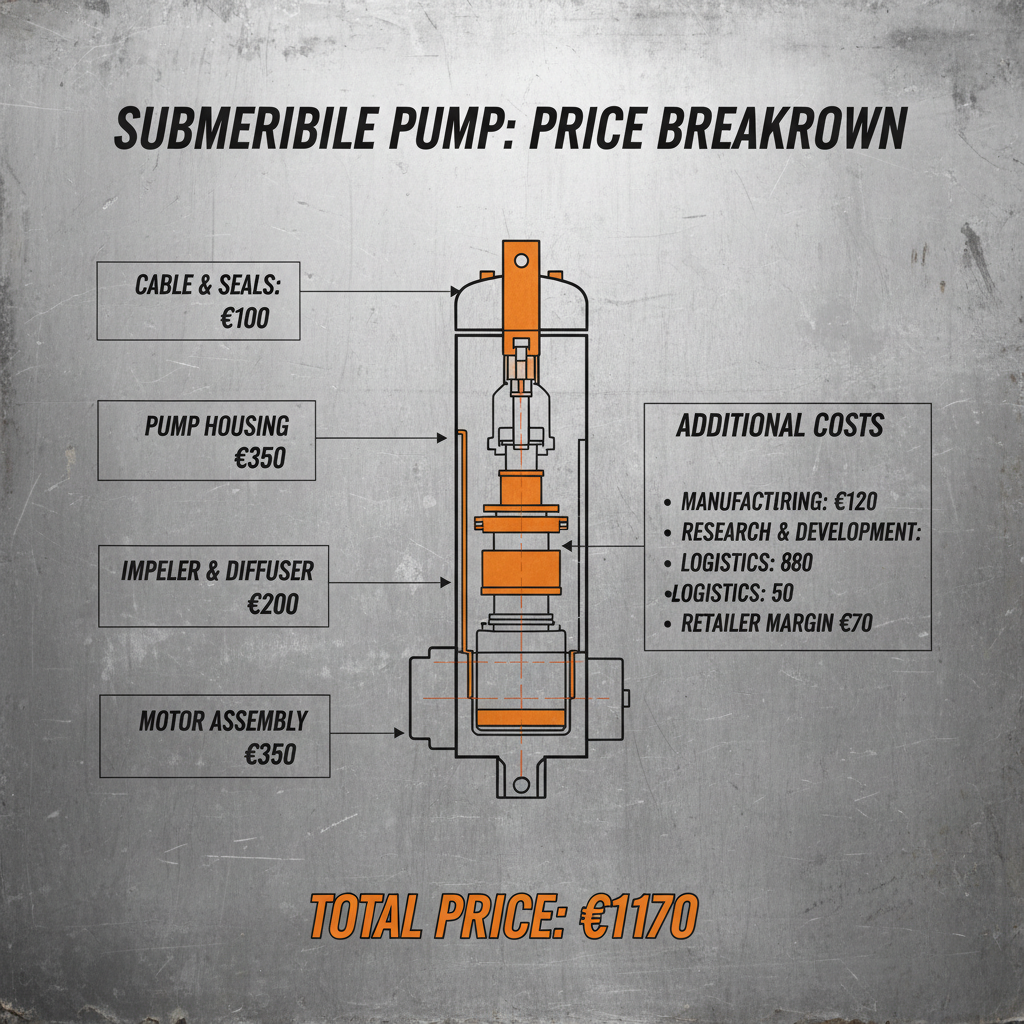 Factors Affecting the Price for Submersible Pump a Buyers GuideWhen investing in water management systems, understanding the price for submersible pump options is essential for balancing performance with budget. Whether you are managing a residential well, an industrial drainage project, or agricultural irrigation, the cost of a pump is rarely a flat fee; it is a reflection of the engineering, materials, and capacity required for your specific environment. In this guide, we will break down the factors that influence pricing and help you determine the best value for your investment to ensure long-term reliability and efficiency.Detail
 -
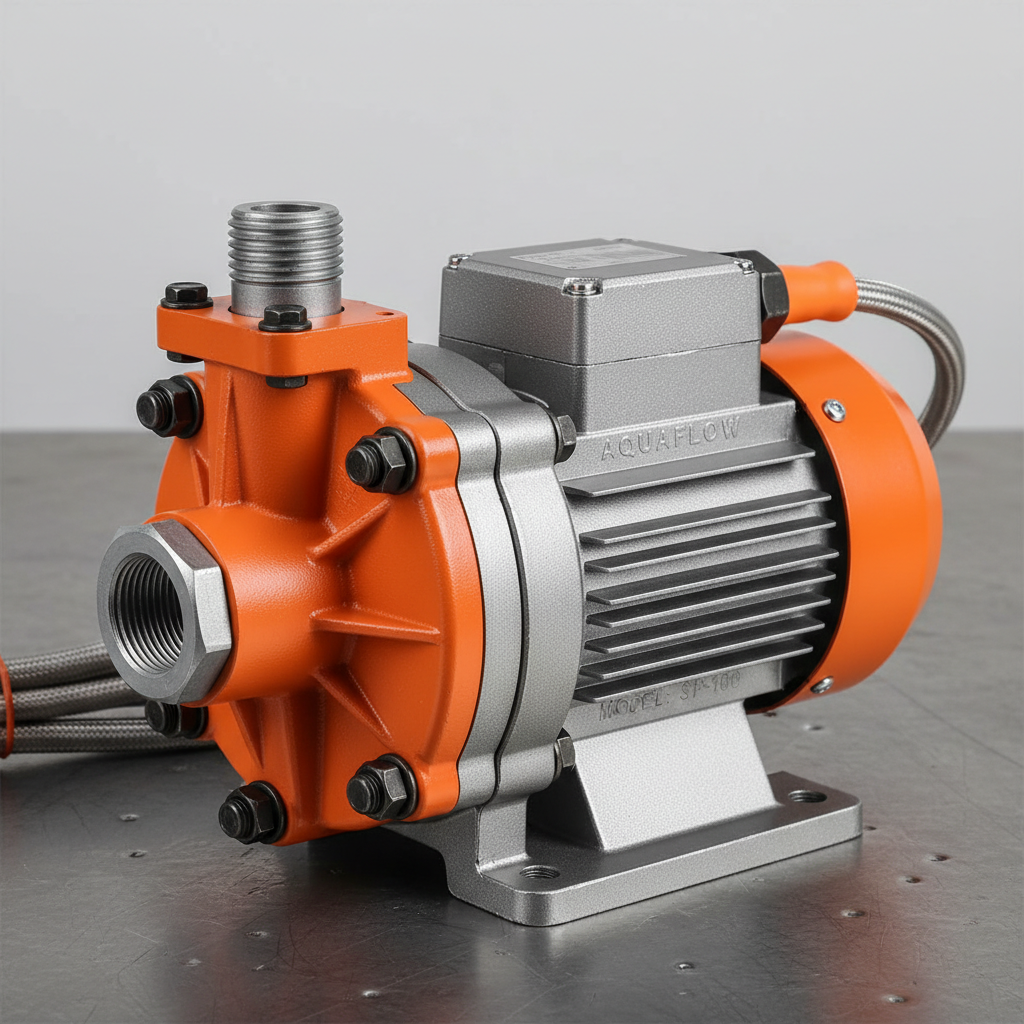 Choosing the Right Mini Submersible Fountain Pump for Optimal Water Feature PerformanceCreating a beautiful and relaxing water feature doesn't have to be complicated. A mini submersible fountain pump is the heart of any indoor or outdoor fountain, and selecting the right one is crucial for optimal performance and longevity. This article will guide you through the key considerations when choosing a mini submersible fountain pump, covering types, features, applications, and how to ensure you get the perfect pump for your project. We’ll also explore how Wellpumpact can provide you with the ideal solution.Detail
 Afrikaans
 Albanian
 Amharic
 Arabic
 Armenian
 Azerbaijani
 Basque
 Belarusian
 Bengali
 Bosnian
 Bulgarian
 Catalan
 Cebuano
 Corsican
 Croatian
 Czech
Czech
 Danish
 Dutch
Dutch
 Esperanto
 Estonian
 Finnish
 French
 Frisian
 Galician
 Georgian
 German
 Greek
Greek
 Gujarati
 Haitian Creole
 Hausa
Hausa
 Hawaiian
 Hebrew
 Hindi
Hindi
 Miao
Miao
 Hungarian
 Icelandic
 Igbo
Igbo
 Indonesian
 Irish
Irish
 Italian
 Japanese
 Javanese
 Kannada
 Kazakh
 Khmer
Khmer
 Rwandese
 Korean
 Kurdish
 Kyrgyz
 Lao
Lao
 Latin
Latin
 Latvian
 Lithuanian
 Luxembourgish
 Macedonian
 Malgashi
 Malay
Malay
 Malayalam
 Maltese
 Maori
Maori
 Marathi
 Mongolian
 Myanmar
 Nepali
 Norwegian
 Norwegian
 Occitan
 Pashto
 Persian
 Polish
 Portuguese
 Punjabi
 Romanian
 Russian
 Samoan
 Scottish Gaelic
 Serbian
 Sesotho
 Shona
Shona
 Sindhi
 Sinhala
 Slovak
 Slovenian
 Somali
 Spanish
 Sundanese
 Swahili
 Swedish
 Tagalog
 Tajik
Tajik
 Tamil
Tamil
 Tatar
Tatar
 Telugu
 Thai
Thai
 Turkish
 Turkmen
 Ukrainian
 Urdu
Urdu
 Uighur
 Uzbek
Uzbek
 Vietnamese
 Welsh
Welsh
 Bantu
Bantu
 Yiddish
 Yoruba
 Zulu
Zulu
 English