
Jan . 28, 2026 11:05 Back to list
Choosing the Best Submersible Water Pump for a Healthy Fish Tank Environment
Choosing the Right Submersible Water Pump for Your Fish Tank
Maintaining a healthy aquatic environment for your fish requires more than just a beautiful tank and vibrant decorations. A reliable submersible water pump fish tank is essential for filtration, oxygenation, and overall water quality. This article will explore the different types of submersible pumps available, their key features, how to select the right one for your specific needs, and why Wellpumpact provides excellent solutions. Ensuring a clean and well-oxygenated tank is vital for the well-being of your aquatic pets.
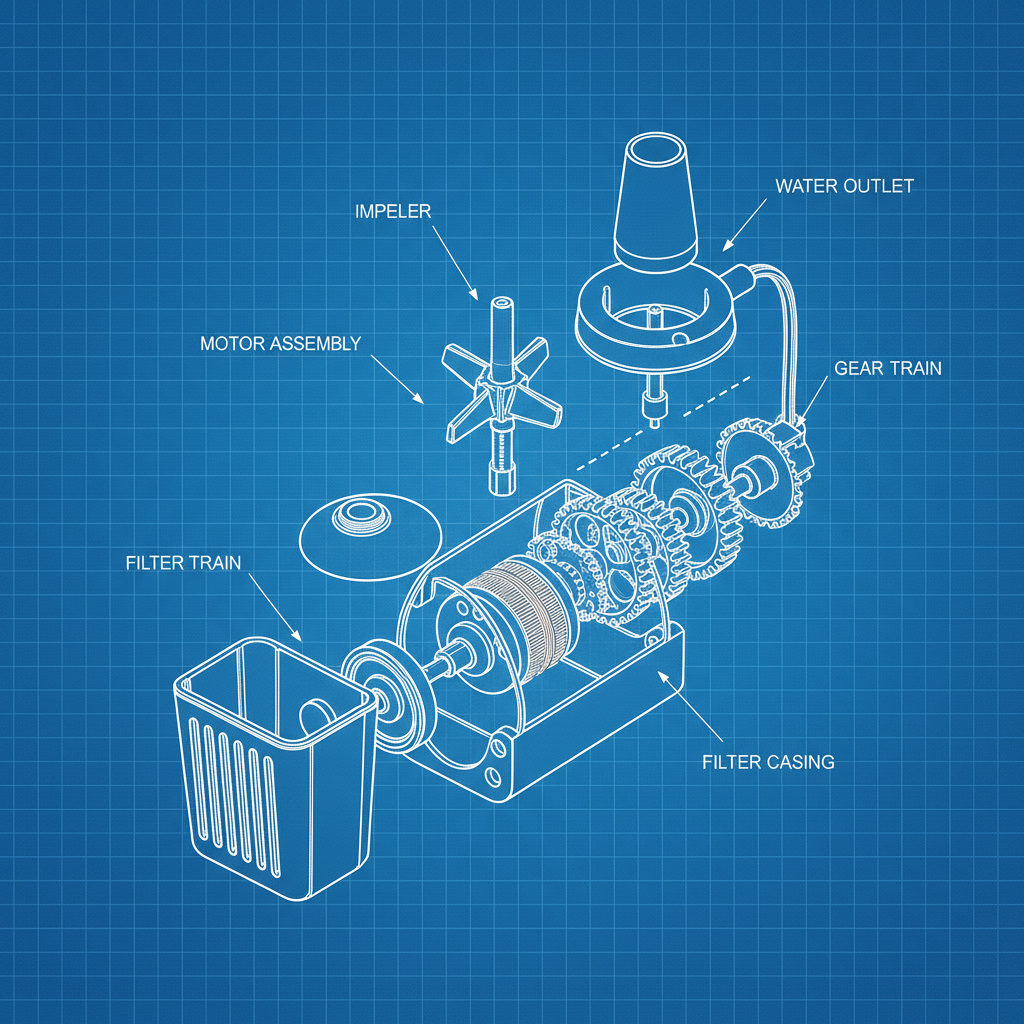
Understanding Submersible Water Pumps
Submersible water pumps are designed to be fully immersed in water, making them ideal for fish tanks, ponds, and other aquatic applications. They work by drawing water in through an intake and pushing it out through an outlet, creating circulation and facilitating filtration. There are several types of submersible pumps, each suited for different purposes. Common types include internal filters (often all-in-one units), powerheads for increased circulation, and pumps specifically designed for external filters. Understanding these differences is key to making an informed purchase.
Key Benefit: Submersible pumps operate quietly and efficiently, contributing to a peaceful environment for your fish.
Choosing the Right Pump: Flow Rate and Tank Size
The most important factor when selecting a submersible water pump fish tank is the flow rate, measured in gallons per hour (GPH). The general rule of thumb is to turn over the tank’s water volume 4-6 times per hour. For example, a 20-gallon tank requires a pump with a flow rate of 80-120 GPH. However, this can vary depending on the type of fish, plants, and filtration system you have.
Flow Rate Guidelines:
• 10-20 Gallon Tank: 80-120 GPH
• 20-30 Gallon Tank: 120-180 GPH
• 30-50 Gallon Tank: 180-300 GPH
• 50+ Gallon Tank: 300+ GPH
Submersible Pump Features to Consider
Beyond flow rate, consider features like adjustable flow control, which allows you to customize the water movement. Look for pumps with quiet operation, especially if the tank is located in a living area. Also, check the pump’s energy efficiency, as it will be running continuously. The quality of materials is crucial; look for pumps made from durable, non-toxic plastics. Finally, consider the ease of cleaning and maintenance.
Why Choose Wellpumpact for Your Submersible Water Pump Needs?
At Wellpumpact, we offer a wide selection of high-quality submersible water pumps for fish tanks, designed to meet the diverse needs of aquarium enthusiasts. Our pumps are known for their reliability, energy efficiency, and quiet operation. We provide detailed product specifications and expert advice to help you choose the perfect pump for your tank. We’re committed to providing excellent customer service and ensuring your complete satisfaction.
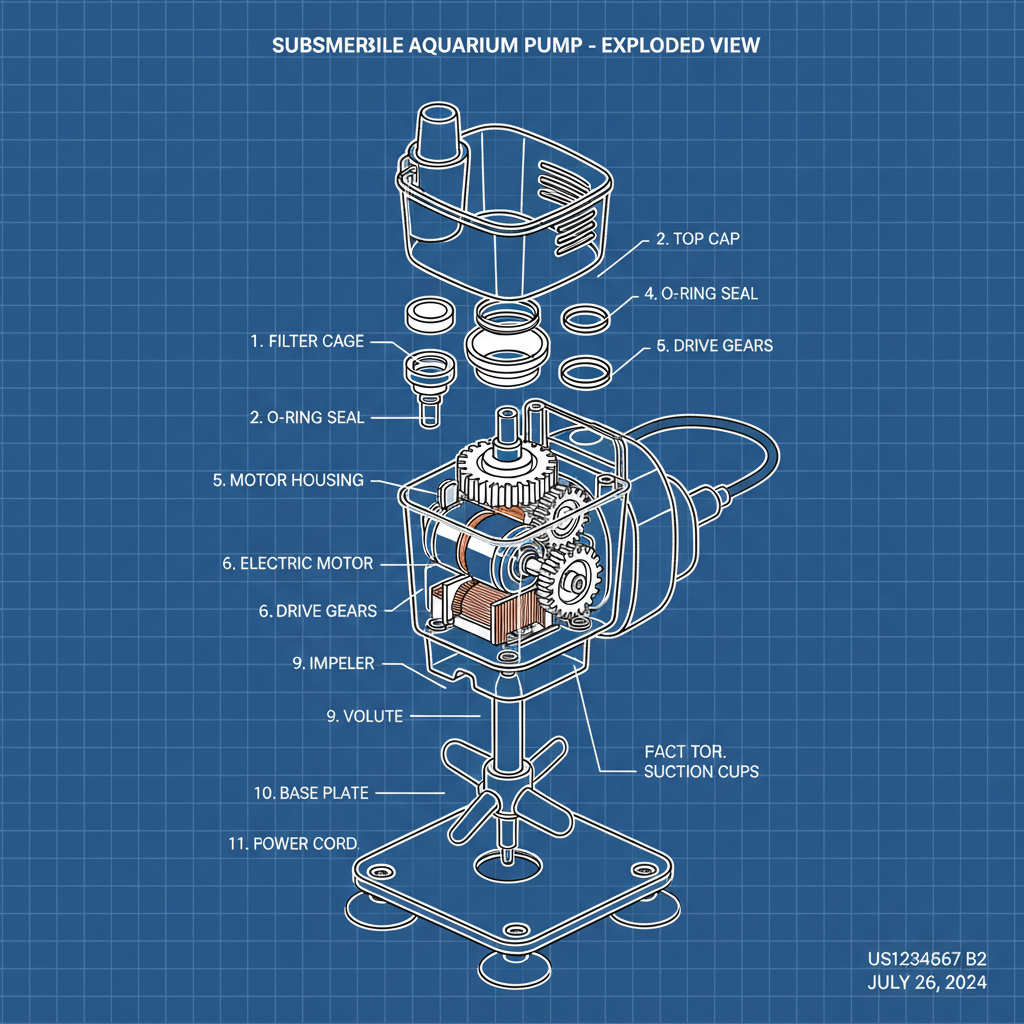
Conclusion: Ensuring a Healthy Aquarium with the Right Pump
Investing in a high-quality submersible water pump fish tank is essential for creating and maintaining a thriving aquatic environment. By carefully considering your tank size, the type of fish you keep, and the features you need, you can select the perfect pump to ensure optimal water quality and fish health. Wellpumpact is your trusted source for reliable and efficient submersible pumps.
Frequently Asked Questions (FAQs)
How often should I clean my submersible water pump?
Regular cleaning is crucial for maintaining optimal pump performance. You should aim to clean your pump every 2-4 weeks, depending on the tank’s bioload and water quality. Disconnect the pump from the power source before removing it from the tank. Disassemble the pump according to the manufacturer's instructions and rinse all parts with clean water to remove debris. Avoid using soap or detergents, as these can be harmful to your fish. Reassemble the pump and return it to the tank. Proper maintenance will extend the lifespan of your pump and ensure its continued efficiency.
Can I use a submersible pump for a pond as well as a fish tank?
While some submersible pumps can be used for both, it’s important to choose a pump specifically designed for the intended application. Pond pumps typically need to be more powerful and durable to handle larger water volumes and outdoor conditions. They often have features like pre-filters to prevent clogging from leaves and debris. Using a fish tank pump in a pond or vice versa may result in reduced performance or damage to the pump. Always check the manufacturer’s specifications before using a pump for a different application.
What should I do if my submersible pump is making a lot of noise?
Excessive noise from your submersible pump could indicate a few issues. First, check if the pump is securely positioned and not vibrating against the tank walls or decorations. Ensure the impeller is free from debris or obstructions. If the pump is relatively new, the noise may subside after a period of use. If the noise persists, it could be a sign of a failing motor or internal damage. Contact the manufacturer or a qualified technician for assistance. Regular maintenance can help prevent noise issues by keeping the pump clean and running smoothly.
How do I determine the correct head height for my pump?
Head height refers to the maximum height the pump can push water vertically. It's important to consider this when choosing a pump, especially if you're using it with an external filter or to create a waterfall. The head height is usually listed in the pump’s specifications. To determine the correct head height, measure the vertical distance from the pump to the highest point where the water needs to reach. It’s always best to choose a pump with a head height slightly higher than your actual requirement to ensure adequate flow.
-
Understanding the Price Submersible Pump and Buyer Guide
NewsApr.16,2026
-
Factors Affecting the Price for Submersible Pump a Buyers Guide
NewsApr.09,2026
-
Choosing the Right Mini Submersible Fountain Pump for Optimal Water Feature Performance
NewsApr.07,2026
-
A Detailed Guide to Installing a Submersible Pump for Optimal Performance
NewsApr.04,2026
-
Comprehensive Guide on How to Test a Submersible Water Well Pump Effectively
NewsMar.31,2026
-
Learn How to Replace a Submersible Well Pump Safely and Effectively
NewsMar.28,2026
-
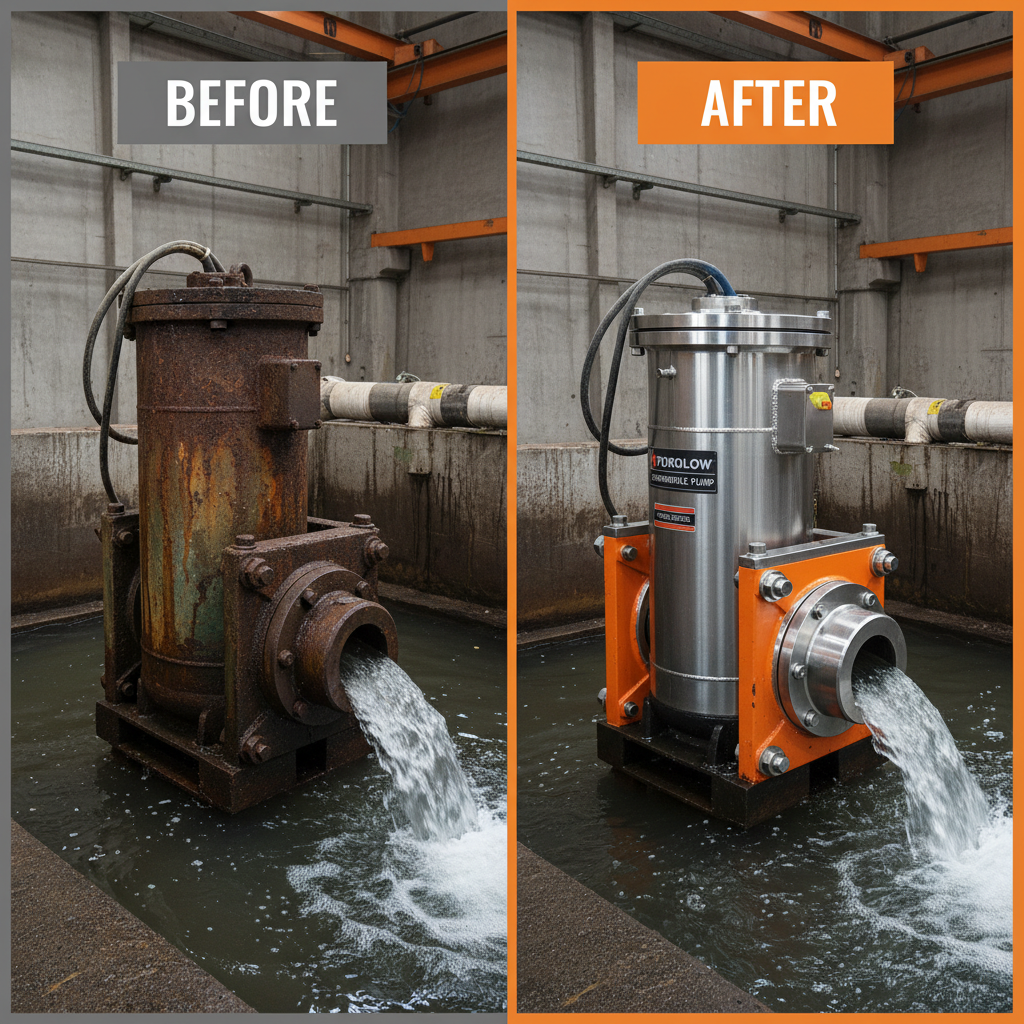 Understanding the Price Submersible Pump and Buyer GuideWhen searching for the ideal water management solution, understanding the price submersible pump options is crucial for balancing budget with performance. Whether you are dealing with a flooded basement, managing agricultural irrigation, or extracting water from a deep well, the cost of a submersible pump can vary significantly based on its build quality and capacity. Investing in a high-quality pump ensures long-term reliability and reduces the frequency of expensive replacements. In this guide, we will break down the factors that influence pricing and help you make an informed decision for your specific needs.Detail
 -
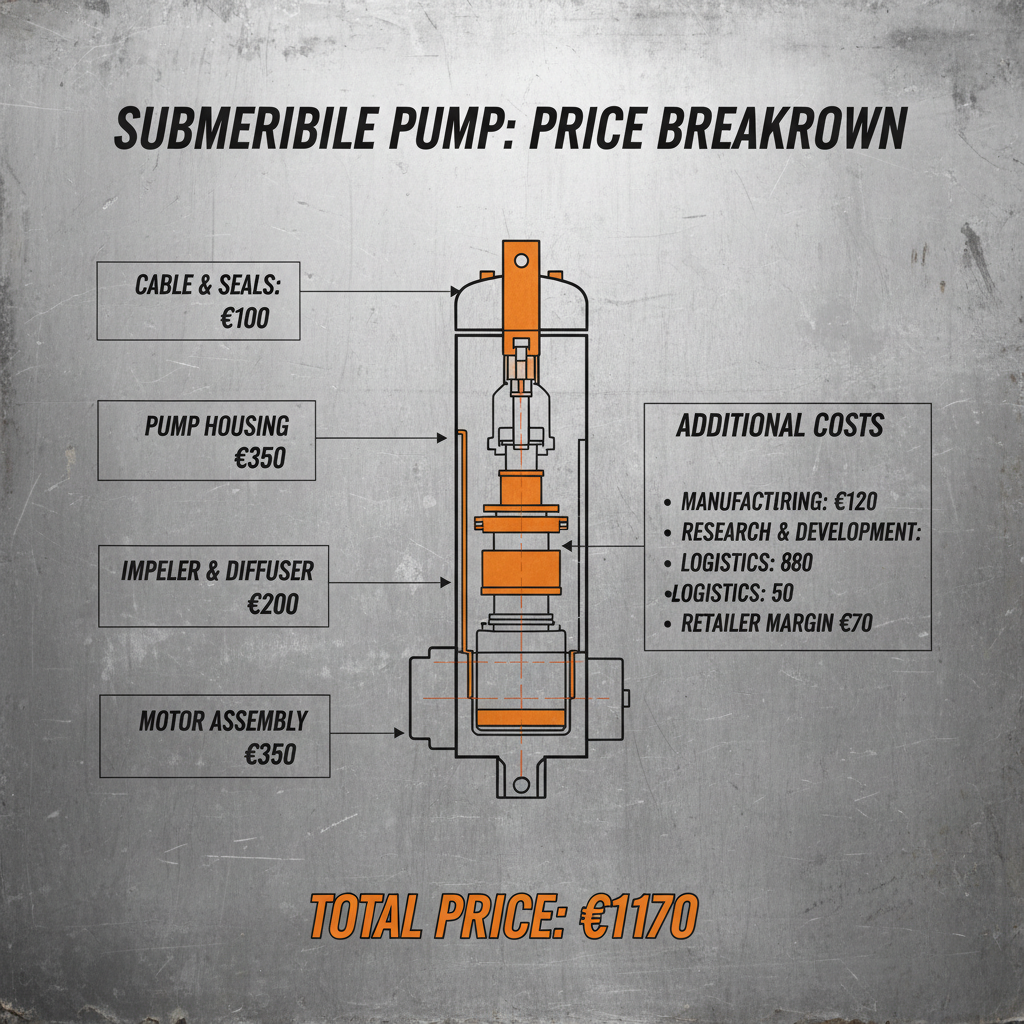 Factors Affecting the Price for Submersible Pump a Buyers GuideWhen investing in water management systems, understanding the price for submersible pump options is essential for balancing performance with budget. Whether you are managing a residential well, an industrial drainage project, or agricultural irrigation, the cost of a pump is rarely a flat fee; it is a reflection of the engineering, materials, and capacity required for your specific environment. In this guide, we will break down the factors that influence pricing and help you determine the best value for your investment to ensure long-term reliability and efficiency.Detail
 -
 Choosing the Right Mini Submersible Fountain Pump for Optimal Water Feature PerformanceCreating a beautiful and relaxing water feature doesn't have to be complicated. A mini submersible fountain pump is the heart of any indoor or outdoor fountain, and selecting the right one is crucial for optimal performance and longevity. This article will guide you through the key considerations when choosing a mini submersible fountain pump, covering types, features, applications, and how to ensure you get the perfect pump for your project. We’ll also explore how Wellpumpact can provide you with the ideal solution.Detail
 Afrikaans
 Albanian
 Amharic
 Arabic
 Armenian
 Azerbaijani
 Basque
 Belarusian
 Bengali
 Bosnian
 Bulgarian
 Catalan
 Cebuano
 Corsican
 Croatian
 Czech
Czech
 Danish
 Dutch
Dutch
 Esperanto
 Estonian
 Finnish
 French
 Frisian
 Galician
 Georgian
 German
 Greek
Greek
 Gujarati
 Haitian Creole
 Hausa
Hausa
 Hawaiian
 Hebrew
 Hindi
Hindi
 Miao
Miao
 Hungarian
 Icelandic
 Igbo
Igbo
 Indonesian
 Irish
Irish
 Italian
 Japanese
 Javanese
 Kannada
 Kazakh
 Khmer
Khmer
 Rwandese
 Korean
 Kurdish
 Kyrgyz
 Lao
Lao
 Latin
Latin
 Latvian
 Lithuanian
 Luxembourgish
 Macedonian
 Malgashi
 Malay
Malay
 Malayalam
 Maltese
 Maori
Maori
 Marathi
 Mongolian
 Myanmar
 Nepali
 Norwegian
 Norwegian
 Occitan
 Pashto
 Persian
 Polish
 Portuguese
 Punjabi
 Romanian
 Russian
 Samoan
 Scottish Gaelic
 Serbian
 Sesotho
 Shona
Shona
 Sindhi
 Sinhala
 Slovak
 Slovenian
 Somali
 Spanish
 Sundanese
 Swahili
 Swedish
 Tagalog
 Tajik
Tajik
 Tamil
Tamil
 Tatar
Tatar
 Telugu
 Thai
Thai
 Turkish
 Turkmen
 Ukrainian
 Urdu
Urdu
 Uighur
 Uzbek
Uzbek
 Vietnamese
 Welsh
Welsh
 Bantu
Bantu
 Yiddish
 Yoruba
 Zulu
Zulu
 English