
Jan . 30, 2026 14:40 Back to list
Choosing the Right 1 3 HP Submersible Sump Pump for Effective Water Management
Choosing the Right 1 3 HP Submersible Sump Pump
Selecting the appropriate 1 3 hp submersible sump pump is crucial for effectively managing water buildup in basements, crawl spaces, and other low-lying areas. These pumps are designed to automatically remove water, preventing costly water damage and potential mold growth. At WellPumpAct, we provide a range of high-quality sump pumps tailored to various needs. This article will guide you through the key considerations when choosing a 1 3 hp submersible sump pump, covering features, benefits, and applications, to help you make an informed decision.
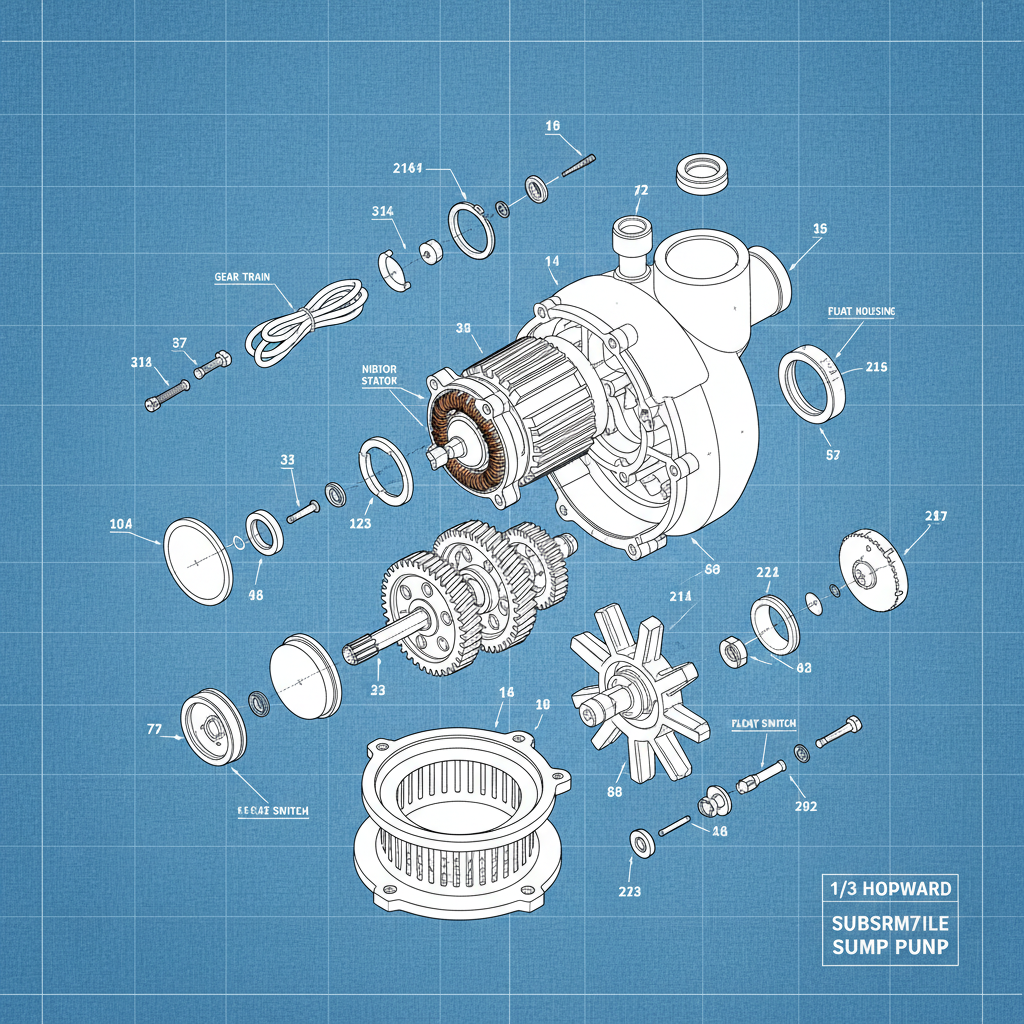
Understanding the Power: What Does 1 3 HP Mean?
The "HP" in 1 3 hp submersible sump pump stands for horsepower, a unit of power. A 1/3 horsepower pump is generally suitable for residential applications and can handle moderate water volumes. This power level strikes a balance between efficiency and cost-effectiveness, making it a popular choice for standard basement flooding situations. However, the specific amount of water a pump can move also depends on other factors like pump design, impeller type, and head height (the vertical distance the pump needs to lift the water). At WellPumpAct we can help you determine the best pump based on your specific needs.
Key Benefit: A 1/3 HP pump provides a reliable solution for typical basement water management needs, offering an excellent balance of power, efficiency, and affordability.
Key Features to Look for in a 1 3 HP Sump Pump
When selecting a 1 3 hp submersible sump pump, consider these key features: a robust motor for longevity, a durable impeller (vortex or non-clog) to handle solids, a reliable float switch for automatic operation, and a corrosion-resistant housing for extended use. A thermal overload protection feature is also crucial to prevent motor damage in case of overheating. Additionally, check the pump's maximum head height and gallons per hour (GPH) rating to ensure it meets your specific water removal needs. WellPumpAct offers pumps with these features and more.
Essential Features:
• Durable motor and impeller
• Reliable float switch
• Corrosion-resistant housing
• Thermal overload protection
1 3 HP Sump Pump vs. Other Horsepower Options: A Comparison
Choosing the right horsepower is essential. A 1/3 HP pump is suitable for most residential needs. However, larger homes or those prone to significant flooding might benefit from a 1/2 HP or 3/4 HP pump. Here’s a quick comparison:
Applications of a 1 3 HP Submersible Sump Pump
A 1 3 hp submersible sump pump is ideal for: preventing basement flooding due to heavy rain, groundwater seepage, or appliance malfunctions; removing water from crawl spaces to prevent mold and structural damage; and maintaining water levels in rainwater collection systems. These pumps are also utilized in some industrial applications for dewatering purposes. Explore the range of applications supported by pumps available at WellPumpAct.
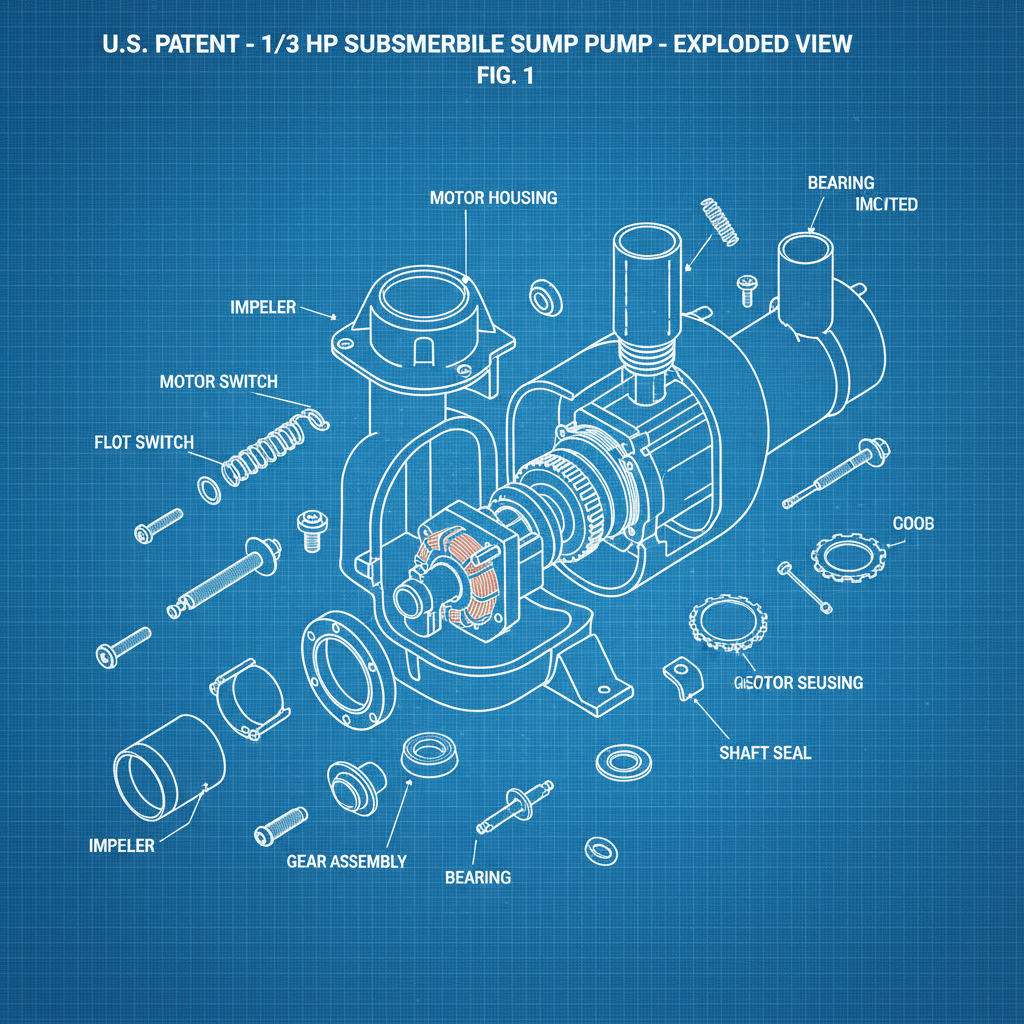
Product Specifications: Example 1/3 HP Sump Pump
Here’s a sample specification table for a typical 1/3 HP submersible sump pump:
Conclusion: Finding the Right Pump at WellPumpAct
Choosing the right 1 3 hp submersible sump pump is a crucial step in protecting your property from water damage. At WellPumpAct, we offer a wide selection of reliable and high-quality pumps to meet your specific needs. Our expert team can assist you in selecting the perfect pump and provide ongoing support to ensure your peace of mind. Don’t wait for the next flood – invest in a quality sump pump today!
Frequently Asked Questions (FAQs)
What size discharge pipe should I use with a 1 3 HP sump pump?
Generally, a 1 1/4 inch or 1 1/2 inch discharge pipe is recommended for a 1/3 HP sump pump. Using a larger diameter pipe can reduce friction and improve pumping efficiency, especially for longer discharge runs. However, it's important to check the pump's specifications for the manufacturer's recommended pipe size. A pipe that is too small can restrict flow and potentially damage the pump. At WellPumpAct, we can advise on the best piping solutions for your setup.
How often should I test my sump pump?
It's recommended to test your sump pump at least twice a year, ideally before the rainy season and after. You can test it by pouring a bucket of water into the sump pit to activate the float switch. Ensure the pump turns on and effectively removes the water. This simple test helps verify that the pump is functioning correctly and prevents unexpected failures during critical times. Regular testing and maintenance are essential for reliable sump pump operation.
What is a vortex impeller and when should I choose it?
A vortex impeller features curved vanes that create a swirling motion to pull water into the pump. This design is excellent for handling liquids containing solids, such as sand, gravel, or debris, as the solids are less likely to clog the impeller. You should choose a pump with a vortex impeller if your sump pit is prone to accumulating debris or if you anticipate pumping liquids with suspended solids. WellPumpAct offers sump pumps with both vortex and non-clog impellers to suit your specific needs.
Can a 1/3 HP sump pump handle a large volume of water quickly?
While a 1/3 HP pump can effectively remove water, its speed depends on the flow rate (GPM) and the head height. For a large volume of water that needs to be removed quickly, a higher horsepower pump (1/2 HP or 3/4 HP) may be more appropriate. However, a 1/3 HP pump can handle moderate flooding situations efficiently. Assess your specific water removal requirements and consult with the experts at WellPumpAct to determine the best pump for your needs.
-
Understanding the Price Submersible Pump and Buyer Guide
NewsApr.16,2026
-
Factors Affecting the Price for Submersible Pump a Buyers Guide
NewsApr.09,2026
-
Choosing the Right Mini Submersible Fountain Pump for Optimal Water Feature Performance
NewsApr.07,2026
-
A Detailed Guide to Installing a Submersible Pump for Optimal Performance
NewsApr.04,2026
-
Comprehensive Guide on How to Test a Submersible Water Well Pump Effectively
NewsMar.31,2026
-
Learn How to Replace a Submersible Well Pump Safely and Effectively
NewsMar.28,2026
-
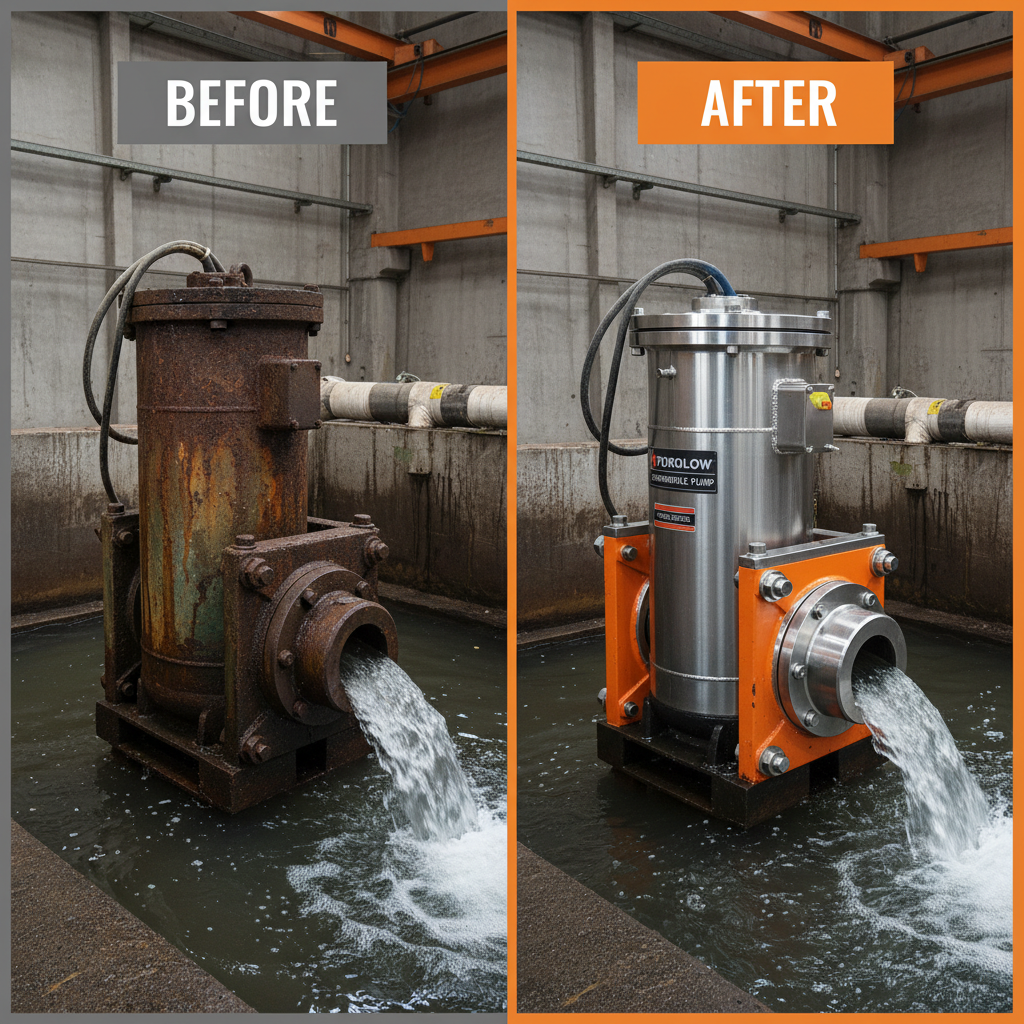 Understanding the Price Submersible Pump and Buyer GuideWhen searching for the ideal water management solution, understanding the price submersible pump options is crucial for balancing budget with performance. Whether you are dealing with a flooded basement, managing agricultural irrigation, or extracting water from a deep well, the cost of a submersible pump can vary significantly based on its build quality and capacity. Investing in a high-quality pump ensures long-term reliability and reduces the frequency of expensive replacements. In this guide, we will break down the factors that influence pricing and help you make an informed decision for your specific needs.Detail
 -
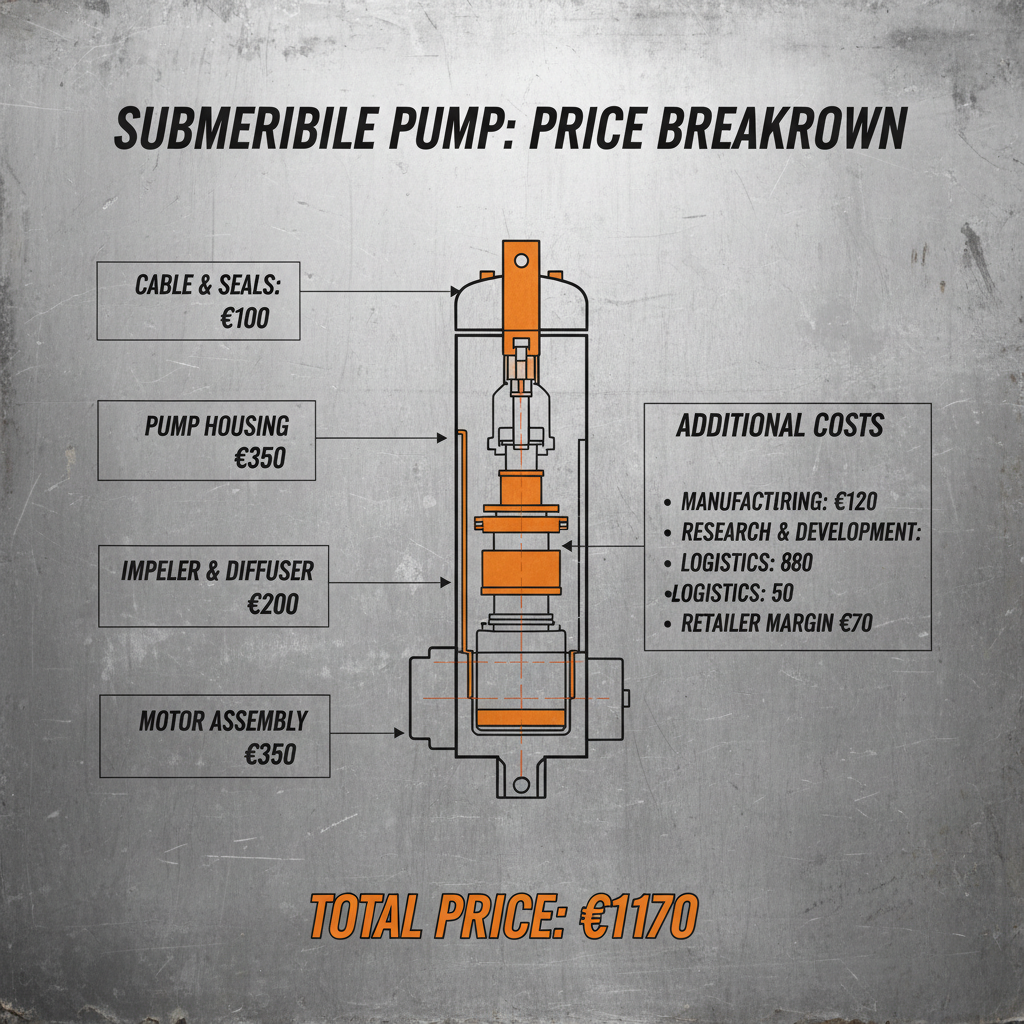 Factors Affecting the Price for Submersible Pump a Buyers GuideWhen investing in water management systems, understanding the price for submersible pump options is essential for balancing performance with budget. Whether you are managing a residential well, an industrial drainage project, or agricultural irrigation, the cost of a pump is rarely a flat fee; it is a reflection of the engineering, materials, and capacity required for your specific environment. In this guide, we will break down the factors that influence pricing and help you determine the best value for your investment to ensure long-term reliability and efficiency.Detail
 -
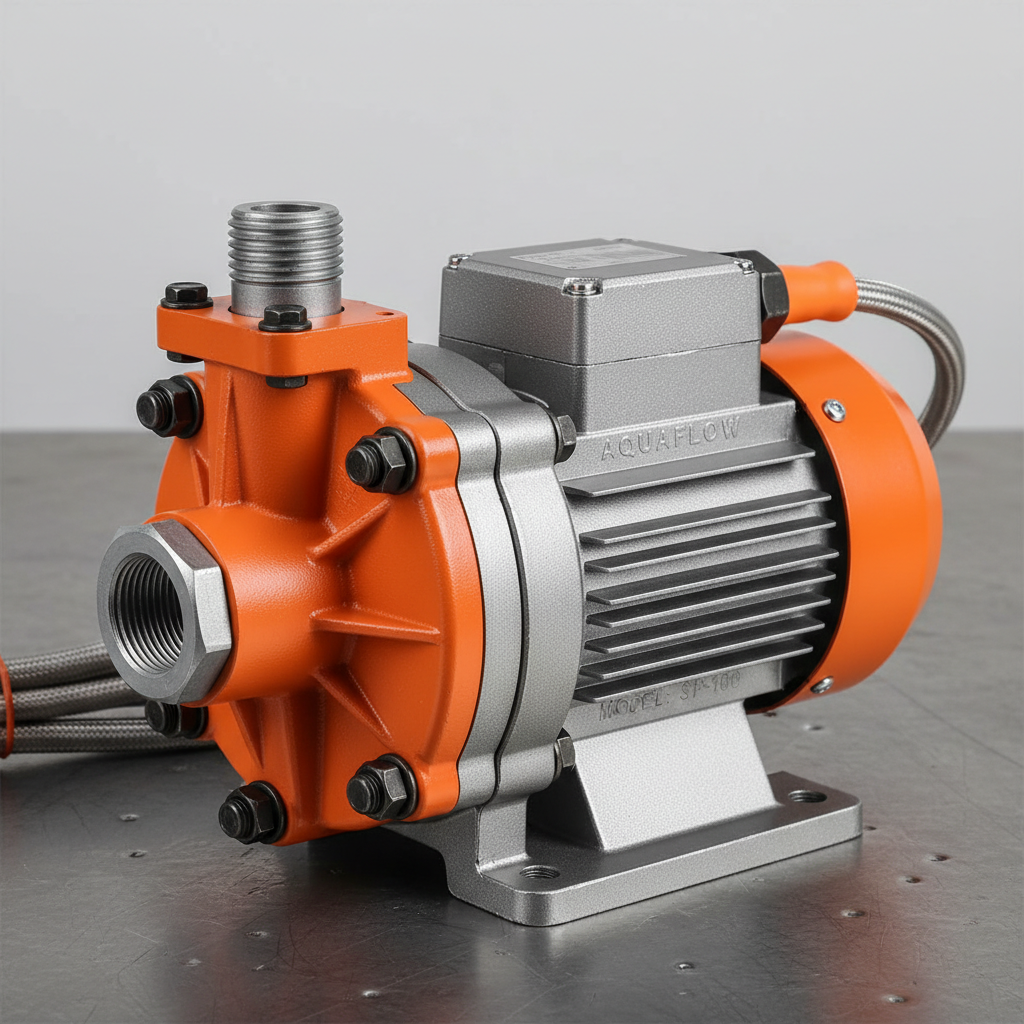 Choosing the Right Mini Submersible Fountain Pump for Optimal Water Feature PerformanceCreating a beautiful and relaxing water feature doesn't have to be complicated. A mini submersible fountain pump is the heart of any indoor or outdoor fountain, and selecting the right one is crucial for optimal performance and longevity. This article will guide you through the key considerations when choosing a mini submersible fountain pump, covering types, features, applications, and how to ensure you get the perfect pump for your project. We’ll also explore how Wellpumpact can provide you with the ideal solution.Detail
 Afrikaans
 Albanian
 Amharic
 Arabic
 Armenian
 Azerbaijani
 Basque
 Belarusian
 Bengali
 Bosnian
 Bulgarian
 Catalan
 Cebuano
 Corsican
 Croatian
 Czech
Czech
 Danish
 Dutch
Dutch
 Esperanto
 Estonian
 Finnish
 French
 Frisian
 Galician
 Georgian
 German
 Greek
Greek
 Gujarati
 Haitian Creole
 Hausa
Hausa
 Hawaiian
 Hebrew
 Hindi
Hindi
 Miao
Miao
 Hungarian
 Icelandic
 Igbo
Igbo
 Indonesian
 Irish
Irish
 Italian
 Japanese
 Javanese
 Kannada
 Kazakh
 Khmer
Khmer
 Rwandese
 Korean
 Kurdish
 Kyrgyz
 Lao
Lao
 Latin
Latin
 Latvian
 Lithuanian
 Luxembourgish
 Macedonian
 Malgashi
 Malay
Malay
 Malayalam
 Maltese
 Maori
Maori
 Marathi
 Mongolian
 Myanmar
 Nepali
 Norwegian
 Norwegian
 Occitan
 Pashto
 Persian
 Polish
 Portuguese
 Punjabi
 Romanian
 Russian
 Samoan
 Scottish Gaelic
 Serbian
 Sesotho
 Shona
Shona
 Sindhi
 Sinhala
 Slovak
 Slovenian
 Somali
 Spanish
 Sundanese
 Swahili
 Swedish
 Tagalog
 Tajik
Tajik
 Tamil
Tamil
 Tatar
Tatar
 Telugu
 Thai
Thai
 Turkish
 Turkmen
 Ukrainian
 Urdu
Urdu
 Uighur
 Uzbek
Uzbek
 Vietnamese
 Welsh
Welsh
 Bantu
Bantu
 Yiddish
 Yoruba
 Zulu
Zulu
 English