
Feb . 27, 2026 02:05 Back to list
Choosing the Right 1hp Submersible Water Pump for Optimal Performance
Choosing the Right 1hp Submersible Water Pump for Your Needs
Selecting a 1hp submersible water pump can be a daunting task, given the vast array of options available. These pumps are vital for a multitude of applications, from draining flooded basements and construction sites to supplying water for irrigation and livestock. This comprehensive guide will delve into the critical factors to consider when choosing the perfect pump for your specific needs, ensuring optimal performance and longevity. Understanding the nuances of these pumps can save you time, money, and frustration in the long run.
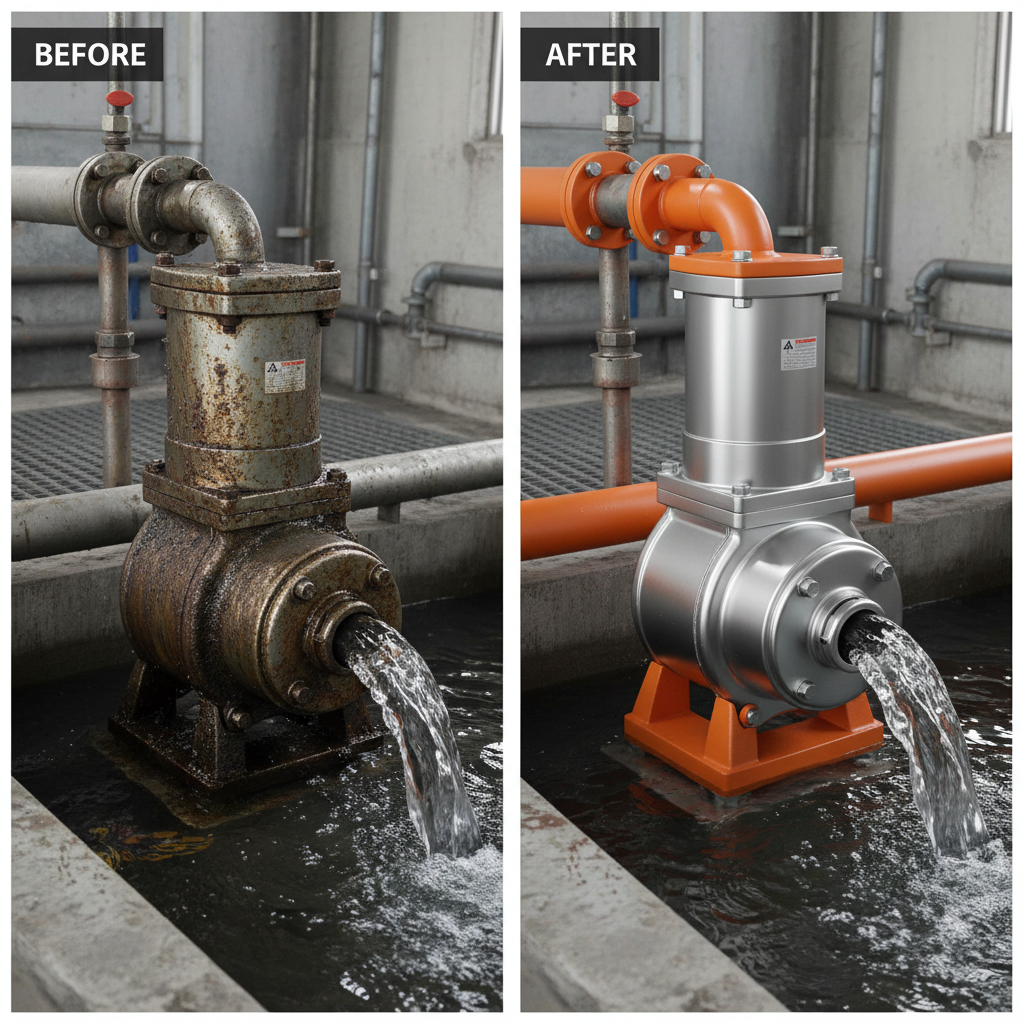
Understanding 1hp Submersible Water Pump Applications
1hp submersible pumps are incredibly versatile. Common applications include residential water well systems (drawing water from wells), dewatering construction sites (removing accumulated water), draining basements (following flooding), irrigation (supplying water to crops and gardens), and livestock watering (providing clean water sources). The “submersible” aspect means the pump is designed to be fully immersed in water, allowing for efficient and quiet operation. Choosing the right pump for your application directly impacts its lifespan and performance. For example, a pump designed for clean water might quickly become damaged if used for heavily sedimented water.
Key Takeaway: Matching the pump's intended use to its specifications is vital for longevity and efficient operation. Always consider the water source and the nature of the liquid being pumped.
Key Features to Consider in a 1hp Submersible Water Pump
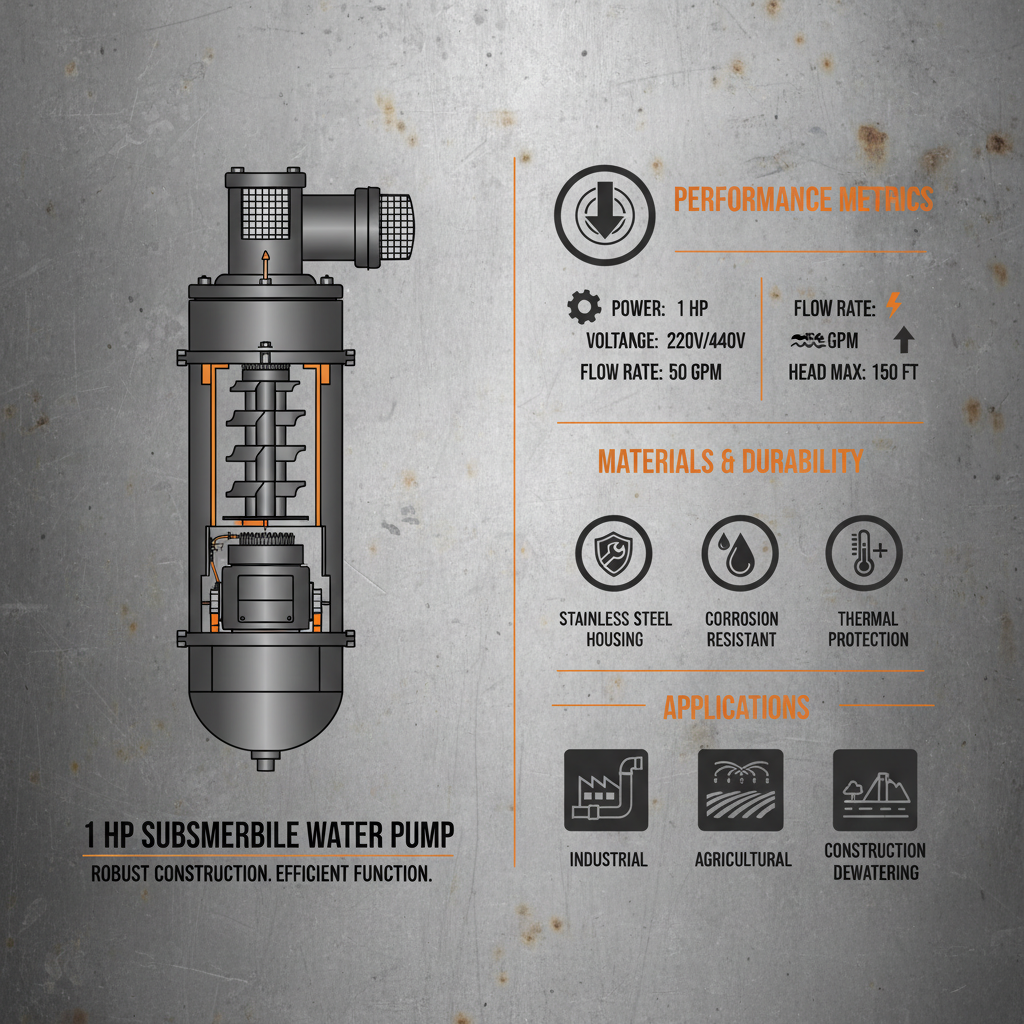
When evaluating 1hp submersible water pumps, several key features demand attention. Flow Rate (GPM) – crucial for determining how quickly the pump can move water. Head (Feet) – indicates the maximum height the pump can lift water. Solid Handling Capacity – essential if the water contains debris or sediment. Motor Protection – features like thermal overload protection prevent motor burnout. Construction Materials – stainless steel or durable plastic are preferred for corrosion resistance. Finally, consider the power source – typically 120V or 240V.
Important Features Checklist:
• Flow Rate (GPM)
• Head (Feet)
• Solid Handling Capacity
• Motor Protection
• Construction Materials
Comparing Popular 1hp Submersible Water Pump Models
The market offers numerous 1hp submersible pump models. Here's a comparison of a few popular options, highlighting their strengths and weaknesses:
Proper Installation and Maintenance of Your Pump
Correct installation is paramount for the longevity of your 1hp submersible water pump. Always follow the manufacturer’s instructions. Ensure the pump is adequately supported and suspended to avoid stressing the discharge pipe. Regular maintenance includes cleaning the pump intake screen to prevent clogging, checking for leaks, and inspecting the power cord for damage. Periodically flushing the pump can also help remove sediment buildup. Ignoring these steps can lead to premature failure.
Safety Precautions When Working with Submersible Pumps
Safety should always be your top priority when working with electrical equipment. Always disconnect the power supply before performing any maintenance or repairs. Never handle a pump with wet hands. Use appropriate grounding techniques to prevent electrical shock. Ensure the pump is properly sealed and waterproofed before submersion. If you are unsure about any aspect of the installation or maintenance process, consult a qualified electrician.
Conclusion: Finding the Perfect 1hp Submersible Pump
Choosing the right 1hp submersible water pump requires careful consideration of your specific needs, application, and budget. By understanding the key features, comparing models, and prioritizing safety, you can ensure a reliable and efficient solution for years to come. Don't hesitate to explore the extensive range of pumps available at WellPumpAct to find the perfect fit for your project.
Frequently Asked Questions (FAQs)
What GPM (gallons per minute) do I need for a submersible pump?
The required GPM depends on your application. For basic drainage, 20-30 GPM might suffice. For irrigation, consider the water requirements of your plants and the size of the area. A larger area or higher water demand will necessitate a higher GPM. For well systems, the pump's GPM should match the well's recovery rate. It’s always better to slightly overestimate your GPM needs rather than underestimate, as a pump working too hard will have a shorter lifespan. Accurate assessment of your water needs is crucial for optimal performance and efficiency.
What does “head” mean in relation to a submersible pump?
"Head" refers to the maximum vertical height the pump can lift water. It’s measured in feet and includes both static head (the vertical distance from the pump to the discharge point) and friction head (the resistance to flow within the pipes). Selecting a pump with sufficient head is vital for ensuring water reaches its intended destination. If the head is insufficient, the pump will struggle and may not deliver adequate water flow.
Can a 1hp submersible pump be used in saltwater?
Generally, standard 1hp submersible pumps are not designed for continuous use in saltwater. Saltwater is highly corrosive and can quickly damage the pump's internal components. However, pumps specifically designed for saltwater applications, often constructed with stainless steel or specialized alloys, are available. Using the wrong type of pump can void the warranty and lead to rapid deterioration. Always check the manufacturer's specifications before using a pump in a saltwater environment.
How do I prevent my submersible pump from clogging?
Preventing clogging involves several steps. Use a pump intake screen to filter out large debris. Regularly clean the intake screen to remove accumulated sediment. If pumping from a source prone to debris, consider installing a pre-filter. Avoid running the pump dry, as this can cause sediment to accumulate. Periodically flushing the pump with clean water can also help dislodge any buildup. Choosing a pump with a higher solids handling capacity can also minimize clogging issues.
-
Understanding the Price Submersible Pump and Buyer Guide
NewsApr.16,2026
-
Factors Affecting the Price for Submersible Pump a Buyers Guide
NewsApr.09,2026
-
Choosing the Right Mini Submersible Fountain Pump for Optimal Water Feature Performance
NewsApr.07,2026
-
A Detailed Guide to Installing a Submersible Pump for Optimal Performance
NewsApr.04,2026
-
Comprehensive Guide on How to Test a Submersible Water Well Pump Effectively
NewsMar.31,2026
-
Learn How to Replace a Submersible Well Pump Safely and Effectively
NewsMar.28,2026
-
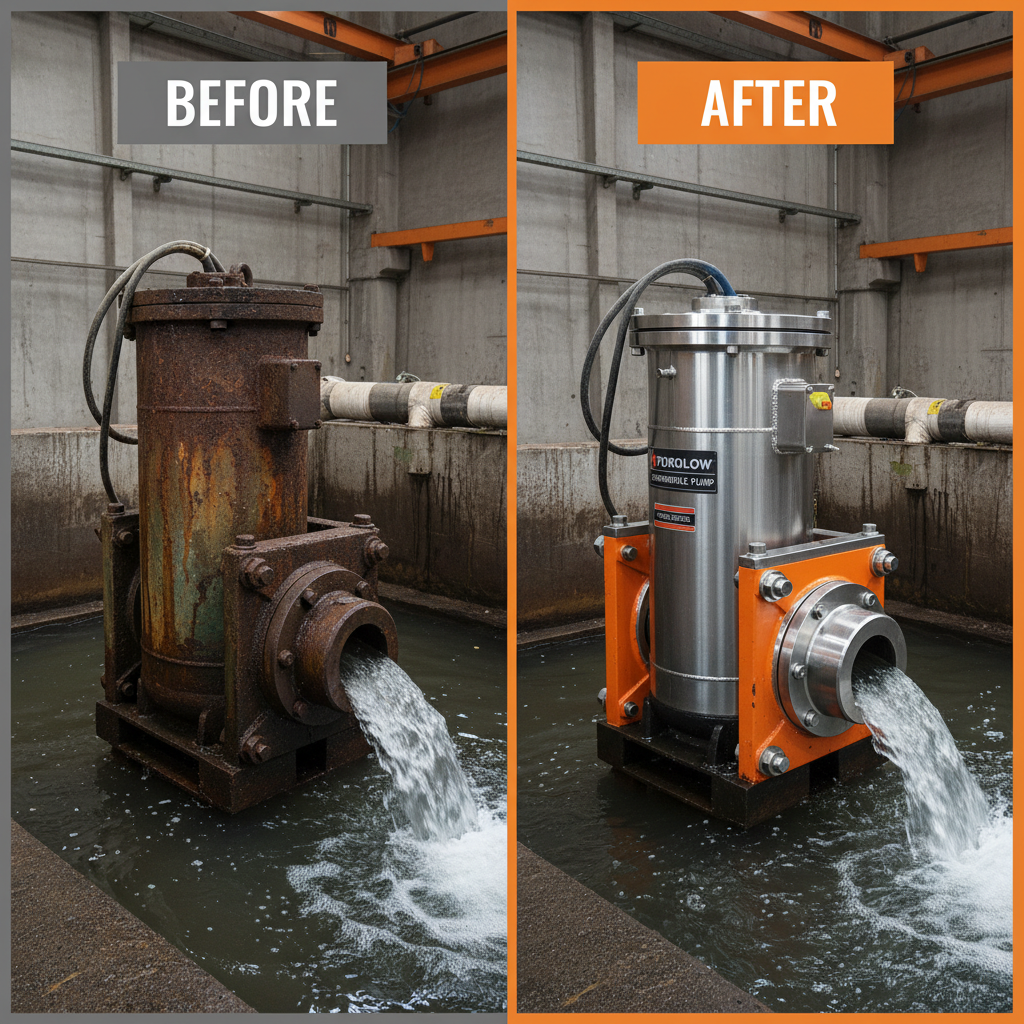 Understanding the Price Submersible Pump and Buyer GuideWhen searching for the ideal water management solution, understanding the price submersible pump options is crucial for balancing budget with performance. Whether you are dealing with a flooded basement, managing agricultural irrigation, or extracting water from a deep well, the cost of a submersible pump can vary significantly based on its build quality and capacity. Investing in a high-quality pump ensures long-term reliability and reduces the frequency of expensive replacements. In this guide, we will break down the factors that influence pricing and help you make an informed decision for your specific needs.Detail
 -
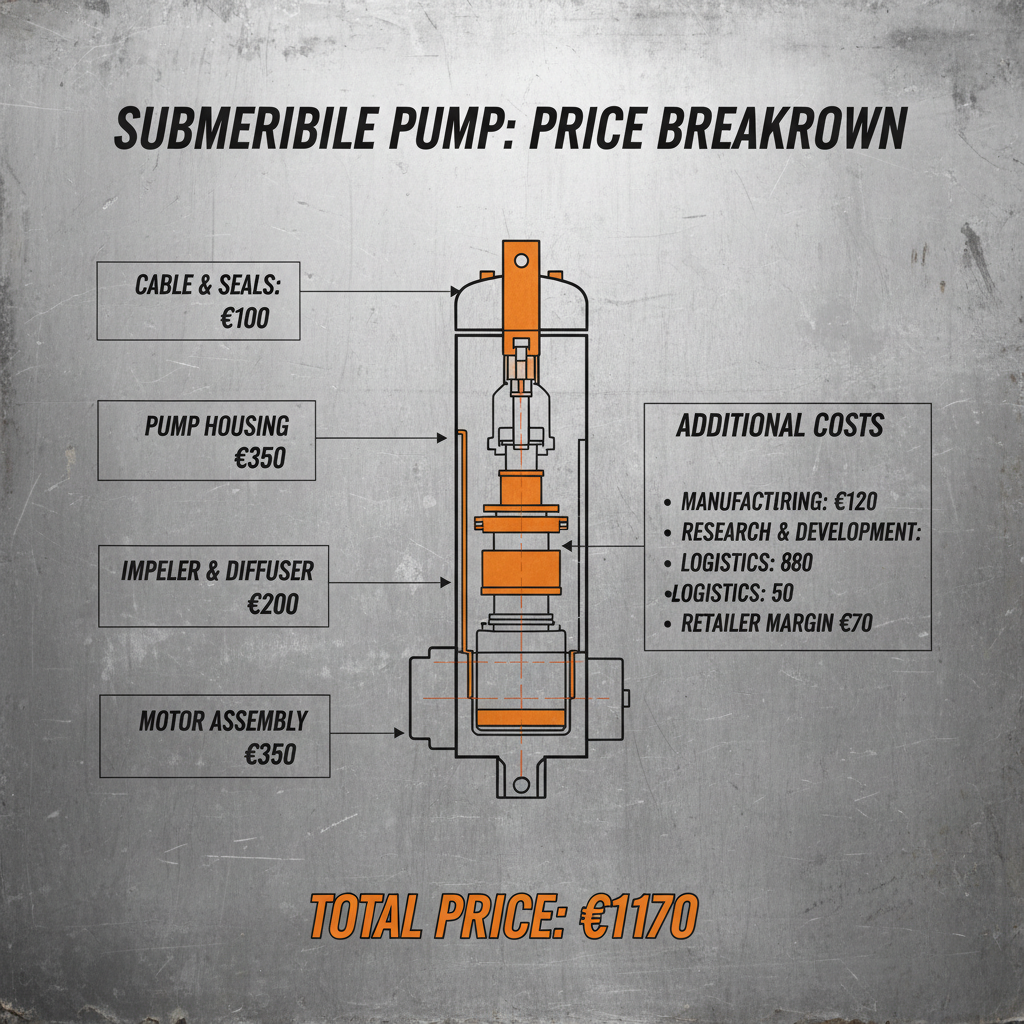 Factors Affecting the Price for Submersible Pump a Buyers GuideWhen investing in water management systems, understanding the price for submersible pump options is essential for balancing performance with budget. Whether you are managing a residential well, an industrial drainage project, or agricultural irrigation, the cost of a pump is rarely a flat fee; it is a reflection of the engineering, materials, and capacity required for your specific environment. In this guide, we will break down the factors that influence pricing and help you determine the best value for your investment to ensure long-term reliability and efficiency.Detail
 -
 Choosing the Right Mini Submersible Fountain Pump for Optimal Water Feature PerformanceCreating a beautiful and relaxing water feature doesn't have to be complicated. A mini submersible fountain pump is the heart of any indoor or outdoor fountain, and selecting the right one is crucial for optimal performance and longevity. This article will guide you through the key considerations when choosing a mini submersible fountain pump, covering types, features, applications, and how to ensure you get the perfect pump for your project. We’ll also explore how Wellpumpact can provide you with the ideal solution.Detail
 Afrikaans
 Albanian
 Amharic
 Arabic
 Armenian
 Azerbaijani
 Basque
 Belarusian
 Bengali
 Bosnian
 Bulgarian
 Catalan
 Cebuano
 Corsican
 Croatian
 Czech
Czech
 Danish
 Dutch
Dutch
 Esperanto
 Estonian
 Finnish
 French
 Frisian
 Galician
 Georgian
 German
 Greek
Greek
 Gujarati
 Haitian Creole
 Hausa
Hausa
 Hawaiian
 Hebrew
 Hindi
Hindi
 Miao
Miao
 Hungarian
 Icelandic
 Igbo
Igbo
 Indonesian
 Irish
Irish
 Italian
 Japanese
 Javanese
 Kannada
 Kazakh
 Khmer
Khmer
 Rwandese
 Korean
 Kurdish
 Kyrgyz
 Lao
Lao
 Latin
Latin
 Latvian
 Lithuanian
 Luxembourgish
 Macedonian
 Malgashi
 Malay
Malay
 Malayalam
 Maltese
 Maori
Maori
 Marathi
 Mongolian
 Myanmar
 Nepali
 Norwegian
 Norwegian
 Occitan
 Pashto
 Persian
 Polish
 Portuguese
 Punjabi
 Romanian
 Russian
 Samoan
 Scottish Gaelic
 Serbian
 Sesotho
 Shona
Shona
 Sindhi
 Sinhala
 Slovak
 Slovenian
 Somali
 Spanish
 Sundanese
 Swahili
 Swedish
 Tagalog
 Tajik
Tajik
 Tamil
Tamil
 Tatar
Tatar
 Telugu
 Thai
Thai
 Turkish
 Turkmen
 Ukrainian
 Urdu
Urdu
 Uighur
 Uzbek
Uzbek
 Vietnamese
 Welsh
Welsh
 Bantu
Bantu
 Yiddish
 Yoruba
 Zulu
Zulu
 English