
Mar . 14, 2026 02:15 Back to list
Choosing the Right Fountain Submersible Pump for Optimal Performance
Choosing the Right Fountain Submersible Pump: A Comprehensive Guide
Selecting the ideal fountain submersible pump is crucial for ensuring your fountain operates efficiently and reliably. With a vast range of options available, understanding the key factors – from flow rate and head height to power consumption and durability – is essential. This article will guide you through the process, providing valuable insights to help you make an informed decision. We’ll cover the different types of pumps, how to determine the right size for your fountain, and what to look for in terms of quality and features. Investing in the right pump will not only enhance the aesthetic appeal of your fountain but also minimize maintenance and prolong its lifespan.

Understanding Fountain Submersible Pump Types
Fountain pumps generally fall into a few key categories, each suited to different fountain sizes and applications. Magnetic drive pumps are popular for smaller fountains due to their quiet operation and energy efficiency. They utilize magnetic coupling to drive the impeller, eliminating the need for a traditional shaft seal, which reduces the risk of leaks. Direct drive pumps, more powerful and robust, are ideal for larger fountains and those requiring higher flow rates. These pumps use a direct connection between the motor and impeller. Finally, there are external pumps, which sit outside the fountain basin and pump water through tubing. Choosing the right type depends on your specific needs and the size of your fountain.
Key Highlights: Magnetic drive pumps offer quiet operation and energy efficiency, while direct drive pumps provide more power for larger fountains.
Determining the Right Pump Size: Flow Rate and Head Height
Two critical factors determine the appropriate size of your fountain submersible pump: flow rate and head height. Flow rate, measured in gallons per hour (GPH), dictates how much water the pump can move. Head height, measured in feet, represents the maximum height the pump can lift the water. To calculate the required flow rate, consider the fountain's volume and the desired water flow. Head height needs to account for the fountain’s highest point and any pipe friction. Underestimating either factor can result in a weak water display or an inefficiently operating fountain.
Flow Rate & Head Height Considerations:
• Higher GPH = Stronger Water Flow
• Higher Head Height = Ability to Pump Water Higher
• Account for Pipe Friction & Fountain Volume
Comparing Popular Fountain Submersible Pump Models
Different brands and models offer varying features and performance characteristics. Here’s a comparison of a few popular options available at Wellpumpact:
Factors Affecting Pump Longevity & Maintenance
Extending the lifespan of your fountain submersible pump requires regular maintenance. Keeping the pump clean is paramount. Debris like leaves, algae, and sediment can clog the impeller and reduce efficiency. Periodic cleaning involves disconnecting the pump, disassembling it according to the manufacturer's instructions, and removing any obstructions. Also, ensure the pump is adequately protected from freezing temperatures, as ice formation can cause damage. Regularly inspect the power cord for wear and tear, and replace it if necessary.
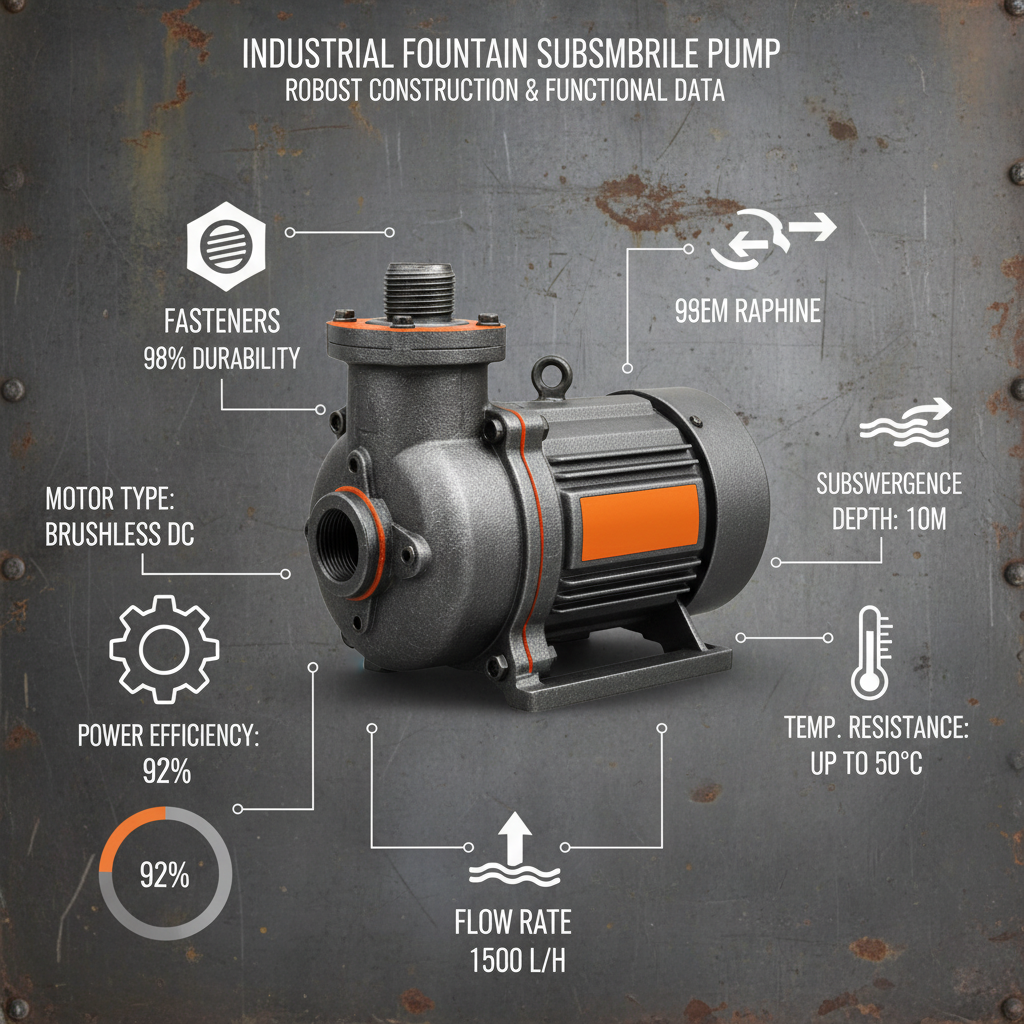
Choosing the Right Pump: A Summary
Selecting the right fountain submersible pump doesn't have to be overwhelming. Consider the size of your fountain, the desired water flow, the head height requirements, and the pump's energy efficiency. Regular maintenance, including cleaning and protection from the elements, will ensure years of reliable operation. Wellpumpact offers a wide selection of high-quality pumps to suit any fountain application.
Conclusion: Invest in Quality for a Stunning Fountain Display
Investing in a quality fountain submersible pump from a reputable supplier like Wellpumpact ensures long-lasting performance and a beautiful fountain display. By carefully considering your fountain’s needs and prioritizing regular maintenance, you can enjoy years of worry-free operation. Don't compromise on quality – choose a pump that’s built to last.
Frequently Asked Questions (FAQs)
What is the ideal flow rate for a small indoor fountain?
For a small indoor fountain, a flow rate between 100-300 GPH is typically sufficient. The exact requirement depends on the fountain’s design and the desired water display. A lower flow rate creates a gentle trickle, while a higher flow rate produces a more dramatic cascade. It's best to start with a lower flow rate and gradually increase it until you achieve the desired effect. Consider the fountain’s basin size to avoid overflow.
How often should I clean my fountain pump?
The frequency of cleaning depends on the fountain’s environment and water quality. However, as a general rule, you should clean your fountain pump every 1-3 months. If the fountain is located outdoors or in an area with a lot of debris, you may need to clean it more frequently. Regular cleaning prevents clogs and ensures optimal performance.
Can I use tap water in my fountain?
While you can use tap water, it’s not ideal. Tap water contains minerals and chemicals that can lead to scale buildup on the pump and fountain surfaces. This scale can reduce the pump’s efficiency and eventually cause it to fail. It’s recommended to use distilled or deionized water to minimize scale buildup. If you must use tap water, consider using a fountain water treatment product to help prevent scaling.
What should I do if my fountain pump is making a loud noise?
A loud noise from your fountain pump often indicates a blockage or cavitation. First, disconnect the pump and inspect the impeller for debris. Clean the impeller thoroughly. If the noise persists, the pump may be experiencing cavitation, which is caused by air bubbles forming and collapsing within the pump. Ensure the pump is fully submerged and that the water level is adequate. If the noise continues, the pump may be damaged and require replacement.
-
Understanding the Price Submersible Pump and Buyer Guide
NewsApr.16,2026
-
Factors Affecting the Price for Submersible Pump a Buyers Guide
NewsApr.09,2026
-
Choosing the Right Mini Submersible Fountain Pump for Optimal Water Feature Performance
NewsApr.07,2026
-
A Detailed Guide to Installing a Submersible Pump for Optimal Performance
NewsApr.04,2026
-
Comprehensive Guide on How to Test a Submersible Water Well Pump Effectively
NewsMar.31,2026
-
Learn How to Replace a Submersible Well Pump Safely and Effectively
NewsMar.28,2026
-
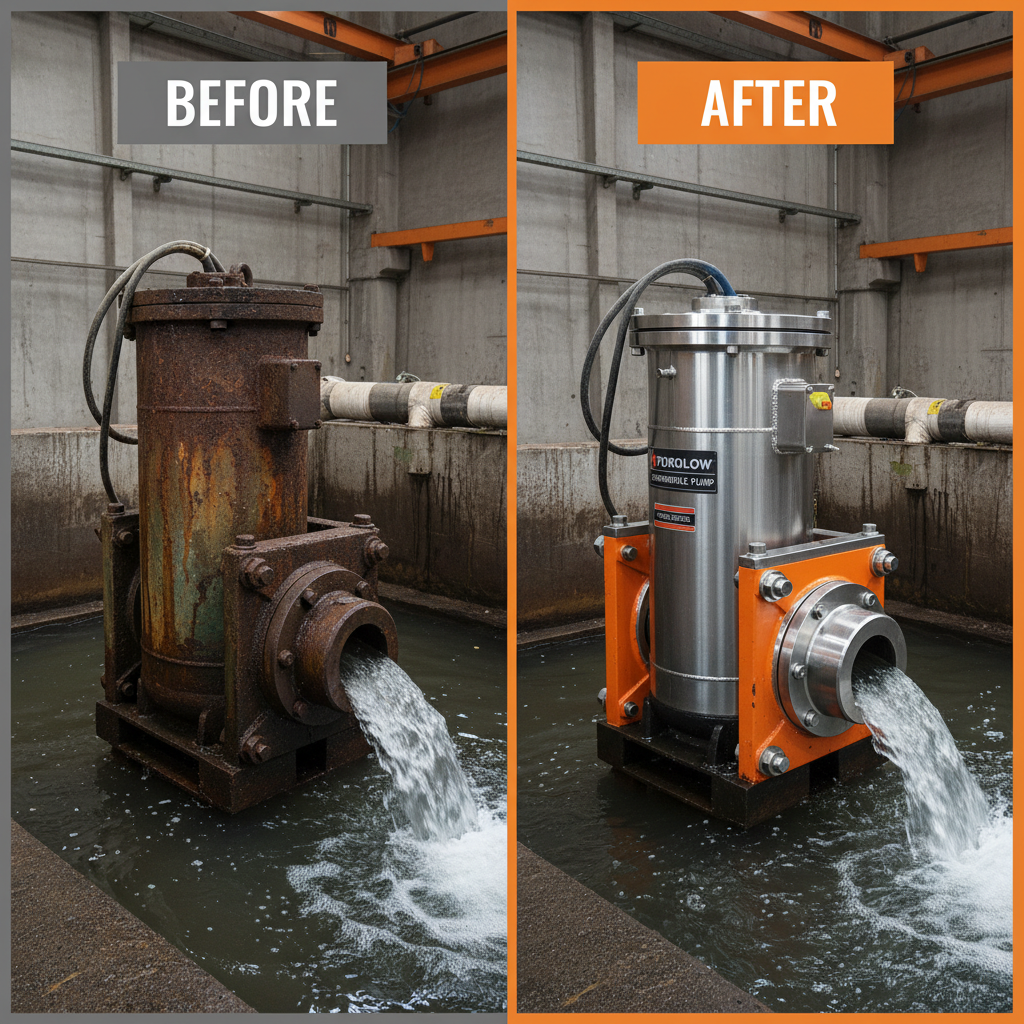 Understanding the Price Submersible Pump and Buyer GuideWhen searching for the ideal water management solution, understanding the price submersible pump options is crucial for balancing budget with performance. Whether you are dealing with a flooded basement, managing agricultural irrigation, or extracting water from a deep well, the cost of a submersible pump can vary significantly based on its build quality and capacity. Investing in a high-quality pump ensures long-term reliability and reduces the frequency of expensive replacements. In this guide, we will break down the factors that influence pricing and help you make an informed decision for your specific needs.Detail
 -
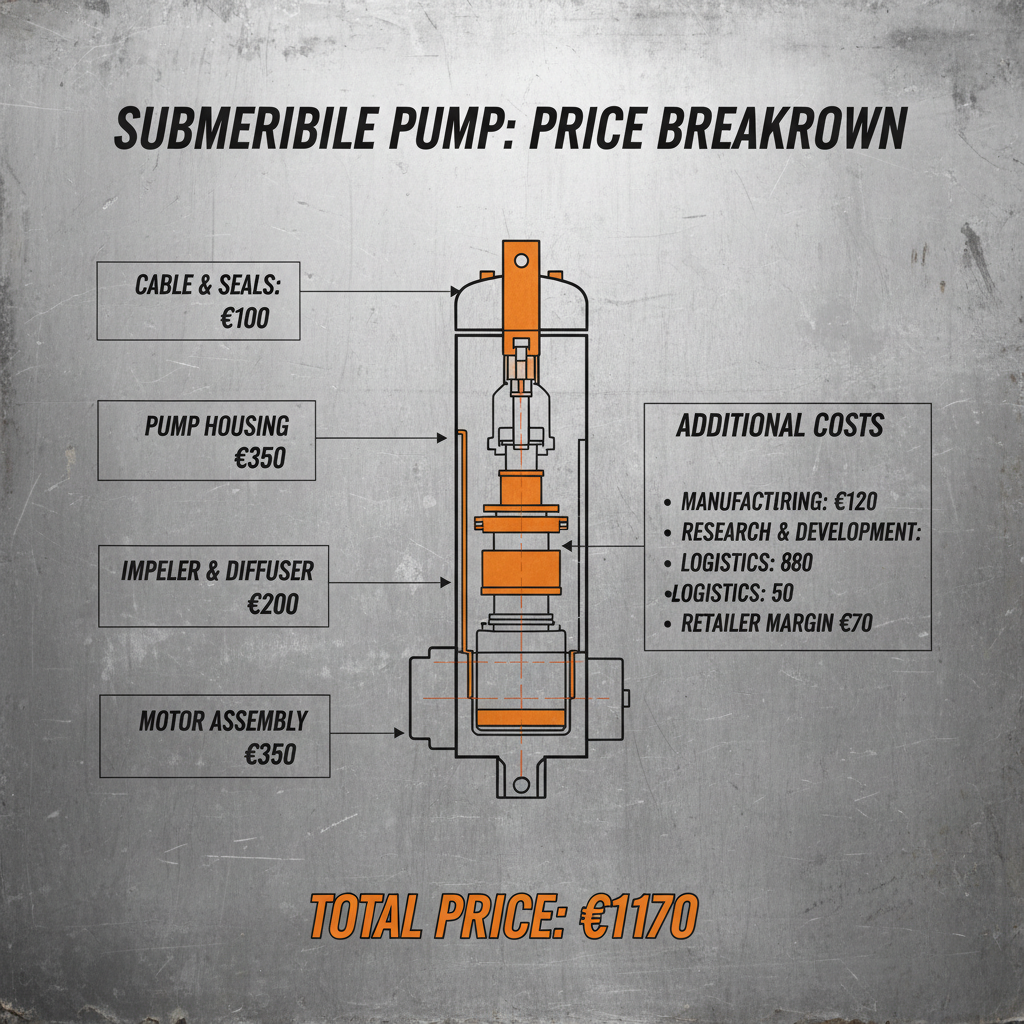 Factors Affecting the Price for Submersible Pump a Buyers GuideWhen investing in water management systems, understanding the price for submersible pump options is essential for balancing performance with budget. Whether you are managing a residential well, an industrial drainage project, or agricultural irrigation, the cost of a pump is rarely a flat fee; it is a reflection of the engineering, materials, and capacity required for your specific environment. In this guide, we will break down the factors that influence pricing and help you determine the best value for your investment to ensure long-term reliability and efficiency.Detail
 -
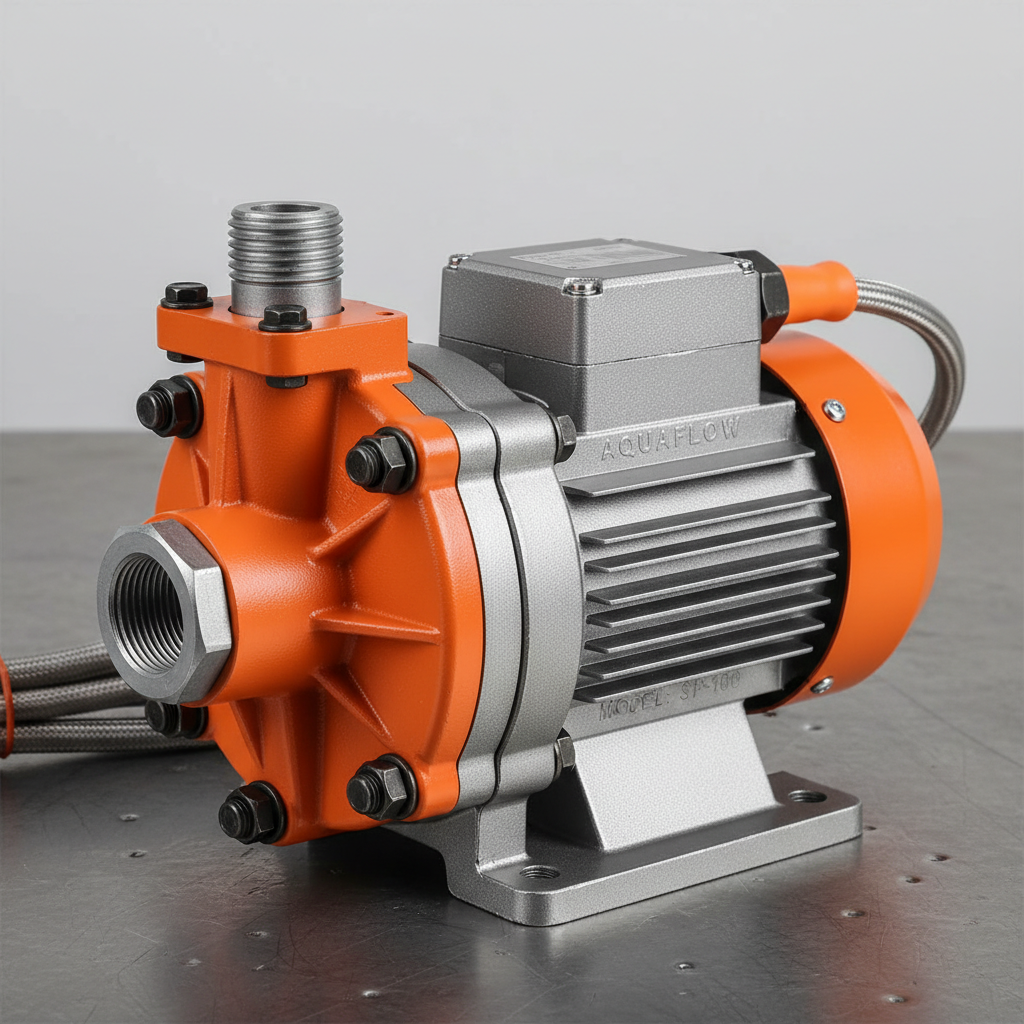 Choosing the Right Mini Submersible Fountain Pump for Optimal Water Feature PerformanceCreating a beautiful and relaxing water feature doesn't have to be complicated. A mini submersible fountain pump is the heart of any indoor or outdoor fountain, and selecting the right one is crucial for optimal performance and longevity. This article will guide you through the key considerations when choosing a mini submersible fountain pump, covering types, features, applications, and how to ensure you get the perfect pump for your project. We’ll also explore how Wellpumpact can provide you with the ideal solution.Detail
 Afrikaans
 Albanian
 Amharic
 Arabic
 Armenian
 Azerbaijani
 Basque
 Belarusian
 Bengali
 Bosnian
 Bulgarian
 Catalan
 Cebuano
 Corsican
 Croatian
 Czech
Czech
 Danish
 Dutch
Dutch
 Esperanto
 Estonian
 Finnish
 French
 Frisian
 Galician
 Georgian
 German
 Greek
Greek
 Gujarati
 Haitian Creole
 Hausa
Hausa
 Hawaiian
 Hebrew
 Hindi
Hindi
 Miao
Miao
 Hungarian
 Icelandic
 Igbo
Igbo
 Indonesian
 Irish
Irish
 Italian
 Japanese
 Javanese
 Kannada
 Kazakh
 Khmer
Khmer
 Rwandese
 Korean
 Kurdish
 Kyrgyz
 Lao
Lao
 Latin
Latin
 Latvian
 Lithuanian
 Luxembourgish
 Macedonian
 Malgashi
 Malay
Malay
 Malayalam
 Maltese
 Maori
Maori
 Marathi
 Mongolian
 Myanmar
 Nepali
 Norwegian
 Norwegian
 Occitan
 Pashto
 Persian
 Polish
 Portuguese
 Punjabi
 Romanian
 Russian
 Samoan
 Scottish Gaelic
 Serbian
 Sesotho
 Shona
Shona
 Sindhi
 Sinhala
 Slovak
 Slovenian
 Somali
 Spanish
 Sundanese
 Swahili
 Swedish
 Tagalog
 Tajik
Tajik
 Tamil
Tamil
 Tatar
Tatar
 Telugu
 Thai
Thai
 Turkish
 Turkmen
 Ukrainian
 Urdu
Urdu
 Uighur
 Uzbek
Uzbek
 Vietnamese
 Welsh
Welsh
 Bantu
Bantu
 Yiddish
 Yoruba
 Zulu
Zulu
 English