
Dec . 01, 2025 19:15 Back to list
Comprehensive Guide to 110 Well Pumps: Global Impact, Specifications & Future Trends
Understanding the 110 Well Pump and Its Growing Importance Worldwide
If you’ve ever come across the term 110 well pump in water management or industrial contexts, you might wonder why this specific technology seems to gain traction across diverse global sectors. Simply put, a 110 well pump is a versatile, reliable water pumping solution designed mainly for wells with a particular sizing standard (often tied to 110 mm pipe diameter specifications). These pumps serve as a vital link in providing clean and accessible water, especially in remote, agricultural, and emergency relief settings.
Globally, over two billion people lack safe drinking water at home, according to the World Health Organization (WHO) (1). Devices like the 110 well pump help bridge this critical gap by enabling sustainable groundwater access. Whether it’s for irrigation in drought-prone regions or powering water supply systems in rural communities, understanding the nuances and benefits of 110 well pumps can be a game-changer for engineers, humanitarian planners, and environmentalists alike.
The Global Context: Why 110 Well Pumps Matter More Than Ever
Water scarcity is arguably one of the defining challenges of the 21st century. From sub-Saharan Africa to parts of South Asia and even certain areas in Europe, readily available, clean groundwater remains a hurdle. According to the United Nations' Sustainable Development Goals report (2), nearly 4 billion people face severe water scarcity at least one month annually.
Here’s where the 110 well pump steps in. Unlike traditional pumps, which often struggle with variable well diameters or inefficient power consumption, the 110 well pump strikes a sweet balance of adaptability, cost, and durability. Its wide use across domestic, agricultural, and industrial setups attests to how well it meets localized challenges — including fluctuating water tables and the need for clean, dependable water sources.
Plus, with the increasing move towards sustainable, energy-efficient technologies, the 110 well pump’s compatibility with solar and alternative energy sources makes it a frontrunner in many development projects.
What Is a 110 Well Pump? Breaking It Down
The “110” in 110 well pump typically refers to the nominal diameter (110 mm) of the well casing or pipe it fits within. It’s a submersible or surface pump designed to lift groundwater from wells built to this standardized size. These pumps are engineered to handle varying depths and water pressures effectively.
In simpler terms, think of it as the “right-sized” pump for a specific type of well tubing, ensuring an efficient seal, smooth installation, and reliable output. Unlike generic or mismatched pumps that might cause leakage or mechanical stress, 110 well pumps slot in perfectly — saving costs, downtime, and headaches.
But beyond technical sizing, these pumps are increasingly connected to larger humanitarian efforts — providing clean water in disaster relief, supporting irrigation in water-stressed regions, and even assisting small industries by stabilizing their water supply. It’s kind of fascinating how one technical detail — the “110” measurement — links technical precision with real-world impact.
Core Components & Key Features of the 110 Well Pump
1. Durability & Construction
Most 110 well pumps are built with corrosion-resistant stainless steel or heavy-duty plastics designed to survive harsh underground conditions. This means a long operational life, often well beyond a decade, depending on usage.
2. Energy Efficiency
They are optimized to run on low energy inputs and often compatible with solar power, helping reduce operational costs and carbon footprint — a crucial factor in off-grid regions.
3. Flow Rate & Pressure Management
110 well pumps can vary flow rates typically between 3,000 to 20,000 liters per hour, capable of servicing anything from small-scale domestic use to mid-sized irrigation systems.
4. Ease of Maintenance
Technicians appreciate the modular design that allows straightforward servicing without digging up the entire well or pulling out complex machinery.
5. Cost Efficiency
With a combination of affordable parts and robust design, many operators find that 110 well pumps offer great value for initial investment and ongoing maintenance.
| Specification | Value |
|---|---|
| Pump Diameter | 110 mm |
| Material | Stainless Steel / HDPE |
| Max Flow Rate | 20,000 L/hr |
| Power Source | Electric, Solar-ready |
| Suitable Well Depth | Up to 50 meters |
| Warranty | 3 years |
Where Do These Pumps Get Put to Work? Real-Life Scenarios
The flexibility of the 110 well pump translates into a wide range of uses across continents and industries.
- Agriculture: In India’s vast rural rice paddies, 110 well pumps power irrigation, ensuring reliable crop yields despite erratic monsoons.
- Disaster Relief: After hurricanes or earthquakes in Central America, NGOs deploy these pumps to quickly restore clean water access for displaced communities.
- Remote Industrial Sites: Mining operations in Australia use 110 well pumps to supply water for processing and dust suppression.
- Urban Water Systems: Parts of Europe retrofitting aging infrastructure often use this size pump for smaller wells and underground reservoirs.
In fact, one NGO in East Africa reflected that switching to 110 well pumps cut their maintenance trips by half, improving both efficiency and community trust. It’s a small example but speaks volumes about the usability of the tech.
Why Choosing a 110 Well Pump Makes Long-Term Sense
When weighing solutions, the advantages of 110 well pumps stand out:
- Reliability: A pump that doesn’t break down frequently saves emergency fixes and frustration.
- Sustainability: Solar compatibility and energy efficiency reduce environmental impact.
- Cost Savings: Affordable materials and long lifespans cut total cost of ownership.
- Social Impact: Ensuring clean water promotes health, dignity, and economic development.
- Innovation Edge: Their modularity makes them ready for smart monitoring systems or remote controls in digital water management.
All told, they help organizations and communities feel secure about their water future — not a trivial emotion when water means life.
Looking Ahead: Future Trends in 110 Well Pumps
The next generation of 110 well pumps may include:
- Advanced Materials: Graphene coatings and composites could improve corrosion resistance and weight.
- Digital Integration: IoT-enabled pumps that self-monitor performance and signal for preventive maintenance.
- Energy Innovations: Hybrid solar-grid systems paired with energy storage making wells operate 24/7.
- Environmental Compliance: Designs conforming to stricter ISO water handling and safety standards.
Engineering firms and humanitarian agencies alike are investing millions into R&D, signaling strong confidence in these pumps’ role in water security.
Overcoming Challenges: What Still Needs Work?
Despite their positives, 110 well pumps face hurdles such as:
- Installation Complexity: Some wells require skilled labor for proper fitting, which isn’t always locally available.
- Power Supply Issues: In very remote zones, inconsistent power (even solar) can disrupt function.
- Material Supply Chains: A luxury item in some low-income countries where corrosion-resistant parts are expensive or scarce.
Innovative training programs, localized manufacturing, and solar microgrids are among the most promising solutions to these challenges. NGO partnerships and government investments help, too.
Vendor Comparison: Making Sense of Your 110 Well Pump Options
| Vendor | Price | Warranty | Special Features | Region Served |
|---|---|---|---|---|
| AquaPump Co. | $450 - $600 | 3 years | Corrosion-resistant coating, solar compatible | Global |
| WellWorks Ltd. | $400 - $550 | 2 years | Lightweight design, modular parts | Africa, Asia |
| HydroTech Solutions | $475 - $625 | 5 years | IoT-enabled, self-diagnostic system | North America, Europe |
FAQ: Your Top Questions About 110 Well Pumps Answered
Q1: How do I know if a 110 well pump is compatible with my existing well?
Typically, the 110 well pump is designed for wells with a casing diameter of 110 mm. If your well matches this size, the pump should fit neatly. For different well sizes, consult the manufacturer's specifications or get a professional assessment to avoid leaks or inefficiency.
Q2: Can a 110 well pump operate on solar power?
Yes! Many models are rated for solar compatibility or come as solar-ready versions. You’ll need a compatible solar panel array and controller to ensure consistent power, especially if the water demand is high or during cloudy days.
Q3: What’s the expected lifespan of a 110 well pump?
With proper maintenance, these pumps can last anywhere from 7 to 15 years. Factors like water quality, installation quality, and power consistency play a role in longevity.
Q4: Can these pumps handle sandy or silty water?
Some 110 well pumps are designed with abrasive-resistant parts to cope with sandy or silty conditions, but it’s best to check product specs. Using pre-filters can also extend the pump’s life in such environments.
Q5: Are local technicians usually trained to service 110 well pumps?
It depends on the region. In areas where these pumps are common, technicians typically have the skills. Where not, manufacturers or NGOs sometimes provide training programs to build local capacity.
Wrapping Up: The Enduring Value of the 110 Well Pump
So, what’s the big takeaway? The 110 well pump isn’t just a piece of machinery — it’s a practical solution that helps millions access clean water, supports agriculture, powers industries, and enhances disaster resilience.
If you’re considering solutions for your water needs, the robust versatility, cost-efficiency, and future-proof innovations in the 110 well pump space make it worth a close look. Curious to explore more? Visit our official 110 well pump resource for detailed product guides, vendor options, and expert advice.
Water may well be the next frontier of global cooperation — and the 110 well pump is quietly helping pave the way.
References
-
Understanding the Price Submersible Pump and Buyer Guide
NewsApr.16,2026
-
Factors Affecting the Price for Submersible Pump a Buyers Guide
NewsApr.09,2026
-
Choosing the Right Mini Submersible Fountain Pump for Optimal Water Feature Performance
NewsApr.07,2026
-
A Detailed Guide to Installing a Submersible Pump for Optimal Performance
NewsApr.04,2026
-
Comprehensive Guide on How to Test a Submersible Water Well Pump Effectively
NewsMar.31,2026
-
Learn How to Replace a Submersible Well Pump Safely and Effectively
NewsMar.28,2026
-
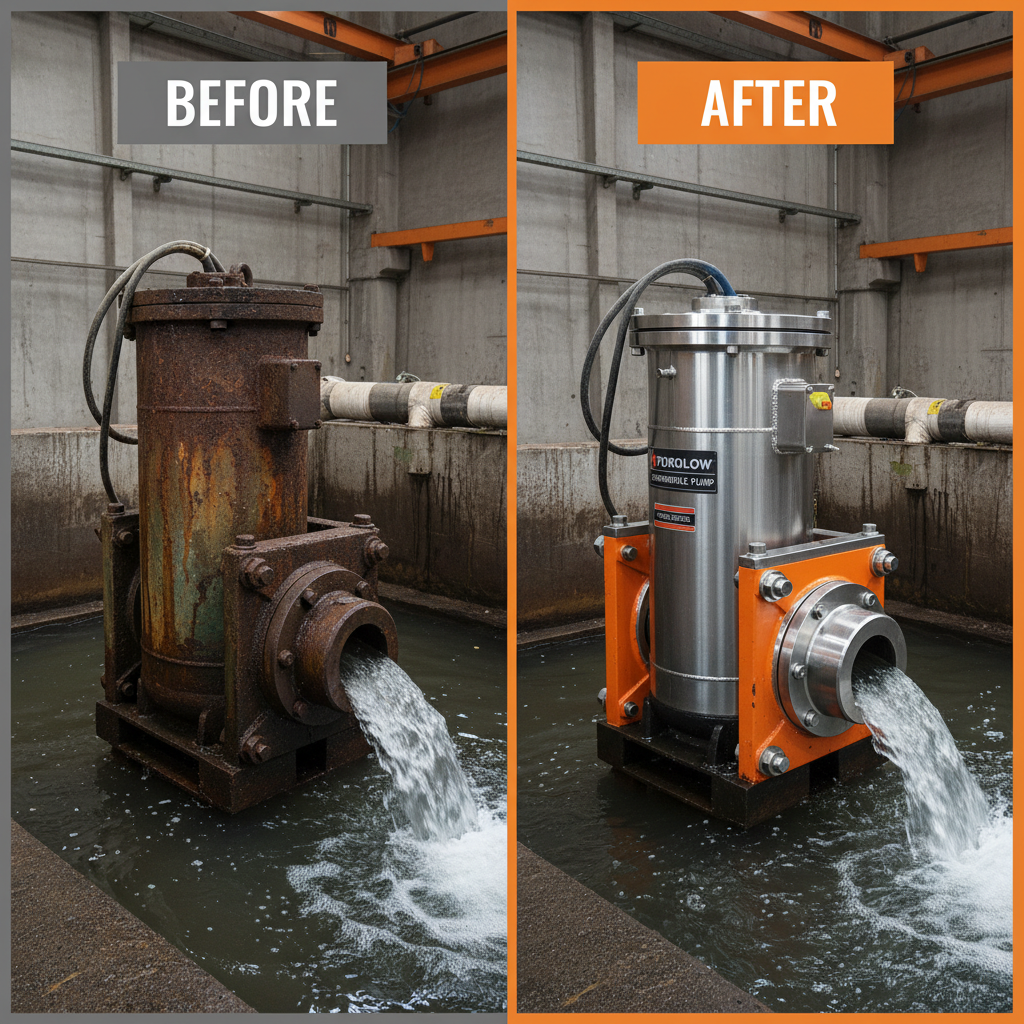 Understanding the Price Submersible Pump and Buyer GuideWhen searching for the ideal water management solution, understanding the price submersible pump options is crucial for balancing budget with performance. Whether you are dealing with a flooded basement, managing agricultural irrigation, or extracting water from a deep well, the cost of a submersible pump can vary significantly based on its build quality and capacity. Investing in a high-quality pump ensures long-term reliability and reduces the frequency of expensive replacements. In this guide, we will break down the factors that influence pricing and help you make an informed decision for your specific needs.Detail
 -
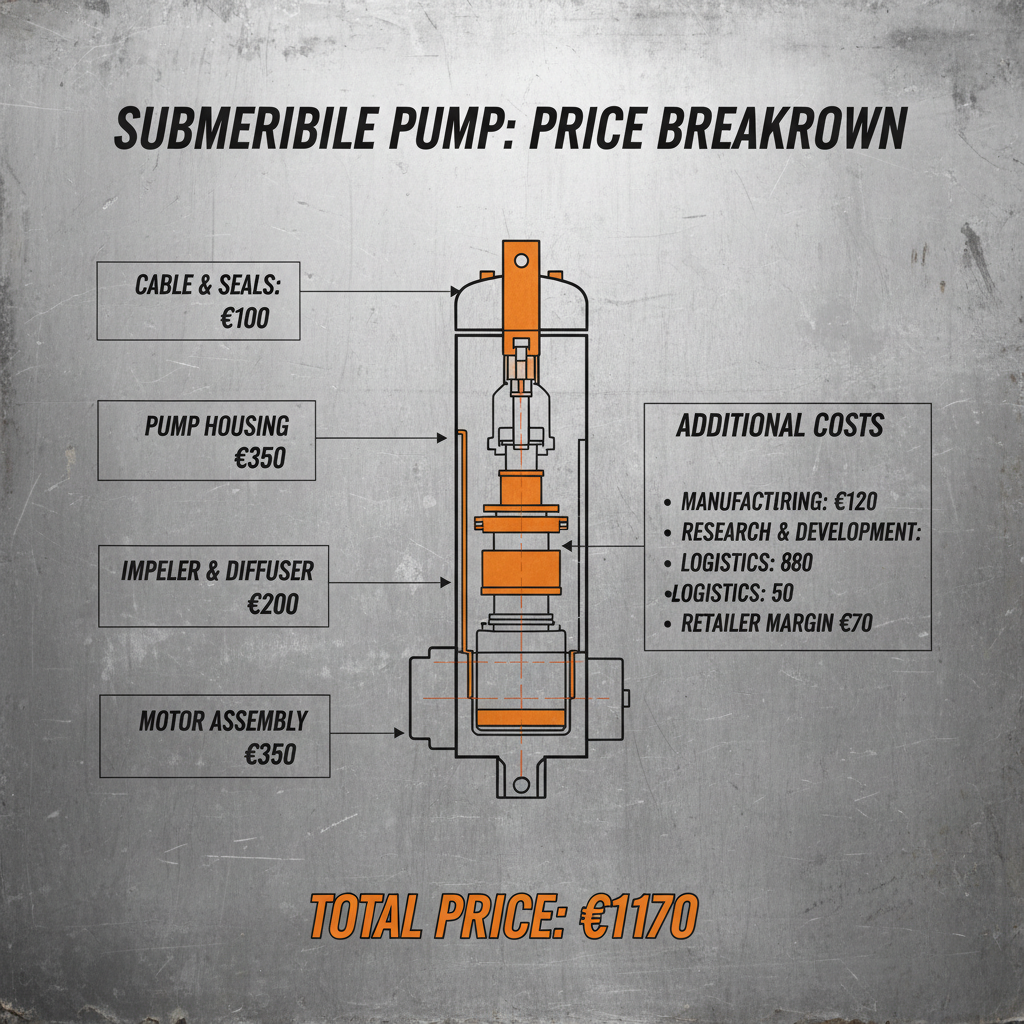 Factors Affecting the Price for Submersible Pump a Buyers GuideWhen investing in water management systems, understanding the price for submersible pump options is essential for balancing performance with budget. Whether you are managing a residential well, an industrial drainage project, or agricultural irrigation, the cost of a pump is rarely a flat fee; it is a reflection of the engineering, materials, and capacity required for your specific environment. In this guide, we will break down the factors that influence pricing and help you determine the best value for your investment to ensure long-term reliability and efficiency.Detail
 -
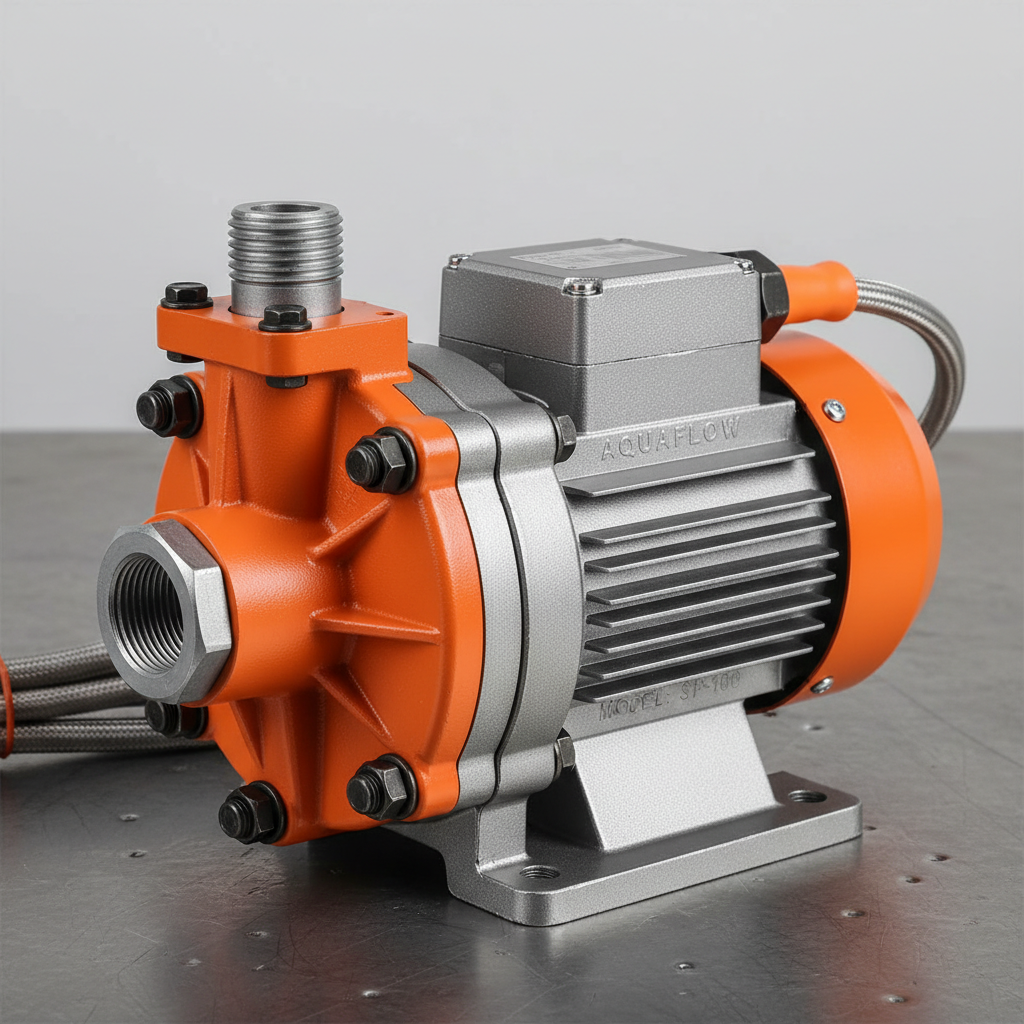 Choosing the Right Mini Submersible Fountain Pump for Optimal Water Feature PerformanceCreating a beautiful and relaxing water feature doesn't have to be complicated. A mini submersible fountain pump is the heart of any indoor or outdoor fountain, and selecting the right one is crucial for optimal performance and longevity. This article will guide you through the key considerations when choosing a mini submersible fountain pump, covering types, features, applications, and how to ensure you get the perfect pump for your project. We’ll also explore how Wellpumpact can provide you with the ideal solution.Detail
 Afrikaans
 Albanian
 Amharic
 Arabic
 Armenian
 Azerbaijani
 Basque
 Belarusian
 Bengali
 Bosnian
 Bulgarian
 Catalan
 Cebuano
 Corsican
 Croatian
 Czech
Czech
 Danish
 Dutch
Dutch
 Esperanto
 Estonian
 Finnish
 French
 Frisian
 Galician
 Georgian
 German
 Greek
Greek
 Gujarati
 Haitian Creole
 Hausa
Hausa
 Hawaiian
 Hebrew
 Hindi
Hindi
 Miao
Miao
 Hungarian
 Icelandic
 Igbo
Igbo
 Indonesian
 Irish
Irish
 Italian
 Japanese
 Javanese
 Kannada
 Kazakh
 Khmer
Khmer
 Rwandese
 Korean
 Kurdish
 Kyrgyz
 Lao
Lao
 Latin
Latin
 Latvian
 Lithuanian
 Luxembourgish
 Macedonian
 Malgashi
 Malay
Malay
 Malayalam
 Maltese
 Maori
Maori
 Marathi
 Mongolian
 Myanmar
 Nepali
 Norwegian
 Norwegian
 Occitan
 Pashto
 Persian
 Polish
 Portuguese
 Punjabi
 Romanian
 Russian
 Samoan
 Scottish Gaelic
 Serbian
 Sesotho
 Shona
Shona
 Sindhi
 Sinhala
 Slovak
 Slovenian
 Somali
 Spanish
 Sundanese
 Swahili
 Swedish
 Tagalog
 Tajik
Tajik
 Tamil
Tamil
 Tatar
Tatar
 Telugu
 Thai
Thai
 Turkish
 Turkmen
 Ukrainian
 Urdu
Urdu
 Uighur
 Uzbek
Uzbek
 Vietnamese
 Welsh
Welsh
 Bantu
Bantu
 Yiddish
 Yoruba
 Zulu
Zulu
 English