
Nov . 26, 2025 19:45 Back to list
Comprehensive Guide to Submersible Sludge Pumps — Features, Applications & Trends
What Exactly is a Submersible Sludge Pump and Why Should We Care?
As industries grow and urban populations swell, managing waste water and sludge becomes a global challenge that can’t be ignored. Enter the submersible sludge pump—an unsung hero in water management, construction, mining, and even disaster recovery. But why is this piece of equipment so vital? Simply put, these pumps keep operations running smoothly by efficiently removing sludge and slurry from tanks, sites, and treatment facilities — often in harsh, underwater conditions. Understanding them is key not just for engineers but also for anyone concerned about sustainable infrastructure worldwide.
Global Context: Sludge Management's Growing Importance
The United Nations estimates that roughly 80% of the world’s wastewater is released untreated (UN Water, 2021). This creates all kinds of public health and environmental headaches, especially in densely populated and industrial regions. Moreover, with urbanization increasing at a breakneck pace—especially in Asia and Africa—wastewater treatment systems are under enormous pressure. Submersible sludge pumps address these challenges by ensuring reliable, continuous operation in sludge removal, which is integral to wastewater treatment plants, mining sites with slurry, and even flood control post disasters.
In other words: without reliable pumps that can operate submerged and tackle thick sludge without clogging or overheating, modern sanitation efforts would stumble badly.
Defining the Submersible Sludge Pump
At its core, a submersible sludge pump is a robust motor-driven device designed to be fully submerged in liquids to transport sludge—thick, semisolid waste—from one place to another. Unlike traditional pumps that sit above the liquid surface, these pumps live underwater and are built to resist corrosion, abrasion, and blockages caused by solid particles.
They’re essential not only in sewage plants but also in scenarios like dredging muddy riverbeds, mining tailings disposal, and post-flood sludge removal. You can think of them as the muscular underwater workhorses of the modern wastewater and sludge management industry.
Core Components and Features That Make Them Tick
Durability and Material Quality
Given that the pump often handles some pretty nasty sludge loaded with sharp solids, the impeller, casing, and shaft are usually made from hardened alloys or stainless steel. This ensures longevity and reduces maintenance frequency.
Capacity and Flow Rate
Depending on the application, pumps must move anything from a few hundred liters per minute to several thousand, sometimes even in harsh environments with abrasive materials mixed in.
Power Source and Motor Type
Most are electric and sealed hermetically to keep water out. Some newer models integrate energy-efficient or explosion-proof motors, essential in hazardous zones.
Portability and Installation Flexibility
Many modern pumps are designed to be compact and easy to submerge or remove, a handy trait on construction sites or in emergency flood cleanups.
Clog Resistance and Maintenance Access
Features like vortex impellers or non-clog designs help avoid downtime. Not all sludge is the same, and often pumps need to handle sticks, rags, or grit.
Specifications Snapshot: Typical Submersible Sludge Pump
| Feature | Typical Value |
|---|---|
| Power Output | 5–30 kW |
| Max Flow Rate | Up to 500 m³/hour |
| Solids Handling Diameter | Up to 80 mm |
| Max Submersion Depth | 20 meters |
| Material | Hardened steel / Stainless steel |
| Weight | 70–150 kg (varies) |
Mini takeaway: A well-chosen submersible sludge pump balances power, durability, and clog resistance to handle the real messiness of sludge.
Who Uses These Pumps — And Where?
These pumps have a surprisingly wide range of applications, often far from what the average person might expect:
- Wastewater Treatment Plants: The frontline of sanitation, where sludge is frequently removed to keep systems functional.
- Mining Industry: Moving slurry, tailings, and contaminated water, especially in remote or rugged locations.
- Agricultural Sector: Handling manure slurry and effluent from large farms.
- Disaster Relief: After floods or industrial accidents, rapid sludge removal helps prevent diseases and environmental damage.
- Construction and Infrastructure: Dewatering sites, removing sediment and sludge for safer builds.
For example, after the 2019 floods in Southeast Asia, emergency teams relied on submersible sludge pumps to clear contaminated water quickly and protect vulnerable communities. Similarly, mining companies in Chile’s Atacama desert use these pumps daily to move abrasive slurry uphill over difficult terrain.
Vendor Comparison: Popular Submersible Sludge Pumps on the Market
| Brand | Max Flow (m³/h) | Power (kW) | Special Feature | Price Range (USD) |
|---|---|---|---|---|
| PumpMaster Pro 4000 | 480 | 22 | Vortex impeller, corrosion-resistant coating | $7,500–$9,800 |
| SludgeX Series 7 | 350 | 15 | Energy-efficient motor, easy-clean design | $5,300–$6,900 |
| AquaFlow Xpert | 500 | 30 | Remote-monitoring compatible | $8,200–$10,500 |
Mini takeaway: Picking the right pump comes down to balancing flow needs, power, special features, and—always—a sensible budget.
Why Are Submersible Sludge Pumps So Valuable?
These pumps bring real value across several domains, often simultaneously:
- Cost Efficiency: Their durability and clog resistance reduce downtime and repair costs.
- Environmental Sustainability: By optimizing wastewater treatment, they minimize pollution risks.
- Operational Safety: Submerged operation means fewer risks of splash or manual sludge handling.
- Social Impact: Helping sanitation keeps water clean and communities healthier — a pretty solid emotional win.
- Innovation Trust: With digital monitoring advancements, pumps offer predictive maintenance — fewer surprises.
Emerging Trends in Submersible Sludge Pump Technology
There’s always something new on the horizon. Right now, I’m seeing promising developments in:
- Green Energy Integration: Solar-powered or hybrid pumps cut operational carbon footprints.
- Smart Sensors and IoT: Real-time slurry density monitoring for predictive adjustments, to avoid clogs or motor stress.
- Lightweight Composites: New materials reduce weight without compromising strength, making pumps easier to deploy.
- Modular Designs: Serviceability upgrades to swap parts efficiently and minimize downtime.
Common Challenges and How Experts Are Overcoming Them
Submersible sludge pumps aren’t perfect. Many still face issues like seal leaks, overheating, and wear from abrasive sludge. However, ongoing R&D includes:
- Improved sealing technologies that last longer even in aggressive environments.
- Smart temperature sensors that shut down pumps before damage occurs.
- Self-cleaning impeller designs to reduce maintenance.
It’s a tough environment to work in, and manufacturers are learning from real-world feedback to improve next-gen machines.
FAQs about Submersible Sludge Pumps
Q1: What makes a submersible sludge pump better than a dry-installed pump?
A1: Because it operates underwater, a submersible sludge pump avoids priming issues and reduces the risk of clogging by pushing sludge directly from the source. It’s also generally safer, as it limits human exposure to hazardous materials.
Q2: How often should maintenance be performed on these pumps?
A2: Maintenance frequency depends on usage intensity and sludge composition. Typically, routine checks every 3–6 months are recommended, including seal inspection, motor tests, and cleaning of impellers.
Q3: Can these pumps handle solids larger than 80 mm?
A3: Most standard submersible sludge pumps are designed to handle solids up to about 80 mm. For larger solids, specialized grinders or custom pumps are usually required.
Q4: Are submersible sludge pumps energy-efficient?
A4: Modern pumps often feature energy-saving motors and can be paired with variable frequency drives to optimize power use based on demand, improving efficiency significantly.
Q5: Is it possible to monitor pump performance remotely?
A5: Yes! Many manufacturers now offer digital monitoring systems that provide real-time data on vibration, temperature, and flow, enabling predictive maintenance.
Wrapping It Up — Why This Matters
Submersible sludge pumps really are fundamental to the smooth running of modern water management, industry, and even emergency response. They blend engineering toughness with subtle technological advances to safeguard health, protect environments, and save money. So next time you think about wastewater or industrial sludge, give a quiet nod to these submerged workhorses.
If this sparked your interest or you’re looking to upgrade your equipment, don’t hesitate to explore more at our website.
References & Further Reading
-
Understanding the Price Submersible Pump and Buyer Guide
NewsApr.16,2026
-
Factors Affecting the Price for Submersible Pump a Buyers Guide
NewsApr.09,2026
-
Choosing the Right Mini Submersible Fountain Pump for Optimal Water Feature Performance
NewsApr.07,2026
-
A Detailed Guide to Installing a Submersible Pump for Optimal Performance
NewsApr.04,2026
-
Comprehensive Guide on How to Test a Submersible Water Well Pump Effectively
NewsMar.31,2026
-
Learn How to Replace a Submersible Well Pump Safely and Effectively
NewsMar.28,2026
-
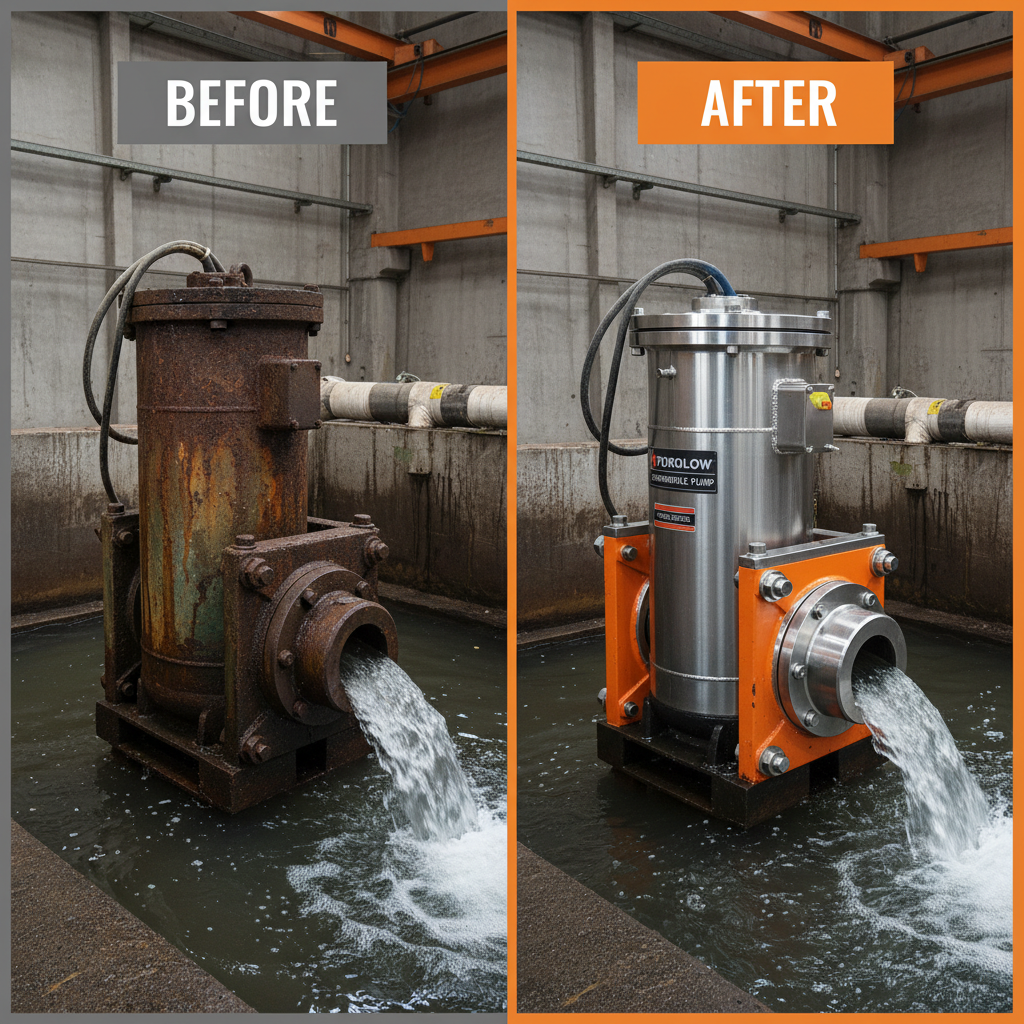 Understanding the Price Submersible Pump and Buyer GuideWhen searching for the ideal water management solution, understanding the price submersible pump options is crucial for balancing budget with performance. Whether you are dealing with a flooded basement, managing agricultural irrigation, or extracting water from a deep well, the cost of a submersible pump can vary significantly based on its build quality and capacity. Investing in a high-quality pump ensures long-term reliability and reduces the frequency of expensive replacements. In this guide, we will break down the factors that influence pricing and help you make an informed decision for your specific needs.Detail
 -
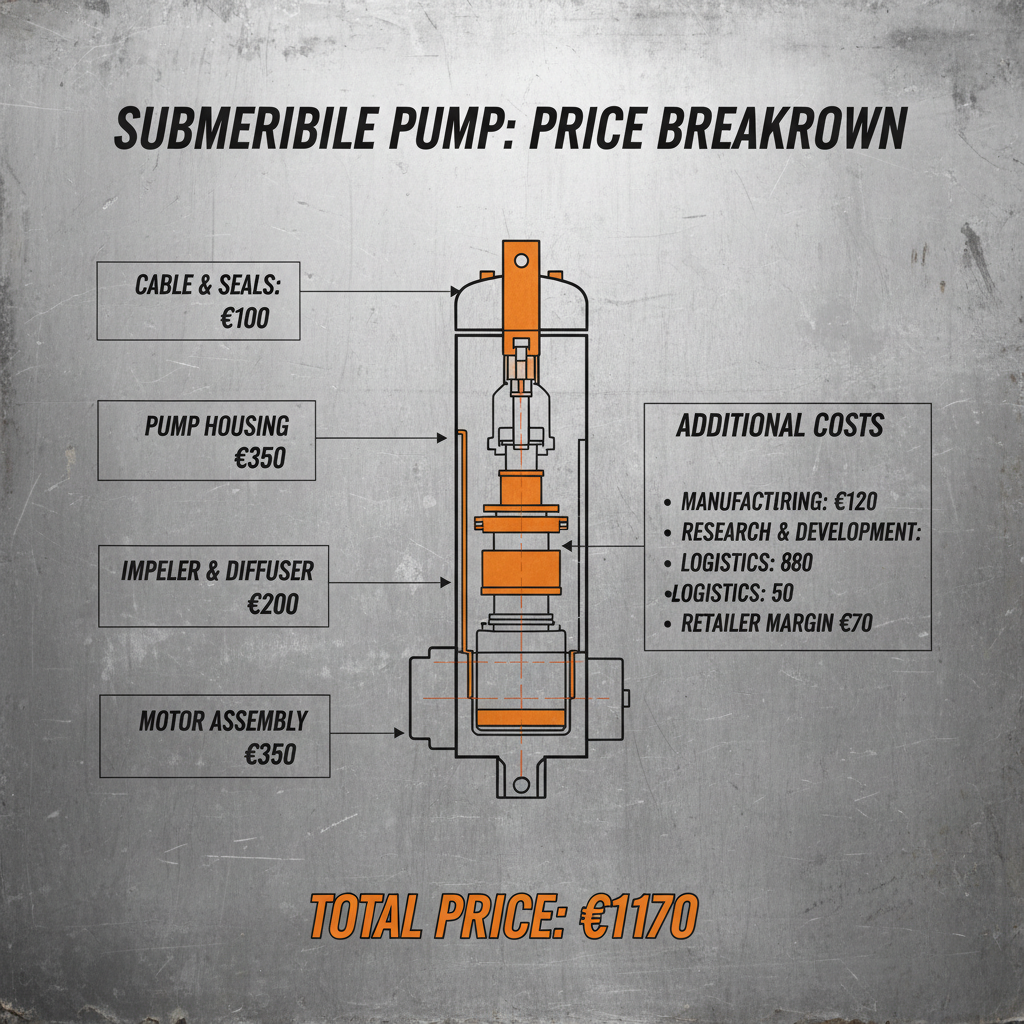 Factors Affecting the Price for Submersible Pump a Buyers GuideWhen investing in water management systems, understanding the price for submersible pump options is essential for balancing performance with budget. Whether you are managing a residential well, an industrial drainage project, or agricultural irrigation, the cost of a pump is rarely a flat fee; it is a reflection of the engineering, materials, and capacity required for your specific environment. In this guide, we will break down the factors that influence pricing and help you determine the best value for your investment to ensure long-term reliability and efficiency.Detail
 -
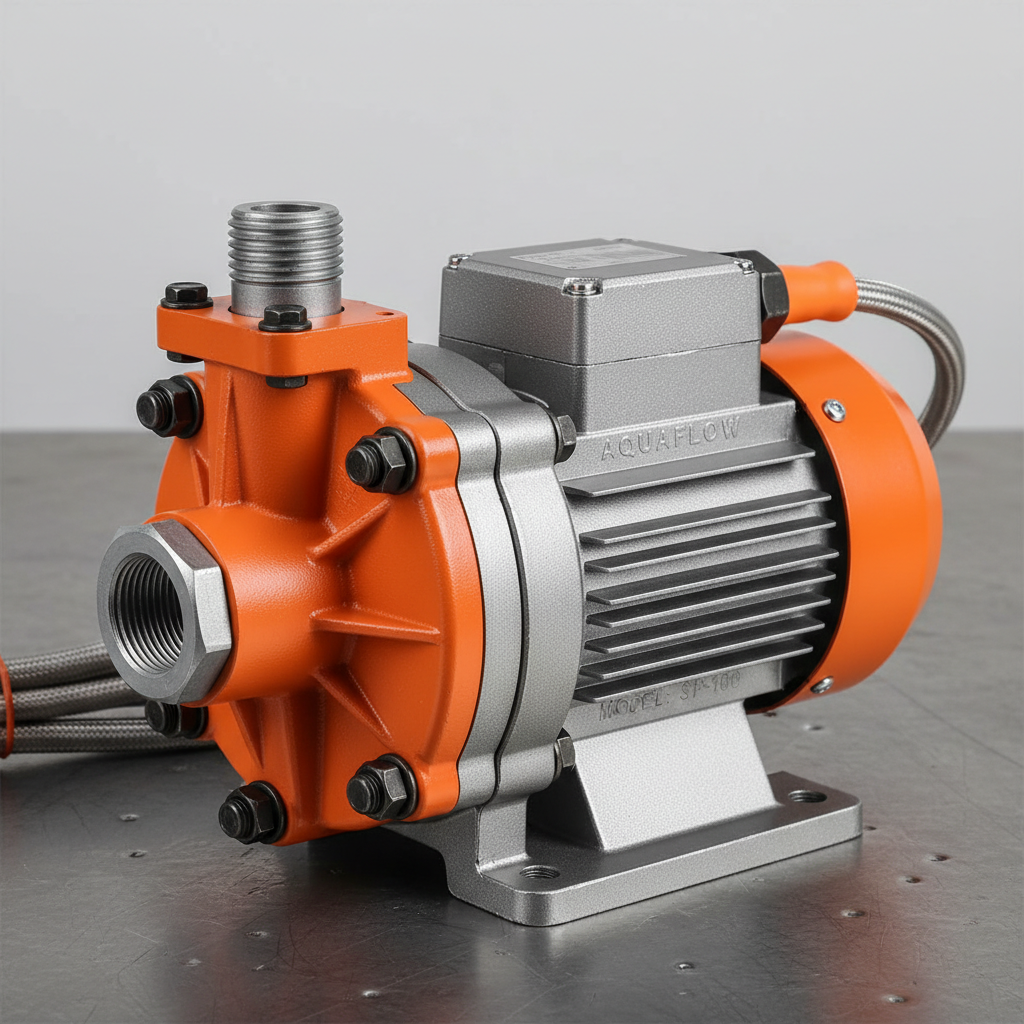 Choosing the Right Mini Submersible Fountain Pump for Optimal Water Feature PerformanceCreating a beautiful and relaxing water feature doesn't have to be complicated. A mini submersible fountain pump is the heart of any indoor or outdoor fountain, and selecting the right one is crucial for optimal performance and longevity. This article will guide you through the key considerations when choosing a mini submersible fountain pump, covering types, features, applications, and how to ensure you get the perfect pump for your project. We’ll also explore how Wellpumpact can provide you with the ideal solution.Detail
 Afrikaans
 Albanian
 Amharic
 Arabic
 Armenian
 Azerbaijani
 Basque
 Belarusian
 Bengali
 Bosnian
 Bulgarian
 Catalan
 Cebuano
 Corsican
 Croatian
 Czech
Czech
 Danish
 Dutch
Dutch
 Esperanto
 Estonian
 Finnish
 French
 Frisian
 Galician
 Georgian
 German
 Greek
Greek
 Gujarati
 Haitian Creole
 Hausa
Hausa
 Hawaiian
 Hebrew
 Hindi
Hindi
 Miao
Miao
 Hungarian
 Icelandic
 Igbo
Igbo
 Indonesian
 Irish
Irish
 Italian
 Japanese
 Javanese
 Kannada
 Kazakh
 Khmer
Khmer
 Rwandese
 Korean
 Kurdish
 Kyrgyz
 Lao
Lao
 Latin
Latin
 Latvian
 Lithuanian
 Luxembourgish
 Macedonian
 Malgashi
 Malay
Malay
 Malayalam
 Maltese
 Maori
Maori
 Marathi
 Mongolian
 Myanmar
 Nepali
 Norwegian
 Norwegian
 Occitan
 Pashto
 Persian
 Polish
 Portuguese
 Punjabi
 Romanian
 Russian
 Samoan
 Scottish Gaelic
 Serbian
 Sesotho
 Shona
Shona
 Sindhi
 Sinhala
 Slovak
 Slovenian
 Somali
 Spanish
 Sundanese
 Swahili
 Swedish
 Tagalog
 Tajik
Tajik
 Tamil
Tamil
 Tatar
Tatar
 Telugu
 Thai
Thai
 Turkish
 Turkmen
 Ukrainian
 Urdu
Urdu
 Uighur
 Uzbek
Uzbek
 Vietnamese
 Welsh
Welsh
 Bantu
Bantu
 Yiddish
 Yoruba
 Zulu
Zulu
 English