
Nov . 27, 2025 13:35 Back to list
Comprehensive Guide to Submersible Slurry Pumps - Durable, Reliable, Efficient
The Submersible Slurry Pump: Why It Matters More Than You Think
Water is life — we all know that. But sometimes water isn’t clean; it carries bits of dirt, sand, ore, and other materials that make pumping it quite a technical challenge. Enter the submersible slurry pump, one of those quietly crucial machines sparking global improvements in industries ranging from mining to disaster relief. These pumps aren’t just about moving sludge underwater; they're about efficiency, safety, and sustainability in environments where nothing else quite works as well.
As global resource demands rise and infrastructure projects turn more complex, understanding submersible slurry pumps is kind of like knowing how to read the pulse of modern industrial hydraulics. Plus, they don’t get nearly as much spotlight as they deserve for driving critical work in harsh conditions worldwide.
Global Reach: How Submersible Slurry Pumps Support Modern Industry
Industries worldwide handle massive volumes of slurry — a watery mix of solids and liquids — especially mining, dredging, steel making, and wastewater treatment. According to the United Nations Environment Programme, sustainable water management is a priority for global development, and technologies like submersible slurry pumps serve that goal by improving reliability in waste handling and resource extraction.
Mining alone produces billions of tons of slurry annually, demanding robust solutions that can run underwater for extended periods without breakdowns. Conventional pumps often fail under such abrasive, dense loads. This problem places submersible slurry pumps front and center, capable of tackling these harsh slurry mixtures at depths that are both physically demanding and economically challenging.
In short, if you’re thinking about large projects in remote areas or environmental cleanup efforts, you’re probably thinking about pumps that can work submerged and keep going despite the muck. It’s a small but profound technical revolution.
What Exactly Is a Submersible Slurry Pump?
Put simply: a submersible slurry pump is a type of pump designed to be fully submerged in slurry and liquids, pushing mixtures of water, sand, and solids up and out through pipes. Unlike standard pumps sitting above the surface, these are engineered to operate underwater, battling tough abrasive materials without losing efficiency.
Imagine a powerful water pump—but hardened, specially shaped, often lined with wear-resistant materials, and sealed tight to prevent slurry from mucking up the internal motor components. The motor and impeller sit underwater, allowing the pump to feed directly from the slurry bed without needing suction pipes, reducing energy loss and improving reliability.
These pumps play essential roles in domains beyond pure industry. For instance, humanitarian efforts in flood zones where muddy water blocks clean water access also lean on these tools for dewatering and cleanup tasks.
Key Factors That Make a Submersible Slurry Pump Work
Durability in Harsh Environments
One of the first things engineers mention is the extreme wear these pumps sustain — abrasive particles like sand or crushed minerals can eat through common materials quickly. High chromium alloys, rubber linings, and specialized coatings help extend pump life. The sealing system’s quality is often the difference between a few weeks and several months of continuous use.
Power & Efficiency
Since these pumps move dense, heavy mixtures, they draw a lot of power. Efficiency measures here mean fewer energy costs for operators and reduced environmental footprint, which is huge. High-performance impellers optimized for slurry flow reduce clogging and keep operations smooth.
Scalability & Customization
From small mobile units used on-site in mining camps to huge, fixed installations in processing plants, these pumps come in all sizes. Customizable discharge sizes and power ratings make them flexible enough for many unique applications.
Maintenance & Operational Simplicity
Pumps in slurry environments notoriously demand attention — but good design simplifies maintenance. Quick-change liners, easy seal replacements, and modular parts help minimize downtime. Many suppliers include remote monitoring options, which is a neat modern upgrade for preventing surprises.
Cost Efficiency Over Time
While the initial price can look steep, longevity and reliability often save money in the long run. Less downtime, less frequent replacement, and lower energy consumption combine to make these pumps attractive to long-term investors.
How Submersible Slurry Pumps Are Used Around the World
- Mining in South America and Australia: Moving mineral slurry from washes and crushing sites.
- Dredging in Europe & Asia: Harbour and river maintenance requires removing sediment underwater.
- Wastewater Treatment Plants: Pumping thick sludge to filtration and disposal centers globally.
- Disaster Relief: Post-flood cleanup in Africa and Asia employs durable pumps to clear sediments quickly.
For example, a large copper mine in Chile relies on submersible slurry pumps to handle both tailings and slurry transport every day, reducing operational loss and protecting workers from hazardous manual handling.
Advantages & Long-Term Impact of Investing in Quality Pumps
Using robust submersible slurry pumps improves operational safety, because no one needs to manually stir or clear heavy sludges. It also boosts environmental sustainability by reducing spills and leakages thanks to better seals and monitoring tech.
Financially, companies report lower lifetime costs and less downtime, which matters when every hour of production counts. On a social level, local communities benefit from cleaner waterways and safer working conditions, reinforcing trust and innovation in industries that often operate in sensitive areas.
What’s Next? Future Trends in Submersible Slurry Pumps
- Smart Monitoring: IoT sensor-equipped pumps that predict wear and adjust performance automatically.
- Green Energy Integration: Using solar or hybrid power sources for remote sites.
- Advanced Materials: Development of even more abrasion-resistant composites and self-healing linings.
- Automation: Fully automated slurry handling systems that reduce on-site labor.
Common Challenges & How the Industry Is Tackling Them
Sealing failures are often the biggest headache, with slurry sneaking into motors. To combat this, manufacturers are developing dual-seal systems and magnetic coupling designs that eliminate shaft penetrations.
Another challenge is clogging, which engineers solve with special impeller designs and anti-clogging mechanisms. And then there’s the issue of cost barriers — smaller firms or disaster relief teams sometimes can’t afford these pumps upfront. Innovative rental schemes and modular, smaller-scale designs are helping make the tech more accessible.
FAQ: Your Submersible Slurry Pump Questions Answered
- Q: How long can a typical submersible slurry pump operate underwater continuously?
- A: With proper maintenance, quality pumps run several months continuously. However, real-world conditions vary. Most manufacturers recommend scheduled inspections every few weeks to check seals and liners to avoid unexpected downtime.
- Q: Can a submersible slurry pump handle highly abrasive materials like sand and gravel?
- A: Yes, these pumps are specifically designed for abrasive slurries. High-chrome alloys and rubber linings protect critical parts, and impellers are shaped to resist clogging and wear.
- Q: Are these pumps energy efficient considering they work submerged?
- A: Modern submersible slurry pumps feature optimized impellers and motors to reduce power consumption compared to older models or surface pumps requiring longer suction lines.
- Q: How difficult is maintenance on submersible slurry pumps in remote locations?
- A: It depends on the design; many now feature modular parts, remote monitoring, and easier access to wear components. Operators report significantly reduced downtime with pumps that prioritize serviceability.
- Q: Can submersible slurry pumps be customized for specific industrial needs?
- A: Absolutely. Most vendors tailor pumps by adjusting impeller size, power rating, discharge diameter, and materials to fit a wide variety of slurry types and volumes.
Submersible Slurry Pump Specifications at a Glance
| Feature | Typical Range | Notes |
|---|---|---|
| Motor Power | 5 kW – 1,000 kW | Depends on flow and depth |
| Discharge Diameter | 50 mm – 600 mm | Customized sizes available |
| Max Flow Rate | 10 – 15,000 m³/h | Depends on pump model |
| Max Head | 20 – 150 meters | Height pump can push slurry |
| Materials | High Chromia Alloy, Rubber-lined, Composite | Depending on abrasiveness |
Vendor Comparison: Popular Submersible Slurry Pump Providers
| Vendor | Global Presence | Product Range | Special Features | Price Range |
|---|---|---|---|---|
| PumpCo | 130+ countries | Small to XL pumps | Smart monitoring systems | $$$ |
| AquaFlow Tech | 60+ countries | Mid-range industrial pumps | Abrasion-resistant linings | $$ |
| DredgeMaster | Focused on marine regions | Large dredging pumps | Magnetic coupling, no shaft seal | $$$$ |
Wrapping Up — Why the Submersible Slurry Pump Is a Quiet Hero
Looking back, the humble submersible slurry pump doesn’t scream innovation at first glance, but it supports the backbone of some of the world’s most demanding industries and cleanup efforts. It’s a workhorse designed with purpose — combining durability, energy efficiency, and smart engineering to keep slurry flowing and jobs safer across continents.
For anyone managing slurry handling tasks at scale, investing in quality pumps and understanding their specs means fewer headaches and more uptime. As automation and green tech blend in, these pumps will only become smarter and kinder to the planet.
Want to explore the right submersible slurry pump for your needs or see industry-leading models? Visit our website and dive deeper into options that keep you operational no matter what sludgy challenge comes your way.
-
Understanding the Price Submersible Pump and Buyer Guide
NewsApr.16,2026
-
Factors Affecting the Price for Submersible Pump a Buyers Guide
NewsApr.09,2026
-
Choosing the Right Mini Submersible Fountain Pump for Optimal Water Feature Performance
NewsApr.07,2026
-
A Detailed Guide to Installing a Submersible Pump for Optimal Performance
NewsApr.04,2026
-
Comprehensive Guide on How to Test a Submersible Water Well Pump Effectively
NewsMar.31,2026
-
Learn How to Replace a Submersible Well Pump Safely and Effectively
NewsMar.28,2026
-
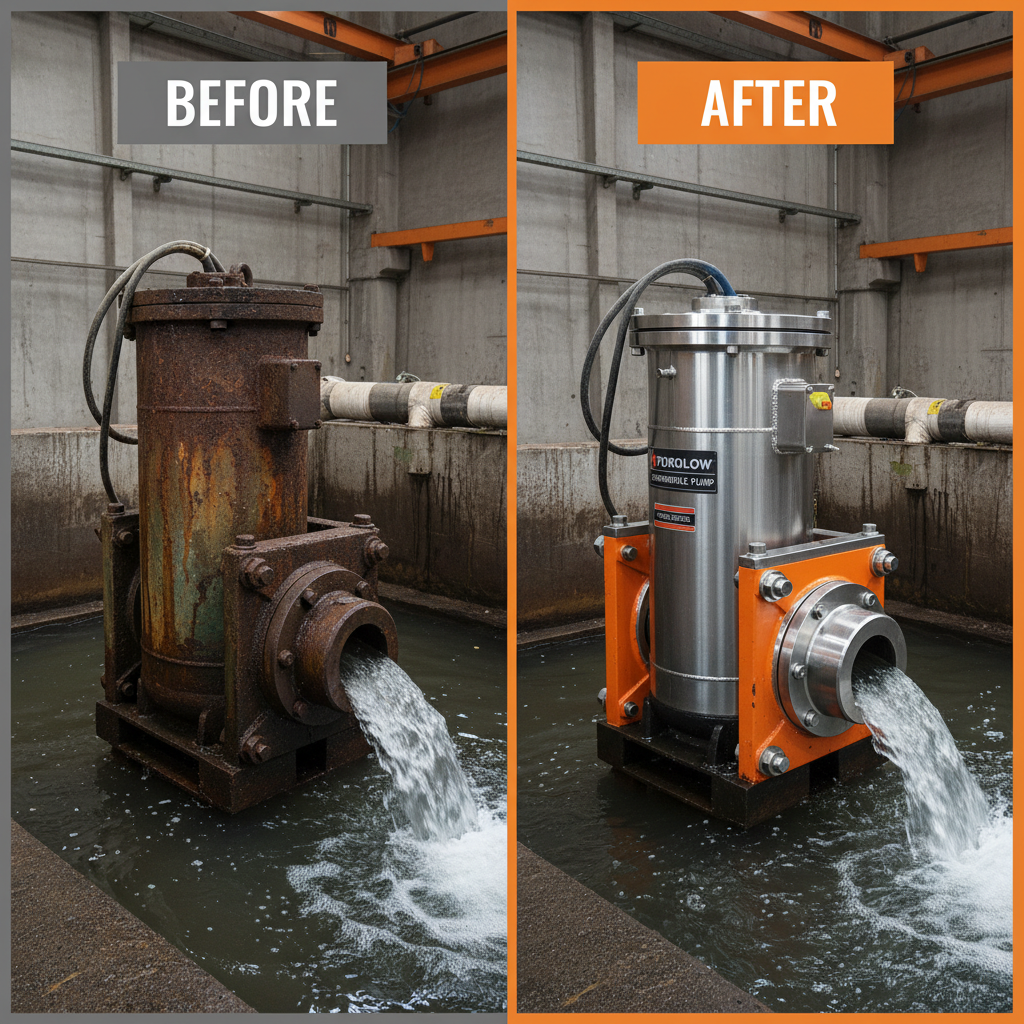 Understanding the Price Submersible Pump and Buyer GuideWhen searching for the ideal water management solution, understanding the price submersible pump options is crucial for balancing budget with performance. Whether you are dealing with a flooded basement, managing agricultural irrigation, or extracting water from a deep well, the cost of a submersible pump can vary significantly based on its build quality and capacity. Investing in a high-quality pump ensures long-term reliability and reduces the frequency of expensive replacements. In this guide, we will break down the factors that influence pricing and help you make an informed decision for your specific needs.Detail
 -
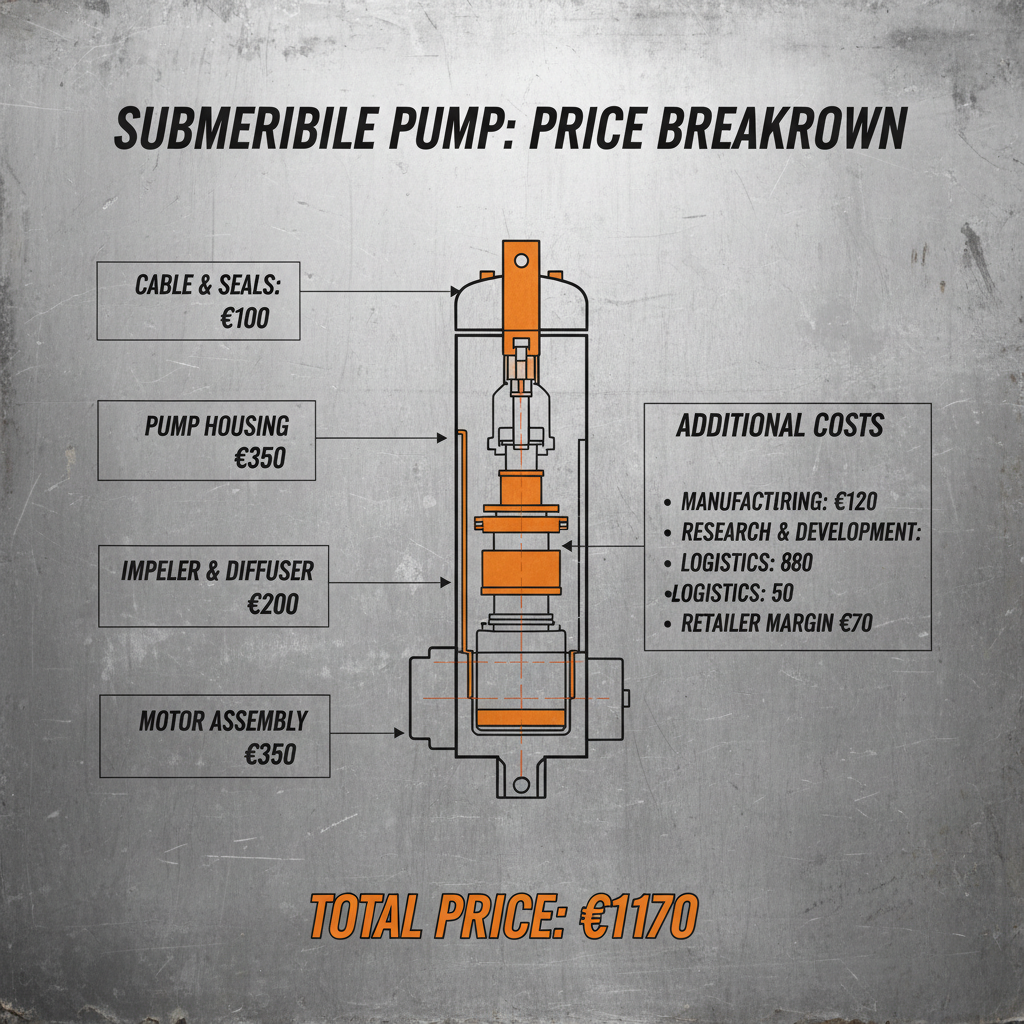 Factors Affecting the Price for Submersible Pump a Buyers GuideWhen investing in water management systems, understanding the price for submersible pump options is essential for balancing performance with budget. Whether you are managing a residential well, an industrial drainage project, or agricultural irrigation, the cost of a pump is rarely a flat fee; it is a reflection of the engineering, materials, and capacity required for your specific environment. In this guide, we will break down the factors that influence pricing and help you determine the best value for your investment to ensure long-term reliability and efficiency.Detail
 -
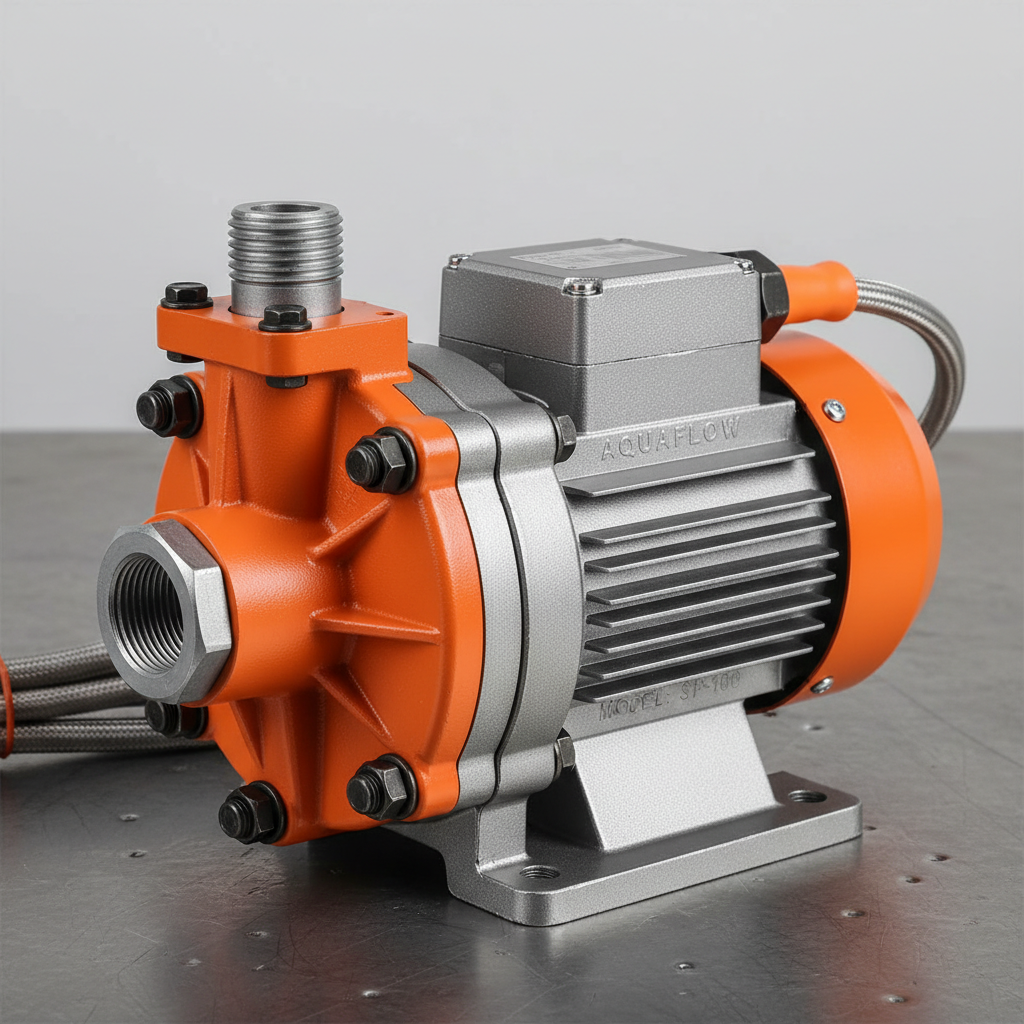 Choosing the Right Mini Submersible Fountain Pump for Optimal Water Feature PerformanceCreating a beautiful and relaxing water feature doesn't have to be complicated. A mini submersible fountain pump is the heart of any indoor or outdoor fountain, and selecting the right one is crucial for optimal performance and longevity. This article will guide you through the key considerations when choosing a mini submersible fountain pump, covering types, features, applications, and how to ensure you get the perfect pump for your project. We’ll also explore how Wellpumpact can provide you with the ideal solution.Detail
 Afrikaans
 Albanian
 Amharic
 Arabic
 Armenian
 Azerbaijani
 Basque
 Belarusian
 Bengali
 Bosnian
 Bulgarian
 Catalan
 Cebuano
 Corsican
 Croatian
 Czech
Czech
 Danish
 Dutch
Dutch
 Esperanto
 Estonian
 Finnish
 French
 Frisian
 Galician
 Georgian
 German
 Greek
Greek
 Gujarati
 Haitian Creole
 Hausa
Hausa
 Hawaiian
 Hebrew
 Hindi
Hindi
 Miao
Miao
 Hungarian
 Icelandic
 Igbo
Igbo
 Indonesian
 Irish
Irish
 Italian
 Japanese
 Javanese
 Kannada
 Kazakh
 Khmer
Khmer
 Rwandese
 Korean
 Kurdish
 Kyrgyz
 Lao
Lao
 Latin
Latin
 Latvian
 Lithuanian
 Luxembourgish
 Macedonian
 Malgashi
 Malay
Malay
 Malayalam
 Maltese
 Maori
Maori
 Marathi
 Mongolian
 Myanmar
 Nepali
 Norwegian
 Norwegian
 Occitan
 Pashto
 Persian
 Polish
 Portuguese
 Punjabi
 Romanian
 Russian
 Samoan
 Scottish Gaelic
 Serbian
 Sesotho
 Shona
Shona
 Sindhi
 Sinhala
 Slovak
 Slovenian
 Somali
 Spanish
 Sundanese
 Swahili
 Swedish
 Tagalog
 Tajik
Tajik
 Tamil
Tamil
 Tatar
Tatar
 Telugu
 Thai
Thai
 Turkish
 Turkmen
 Ukrainian
 Urdu
Urdu
 Uighur
 Uzbek
Uzbek
 Vietnamese
 Welsh
Welsh
 Bantu
Bantu
 Yiddish
 Yoruba
 Zulu
Zulu
 English