
Nov . 24, 2025 08:30 Back to list
Comprehensive Guide to Submersible Water Pumps for Well – Technology & Applications
What’s All the Buzz About Submersible Water Pumps for Wells?
If you’ve ever wondered how millions of households, farms, and industries get their underground water flowing, chances are a submersible water pump for well is involved. These devices are tucked away beneath the surface, quietly lifting water up from deep wells — a technology that sounds simple but is actually pivotal on a global scale.
Why does it matter, you ask? In a world grappling with water scarcity, sustainable agriculture, and infrastructure challenges — from African villages to sprawling industrial plants — understanding these pumps means understanding a lifeline. They don’t just bring water up; they bring hope, health, and growth.
Mini takeaway: Submersible water pumps are unsung heroes of water access worldwide, playing a crucial role in everyday life, industry, and humanitarian efforts.
Global Context: The Pulse of Water Access and Industry
Did you know the United Nations reports that about 2.2 billion people worldwide lack safely managed drinking water services? And according to the World Bank, groundwater provides nearly 40% of the water for irrigation globally. That’s where submersible pumps come in.
Basically, these pumps solve a serious problem: how to efficiently extract water from depths that surface pumps simply can’t reach. In many developing countries, where infrastructure lags and electricity can be erratic, reliable pumps keep crops alive and communities hydrated. Industrially, they cool machinery, provide process water, and keep operations humming.
Oddly enough, despite advances in water technologies, submersible pumps remain in many ways the backbone for deep well water extraction.
What Exactly is a Submersible Water Pump for Well?
At its core, a submersible water pump is an electric device sealed to operate underwater — submerged deep inside a well. The motor and pump sit underwater, pushing water up through piping to the surface, rather than attempting to pull it up, which would be less efficient and could cause cavitation.
This technology connects intricately to modern needs — agriculture needs water without wasting energy, disaster relief often depends on instantly deployable clean water sources, and industries require continuous water flow to avoid downtime. The pump itself is a marvel of engineering designed for harsh, submerged environments.
Core Components and What Makes These Pumps Tick
Durability
Since these pumps operate underwater for long stretches, they’re built to resist corrosion, mineral build-up, and physical damage. Materials like stainless steel and thermoplastics are common. Proper sealing against water ingress is critical.
Power and Scalability
Submersible pumps can range from small 0.5 HP units for residential wells to massive multi-horsepower units used in municipal water systems. The ability to scale depending on depth, flow rate, and pressure needs makes them versatile.
Energy Efficiency
Many modern pumps incorporate energy-saving motors, some even designed to work with solar power — essential for off-grid or energy-hungry regions. Maximizing output while minimizing consumption is a key selling point.
Installation & Maintenance
Although difficult to access once submerged, designs focus on ease of maintenance and repair. Quick disconnects, modular components, and smart diagnostics help extend lifespan and reduce downtime.
Cost Effectiveness
While initial costs can vary widely, the low operating cost, longevity, and reliability make these pumps a wise investment for communities and businesses alike.
Mini takeaway: Durability, scalability, efficiency, maintenance, and cost intersect to make submersible water pumps the practical choice for a range of scenarios.
How and Where Are These Pumps Making a Difference?
Across continents and industries, you’ll find submersible well pumps quietly transforming lives:
- Agriculture: In parts of India and sub-Saharan Africa, they irrigate fields where rainfall is unpredictable.
- Disaster Relief: NGOs use portable submersible pumps in earthquake and flood-hit areas to restore water supplies fast.
- Municipal Water Systems: Cities like Santiago or Cairo rely on them for reliable urban water delivery.
- Industrial Applications: Mines, refineries, and manufacturing sites deploy high horsepower pumps to meet continuous water demands.
Many of these deployments highlight not just the pump but how smart integration — with sensors and remote monitoring — keeps water flowing when it matters most.
Product Specification Table
| Feature | Typical Value | Benefit |
|---|---|---|
| Power Range | 0.5 – 15 HP | Fits residential and industrial needs |
| Max Depth | Up to 300 meters | Reaches deep aquifers reliably |
| Flow Rate | Up to 80 m³/hr | Supports large-scale irrigation and supply |
| Material | Stainless steel / Thermoplastic | Corrosion-resistant for long life |
| Energy Efficiency | IE3 & IE4 motor options | Lower operational costs |
Why Choose a Submersible Water Pump for Well? The Long Game
Many engineers I’ve talked to say the blend of reliability and efficiency these pumps offer feels irreplaceable. Beyond dollars saved on electricity or repairs, they ensure safety — clean water access means fewer diseases. It preserves dignity, too, especially for communities where every drop counts.
Their quiet operation—no loud humming over neighborhoods—is something that I personally appreciate when visiting rural communities. Plus, their ability to run steadily without overheating or clogging ensures that farmers, factory operators, or relief workers trust their water supply around the clock.
Innovations on the Horizon
Smart pumps are the future. Integrated IoT sensors allow remote monitoring of flow rate, pressure, and motor health, preventing breakdowns before they happen.
Solar-powered submersibles are already making waves, especially in places with unreliable grids. Combine this with advances in corrosion-resistant composite materials, and we’re looking at pumps that are not only longer-lasting but greener and more adaptable than ever before.
Standards like ISO 9906 are pushing manufacturers towards better performance and testing protocols — meaningful when you consider global efforts to optimize water usage and cut energy consumption.
Common Challenges and How Experts Address Them
There’s no denying pitfalls: installation complexity, especially in narrow well casings, can be tricky. Maintenance can be a headache if local technicians aren’t trained. Sometimes, power surges damage motors, or mineral-heavy water clogs components.
Experts recommend:
- Using modular pumps for easier servicing
- Training local users in preventive care
- Integrating surge protectors and water softening where possible
- Choosing energy-efficient motors designed for variable speed drives
Vendor Comparison: Some Top Choices in the Market
| Brand | Power Range | Price Range | Key Advantage |
|---|---|---|---|
| AquaFlow | 1 – 10 HP | $800 – $1500 | Excellent corrosion resistance |
| WellMaster | 0.5 – 15 HP | $700 – $1700 | Broad dealer network, easy parts availability |
| HydroPump Pro | 2 – 20 HP | $1200 – $2500 | Smart diagnostics & IoT ready |
FAQ: Submersible Water Pump for Well
1. How deep can a submersible water pump for well operate effectively?
Most submersible pumps can work efficiently at depths up to 300 meters (about 1000 feet), depending on the model. Choosing the right pump based on your well depth is essential for maintaining adequate flow and pressure.
2. Can I use a solar-powered submersible pump for my well?
Absolutely! Solar-powered submersible pumps are increasingly popular, especially in remote or off-grid areas. They reduce energy costs and environmental impact while providing reliable water access.
3. What maintenance is required for these pumps?
Since the pumps are underwater, regular maintenance focuses on checking electrical wiring, seals, and motor overheating. Modular designs and remote diagnostic tools can simplify service routines.
4. Are submersible water pumps for wells suitable for all water types?
Generally, they work best with clean or slightly sandy water. Highly abrasive or mineral-heavy water may require specialized pumps or pre-filtration systems to avoid premature wear.
5. How do I pick the right size and power?
Consider your well depth, desired flow rate, and pressure needs. Consulting with a pump specialist or supplier helps ensure you don’t under or oversize your pump, which could lead to inefficiencies or early failures.
Wrapping it up: The Unsung Workhorse of Water Access
In the long run, a good submersible water pump for well is more than a machine — it’s an investment in community resilience, agricultural productivity, and dependable industrial processes. Whether you’re a farmer, engineer, or NGO coordinator, understanding and selecting the right pump can be the difference between water scarcity and steady access.
So next time you see a green field flourishing in a dry region or water flowing without interruption at a busy factory, remember the quiet power of those submersibles beneath the surface — working tirelessly, out of sight.
Curious to explore more or find the perfect pump for your needs? Visit our website: https://www.wellpumpact.com
References
-
Understanding the Price Submersible Pump and Buyer Guide
NewsApr.16,2026
-
Factors Affecting the Price for Submersible Pump a Buyers Guide
NewsApr.09,2026
-
Choosing the Right Mini Submersible Fountain Pump for Optimal Water Feature Performance
NewsApr.07,2026
-
A Detailed Guide to Installing a Submersible Pump for Optimal Performance
NewsApr.04,2026
-
Comprehensive Guide on How to Test a Submersible Water Well Pump Effectively
NewsMar.31,2026
-
Learn How to Replace a Submersible Well Pump Safely and Effectively
NewsMar.28,2026
-
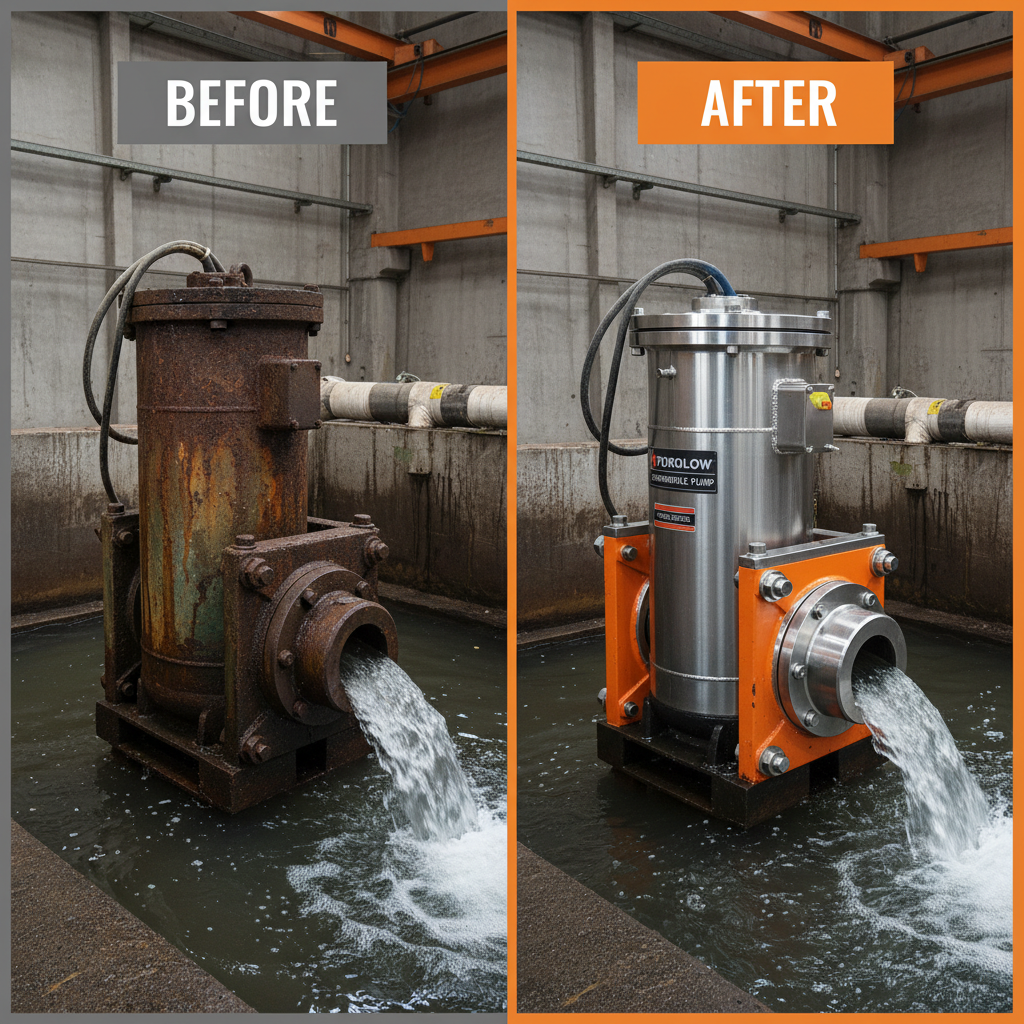 Understanding the Price Submersible Pump and Buyer GuideWhen searching for the ideal water management solution, understanding the price submersible pump options is crucial for balancing budget with performance. Whether you are dealing with a flooded basement, managing agricultural irrigation, or extracting water from a deep well, the cost of a submersible pump can vary significantly based on its build quality and capacity. Investing in a high-quality pump ensures long-term reliability and reduces the frequency of expensive replacements. In this guide, we will break down the factors that influence pricing and help you make an informed decision for your specific needs.Detail
 -
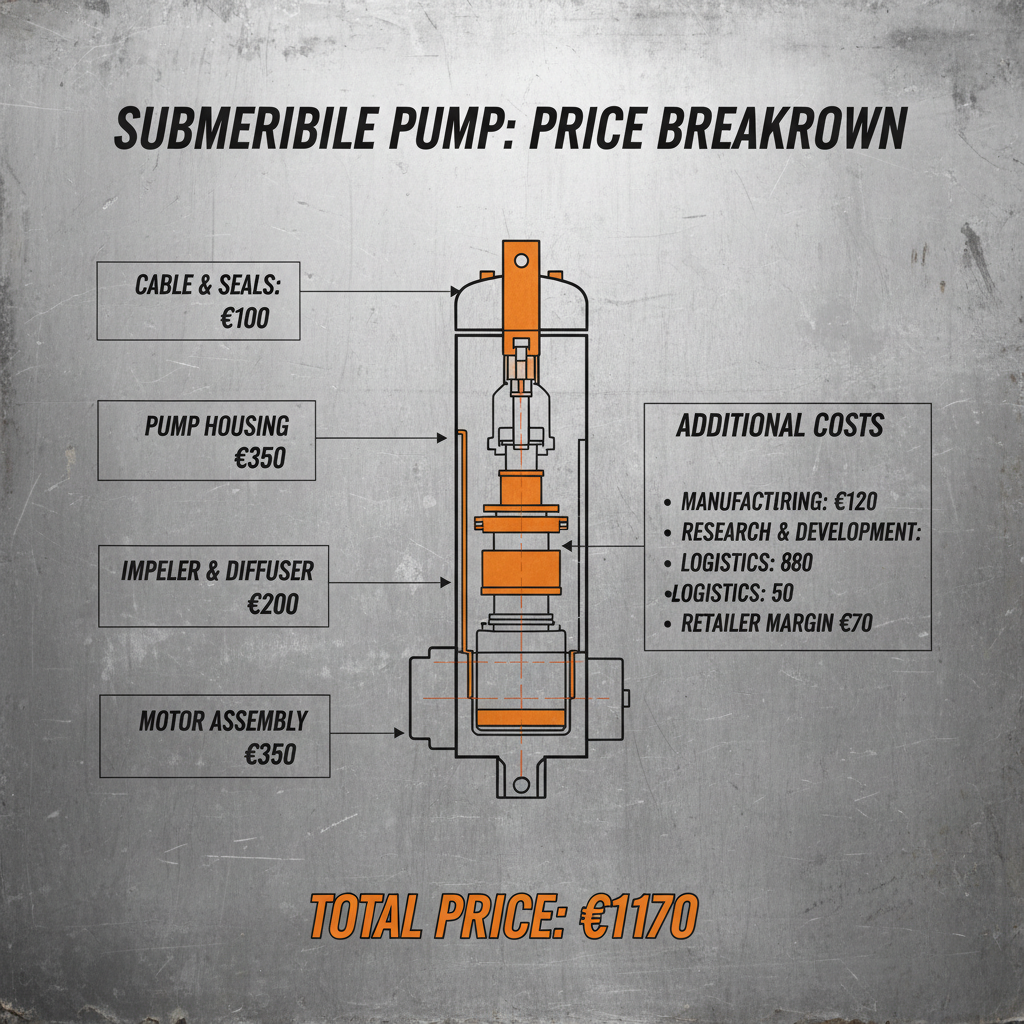 Factors Affecting the Price for Submersible Pump a Buyers GuideWhen investing in water management systems, understanding the price for submersible pump options is essential for balancing performance with budget. Whether you are managing a residential well, an industrial drainage project, or agricultural irrigation, the cost of a pump is rarely a flat fee; it is a reflection of the engineering, materials, and capacity required for your specific environment. In this guide, we will break down the factors that influence pricing and help you determine the best value for your investment to ensure long-term reliability and efficiency.Detail
 -
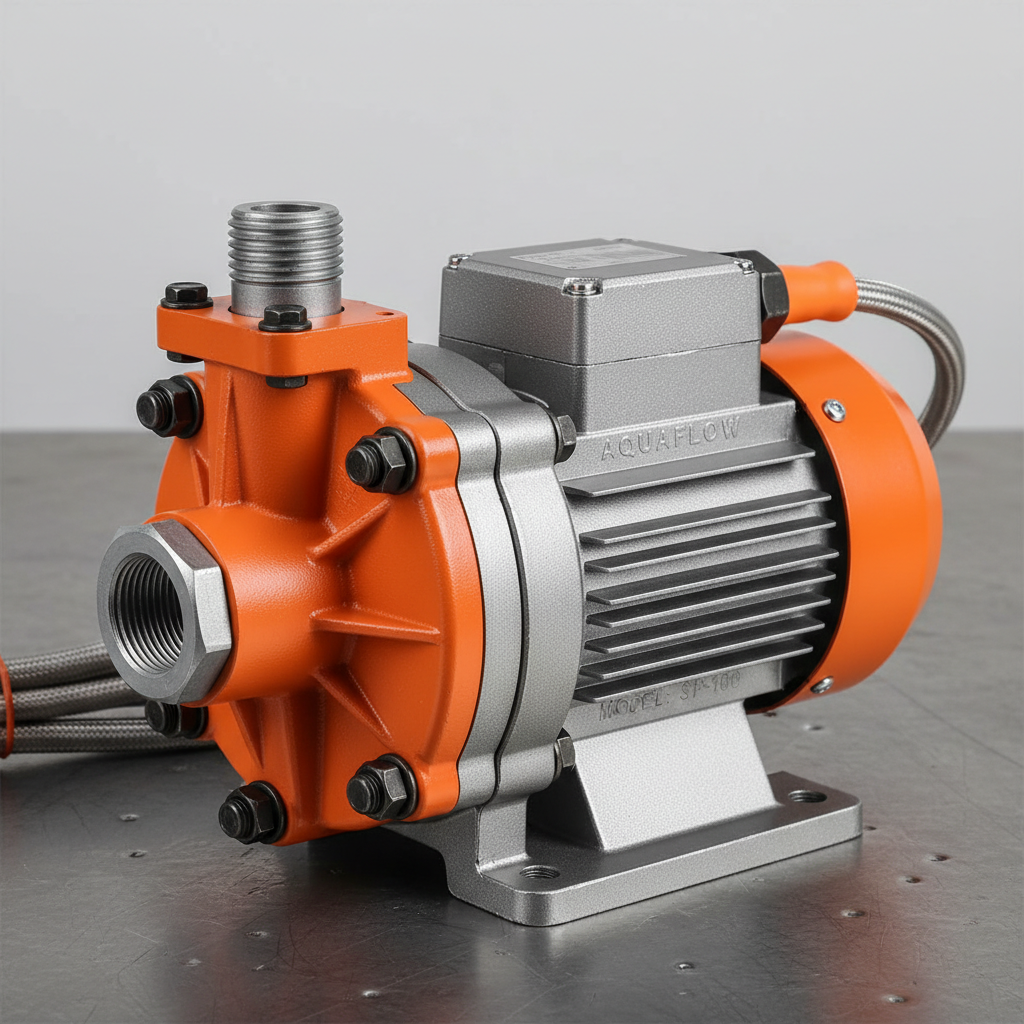 Choosing the Right Mini Submersible Fountain Pump for Optimal Water Feature PerformanceCreating a beautiful and relaxing water feature doesn't have to be complicated. A mini submersible fountain pump is the heart of any indoor or outdoor fountain, and selecting the right one is crucial for optimal performance and longevity. This article will guide you through the key considerations when choosing a mini submersible fountain pump, covering types, features, applications, and how to ensure you get the perfect pump for your project. We’ll also explore how Wellpumpact can provide you with the ideal solution.Detail
 Afrikaans
 Albanian
 Amharic
 Arabic
 Armenian
 Azerbaijani
 Basque
 Belarusian
 Bengali
 Bosnian
 Bulgarian
 Catalan
 Cebuano
 Corsican
 Croatian
 Czech
Czech
 Danish
 Dutch
Dutch
 Esperanto
 Estonian
 Finnish
 French
 Frisian
 Galician
 Georgian
 German
 Greek
Greek
 Gujarati
 Haitian Creole
 Hausa
Hausa
 Hawaiian
 Hebrew
 Hindi
Hindi
 Miao
Miao
 Hungarian
 Icelandic
 Igbo
Igbo
 Indonesian
 Irish
Irish
 Italian
 Japanese
 Javanese
 Kannada
 Kazakh
 Khmer
Khmer
 Rwandese
 Korean
 Kurdish
 Kyrgyz
 Lao
Lao
 Latin
Latin
 Latvian
 Lithuanian
 Luxembourgish
 Macedonian
 Malgashi
 Malay
Malay
 Malayalam
 Maltese
 Maori
Maori
 Marathi
 Mongolian
 Myanmar
 Nepali
 Norwegian
 Norwegian
 Occitan
 Pashto
 Persian
 Polish
 Portuguese
 Punjabi
 Romanian
 Russian
 Samoan
 Scottish Gaelic
 Serbian
 Sesotho
 Shona
Shona
 Sindhi
 Sinhala
 Slovak
 Slovenian
 Somali
 Spanish
 Sundanese
 Swahili
 Swedish
 Tagalog
 Tajik
Tajik
 Tamil
Tamil
 Tatar
Tatar
 Telugu
 Thai
Thai
 Turkish
 Turkmen
 Ukrainian
 Urdu
Urdu
 Uighur
 Uzbek
Uzbek
 Vietnamese
 Welsh
Welsh
 Bantu
Bantu
 Yiddish
 Yoruba
 Zulu
Zulu
 English