
Dec . 08, 2025 00:35 Back to list
Cost of Submersible Well Pump Replacement – Comprehensive Guide & Practical Insights
Understanding the Cost of Submersible Well Pump Replacement: What You Need to Know
When you think about water supply systems, submersible well pumps are often the unsung heroes. They quietly push groundwater to the surface, supporting everything from agriculture to rural homes and even emergency relief efforts worldwide. But like any mechanical system, these pumps wear out and replacing them carries costs that can have ripple effects — both financially and operationally. So, understanding the cost of submersible well pump replacement is not only a technical concern but also a key piece in managing water infrastructure efficiently and sustainably on a global scale.
Why does this matter globally? For one, the United Nations highlights that about 2.2 billion people lack safely managed drinking water services. A reliable well pump can be the difference between safe access and scarcity. But replacement isn’t as simple as ordering a new unit: price varies with quality, depth, power needs, and location-specific challenges. Let’s dig deeper.
What Does the Cost of Submersible Well Pump Replacement Really Mean?
At its core, the cost of submersible well pump replacement includes all expenses tied to removing a failing pump and installing a new one. This covers the price of the pump itself plus labor, transportation, electrical work, and sometimes—modest modifications to the well casing or control systems.
Submersible pumps are designed to operate submerged under water, typically at the bottom of a deep well. Their relevance spans industries: agriculture relies on them for irrigation, municipalities for drinking water, and humanitarian groups for clean water in disaster zones. When these pumps fail, replacing them swiftly and cost-effectively is critical to avoid water shortages and costly downtime.
Key Factors Affecting Replacement Costs
1. Durability and Quality
Pumps made from premium materials like stainless steel have longer lifespans and resist corrosion better—this almost always pushes initial costs up but can save money over years.
2. Well Depth and Pump Size
Deeper wells require higher capacity pumps to push water effectively. Larger or specialized pumps cost more and are more challenging to install.
3. Installation Complexity
Remote or difficult-to-access sites increase labor and transport fees. Complex well designs or older equipment may need additional modifications, adding to cost.
4. Energy Efficiency
Modern, energy-efficient pumps might have a higher upfront price but lower operating costs, shifting the cost-benefit balance.
5. Vendor and Warranty
Reputable manufacturers with good warranties might charge more but generally offer greater reliability and less downtime.
Mini Takeaway: The cost isn’t just a dollar figure; it’s a balance of immediate expense against longevity, performance, and operational impact.
Submersible Pump Specs: A Typical Product Overview
| Specification | Typical Value |
|---|---|
| Power Rating | 1–5 HP (Horsepower) |
| Material | Stainless Steel & Thermoplastics |
| Max Head (Lift Height) | Up to 300 meters (approx. 980 ft) |
| Flow Rate | Up to 200 GPM (gallons per minute) |
| Warranty | 1–3 years |
Global Applications & Use Cases
From rural farms in Sub-Saharan Africa to municipal water systems in North America, the cost of submersible well pump replacement varies by region and application.
- Agricultural Irrigation: Remote farms use submersible pumps to access deep groundwater. Timely replacement minimizes crop losses.
- Disaster Relief: After floods or earthquakes, NGOs install portable or fixed submersible pumps to restore clean water quickly.
- Industrial Sites: Oilfields and mining operations depend on well pumps as part of their water management systems to prevent contamination.
- Municipal Water Systems: Urban utilities replace pumps based on life cycle assessments to optimize budgets and minimize outages.
In some regions, government policies subsidize pump purchases to improve water access — highlighting how economics and social factors intertwine.
Vendor Comparison: Trusted Suppliers for Submersible Pumps
| Vendor | Price Range | Warranty | Energy Efficiency |
|---|---|---|---|
| PumpCo | $700 - $1200 | 2 years | Standard |
| WellWater Solutions | $900 - $1400 | 3 years | High Efficiency IE3 Motors |
| AquaTech | $650 - $1100 | 1 year | Standard |
Advantages and Long-Term Value
Investing in quality submersible pump replacements pays off in several ways. Beyond the obvious, reduced downtime safeguards community health and productivity. A durable, well-chosen pump translates to lowered electricity consumption and fewer servicing calls — both critical in remote or low-resource settings.
There is also an emotional side. Knowing that a reliable water supply can help protect children's health or maintain farmers’ livelihoods instills a measure of dignity and hope for communities everywhere. Engineers and project managers often stress that trust in equipment directly relates to confidence in ongoing infrastructure planning.
Emerging Trends and Innovations
The future of submersible well pump replacement is exciting, honestly. We're seeing a push towards green energy integration, with solar-powered pumps gaining traction especially in off-grid areas. Automation and IoT sensors allow operators to monitor pump health remotely, anticipating failures before they happen — which can reduce replacement frequency and costs.
Materials science also marches on. New composites promising longer life spans and lighter weight casings hint at lower transportation fees and ease of installation. Additionally, international standards from bodies like ISO help ensure pump replacements meet energy and environmental criteria globally.
Challenges and Creative Solutions
Replacement still faces hurdles: lack of trained technicians in remote regions, high upfront costs, and intermittent electricity supplies. However, modular pump designs and mobile service units are gaining ground, easing installation and maintenance. Some NGOs offer pump financing or lease programs to spread cost over time.
Frequently Asked Questions About the Cost of Submersible Well Pump Replacement
Q1: What factors most influence the cost of replacing a submersible well pump?
A1: Depth of the well, pump horsepower, material quality, and installation complexity all play significant roles. Remote locations often add to labor and transport expenses, pushing the total cost higher.
Q2: How often should submersible well pumps be replaced?
A2: Typically every 10–15 years, depending on operational conditions and maintenance. Pumps showing increased energy consumption or reduced flow rates usually signal the need for replacement.
Q3: Can I replace a submersible pump myself to save costs?
A3: Unless you have proper expertise and equipment, it’s generally not recommended. Incorrect installation can damage the pump or well, leading to higher expenses down the line.
Q4: Are newer pumps more energy-efficient?
A4: Yes. Advances like IE3 motors reduce electricity consumption, which lowers operating costs and environmental impact over the pump’s lifetime.
Q5: Where can I find reliable information on submersible pump pricing?
A5: Vendor websites, industry publications, and specialist forums are good starting points. For budgeting and purchase planning, cost of submersible well pump replacement guides are helpful resources.
Conclusion
In real terms, the cost of submersible well pump replacement reflects not just dollars but the sustainability and resilience of water access. Opting for the right pump, paying attention to emerging technologies, and planning carefully can extend service life and reduce financial shocks. If reliable water is the backbone to health, agriculture, and industry, then understanding and managing replacement costs is the first step toward a more stable and equitable future.
Looking for detailed, practical guidance on pump replacement? Visit our website: https://www.wellpumpact.com.
Oddly enough, while the subject might seem niche, it touches on what keeps the taps flowing in places we often take for granted.
References:
1. United Nations, “Water,” 2023, un.org
2. ISO 10816-7:2020, Guidelines on monitoring mechanical vibration of pumps
3. Wikipedia contributors, "Submersible pump," Wikipedia, en.wikipedia.org
-
Understanding the Price Submersible Pump and Buyer Guide
NewsApr.16,2026
-
Factors Affecting the Price for Submersible Pump a Buyers Guide
NewsApr.09,2026
-
Choosing the Right Mini Submersible Fountain Pump for Optimal Water Feature Performance
NewsApr.07,2026
-
A Detailed Guide to Installing a Submersible Pump for Optimal Performance
NewsApr.04,2026
-
Comprehensive Guide on How to Test a Submersible Water Well Pump Effectively
NewsMar.31,2026
-
Learn How to Replace a Submersible Well Pump Safely and Effectively
NewsMar.28,2026
-
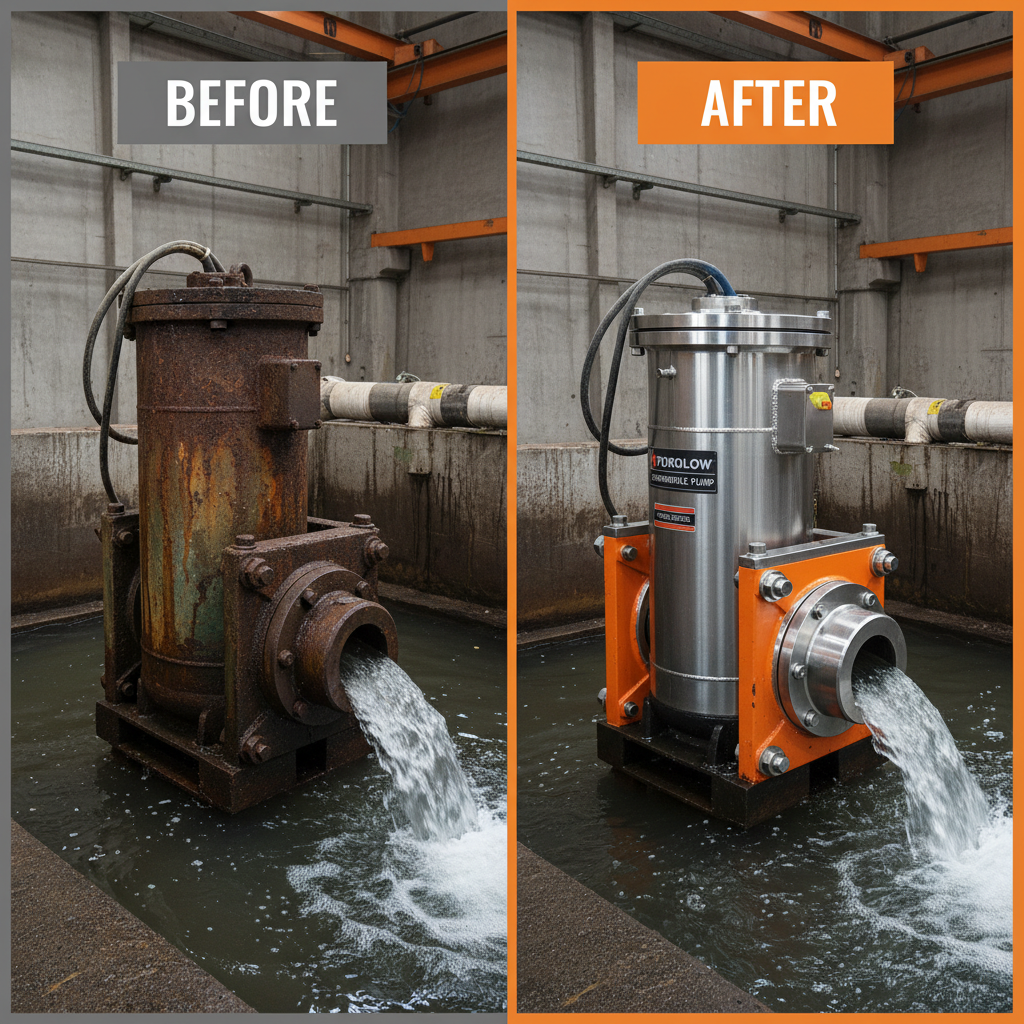 Understanding the Price Submersible Pump and Buyer GuideWhen searching for the ideal water management solution, understanding the price submersible pump options is crucial for balancing budget with performance. Whether you are dealing with a flooded basement, managing agricultural irrigation, or extracting water from a deep well, the cost of a submersible pump can vary significantly based on its build quality and capacity. Investing in a high-quality pump ensures long-term reliability and reduces the frequency of expensive replacements. In this guide, we will break down the factors that influence pricing and help you make an informed decision for your specific needs.Detail
 -
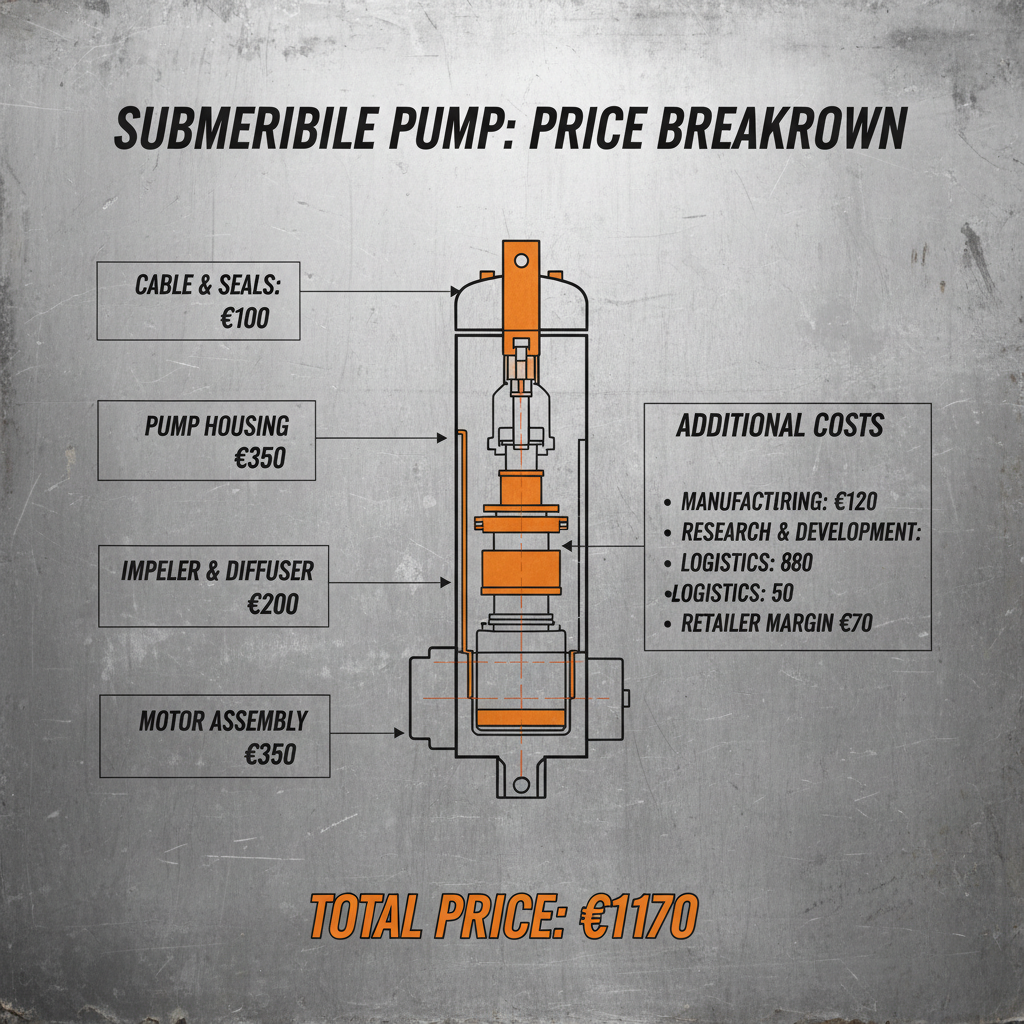 Factors Affecting the Price for Submersible Pump a Buyers GuideWhen investing in water management systems, understanding the price for submersible pump options is essential for balancing performance with budget. Whether you are managing a residential well, an industrial drainage project, or agricultural irrigation, the cost of a pump is rarely a flat fee; it is a reflection of the engineering, materials, and capacity required for your specific environment. In this guide, we will break down the factors that influence pricing and help you determine the best value for your investment to ensure long-term reliability and efficiency.Detail
 -
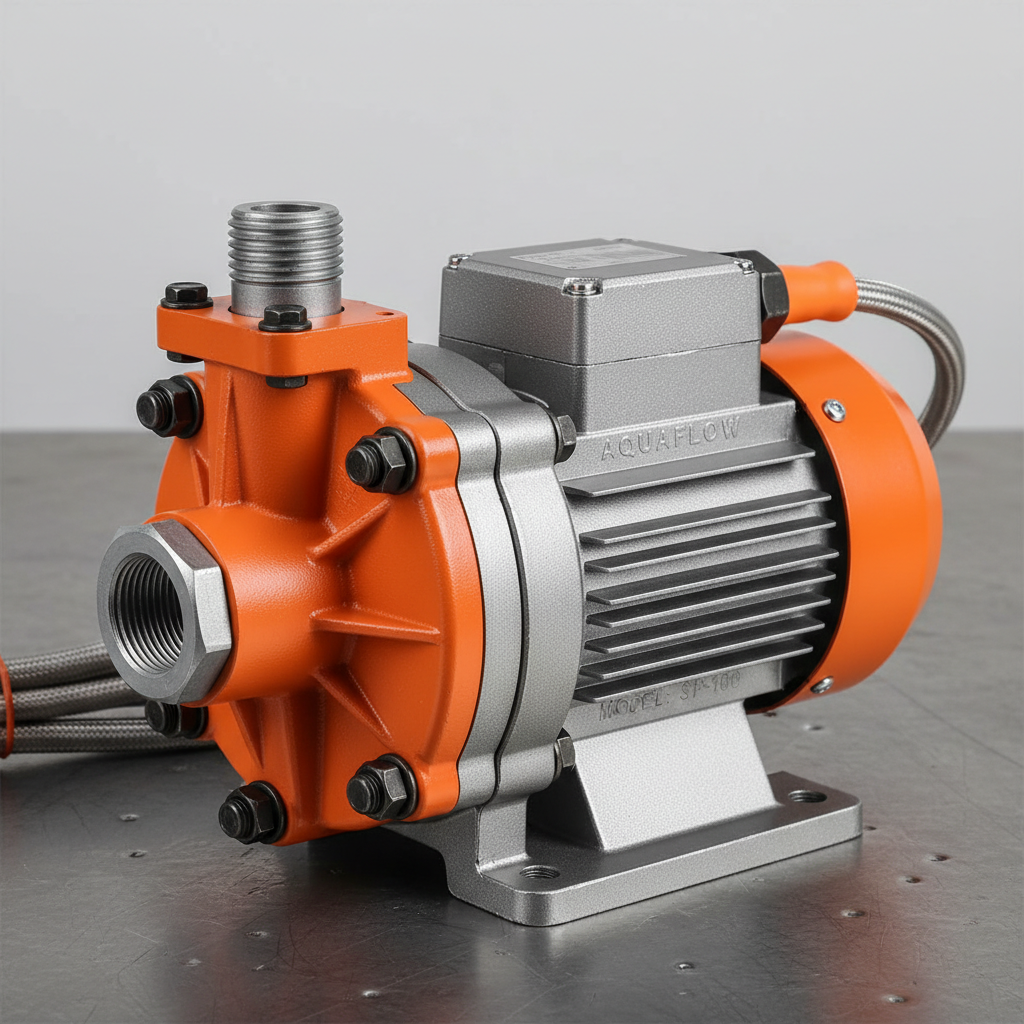 Choosing the Right Mini Submersible Fountain Pump for Optimal Water Feature PerformanceCreating a beautiful and relaxing water feature doesn't have to be complicated. A mini submersible fountain pump is the heart of any indoor or outdoor fountain, and selecting the right one is crucial for optimal performance and longevity. This article will guide you through the key considerations when choosing a mini submersible fountain pump, covering types, features, applications, and how to ensure you get the perfect pump for your project. We’ll also explore how Wellpumpact can provide you with the ideal solution.Detail
 Afrikaans
 Albanian
 Amharic
 Arabic
 Armenian
 Azerbaijani
 Basque
 Belarusian
 Bengali
 Bosnian
 Bulgarian
 Catalan
 Cebuano
 Corsican
 Croatian
 Czech
Czech
 Danish
 Dutch
Dutch
 Esperanto
 Estonian
 Finnish
 French
 Frisian
 Galician
 Georgian
 German
 Greek
Greek
 Gujarati
 Haitian Creole
 Hausa
Hausa
 Hawaiian
 Hebrew
 Hindi
Hindi
 Miao
Miao
 Hungarian
 Icelandic
 Igbo
Igbo
 Indonesian
 Irish
Irish
 Italian
 Japanese
 Javanese
 Kannada
 Kazakh
 Khmer
Khmer
 Rwandese
 Korean
 Kurdish
 Kyrgyz
 Lao
Lao
 Latin
Latin
 Latvian
 Lithuanian
 Luxembourgish
 Macedonian
 Malgashi
 Malay
Malay
 Malayalam
 Maltese
 Maori
Maori
 Marathi
 Mongolian
 Myanmar
 Nepali
 Norwegian
 Norwegian
 Occitan
 Pashto
 Persian
 Polish
 Portuguese
 Punjabi
 Romanian
 Russian
 Samoan
 Scottish Gaelic
 Serbian
 Sesotho
 Shona
Shona
 Sindhi
 Sinhala
 Slovak
 Slovenian
 Somali
 Spanish
 Sundanese
 Swahili
 Swedish
 Tagalog
 Tajik
Tajik
 Tamil
Tamil
 Tatar
Tatar
 Telugu
 Thai
Thai
 Turkish
 Turkmen
 Ukrainian
 Urdu
Urdu
 Uighur
 Uzbek
Uzbek
 Vietnamese
 Welsh
Welsh
 Bantu
Bantu
 Yiddish
 Yoruba
 Zulu
Zulu
 English