
Nov . 26, 2025 17:55 Back to list
Discover How 12 Volt Submersible Pumps Change Water Access Worldwide
Understanding the 12 Volt Submersible Pump: A Simple Power Tool with Big Global Impact
When I first stumbled across 12 volt submersible pump in a remote agricultural project, I didn’t realize how such a compact device could play a huge role globally—or why it’s become a buzzword in areas like disaster relief, rural water access, and off-grid applications. In simple terms, these pumps are powered by 12-volt DC electricity and can be submerged directly into water sources to move water efficiently. Why does this matter globally? Because access to reliable water pumping methods affects billions, and these pumps offer a uniquely portable, low-power solution.
Just think about remote villages, disaster zones, or off-grid farms where traditional power isn’t reliable, or fuel-dependent pumps are expensive and polluting. The 12-volt submersible pump helps solve these issues by running on batteries or solar panels, delivering water without the usual hassles. Understanding its benefits and limitations helps engineers, humanitarian agencies, and even DIY enthusiasts make smarter decisions for water management worldwide.
Why the 12 Volt Submersible Pump Holds Global Relevance Today
Oddly enough, while water scarcity is a pressing issue highlighted by the United Nations, many communities have abundant sources but lack the infrastructure to pump it economically. According to the World Bank, nearly 2.2 billion people lack safely managed drinking water. In places without grid access, a pump that runs on 12 volts—usually from deep-cycle batteries coupled with solar charging—is a practical game-changer. The demand for solutions that do not rely on fossil fuels, complicated installations, or constant maintenance has surged.
But there’s also a challenge. Traditional fuel pumps are heavy, noisy, and expensive to operate. Grid electric pumps demand infrastructure that simply isn’t there in many parts of sub-Saharan Africa, Southeast Asia, or rural Latin America. In this context, 12 volt submersible pumps step in to fill a niche: they’re portable, compatible with renewable energy, and more affordable upfront. Still, they aren’t a silver bullet, and sorting the options requires some know-how.
What Exactly Is a 12 Volt Submersible Pump?
At its core, a 12 volt submersible pump is an electrically powered water pump designed to operate underwater, drawing water from wells, boreholes, tanks, or lakes. The “12 volt” part refers to direct current (DC) electrical systems, which can be powered via automotive batteries, solar battery banks, or other DC sources rather than requiring AC mains power.
Unlike surface pumps sitting outside the water, submersible pumps sit fully submerged, preventing pump cavitation (which damages pumps) and improving efficiency. Their design usually involves a sealed motor coupled coaxially to the pump mechanism. What connects them to modern industry and humanitarian work is their ease of integration with renewable energy, crucial where infrastructure is lacking or power reliability is shaky.
Key Features of 12 Volt Submersible Pumps That Matter
1. Durability & Water Resistance
Because these pumps live underwater, they’re built tough with sealed motors and corrosion-resistant materials like stainless steel or reinforced plastics. Many engineers I’ve talked with emphasize the importance of IP68 ratings to ensure long-term reliability.
2. Power Efficiency
Running on 12 volts means they don’t guzzle power like their AC counterparts. This efficiency allows them to draw less current — perfect for solar-charged battery setups where every amp-hour counts.
3. Scalability
Available in sizes from small fountain pumps to units capable of moving several gallons per minute, these pumps scale well with the project size—from individual irrigation to small communities.
4. Portability & Easy Setup
Many of these pumps weigh less than 10 pounds and install in moments. It’s common to find “plug and play” models designed by manufacturers to simplify use outside technical fields.
5. Cost Efficiency
The relatively low purchase price, combined with minimal running costs, makes them appealing for low-income communities or short-term uses in emergencies.
12 Volt Submersible Pump Specification Table
| Feature | Typical Specification |
|---|---|
| Voltage Rating | 12 V DC |
| Max Flow Rate | Up to 15 liters/minute (varies by model) |
| Max Head (Lift Height) | Up to 30 meters |
| Pump Material | Stainless steel / reinforced plastic |
| IP Rating | IP68 - water and dust tight |
| Motor Type | Brushless DC motor (common) |
| Typical Weight | 5-8 lbs (2.3 - 3.6 kg) |
Where in the World Are These Pumps Making a Real Difference?
Several regions around the globe turn to 12 volt submersible pumps, especially where electricity supply is patchy or non-existent. In sub-Saharan Africa, NGOs use these pumps paired with small solar arrays to provide clean water for villages far from main grids. One notable example is a clean water project in Kenya where communities reported a 60% reduction in water-fetching times.
In Southeast Asia’s flood-prone zones, these pumps serve emergency relief efforts by quickly draining waterlogged areas. Similarly, remote industrial zones, such as off-grid mining sites in South America, rely on these pumps to keep operations sustainable and manageable without expensive fuel logistics.
Even recreational sectors like boating and RVs benefit, for water transfer and bilge pumping. The portability and simple power needs mean the pumps slip easily into varied roles.
Comparing Leading 12 Volt Submersible Pump Vendors
| Feature / Vendor | PumpCo | SolarPumpX | AquaVolt |
|---|---|---|---|
| Max Flow Rate (L/min) | 12 | 15 | 10 |
| Max Head (m) | 25 | 30 | 20 |
| Weight (lbs) | 6.5 | 5.8 | 7.0 |
| Materials | Stainless Steel/Plastic | Reinforced Plastic | All Stainless Steel |
| Price Range (USD) | $90 - $150 | $120 - $180 | $110 - $170 |
What Are the Advantages and Long-Term Benefits?
- Cost Savings: Lower energy consumption means smaller batteries and charging setups, saving both cash and hassle.
- Sustainability: Solar integration eliminates fuel emissions, aligning with environmental goals.
- Improved Health & Safety: More reliable water supply reduces risk of waterborne diseases and frees women and children from long walks.
- Innovation & Trust: Users feel empowered by dependable, easy-to-use technology, making communities more resilient.
Honestly, it’s not just about price tags or energy stats. The emotional impact of restoring water access—safety, dignity, and hope—is what I often hear from humanitarian workers using these devices.
Looking Ahead: Trends and Innovations on the Horizon
It feels like the next wave involves smarter pumps with integrated sensors, IoT connectivity for remote monitoring, and more durable, eco-friendly materials like bioplastics. Automated systems adjusting pump speed for optimal solar output are already emerging.
On a policy level, international development bodies now recommend decentralized, solar-powered water systems, which obviously align with 12 volt submersible pumps. This blend of tech and policy nudges manufacturers towards sustainability, affordability, and robustness.
Challenges & Practical Solutions in Using 12 Volt Submersible Pumps
Two common complaints arise: limited head height in some models, and short battery life if energy management isn’t spot on. Some engineers suggest pairing pumps with energy-efficient solar arrays or hybrid power sources to overcome these issues.
Maintenance can also scare off users, but many new designs feature modular components—brushless motors, fewer moving parts—which cut down failure points and extend life.
FAQ: Practical Questions About 12 Volt Submersible Pumps
- Q: How long will a 12 volt submersible pump run on a typical battery setup?
- A: It depends on pump specs and battery capacity; roughly 4-6 hours on a 100Ah deep-cycle battery at moderate flow rates. Solar charging can extend operation indefinitely in sunny climates.
- Q: Can these pumps handle sand or small debris?
- Some models tolerate light sediment, but generally it’s best to use pre-filters in dusty water to avoid clogging and wear.
- Q: Are 12 volt pumps safe for drinking water?
- When constructed with food-grade materials and properly sealed, yes. Check vendor certifications to confirm compliance.
- Q: Is installation complicated for someone with no electrical experience?
- Most pumps come with simple wiring and plug connectors, but pairing with batteries/solar may require basic knowledge or professional help.
- Q: What maintenance do these pumps need?
- Routine checks for debris, motor cooling, and battery health suffice. Many users clean or replace filters seasonally.
Wrapping Up: Why This Small Pump Packs a Powerful Punch
It’s a reminder that sometimes, the most impactful solutions are unexpectedly low-tech yet cleverly designed. The 12 volt submersible pump is an ideal blend of portability, efficiency, and affordability that’s reached people and projects across continents. Whether it’s easing the burden of water gathering or powering emergency efforts, these pumps keep turning the wheels of progress in places that need it most.
If you’re interested in exploring these pumps further, or sourcing units tailored to your needs, visit wellpumpact.com — it’s a great starting point packed with resources and product options.
References:
1. United Nations Water Scarcity Fact Sheet – un.org/waterforlifedecade/scarcity
2. World Bank Water Access Reports – datatopics.worldbank.org
3. ISO Standards for Small Pumps – iso.org
-
Understanding the Price Submersible Pump and Buyer Guide
NewsApr.16,2026
-
Factors Affecting the Price for Submersible Pump a Buyers Guide
NewsApr.09,2026
-
Choosing the Right Mini Submersible Fountain Pump for Optimal Water Feature Performance
NewsApr.07,2026
-
A Detailed Guide to Installing a Submersible Pump for Optimal Performance
NewsApr.04,2026
-
Comprehensive Guide on How to Test a Submersible Water Well Pump Effectively
NewsMar.31,2026
-
Learn How to Replace a Submersible Well Pump Safely and Effectively
NewsMar.28,2026
-
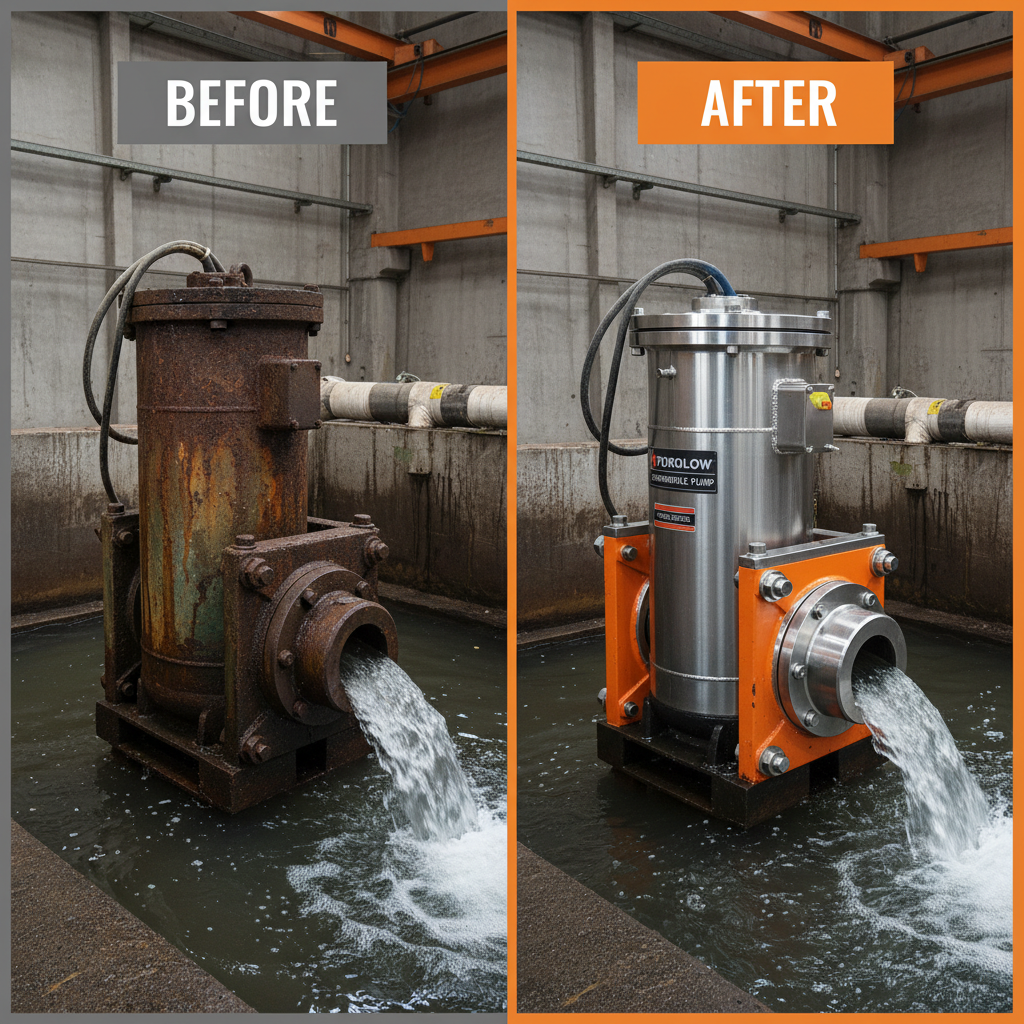 Understanding the Price Submersible Pump and Buyer GuideWhen searching for the ideal water management solution, understanding the price submersible pump options is crucial for balancing budget with performance. Whether you are dealing with a flooded basement, managing agricultural irrigation, or extracting water from a deep well, the cost of a submersible pump can vary significantly based on its build quality and capacity. Investing in a high-quality pump ensures long-term reliability and reduces the frequency of expensive replacements. In this guide, we will break down the factors that influence pricing and help you make an informed decision for your specific needs.Detail
 -
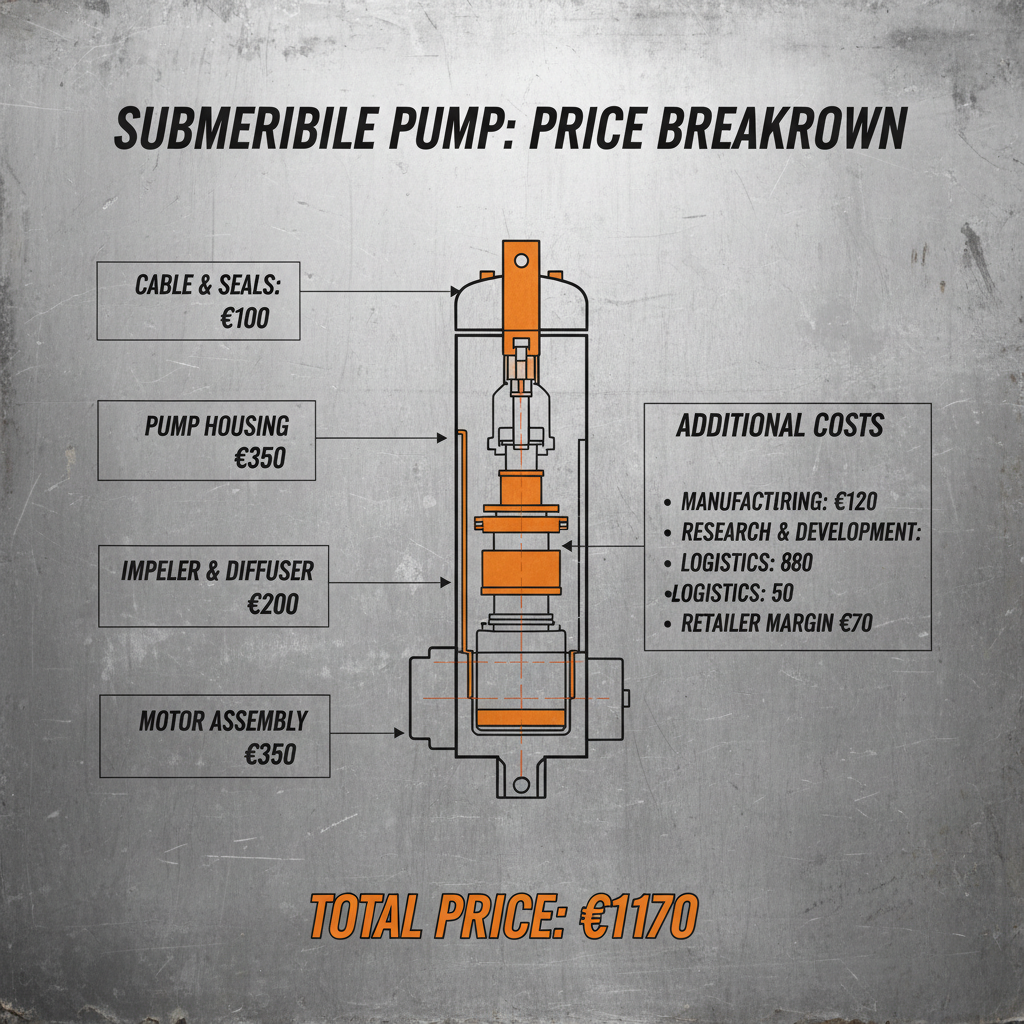 Factors Affecting the Price for Submersible Pump a Buyers GuideWhen investing in water management systems, understanding the price for submersible pump options is essential for balancing performance with budget. Whether you are managing a residential well, an industrial drainage project, or agricultural irrigation, the cost of a pump is rarely a flat fee; it is a reflection of the engineering, materials, and capacity required for your specific environment. In this guide, we will break down the factors that influence pricing and help you determine the best value for your investment to ensure long-term reliability and efficiency.Detail
 -
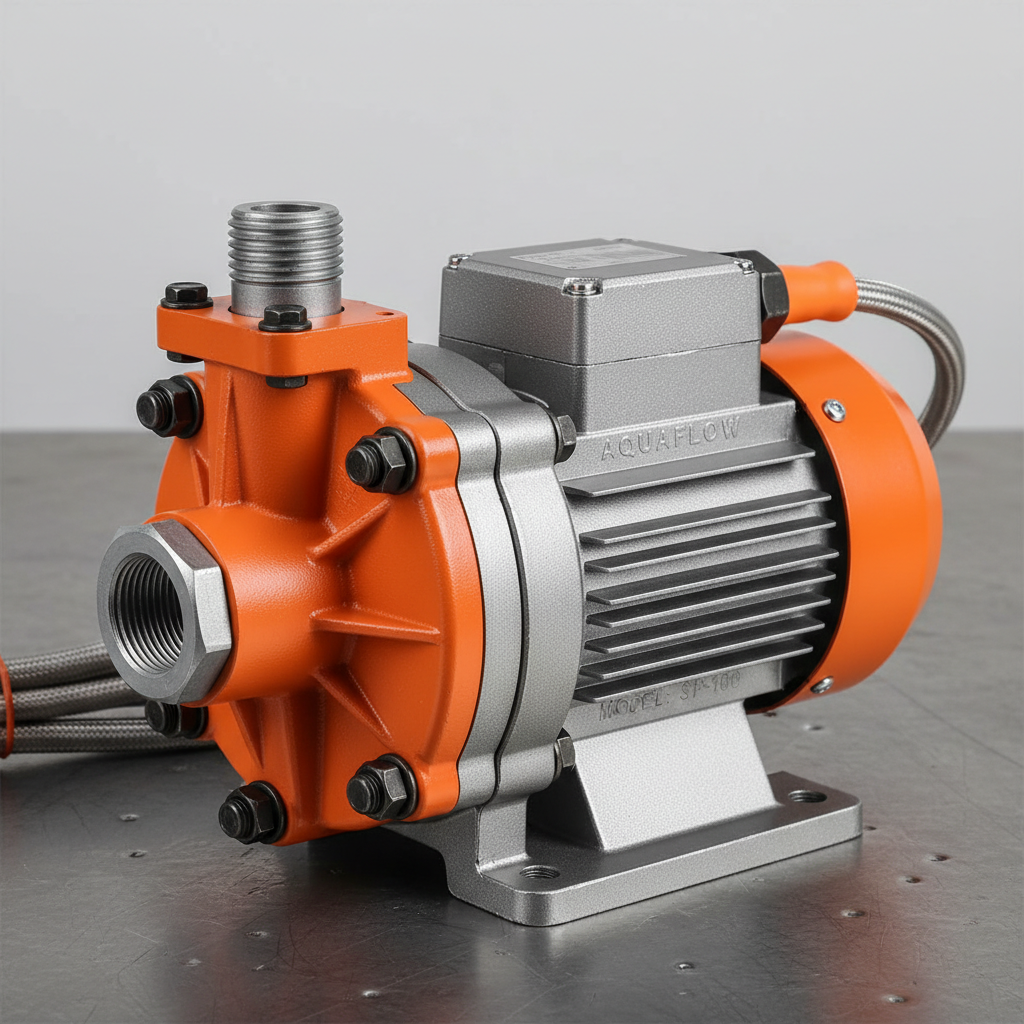 Choosing the Right Mini Submersible Fountain Pump for Optimal Water Feature PerformanceCreating a beautiful and relaxing water feature doesn't have to be complicated. A mini submersible fountain pump is the heart of any indoor or outdoor fountain, and selecting the right one is crucial for optimal performance and longevity. This article will guide you through the key considerations when choosing a mini submersible fountain pump, covering types, features, applications, and how to ensure you get the perfect pump for your project. We’ll also explore how Wellpumpact can provide you with the ideal solution.Detail
 Afrikaans
 Albanian
 Amharic
 Arabic
 Armenian
 Azerbaijani
 Basque
 Belarusian
 Bengali
 Bosnian
 Bulgarian
 Catalan
 Cebuano
 Corsican
 Croatian
 Czech
Czech
 Danish
 Dutch
Dutch
 Esperanto
 Estonian
 Finnish
 French
 Frisian
 Galician
 Georgian
 German
 Greek
Greek
 Gujarati
 Haitian Creole
 Hausa
Hausa
 Hawaiian
 Hebrew
 Hindi
Hindi
 Miao
Miao
 Hungarian
 Icelandic
 Igbo
Igbo
 Indonesian
 Irish
Irish
 Italian
 Japanese
 Javanese
 Kannada
 Kazakh
 Khmer
Khmer
 Rwandese
 Korean
 Kurdish
 Kyrgyz
 Lao
Lao
 Latin
Latin
 Latvian
 Lithuanian
 Luxembourgish
 Macedonian
 Malgashi
 Malay
Malay
 Malayalam
 Maltese
 Maori
Maori
 Marathi
 Mongolian
 Myanmar
 Nepali
 Norwegian
 Norwegian
 Occitan
 Pashto
 Persian
 Polish
 Portuguese
 Punjabi
 Romanian
 Russian
 Samoan
 Scottish Gaelic
 Serbian
 Sesotho
 Shona
Shona
 Sindhi
 Sinhala
 Slovak
 Slovenian
 Somali
 Spanish
 Sundanese
 Swahili
 Swedish
 Tagalog
 Tajik
Tajik
 Tamil
Tamil
 Tatar
Tatar
 Telugu
 Thai
Thai
 Turkish
 Turkmen
 Ukrainian
 Urdu
Urdu
 Uighur
 Uzbek
Uzbek
 Vietnamese
 Welsh
Welsh
 Bantu
Bantu
 Yiddish
 Yoruba
 Zulu
Zulu
 English