
Dec . 13, 2024 16:48 Back to list
do you have to prime a submersible pump
Do You Have to Prime a Submersible Pump?
When it comes to pumping water from a deep well or a sump, submersible pumps have become a popular choice due to their efficiency and ability to operate underwater. However, one of the common questions that arise when discussing submersible pumps is whether they need to be primed before use. To answer this question, we need to look at how submersible pumps operate and the difference between priming and non-priming pumps.
Understanding Submersible Pumps
Submersible pumps are designed to be submerged in the liquid they are intended to pump. These pumps are hermetically sealed, meaning their motor and other functioning parts are inside a casing that prevents water from entering. This design allows the pump to push water to the surface effectively. Unlike traditional centrifugal pumps that are installed above the water source, submersible pumps do not rely on atmospheric pressure to draw water up, which is a fundamental aspect of their operation.
Priming What Is It?
Priming is the process of filling a pump with liquid (usually water) to eliminate air pockets in the pump and its piping before it starts pumping. This is crucial for many types of pumps, particularly those that are above the water source, such as jet pumps and some centrifugal pumps. If air remains in the pump system, it can prevent proper operation, causing the pump to cavitate, which can lead to significant damage over time.
Do Submersible Pumps Need Priming?
The short answer is no; submersible pumps do not require priming in the traditional sense. Because they are submerged in water, they are already surrounded by the liquid they need to pump. When powered on, these pumps can create suction from below, allowing them to begin operations immediately without the need for manual priming.
do you have to prime a submersible pump
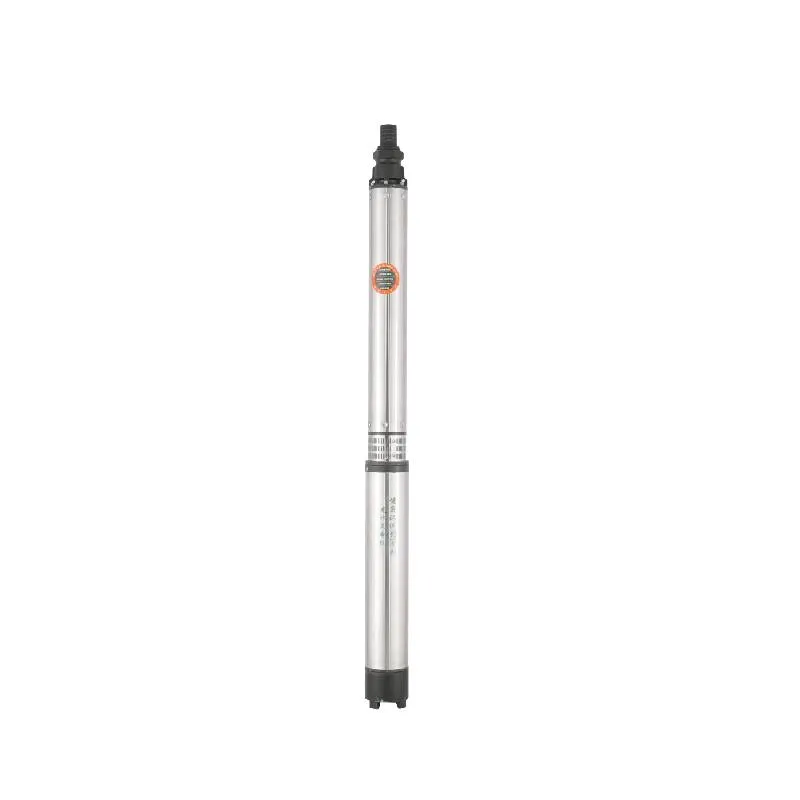
However, there are a few considerations to keep in mind
1. Initial Setup While submersible pumps do not need to be primed, it is essential to ensure that the pump is correctly positioned in the water source. Improper placement can lead to air exposure, especially if the water level is low.
2. Lifting Water from a Depth If a submersible pump is used in a well, the water level must be sufficient for the pump to function correctly. If the water level drops below the pump intake, it can lead to dry running or cavitation, which could harm the pump.
3. Air Lock Issues On rare occasions, if a submersible pump is installed incorrectly or has been dislodged, it may trap air within the system. Although this is not typical, if you notice that the pump isn't working after installation, it is a good idea to inspect for any air locks that may need resolving.
4. Self-Priming Behavior Some submersible pumps can handle minor air issues without significant operational interruption thanks to their design. They can self-prime to some extent as they start, which is a considerable advantage.
Conclusion
In conclusion, submersible pumps do not require priming like other pumps that sit above the water level. Their design allows them to operate efficiently underwater, making them an excellent choice for various applications, including residential sump pumping and agricultural irrigation. Just remember to verify the correct installation and ensure that the water level is appropriate for optimal operation. With the right setup, a submersible pump can provide years of reliable service without the issues associated with priming necessary for other pump types.
-
Understanding the Price Submersible Pump and Buyer Guide
NewsApr.16,2026
-
Factors Affecting the Price for Submersible Pump a Buyers Guide
NewsApr.09,2026
-
Choosing the Right Mini Submersible Fountain Pump for Optimal Water Feature Performance
NewsApr.07,2026
-
A Detailed Guide to Installing a Submersible Pump for Optimal Performance
NewsApr.04,2026
-
Comprehensive Guide on How to Test a Submersible Water Well Pump Effectively
NewsMar.31,2026
-
Learn How to Replace a Submersible Well Pump Safely and Effectively
NewsMar.28,2026
-
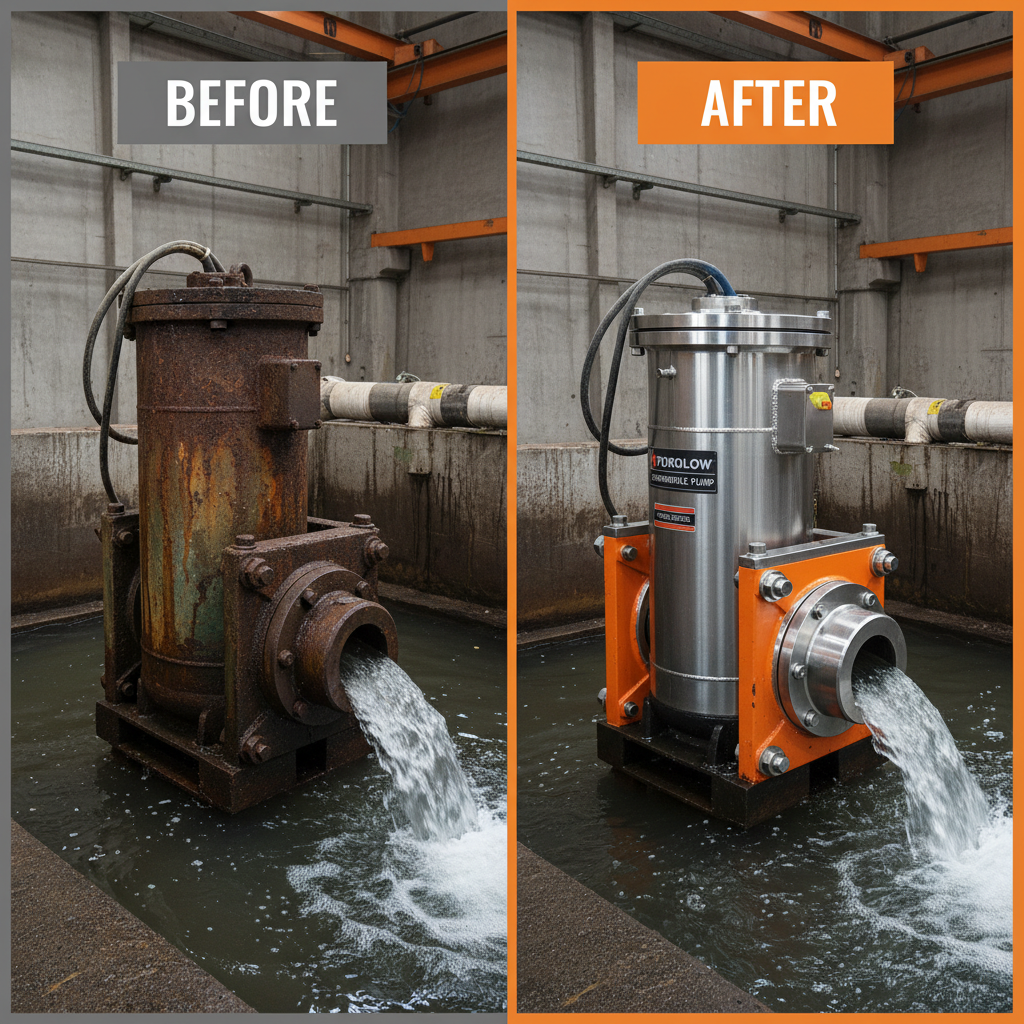 Understanding the Price Submersible Pump and Buyer GuideWhen searching for the ideal water management solution, understanding the price submersible pump options is crucial for balancing budget with performance. Whether you are dealing with a flooded basement, managing agricultural irrigation, or extracting water from a deep well, the cost of a submersible pump can vary significantly based on its build quality and capacity. Investing in a high-quality pump ensures long-term reliability and reduces the frequency of expensive replacements. In this guide, we will break down the factors that influence pricing and help you make an informed decision for your specific needs.Detail
 -
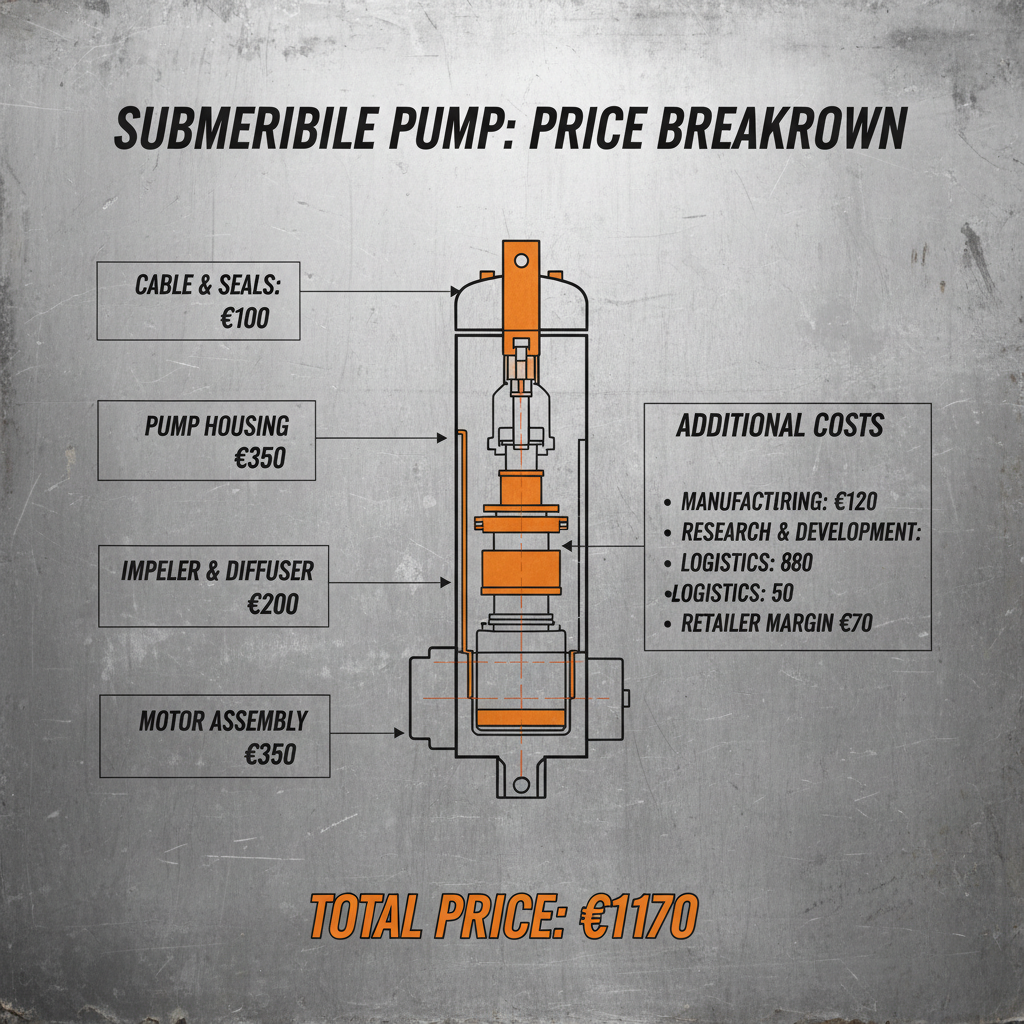 Factors Affecting the Price for Submersible Pump a Buyers GuideWhen investing in water management systems, understanding the price for submersible pump options is essential for balancing performance with budget. Whether you are managing a residential well, an industrial drainage project, or agricultural irrigation, the cost of a pump is rarely a flat fee; it is a reflection of the engineering, materials, and capacity required for your specific environment. In this guide, we will break down the factors that influence pricing and help you determine the best value for your investment to ensure long-term reliability and efficiency.Detail
 -
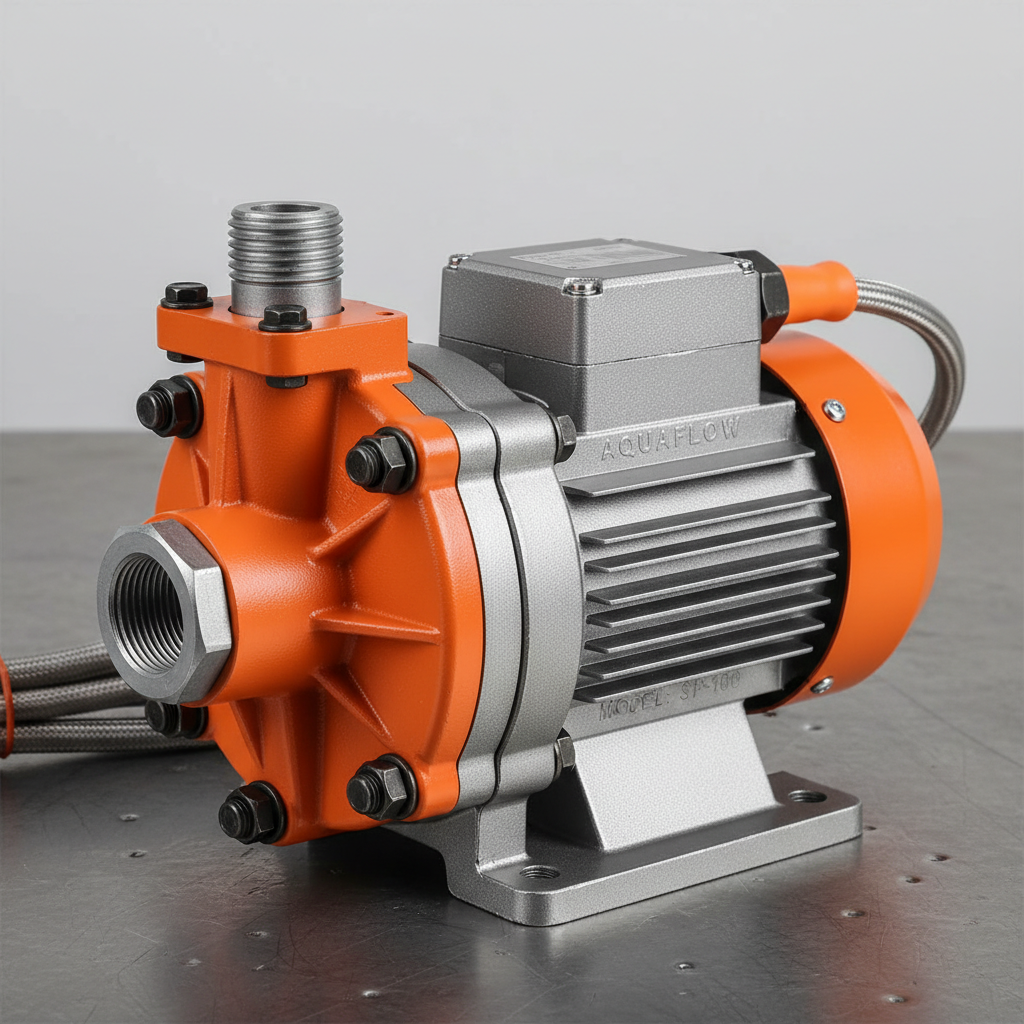 Choosing the Right Mini Submersible Fountain Pump for Optimal Water Feature PerformanceCreating a beautiful and relaxing water feature doesn't have to be complicated. A mini submersible fountain pump is the heart of any indoor or outdoor fountain, and selecting the right one is crucial for optimal performance and longevity. This article will guide you through the key considerations when choosing a mini submersible fountain pump, covering types, features, applications, and how to ensure you get the perfect pump for your project. We’ll also explore how Wellpumpact can provide you with the ideal solution.Detail
 Afrikaans
 Albanian
 Amharic
 Arabic
 Armenian
 Azerbaijani
 Basque
 Belarusian
 Bengali
 Bosnian
 Bulgarian
 Catalan
 Cebuano
 Corsican
 Croatian
 Czech
Czech
 Danish
 Dutch
Dutch
 Esperanto
 Estonian
 Finnish
 French
 Frisian
 Galician
 Georgian
 German
 Greek
Greek
 Gujarati
 Haitian Creole
 Hausa
Hausa
 Hawaiian
 Hebrew
 Hindi
Hindi
 Miao
Miao
 Hungarian
 Icelandic
 Igbo
Igbo
 Indonesian
 Irish
Irish
 Italian
 Japanese
 Javanese
 Kannada
 Kazakh
 Khmer
Khmer
 Rwandese
 Korean
 Kurdish
 Kyrgyz
 Lao
Lao
 Latin
Latin
 Latvian
 Lithuanian
 Luxembourgish
 Macedonian
 Malgashi
 Malay
Malay
 Malayalam
 Maltese
 Maori
Maori
 Marathi
 Mongolian
 Myanmar
 Nepali
 Norwegian
 Norwegian
 Occitan
 Pashto
 Persian
 Polish
 Portuguese
 Punjabi
 Romanian
 Russian
 Samoan
 Scottish Gaelic
 Serbian
 Sesotho
 Shona
Shona
 Sindhi
 Sinhala
 Slovak
 Slovenian
 Somali
 Spanish
 Sundanese
 Swahili
 Swedish
 Tagalog
 Tajik
Tajik
 Tamil
Tamil
 Tatar
Tatar
 Telugu
 Thai
Thai
 Turkish
 Turkmen
 Ukrainian
 Urdu
Urdu
 Uighur
 Uzbek
Uzbek
 Vietnamese
 Welsh
Welsh
 Bantu
Bantu
 Yiddish
 Yoruba
 Zulu
Zulu
 English