
Nov . 14, 2025 05:30 Back to list
Efficient and Reliable Submersible Pumps for Global Solutions
Why Understanding the Submersible Pump Matters Globally
If you’ve ever thought about what keeps billions of gallons of water flowing beneath the surface—whether from wells, sewage systems, or industrial applications—you might be surprised to learn just how critical the submersible pump really is. Across the globe, reliable access to clean water and efficient handling of waste is a cornerstone of public health and industrial progress. But it’s not merely about moving water; it’s about pumping with efficiency, sustainability, and resilience in mind, often in extreme or remote environments.
In a world where nearly 2.2 billion people lack safely managed drinking water (WHO, 2023), mastering the technology behind submersible pumps can spell the difference between crisis and well-being. Moreover, in industries spanning agriculture to mining, these pumps help maintain operations with less downtime and more eco-conscious methods.
Mini takeaway: Understanding submersible pumps isn’t just engineering jargon – it’s about addressing vital human needs and powering industries sustainably.
Submersible Pumps: The Core Concept
Put simply, a submersible pump is a device designed to be completely submerged in the fluid it’s pumping. Unlike surface pumps, it doesn’t struggle with suction limitations since it literally pushes water from its submerged position. This design means reduced energy consumption and fewer mechanical failures caused by “dry running” or cavitation.
From water wells to sewage systems, the submersible pump’s ability to work “underwater” is ideal for modern infrastructure and emergency humanitarian contexts. Think about flood relief operations or rural water supply systems where long-distance pumping and durability under tough conditions are a must.
submersible pump technology bridges the gap between raw power and precision, offering versatile solutions that are easy to deploy and maintain.
Key Factors Behind Submersible Pump Performance
Durability and Material Choices
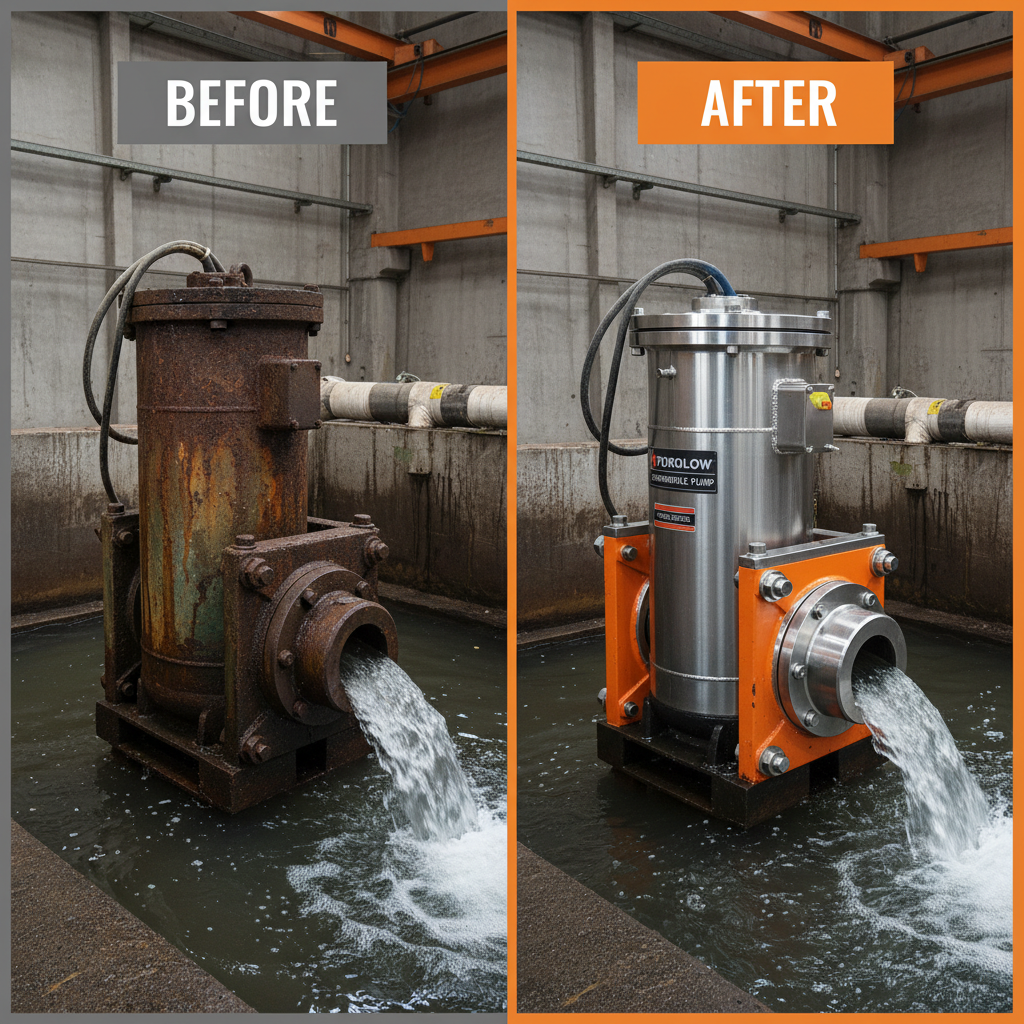
Pumps are frequently exposed to abrasive particles, corrosive fluids, and fluctuating pressures. Manufacturers typically use stainless steel or specialized alloys to extend lifespan. The sealing mechanisms are critical too — resealing is often the difference between expected service and premature failure.
Energy Efficiency
Since pumps sometimes run 24/7, energy consumption is a huge consideration. Submersible pumps minimize energy waste by positioning close to water sources, which drastically reduces energy needed to lift fluids. Many models now include variable speed drives for fine control.
Scalability & Power Options
Whatever the volume—from a tiny well pump moving a few gallons per minute to massive dewatering pumps moving thousands of gallons—submersibles come in a range of horsepower and motor sizes. This scalability fits agricultural irrigation just as well as industrial dewatering.
Maintenance & Ease of Installation
Thanks to their sealed design, submersible pumps generally require less maintenance than surface pumps. Still, access to the pump — especially for deep wells — can be tricky. Innovations like quick-release couplings and modular parts are increasingly common.
| Specification | Typical Range | Industry Application |
|---|---|---|
| Flow Rate | 5 to 2,000+ GPM | Agriculture, Mining, Municipal |
| Motor Power | 0.5 to 250+ HP | Industrial, Construction, Flood Control |
| Max Depth | Up to 300 meters (984 ft) | Deep Well, Oil & Gas |
| Material | Stainless Steel, Cast Iron, Bronze | Corrosive & Abrasive Environments |
Mini takeaway: The success of submersible pumps hinges on smart engineering: materials, power efficiency, and easy upkeep all blend to create dependable solutions.
Global Applications & Real-World Use Cases
From the arid plains of Sub-Saharan Africa to the industrial heartlands of the US, submersible pumps serve a staggering variety of missions:
- Community Water Supply: Reliable groundwater pumping in rural areas supports sustainable access to clean water.
- Disaster Relief: During floods or hurricane aftermaths, mobile submersible pumping units help clear water and reduce contamination.
- Agricultural Irrigation: Many farming operations depend on deep well submersible pumps to sustain crop yields in dry seasons.
- Mining & Construction: Dewatering sites quickly keeps projects on schedule and safer for workers.
Organizations like the United Nations and WHO often coordinate efforts relying on rugged submersible pumping systems to improve humanitarian conditions. In remote industrial zones, they keep essential processes running quietly underground — a kind of unsung hero.
Advantages & Long-Term Value of Using Submersible Pumps
Stop to think about what a submersible pump really delivers: efficiency, dependability, and, often, peace of mind. By moving water quietly below the surface, these pumps protect infrastructure from weather damage and reduce operational noise. Plus, the reduced risk of cavitation and overheating lowers maintenance costs. Long term, you’re looking at:
- Reduced energy bills via smarter motor function
- Better water access that supports health and agriculture
- Lower environmental impact thanks to sustainable materials and better seals
- Increased safety by eliminating surface hazards
On a more human note, the reliability of submersible pumps nurtures trust in critical water and sanitation systems, safeguarding community dignity in challenging conditions.
Looking Ahead: Future Trends & Innovations in Submersible Pumps
In the pipeline are smart submersible pumps with IoT connectivity, allowing remote monitoring and predictive maintenance — a game-changer to avoid costly downtime. Green energy is pushing manufacturers to integrate solar-powered and battery-backed solutions, especially in off-grid locales.
Materials science is also evolving, yielding lighter, more corrosion-resistant parts that last longer with less weight. And automation is making installation and retrieval easier than ever, often with modular components that snap together.
Common Challenges & How Innovations Address Them
Not everything is perfect in the submersible pump world. High upfront costs, complex repairs in remote spots, and seal failures under pressure remain concerns. But engineers are on it — rapid diagnostic tools, modular designs, and enhanced aftermarket support are gradually shifting the balance.
Additionally, tailored pump designs for unique fluids and environments continue to emerge, making submersibles flexible rather than one-size-fits-all.
| Vendor | Key Feature | Typical Industry | Price Range |
|---|---|---|---|
| PumpCo | Heavy-duty stainless steel models | Mining, Industrial | $2,000 - $15,000 |
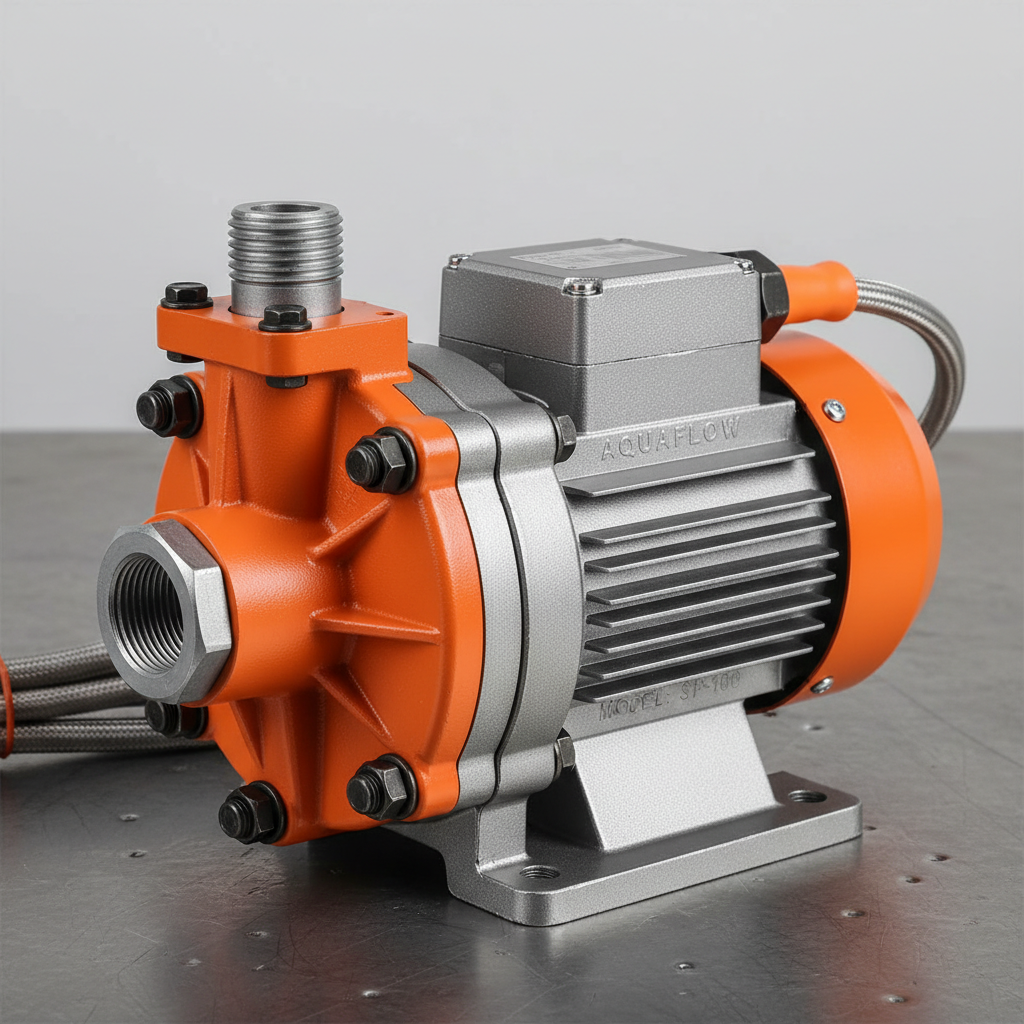
| AquaFlow | Energy-efficient variable speed | Agriculture, Municipal | $1,500 - $10,000 |
| HydroSmart | IoT-enabled remote monitoring | Industrial, Disaster Relief | $3,000 - $20,000 |
FAQ: Frequently Asked Questions About Submersible Pumps
- How do submersible pumps differ from surface pumps?
- Submersible pumps are placed underwater, close to the source fluid, which reduces the energy required to move liquids and lowers risks like pump cavitation. Surface pumps operate above water and require suction, which can be inefficient and prone to problems.
- What maintenance should be performed on submersible pumps?
- Regular inspection focuses on sealing integrity, motor condition, and impeller wear. Though designed for minimal upkeep, periodic checks prevent unexpected failures, especially in abrasive or corrosive environments.
- Are submersible pumps suitable for saltwater?
- Yes, but special materials like bronze or high-grade stainless steel are necessary to withstand corrosion. Coatings and sacrificial anodes may also be used to extend pump life in saltwater applications.
- What is the typical lifespan of a submersible pump?
- With proper maintenance, many pumps last 10-15 years. Lifespan depends heavily on operating conditions such as fluid type, frequency of use, and environment.
- How energy-efficient are modern submersible pumps?
- Advances like variable speed drives and optimized motor designs mean modern pumps can use up to 30% less energy than older models, which is significant for 24/7 operations.
Conclusion
To sum it all up, the submersible pump stands out as an indispensable tool bridging the demands of global water management, industrial operations, and humanitarian relief. Its blend of efficiency, durability, and evolving technology means it will continue powering communities and industries for decades. Curious to find out how the right pump could transform your project? Visit our website and dive deeper into the world of submersible pumps.
References:
1. World Health Organization (WHO): Water Supply, Sanitation and Health (2023)
2. International Organization for Standardization (ISO) - Pump Standards
3. United Nations World Water Development Report (2022)
-
Understanding the Price Submersible Pump and Buyer Guide
NewsApr.16,2026
-
Factors Affecting the Price for Submersible Pump a Buyers Guide
NewsApr.09,2026
-
Choosing the Right Mini Submersible Fountain Pump for Optimal Water Feature Performance
NewsApr.07,2026
-
A Detailed Guide to Installing a Submersible Pump for Optimal Performance
NewsApr.04,2026
-
Comprehensive Guide on How to Test a Submersible Water Well Pump Effectively
NewsMar.31,2026
-
Learn How to Replace a Submersible Well Pump Safely and Effectively
NewsMar.28,2026
-
 Understanding the Price Submersible Pump and Buyer GuideWhen searching for the ideal water management solution, understanding the price submersible pump options is crucial for balancing budget with performance. Whether you are dealing with a flooded basement, managing agricultural irrigation, or extracting water from a deep well, the cost of a submersible pump can vary significantly based on its build quality and capacity. Investing in a high-quality pump ensures long-term reliability and reduces the frequency of expensive replacements. In this guide, we will break down the factors that influence pricing and help you make an informed decision for your specific needs.Detail
 -
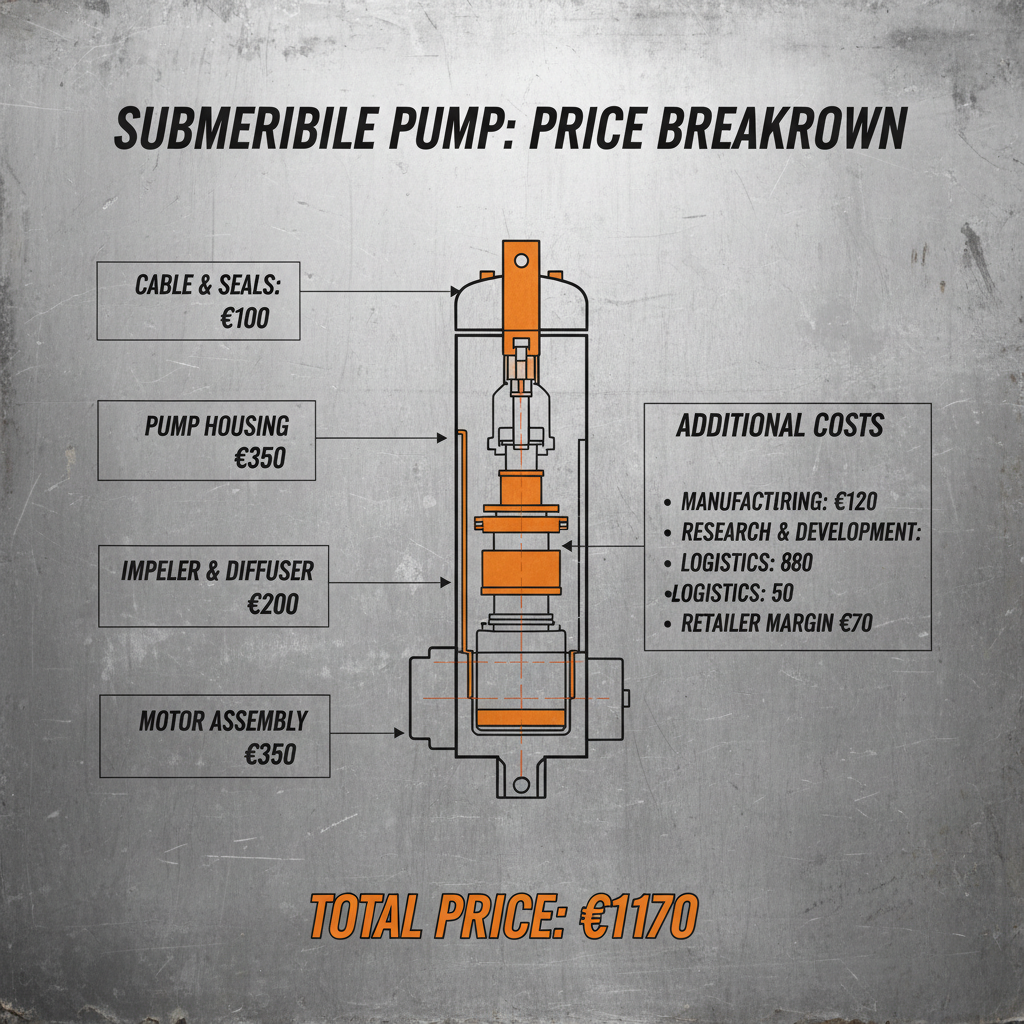 Factors Affecting the Price for Submersible Pump a Buyers GuideWhen investing in water management systems, understanding the price for submersible pump options is essential for balancing performance with budget. Whether you are managing a residential well, an industrial drainage project, or agricultural irrigation, the cost of a pump is rarely a flat fee; it is a reflection of the engineering, materials, and capacity required for your specific environment. In this guide, we will break down the factors that influence pricing and help you determine the best value for your investment to ensure long-term reliability and efficiency.Detail
 -
 Choosing the Right Mini Submersible Fountain Pump for Optimal Water Feature PerformanceCreating a beautiful and relaxing water feature doesn't have to be complicated. A mini submersible fountain pump is the heart of any indoor or outdoor fountain, and selecting the right one is crucial for optimal performance and longevity. This article will guide you through the key considerations when choosing a mini submersible fountain pump, covering types, features, applications, and how to ensure you get the perfect pump for your project. We’ll also explore how Wellpumpact can provide you with the ideal solution.Detail
 Afrikaans
 Albanian
 Amharic
 Arabic
 Armenian
 Azerbaijani
 Basque
 Belarusian
 Bengali
 Bosnian
 Bulgarian
 Catalan
 Cebuano
 Corsican
 Croatian
 Czech
Czech
 Danish
 Dutch
Dutch
 Esperanto
 Estonian
 Finnish
 French
 Frisian
 Galician
 Georgian
 German
 Greek
Greek
 Gujarati
 Haitian Creole
 Hausa
Hausa
 Hawaiian
 Hebrew
 Hindi
Hindi
 Miao
Miao
 Hungarian
 Icelandic
 Igbo
Igbo
 Indonesian
 Irish
Irish
 Italian
 Japanese
 Javanese
 Kannada
 Kazakh
 Khmer
Khmer
 Rwandese
 Korean
 Kurdish
 Kyrgyz
 Lao
Lao
 Latin
Latin
 Latvian
 Lithuanian
 Luxembourgish
 Macedonian
 Malgashi
 Malay
Malay
 Malayalam
 Maltese
 Maori
Maori
 Marathi
 Mongolian
 Myanmar
 Nepali
 Norwegian
 Norwegian
 Occitan
 Pashto
 Persian
 Polish
 Portuguese
 Punjabi
 Romanian
 Russian
 Samoan
 Scottish Gaelic
 Serbian
 Sesotho
 Shona
Shona
 Sindhi
 Sinhala
 Slovak
 Slovenian
 Somali
 Spanish
 Sundanese
 Swahili
 Swedish
 Tagalog
 Tajik
Tajik
 Tamil
Tamil
 Tatar
Tatar
 Telugu
 Thai
Thai
 Turkish
 Turkmen
 Ukrainian
 Urdu
Urdu
 Uighur
 Uzbek
Uzbek
 Vietnamese
 Welsh
Welsh
 Bantu
Bantu
 Yiddish
 Yoruba
 Zulu
Zulu
 English