
Dec . 02, 2025 03:35 Back to list
Everything You Need to Know About 110 Volt Submersible Water Pumps
What Is a 110 Volt Submersible Water Pump and Why It Matters Globally
Water is life, yet in many parts of the world, accessing clean and reliable water sources can be a huge challenge. The 110 volt submersible water pump stands as a surprisingly simple but incredibly vital tool in addressing water delivery issues—from small farms to large infrastructure projects. Understanding this pump’s role globally not only offers insight into water management strategies but also touches on sustainability, humanitarian aid, and industrial growth. Plus, knowing how this device works suggests pathways to improving water access and security worldwide.
Introduction: The Global Context of the 110 Volt Submersible Water Pump
According to the United Nations, about 2.2 billion people worldwide lack access to safely managed drinking water services, with major implications for health, agriculture, and social stability. Enter the 110 volt submersible water pump, a compact, energy-efficient option for extracting groundwater and moving it to where it's needed. These pumps operate primarily on standard household voltage, which makes them particularly useful in rural areas or places with limited electrical infrastructure. The World Bank and WHO reports highlight how affordable pump technology like this can mitigate the water scarcity crisis by improving irrigation and household water supply.
The core problem these pumps help solve is often about accessibility and power — many remote or developing regions don’t have high-voltage industrial setups, so having a reliable pump that runs on 110 volts is a game-changer. Still, it's also key in urban settings where small-scale or backup water movement solutions are required.
What Is a 110 Volt Submersible Water Pump?
Simply put, a 110 volt submersible water pump is an electric pump designed to be submerged underwater, typically in wells or boreholes, powered by 110 volts of electricity—which is common in North America and compatible regional grids. Because the motor is sealed and operates underwater, it can efficiently push water to the surface without suction issues that above-ground pumps face. It’s often used in domestic water systems, small farms, and emergency setups.
Connecting to modern industry and humanitarian efforts, these pumps support irrigation, livestock watering, flood relief, mining, and even firefighting. Their portability and plug-and-play nature simplify installation and maintenance.
Key Factors in Choosing a 110 Volt Submersible Water Pump
Durability & Material Quality
So much depends on a pump’s ability to last in harsh environments—think sandy aquifers or iron-rich wells. Stainless steel components and corrosion-resistant coatings are the industry norms. Without durability, frequent replacements quickly eat into budgets and disrupt water services.
Power & Efficiency
At 110 volts, these pumps often consume less energy than larger industrial pumps, but that also means there are limits on the depth and flow rate they can manage. Balancing power draw with water needs is key. Many units come with built-in thermal protection to prevent motor burnout, which frankly saves a lot of headaches down the line.
Size & Scalability
The pump's size relates closely to the well diameter and pumping volume. For small-scale domestic use, a compact design fits narrow pipes, while agricultural enterprises may require bigger models or multiple units running in parallel.
Cost Efficiency
Pumps at this voltage are generally more affordable and easier to maintain, but with trade-offs in capacity and sometimes lifespan. Considering total cost of ownership, including power bills and repairs, is important.
Typical Specifications of a 110 Volt Submersible Water Pump
| Specification | Typical Value |
|---|---|
| Voltage | 110 V AC |
| Max Depth | 100 meters (330 feet) |
| Flow Rate | 100–300 gallons per minute |
| Power Consumption | 0.5 – 2 HP (horsepower) |
| Material | Stainless Steel & Cast Iron |
| Weight | 15–25 kg (33–55 lbs) |
Mini takeaway: Choosing the right specifications means finding your balance between flow needs, power availability, and environmental conditions.
Where Are 110 Volt Submersible Water Pumps Used Around the World?
- Rural communities: Many agricultural areas in Africa, Asia, and Latin America rely on these pumps for irrigation where grid power is minimal or unstable.
- Emergency relief: Agencies often deploy 110 volt pumps post-disaster to re-establish clean water access quickly. For example, after floods or earthquakes.
- Industrial sectors: Small-scale mining operations and remote manufacturing sites depend on them for groundwater extraction.
- Residential use: Homes situated far from municipal water lines, especially in North America, use them to tap private wells.
Oddly enough, the simplicity of these pumps belies their global footprint—they’re everywhere once you start looking!
Comparison of Popular Vendors
| Vendor | Warranty | Price Range | Customer Rating |
|---|---|---|---|
| PumpCo | 2 Years | $150 - $250 | 4.2/5 |
| AquaLift | 3 Years | $180 - $280 | 4.5/5 |
| HydroMax | 1.5 Years | $130 - $220 | 4.0/5 |
Why Invest in a 110 Volt Submersible Water Pump? The Advantages
Logical thinking says they save money on power and maintenance compared to bulky industrial pumps. Socially, they restore dignity and health by delivering clean water. Emotionally, knowing you have dependable water access carries peace of mind—especially where every drop counts.
Plus, many of these pumps now integrate more efficient motors and better sealing technologies, contributing to long-lasting sustainability and trust in infrastructure resilience.
The Future with 110 Volt Submersible Pumps: Trends & Innovations
Keep an eye on greener tech: solar-powered 110 volt pumps are becoming increasingly common, reducing fossil fuel reliance. IoT (Internet of Things) sensors embed themselves inside these pumps for real-time monitoring of flow rates and potential failures, which frankly feels like a leap into the future of water management.
Materials science is improving with composite coatings, making pumps lighter and more corrosion resistant. These innovations will likely make 110 volt pumps even more reliable and easier to deploy globally.
Addressing Challenges and How Experts Tackle Them
Limitations remain: voltage drops over long cables, limited flow that may not suit large-scale irrigation, and sealing breakdowns in corrosive or sandy water.
Experts often recommend periodic maintenance schedules, using voltage stabilizers, or modular pump arrays to overcome capacity limits. Field engineers mention the importance of training local technicians to handle repairs swiftly, thus avoiding extended downtime.
FAQ: Common Questions About 110 Volt Submersible Water Pumps
- Can a 110 volt submersible pump work in wells deeper than 100 meters?
- Typically, these pumps perform best up to around 100 meters. For deeper wells, higher voltage or specialized pumps are recommended to maintain sufficient pressure and flow.
- How energy efficient are these pumps compared to solar alternatives?
- While electric 110 volt pumps are efficient when grid power is stable, solar-powered models offer sustainability benefits in off-grid areas, though initial costs can be higher.
- What maintenance does a submersible pump require?
- Regular inspection of electrical cables, motor integrity, and impellers is crucial. Flushing out sediment and checking motor seals also prolongs lifespan.
- Are these pumps safe for drinking water applications?
- Yes, as long as the pump materials comply with sanitary standards and the water source is uncontaminated. Certification from agencies like NSF can help verify safety.
In Conclusion: Why This Small Pump Packs a Big Punch
The humble 110 volt submersible water pump is more than just a tool – it’s a bridge across water scarcity, an enabler of stable agriculture, and a lifesaver in emergencies. Its affordability, portability, and compatibility with common electrical systems make it a favorite among engineers and humanitarian teams alike.
If you’re exploring water pumping solutions, don't overlook the practical advantages a 110 volt submersible pump offers. Visit our website to learn more and find the perfect pump for your needs.
Mini takeaway: Sometimes the simplest solutions — like a 110 volt submersible water pump — quietly underpin some of the world’s biggest challenges.
References:
-
Understanding the Price Submersible Pump and Buyer Guide
NewsApr.16,2026
-
Factors Affecting the Price for Submersible Pump a Buyers Guide
NewsApr.09,2026
-
Choosing the Right Mini Submersible Fountain Pump for Optimal Water Feature Performance
NewsApr.07,2026
-
A Detailed Guide to Installing a Submersible Pump for Optimal Performance
NewsApr.04,2026
-
Comprehensive Guide on How to Test a Submersible Water Well Pump Effectively
NewsMar.31,2026
-
Learn How to Replace a Submersible Well Pump Safely and Effectively
NewsMar.28,2026
-
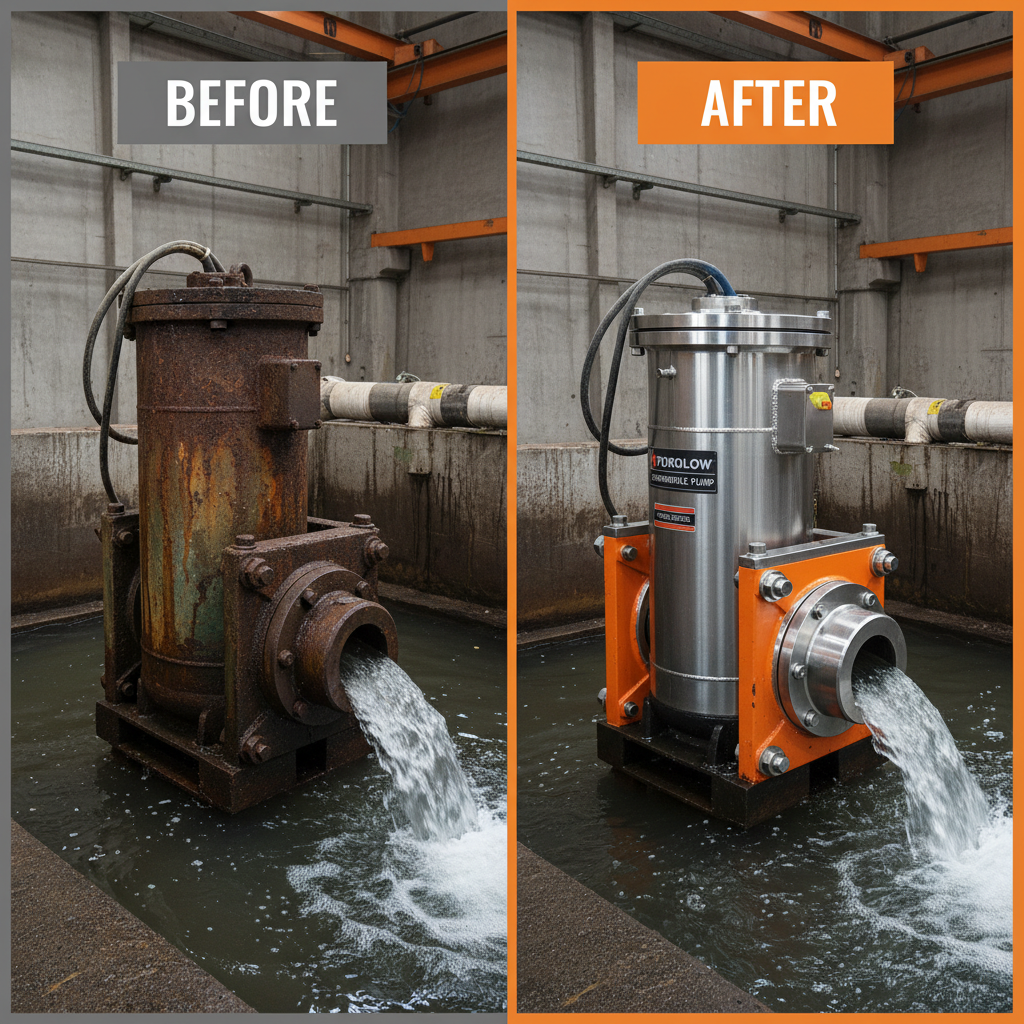 Understanding the Price Submersible Pump and Buyer GuideWhen searching for the ideal water management solution, understanding the price submersible pump options is crucial for balancing budget with performance. Whether you are dealing with a flooded basement, managing agricultural irrigation, or extracting water from a deep well, the cost of a submersible pump can vary significantly based on its build quality and capacity. Investing in a high-quality pump ensures long-term reliability and reduces the frequency of expensive replacements. In this guide, we will break down the factors that influence pricing and help you make an informed decision for your specific needs.Detail
 -
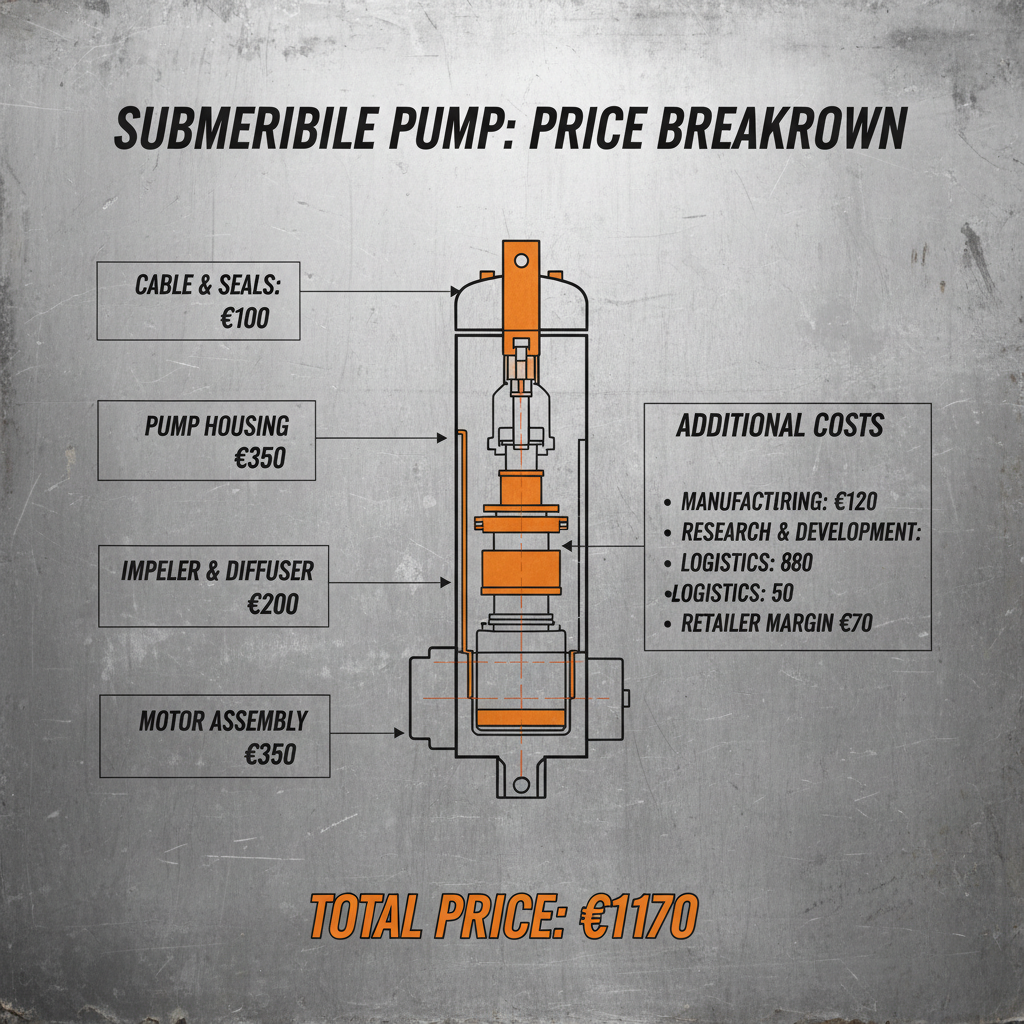 Factors Affecting the Price for Submersible Pump a Buyers GuideWhen investing in water management systems, understanding the price for submersible pump options is essential for balancing performance with budget. Whether you are managing a residential well, an industrial drainage project, or agricultural irrigation, the cost of a pump is rarely a flat fee; it is a reflection of the engineering, materials, and capacity required for your specific environment. In this guide, we will break down the factors that influence pricing and help you determine the best value for your investment to ensure long-term reliability and efficiency.Detail
 -
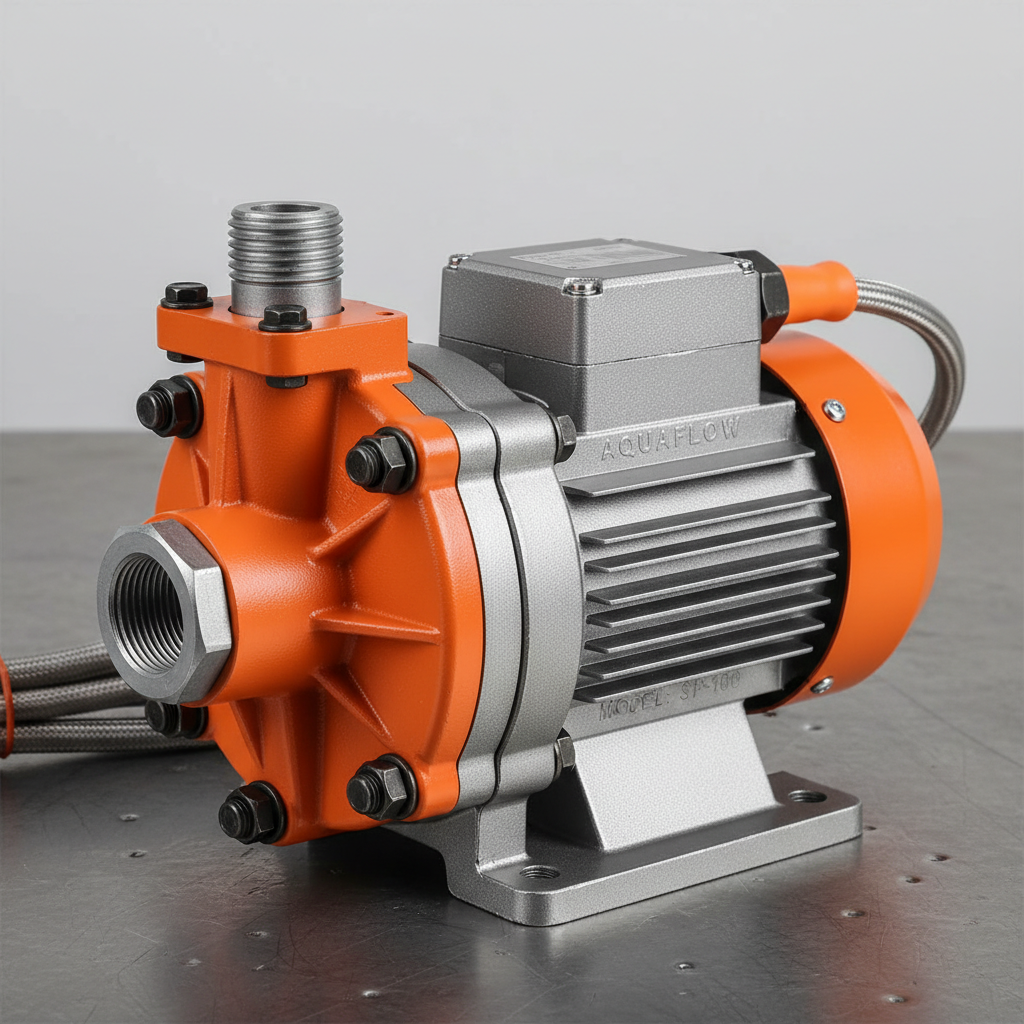 Choosing the Right Mini Submersible Fountain Pump for Optimal Water Feature PerformanceCreating a beautiful and relaxing water feature doesn't have to be complicated. A mini submersible fountain pump is the heart of any indoor or outdoor fountain, and selecting the right one is crucial for optimal performance and longevity. This article will guide you through the key considerations when choosing a mini submersible fountain pump, covering types, features, applications, and how to ensure you get the perfect pump for your project. We’ll also explore how Wellpumpact can provide you with the ideal solution.Detail
 Afrikaans
 Albanian
 Amharic
 Arabic
 Armenian
 Azerbaijani
 Basque
 Belarusian
 Bengali
 Bosnian
 Bulgarian
 Catalan
 Cebuano
 Corsican
 Croatian
 Czech
Czech
 Danish
 Dutch
Dutch
 Esperanto
 Estonian
 Finnish
 French
 Frisian
 Galician
 Georgian
 German
 Greek
Greek
 Gujarati
 Haitian Creole
 Hausa
Hausa
 Hawaiian
 Hebrew
 Hindi
Hindi
 Miao
Miao
 Hungarian
 Icelandic
 Igbo
Igbo
 Indonesian
 Irish
Irish
 Italian
 Japanese
 Javanese
 Kannada
 Kazakh
 Khmer
Khmer
 Rwandese
 Korean
 Kurdish
 Kyrgyz
 Lao
Lao
 Latin
Latin
 Latvian
 Lithuanian
 Luxembourgish
 Macedonian
 Malgashi
 Malay
Malay
 Malayalam
 Maltese
 Maori
Maori
 Marathi
 Mongolian
 Myanmar
 Nepali
 Norwegian
 Norwegian
 Occitan
 Pashto
 Persian
 Polish
 Portuguese
 Punjabi
 Romanian
 Russian
 Samoan
 Scottish Gaelic
 Serbian
 Sesotho
 Shona
Shona
 Sindhi
 Sinhala
 Slovak
 Slovenian
 Somali
 Spanish
 Sundanese
 Swahili
 Swedish
 Tagalog
 Tajik
Tajik
 Tamil
Tamil
 Tatar
Tatar
 Telugu
 Thai
Thai
 Turkish
 Turkmen
 Ukrainian
 Urdu
Urdu
 Uighur
 Uzbek
Uzbek
 Vietnamese
 Welsh
Welsh
 Bantu
Bantu
 Yiddish
 Yoruba
 Zulu
Zulu
 English