
Dec . 01, 2025 23:40 Back to list
Exploring the High Flow Submersible Pump: Key Benefits, Applications & Innovations
The High Flow Submersible Pump: A Global Essential for Water Management
Water is life, and yet, accessing it reliably is a challenge in many parts of the world. The high flow submersible pump has quietly become a cornerstone technology in managing and distributing water where it’s needed most — whether that’s for agricultural irrigation in drought-prone zones or emergency relief in disaster-hit areas. Understanding it not only sheds light on our global water infrastructure but also unveils how technology serves basic human needs.
Introduction: Why High Flow Submersible Pumps Matter Globally
According to the United Nations, over 2 billion people live in water-stressed areas, a number that’s only increasing with climate change and population growth (UN Water). This global context highlights the critical role of efficient water pumping solutions. The high flow submersible pump, designed to move substantial volumes of water from underground sources, addresses challenges like irrigation shortages, industrial water supply, and urban water distribution.
But here’s the thing: pumping large amounts of water efficiently is no small feat. Without the right technology, communities face energy waste, equipment failure, or even complete water access disruption.
What Is a High Flow Submersible Pump?
In simple terms, a high flow submersible pump is an electrically powered device submerged in water to push large quantities upward and outward through pipes. Unlike surface pumps, these devices work underwater, pushing water from deep wells or reservoirs efficiently while reducing noise and mechanical wear. Their "high flow" capacity means they can handle larger volumes than typical submersible pumps, making them indispensable in sectors like agriculture, mining, and municipal water supply.
In humanitarian efforts, these pumps ensure access to clean water during emergencies, supporting sanitation and health needs.
Core Components and Key Factors of High Flow Submersible Pumps
1. Durability
These pumps often operate in harsh environments — gritty groundwater, fluctuating temperatures, and long run times. As such, corrosion-resistant materials (like stainless steel or high-grade polymers) and robust seals are essential to extend lifespan and reduce maintenance.
2. Flow Rate and Pressure
The defining feature is that "high flow" capability, often ranging from several hundred to thousands of gallons per minute, depending on capacity. Achieving this requires precision engineering in impeller designs and motor power output.
3. Energy Efficiency
Given their continuous operation and high capacity, energy consumption is a major cost driver. Modern high flow submersible pumps often incorporate energy-saving motors and variable speed drives, balancing performance with electricity use.
4. Scalability and Installation Flexibility
These pumps are used for single wells to large industrial setups. Modular designs and compatibility with different power sources (electric, solar) make them adaptable to varied user needs.
5. Maintenance and Serviceability
While submerged, accessibility is limited which means pumps need to be reliable and easy to service. Features like replaceable shaft sleeves, external monitoring sensors, and standardized parts improve uptime.
Product Specifications at a Glance
| Specification | Typical Range | Notes |
|---|---|---|
| Flow Rate | 500 - 4000+ GPM | Varies by model and application |
| Motor Power | 5 - 150+ HP | Electric or solar powered options |
| Maximum Depth | Up to 400 meters | Depends on cable length and pump design |
| Material | Stainless steel, Cast iron | Corrosion resistant materials preferred |
| Operating Voltage | 220V - 480V (3 phase) | Industry standard |
Global Applications & Use Cases of High Flow Submersible Pumps
These pumps power everything from agricultural irrigation in India’s arid regions to municipal water supplies in South America’s rapidly growing cities. Oddly enough, they even find use in mining operations in Australia, where water removal from deep shafts is critical for safety.
Post-disaster relief operations often deploy portable high flow submersible pumps to restore potable water supplies after floods or earthquakes. NGOs and governments alike turn to these pumps for fast, reliable solutions in crisis zones.
In more industrial contexts, wastewater treatment plants in Europe employ them to handle high volumes of fluid, integrating seamlessly with digital control systems.
Vendor Comparison: Leading High Flow Submersible Pump Suppliers
| Vendor | Flow Range (GPM) | Special Features | Price Range |
|---|---|---|---|
| AquaMax Pumps | 600 - 3000 | Energy-efficient motors, remote monitoring | $$$ |
| HydraFlow Solutions | 500 - 3500 | Modular design, solar-ready | $$ |
| EcoPump Corp. | 700 - 4000+ | Advanced corrosion resistance, IoT sensors | $$$$ |
Advantages & Long-Term Value of High Flow Submersible Pumps
On a practical level, these pumps offer cost savings by reducing energy consumption and maintenance downtime — both expensive for large-scale water projects. Plus, their robustness means fewer replacements, which frankly, feels like a win for resource-strapped communities or businesses.
From a social perspective, reliable water access promotes health, dignity, and trust in public infrastructure. It’s a ripple effect that strengthens entire communities. Not to mention, ongoing innovations make these pumps friendlier to the environment, helping meet sustainability goals.
Future Trends & Innovations
We’re seeing exciting developments around green energy integration — think solar-powered high flow submersible pumps that cut fossil fuel dependence. Also, smart sensors and IoT connectivity allow real-time monitoring, predictive maintenance, and remote control. These advances aim to reduce failures and optimize performance.
Material science is evolving too, with composites and coatings enhancing durability and lifespan.
Challenges & Practical Solutions
Despite their benefits, these pumps face challenges such as high initial costs and technical complexity in remote installations. However, partnerships between governments, NGOs, and manufacturers are fostering accessible financing models and training programs.
Innovation in modular, plug-and-play designs also eases installation headaches, while remote monitoring cuts down on costly site visits.
FAQ: Common Questions About High Flow Submersible Pumps
- What flow rate should I choose for agricultural irrigation?
For irrigation, sizing depends on land area and crop water needs. Typically, a flow around 1000-3000 GPM suits medium farms, but it’s best to consult a specialist for exact requirements. - Are these pumps suitable for deep wells?
Absolutely, high flow submersible pumps are designed to operate at depths up to 400 meters, making them ideal for deep groundwater extraction. - How energy-efficient are modern models?
Newer pumps incorporate premium efficiency motors and variable frequency drives, which can reduce energy use by up to 30% compared to older models. - Can I use solar power to run a high flow pump?
Yes, many pumps now support solar-powered configurations, especially in off-grid or rural locations where electricity is unreliable. - What maintenance should I expect?
Routine checks include monitoring seals, shaft alignment, and cleaning intake screens. Many units come with sensors for remote diagnostics, reducing the need for frequent on-site service.
Conclusion: Why Invest in High Flow Submersible Pumps?
Whether improving agricultural yields, supporting emergency water access, or enabling sustainable industrial processes, high flow submersible pumps represent an investment in resilience and progress. Their ability to deliver large amounts of water reliably and efficiently makes them a backbone technology in our interconnected world.
If you’re interested in exploring options or innovations in this field, I recommend visiting our detailed resources at https://www.wellpumpact.com. Because at the end of the day, access to water is fundamental — and the right pump can make all the difference.
Mini takeaway: High flow submersible pumps are more than hardware; they’re enablers of sustainable development, emergency recovery, and industrial growth worldwide.
References
-
Understanding the Price Submersible Pump and Buyer Guide
NewsApr.16,2026
-
Factors Affecting the Price for Submersible Pump a Buyers Guide
NewsApr.09,2026
-
Choosing the Right Mini Submersible Fountain Pump for Optimal Water Feature Performance
NewsApr.07,2026
-
A Detailed Guide to Installing a Submersible Pump for Optimal Performance
NewsApr.04,2026
-
Comprehensive Guide on How to Test a Submersible Water Well Pump Effectively
NewsMar.31,2026
-
Learn How to Replace a Submersible Well Pump Safely and Effectively
NewsMar.28,2026
-
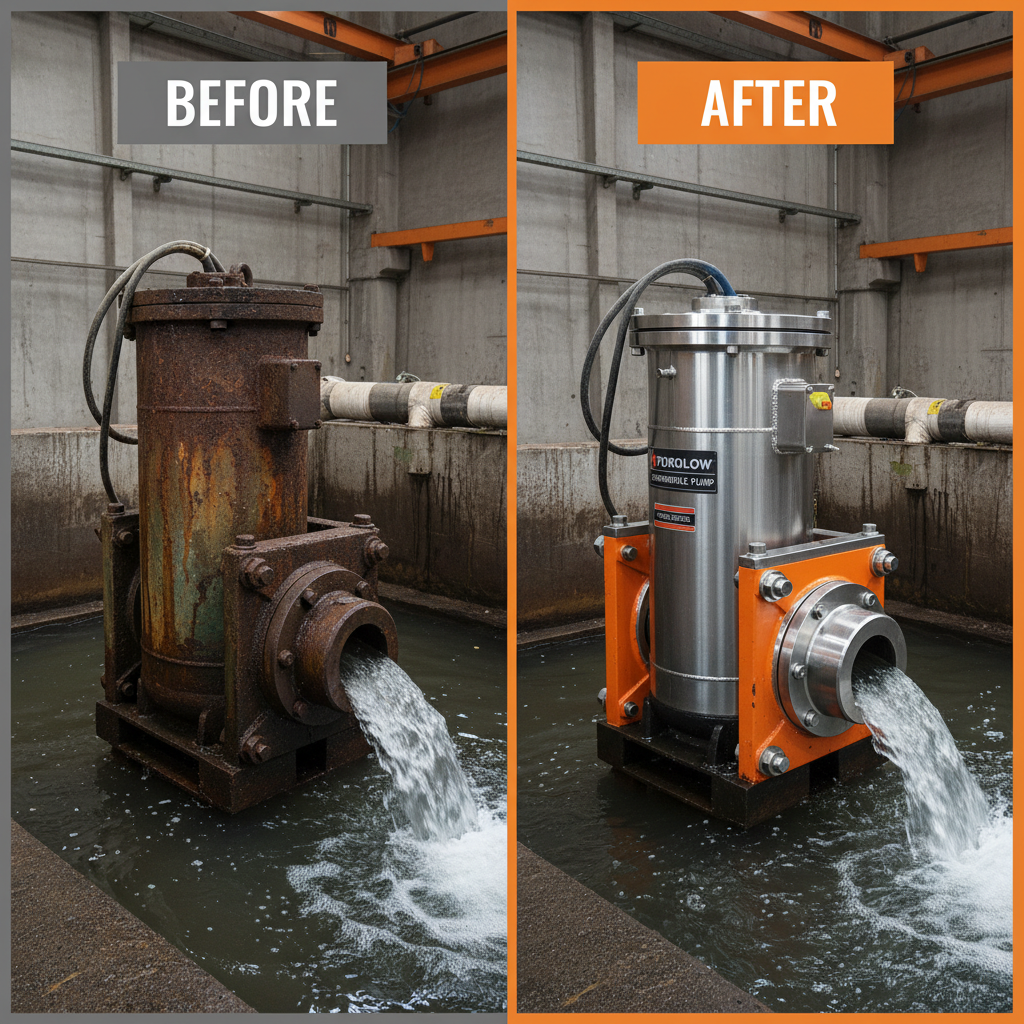 Understanding the Price Submersible Pump and Buyer GuideWhen searching for the ideal water management solution, understanding the price submersible pump options is crucial for balancing budget with performance. Whether you are dealing with a flooded basement, managing agricultural irrigation, or extracting water from a deep well, the cost of a submersible pump can vary significantly based on its build quality and capacity. Investing in a high-quality pump ensures long-term reliability and reduces the frequency of expensive replacements. In this guide, we will break down the factors that influence pricing and help you make an informed decision for your specific needs.Detail
 -
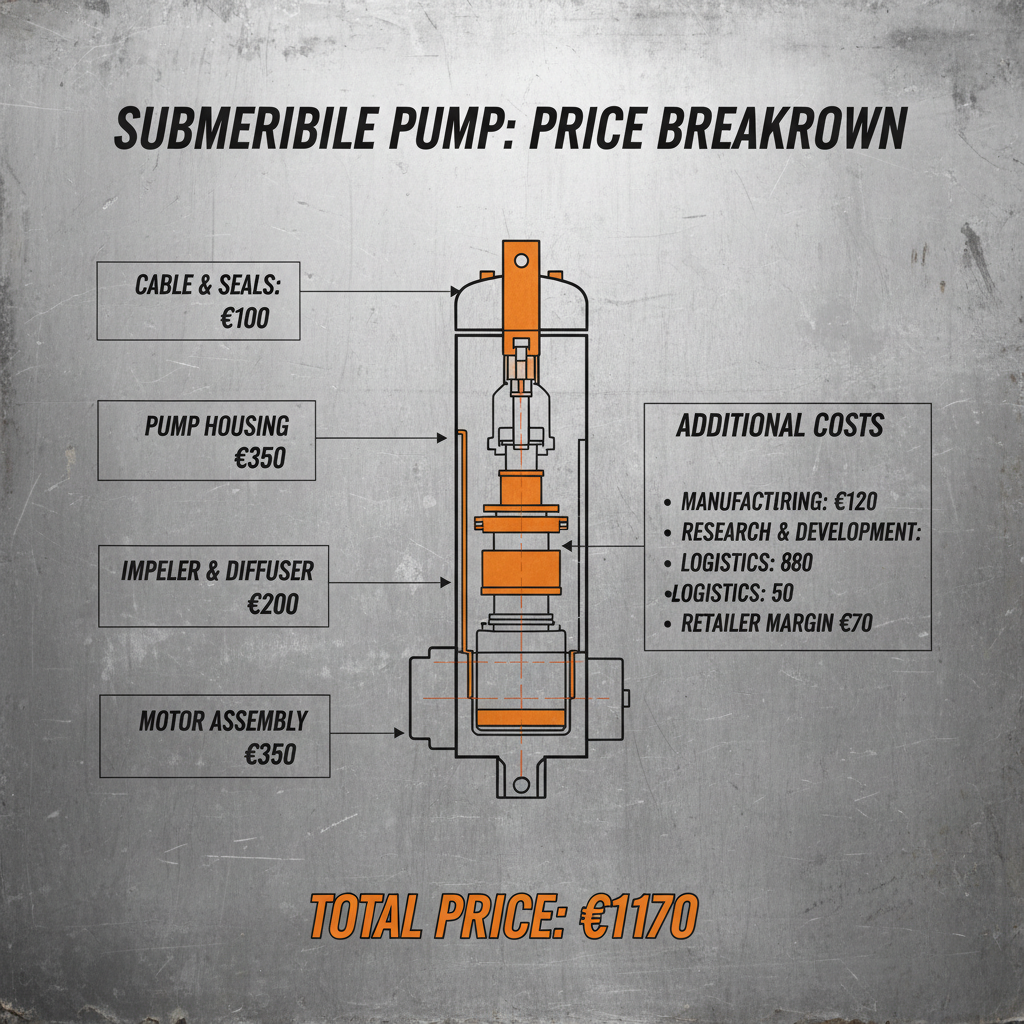 Factors Affecting the Price for Submersible Pump a Buyers GuideWhen investing in water management systems, understanding the price for submersible pump options is essential for balancing performance with budget. Whether you are managing a residential well, an industrial drainage project, or agricultural irrigation, the cost of a pump is rarely a flat fee; it is a reflection of the engineering, materials, and capacity required for your specific environment. In this guide, we will break down the factors that influence pricing and help you determine the best value for your investment to ensure long-term reliability and efficiency.Detail
 -
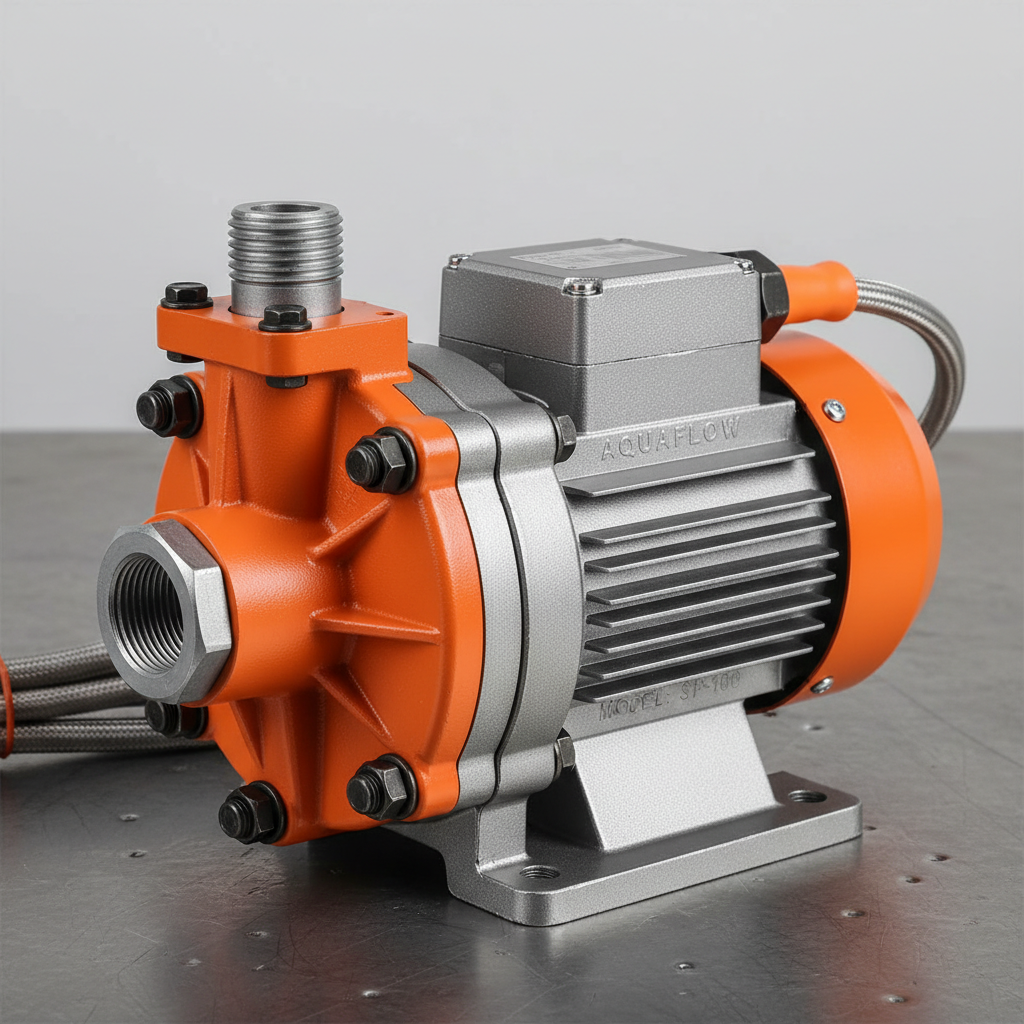 Choosing the Right Mini Submersible Fountain Pump for Optimal Water Feature PerformanceCreating a beautiful and relaxing water feature doesn't have to be complicated. A mini submersible fountain pump is the heart of any indoor or outdoor fountain, and selecting the right one is crucial for optimal performance and longevity. This article will guide you through the key considerations when choosing a mini submersible fountain pump, covering types, features, applications, and how to ensure you get the perfect pump for your project. We’ll also explore how Wellpumpact can provide you with the ideal solution.Detail
 Afrikaans
 Albanian
 Amharic
 Arabic
 Armenian
 Azerbaijani
 Basque
 Belarusian
 Bengali
 Bosnian
 Bulgarian
 Catalan
 Cebuano
 Corsican
 Croatian
 Czech
Czech
 Danish
 Dutch
Dutch
 Esperanto
 Estonian
 Finnish
 French
 Frisian
 Galician
 Georgian
 German
 Greek
Greek
 Gujarati
 Haitian Creole
 Hausa
Hausa
 Hawaiian
 Hebrew
 Hindi
Hindi
 Miao
Miao
 Hungarian
 Icelandic
 Igbo
Igbo
 Indonesian
 Irish
Irish
 Italian
 Japanese
 Javanese
 Kannada
 Kazakh
 Khmer
Khmer
 Rwandese
 Korean
 Kurdish
 Kyrgyz
 Lao
Lao
 Latin
Latin
 Latvian
 Lithuanian
 Luxembourgish
 Macedonian
 Malgashi
 Malay
Malay
 Malayalam
 Maltese
 Maori
Maori
 Marathi
 Mongolian
 Myanmar
 Nepali
 Norwegian
 Norwegian
 Occitan
 Pashto
 Persian
 Polish
 Portuguese
 Punjabi
 Romanian
 Russian
 Samoan
 Scottish Gaelic
 Serbian
 Sesotho
 Shona
Shona
 Sindhi
 Sinhala
 Slovak
 Slovenian
 Somali
 Spanish
 Sundanese
 Swahili
 Swedish
 Tagalog
 Tajik
Tajik
 Tamil
Tamil
 Tatar
Tatar
 Telugu
 Thai
Thai
 Turkish
 Turkmen
 Ukrainian
 Urdu
Urdu
 Uighur
 Uzbek
Uzbek
 Vietnamese
 Welsh
Welsh
 Bantu
Bantu
 Yiddish
 Yoruba
 Zulu
Zulu
 English