
Dec . 01, 2025 07:05 Back to list
High Pressure Submersible Water Pumps: Global Impact, Benefits, and Future Trends
The Global Impact and Benefits of High Pressure Submersible Water Pumps
Water—it’s funny how something so essential quietly powers almost every part of our lives, yet it often only grabs headlines during shortages or floods. High pressure submersible water pumps might not be household names, but understanding their role truly matters on a global scale. These devices push water from depths with power and precision, whether for industrial uses, irrigation, or emergency relief. Knowing about their benefits helps sectors from agriculture to humanitarian aid improve resilience, efficiency, and access to clean water. Plus, with water scarcity impacting 40% of the world’s population (UN-Water), effective pumping technology like this is vital. So, let's dive deeper—no pun intended—into what these pumps are, why they’re game-changers, and the innovations shaping their future.
Quick takeaway: High pressure submersible pumps quietly tackle complex water challenges worldwide, enabling clean water access and industrial efficiency.
High Pressure Submersible Water Pumps in the Global Context
Globally, water infrastructure development is on everyone’s radar. The World Bank estimates that to meet global water and sanitation targets by 2030, annual investments need a 50% increase. High pressure submersible water pumps are critical players here, capable of extracting water from wells, boreholes, or flooded sites rapidly and reliably. They address challenges like water scarcity, floodwater management, and irrigation in drought-prone areas.
In real terms, many regions—especially in sub-Saharan Africa, South Asia, and parts of Latin America—rely heavily on deep well pumps to secure water for farming, drinking, and sanitation. The challenge often lies in uneven electricity supply, rough terrains, or corrosive groundwater. High pressure pumps, designed for rugged environments, can often handle these conditions better than surface pumps. Oddly enough, while the technology isn’t brand new, innovation in materials and efficiency continues to push their relevance even higher.
Quick takeaway: These pumps are indispensable in bridging global water supply gaps, often in the world’s most challenging environments.
What Exactly Is a High Pressure Submersible Water Pump?
Simply put, a high pressure submersible water pump is an electric pump placed underwater (usually inside a well or borehole) designed to push water to the surface with significant force. Unlike surface pumps that pull water, these devices push, making them more efficient at lifting water from deep sources. They’re sealed tightly to prevent water from damaging electrical components, enabling them to run submerged for prolonged periods.
In industry and humanitarian contexts, they connect modern tech with fundamental needs. Their submersible nature means they reduce contamination risk, lower noise, and increase lifespan over traditional pumps. For disaster zones, they provide rapid water access to affected communities; in farming, they sustain irrigation in dry seasons; and in manufacturing, they keep processes running smoothly.
Quick takeaway: These pumps combine durable design and powerful water delivery, essential for deep or challenging water extraction.
Core Components and Key Features of High Pressure Submersible Pumps
Durability for Harsh Environments
Many engineers say that the pump casing and impellers are made of corrosion-resistant materials such as stainless steel or special polymers. This longevity means they can operate in saline or mineral-rich groundwater without early failure, a common issue with cheaper pumps.
Power Efficiency
Modern pumps balance high pressure delivery while reducing energy consumption. Variable frequency drives (VFD) often integrate to adjust motor speed depending on water demand, which frankly feels like magic when you see how much energy it saves annually.
Scalability and Customization
From small village water systems to large industrial setups, these pumps come in multiple sizes and pressure ratings, ensuring the right fit. Scalability matters because over-specifying leads to wasted energy, and under-specifying risks system failure.
Maintenance and Easy Installation
Typically modular, many models emphasize ease of access for part replacement and troubleshooting. For remote areas where technician visits can be sparse, this design approach is a lifesaver.
Sealing and Waterproofing
Robust sealed motors prevent water ingress that would otherwise cause catastrophic electrical failures, ensuring safe, splash-free operation.
Control Systems
Modern versions may include remote monitoring and sensor feedback, which helps operators preempt failures and optimize pump performance.
Quick takeaway: Engineering excellence in materials, energy use, and maintenance underpins the reliability of these high pressure pumps.
Product Specification Table: Sample High Pressure Submersible Water Pump
| Specification | Details |
|---|---|
| Power Rating | 5 HP (horsepower) |
| Max Flow Rate | 150 liters/minute |
| Max Pressure | 20 bar (290 psi) |
| Motor Type | Sealed submersible electric motor |
| Material | Stainless steel & reinforced polymers |
| Installation Depth | Up to 150 meters |
Real-World Applications: Where High Pressure Submersible Pumps Shine
One neat example is in remote agricultural zones of India and Kenya, where farmers use these pumps to irrigate crops during dry spells, generally drawing from deep aquifers. In disaster response, NGOs deploy these pumps to restore clean water quickly after floods — think Haiti or the Philippines. Industries like mining and manufacturing count on them for de-watering mines or circulating cooling water. Their ability to deliver high-pressure flows while submerged has made them vital in urban water supply, especially in skyscraper-equipped cities where pressure really matters.
A specific case I found interesting was a remote Chilean mine site: engineers replaced aging surface pumps with a high pressure submersible model, halving maintenance interruptions and significantly improving operational safety.
Quick takeaway: From farms to disaster zones and heavy industry, these pumps provide vital, reliable water movement wherever needed.
Why Invest in High Pressure Submersible Water Pumps? The Advantages & Long-Term Value
- Cost Efficiency: Reduced energy consumption and longer lifespan lower total cost of ownership.
- Reliability: Sealed design protects internals, reducing downtime—an emotional win for operators who hate surprises.
- Environmental Impact: Supports sustainable water use; some newer units integrate with solar power.
- Safety and Hygiene: Submersed pumps reduce contamination risks, supporting community health.
- Social Impact: Ensures consistent water supply, improving quality of life and agricultural yields.
Quick takeaway: These pumps deliver measurable savings and societal benefits, making them a smart long-term choice.
Emerging Trends and Innovations in Pump Technology
Sustainability rules the future. We're seeing integration of solar-powered high pressure submersible water pumps, especially in off-grid regions. IoT-enabled sensors are beginning to provide real-time diagnostics, letting operators avoid breakdowns before they happen. Materials science has introduced composites that reduce weight without sacrificing durability.
Automation and AI promise smarter pumping schedules, conserving energy and water. Even regulatory bodies like ISO have pushed to establish standards focusing on energy efficiency and environmental impact for submersible pumps, which is a good nudge for the whole industry.
Quick takeaway: The future is smart, green, and connected — promising pumps that adapt, last longer, and stay eco-friendly.
Challenges and Practical Solutions for Effective Pumping
Not everything’s rosy. Common challenges include electrical supply instability, sediment clogging, and costly repairs — especially in remote areas. Many operators struggle to find qualified technicians too. Solutions include training local maintenance teams, using better filtration, and embracing remote monitoring technology. Solar hybrid systems are a clever work-around to unreliable grid power.
There’s also an ongoing debate about water table depletion as pump access improves. Balanced water management policies must accompany technological deployment — something NGOs and governments increasingly focus on.
Quick takeaway: While issues like power and maintenance persist, innovation and policy work hand-in-hand to keep pumps reliable and sustainable.
Vendor Comparison Table: Leading High Pressure Submersible Water Pump Providers
| Vendor | Product Range | Energy Efficiency | Price Range | Warranty |
|---|---|---|---|---|
| AquaPro Pumps | 3HP - 10HP models | High (IE4 motors) | $$$ | 3 years |
| ClearFlow Technologies | Up to 15HP, solar models | Very High | $$$$ | 5 years |
| WellMax Industries | 1HP - 7.5HP standard models | Moderate | $$ | 2 years |
FAQ About High Pressure Submersible Water Pumps
How deep can these submersible pumps be safely installed?
Most high pressure submersible water pumps are designed for depths between 50 to 150 meters, depending on the model. Installation beyond manufacturer's limits risks reduced performance or damage. Always consult product specs and local conditions before choosing a pump for deep wells.
Can these pumps work without a reliable power grid?
Yes, many models work well with solar power setups, especially in off-grid or rural areas. Solar-powered submersible pumps can provide sustainable water access but may require battery backups or hybrid systems for cloudy days.
What maintenance is typically required?
Routine maintenance usually involves checking seals, impeller wear, electrical connections, and cleaning filters. Many pumps are modular, helping local technicians service them more easily. Remote monitoring increasingly helps diagnose issues before failures.
Are high pressure submersible pumps better than surface pumps?
In general, submersible pumps offer higher efficiency and less noise because they push water rather than pull. They’re also less prone to contamination and often require smaller footprints. Surface pumps can be easier to repair onsite but usually can't match the pressure capabilities of submersibles.
Where can I find reliable suppliers for these pumps?
Established brands like AquaPro Pumps, ClearFlow Technologies, and WellMax Industries offer varied product lines with warranties and support. For specialized applications, local distributors often provide customization and maintenance services. Visit high pressure submersible water pump suppliers to compare models.
Wrapping It Up: Why High Pressure Submersible Pumps Matter
Looking at everything, it’s clear these pumps do more than just move water—they enable modern industry, support farming communities, help disaster relief, and promote sustainability. The blend of durability, efficiency, and evolving technology makes them an investment with long-term rewards for operators anywhere on Earth. So if you’re wrestling with tough water challenges, diving deeper into high pressure submersible water pumps might just be your next best move.
Ready to explore more? Visit our website: https://www.wellpumpact.com and discover how you can improve your water systems today.
References
-
Understanding the Price Submersible Pump and Buyer Guide
NewsApr.16,2026
-
Factors Affecting the Price for Submersible Pump a Buyers Guide
NewsApr.09,2026
-
Choosing the Right Mini Submersible Fountain Pump for Optimal Water Feature Performance
NewsApr.07,2026
-
A Detailed Guide to Installing a Submersible Pump for Optimal Performance
NewsApr.04,2026
-
Comprehensive Guide on How to Test a Submersible Water Well Pump Effectively
NewsMar.31,2026
-
Learn How to Replace a Submersible Well Pump Safely and Effectively
NewsMar.28,2026
-
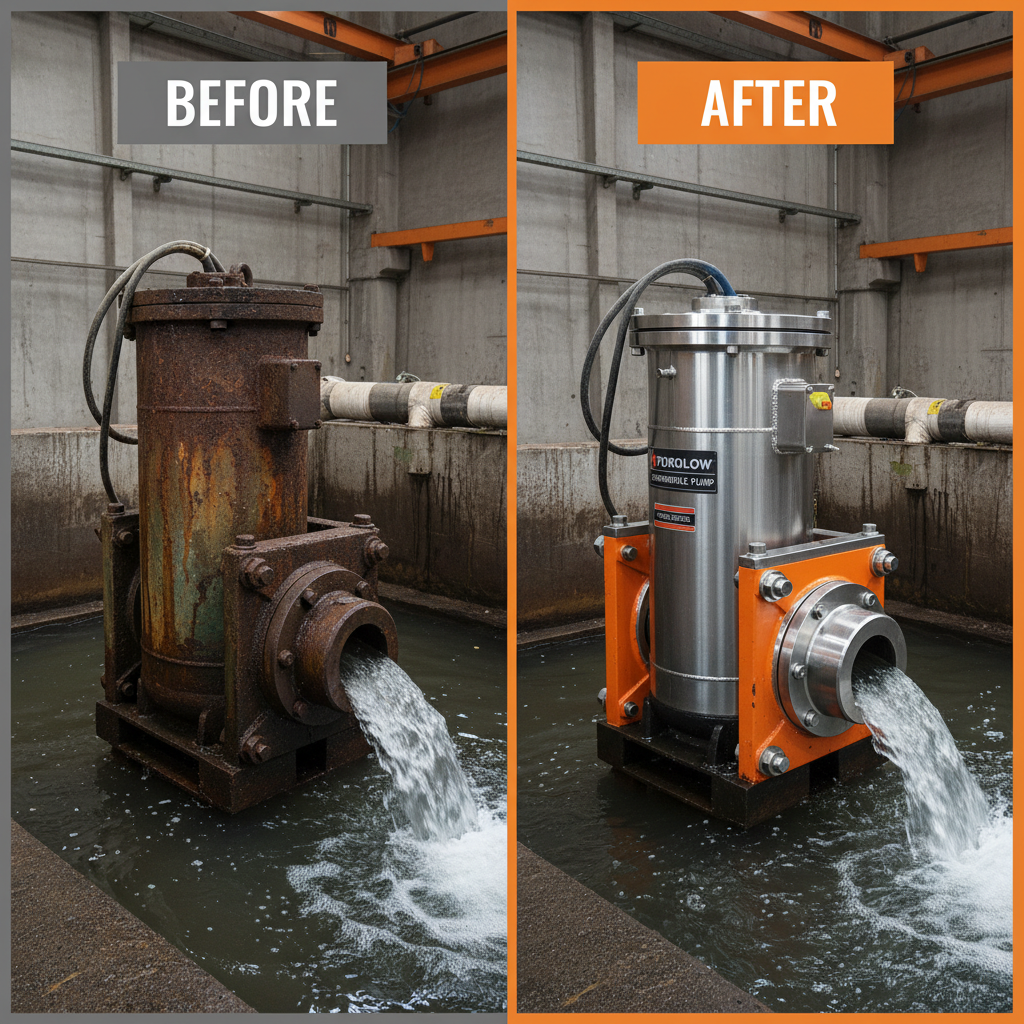 Understanding the Price Submersible Pump and Buyer GuideWhen searching for the ideal water management solution, understanding the price submersible pump options is crucial for balancing budget with performance. Whether you are dealing with a flooded basement, managing agricultural irrigation, or extracting water from a deep well, the cost of a submersible pump can vary significantly based on its build quality and capacity. Investing in a high-quality pump ensures long-term reliability and reduces the frequency of expensive replacements. In this guide, we will break down the factors that influence pricing and help you make an informed decision for your specific needs.Detail
 -
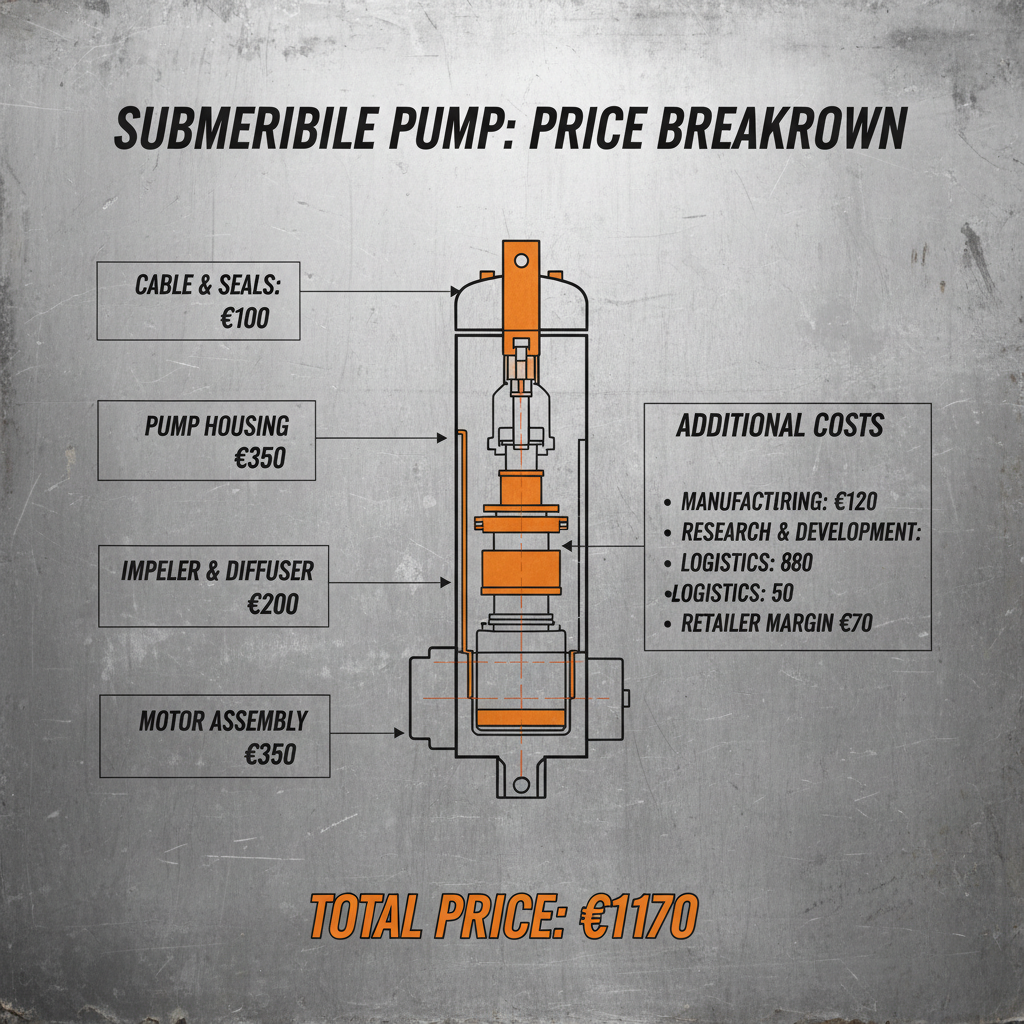 Factors Affecting the Price for Submersible Pump a Buyers GuideWhen investing in water management systems, understanding the price for submersible pump options is essential for balancing performance with budget. Whether you are managing a residential well, an industrial drainage project, or agricultural irrigation, the cost of a pump is rarely a flat fee; it is a reflection of the engineering, materials, and capacity required for your specific environment. In this guide, we will break down the factors that influence pricing and help you determine the best value for your investment to ensure long-term reliability and efficiency.Detail
 -
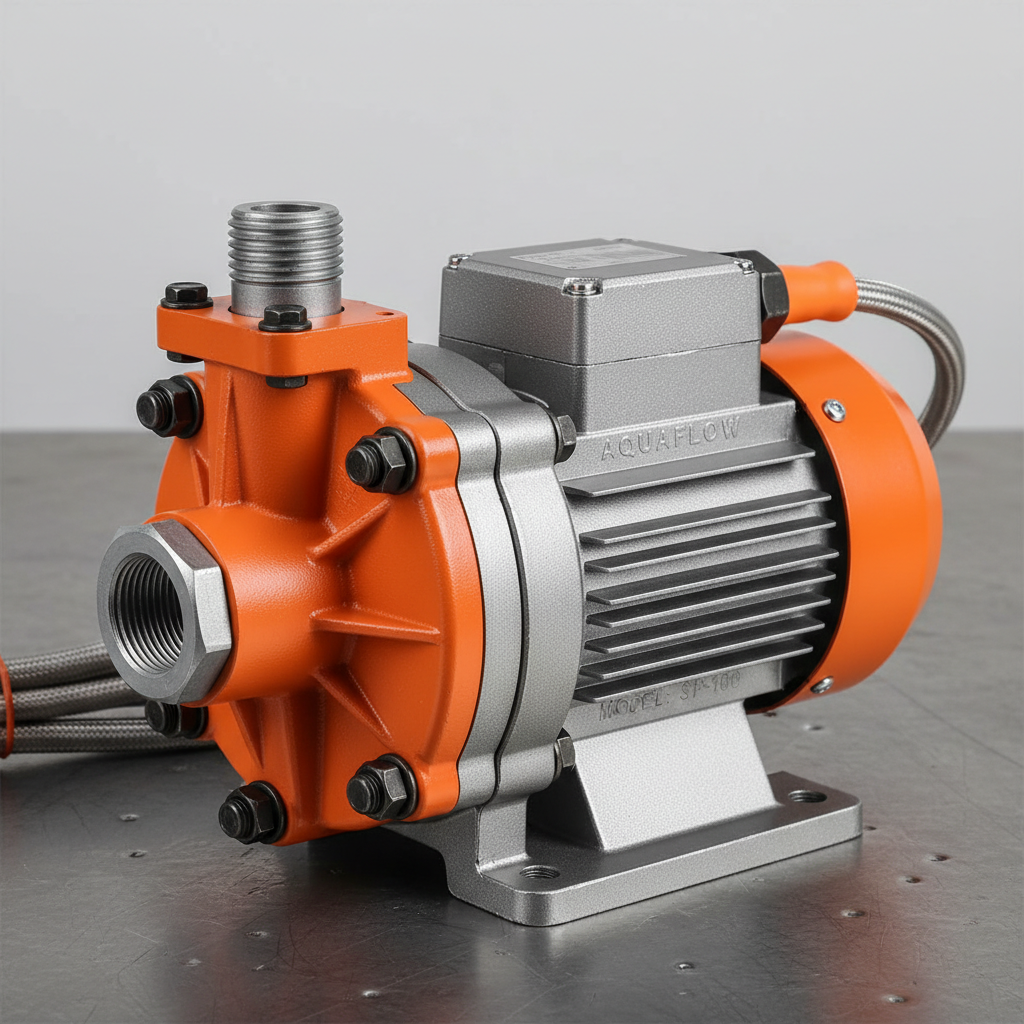 Choosing the Right Mini Submersible Fountain Pump for Optimal Water Feature PerformanceCreating a beautiful and relaxing water feature doesn't have to be complicated. A mini submersible fountain pump is the heart of any indoor or outdoor fountain, and selecting the right one is crucial for optimal performance and longevity. This article will guide you through the key considerations when choosing a mini submersible fountain pump, covering types, features, applications, and how to ensure you get the perfect pump for your project. We’ll also explore how Wellpumpact can provide you with the ideal solution.Detail
 Afrikaans
 Albanian
 Amharic
 Arabic
 Armenian
 Azerbaijani
 Basque
 Belarusian
 Bengali
 Bosnian
 Bulgarian
 Catalan
 Cebuano
 Corsican
 Croatian
 Czech
Czech
 Danish
 Dutch
Dutch
 Esperanto
 Estonian
 Finnish
 French
 Frisian
 Galician
 Georgian
 German
 Greek
Greek
 Gujarati
 Haitian Creole
 Hausa
Hausa
 Hawaiian
 Hebrew
 Hindi
Hindi
 Miao
Miao
 Hungarian
 Icelandic
 Igbo
Igbo
 Indonesian
 Irish
Irish
 Italian
 Japanese
 Javanese
 Kannada
 Kazakh
 Khmer
Khmer
 Rwandese
 Korean
 Kurdish
 Kyrgyz
 Lao
Lao
 Latin
Latin
 Latvian
 Lithuanian
 Luxembourgish
 Macedonian
 Malgashi
 Malay
Malay
 Malayalam
 Maltese
 Maori
Maori
 Marathi
 Mongolian
 Myanmar
 Nepali
 Norwegian
 Norwegian
 Occitan
 Pashto
 Persian
 Polish
 Portuguese
 Punjabi
 Romanian
 Russian
 Samoan
 Scottish Gaelic
 Serbian
 Sesotho
 Shona
Shona
 Sindhi
 Sinhala
 Slovak
 Slovenian
 Somali
 Spanish
 Sundanese
 Swahili
 Swedish
 Tagalog
 Tajik
Tajik
 Tamil
Tamil
 Tatar
Tatar
 Telugu
 Thai
Thai
 Turkish
 Turkmen
 Ukrainian
 Urdu
Urdu
 Uighur
 Uzbek
Uzbek
 Vietnamese
 Welsh
Welsh
 Bantu
Bantu
 Yiddish
 Yoruba
 Zulu
Zulu
 English