
Dec . 09, 2025 06:50 Back to list
How to Install a Submersible Water Well Pump – Expert Guide
How to Install a submersible water well pump - A Field Veteran’s Guide
Having spent over a decade knee-deep in bolts, pipes, and pumps, I can say installing a submersible water well pump is one of those jobs that’s equal parts straightforward and finicky. Honestly, it’s not just about dropping a pump into a well and calling it a day. You want it set up right—so it lasts decades and doesn’t leave you scrambling for repairs.
So, if you’re looking at your first installation or even your fifth, this rundown aims to give you practical tips from someone who’s learned the hard way, plus a few little hacks and insights that sometimes get overlooked in manuals.
Understanding the Fundamentals Before You Dive In
First, a quick refresher. A submersible water well pump lives underwater — at the well’s bottom, actually — to push water up efficiently. The design eliminates problems that surface pumps can have, like priming issues or cavitation. The pump usually includes a motor sealed for underwater use, an impeller or set of impellers, and a long power cable running to the surface.
Materials matter here: corrosion-resistant steel or thermoplastics are common choices. You want something robust but not so heavy it’s a monster to hoist. Also, test your pump offline before installation to confirm the motor spins freely and wiring is intact. It sounds obvious, but trust me, sometimes those factory checks miss little glitches.
Step-by-Step Installation Tips
1. Prepare your site and tools. You’ll need a winch or tripod for lowering, a good cable reel, pipe wrenches, electrical connectors, and sealing tape. Check your power supply specs carefully; these pumps usually require a dedicated circuit.
2. Secure the drop pipe to the pump. Often, this is a stainless steel or PVC pipe connecting the pump to surface plumbing. Use thread sealant or tape liberally to prevent leaks. That’s a spot where leaks are sneaky and can cause major headaches later.
3. Attach the power cable carefully. The pump cable must be fastened along the drop pipe with non-abrasive clamps. I once saw a pump fail because the cable got pinched and chafed inside the well—ugh, avoid that. Also, waterproof electrical connectors at the top end are a must-have.
4. Lower the pump slowly. This is where many folks get their hands dirty or worse — fumble with the alignment. Using the winch, lower the assembled pump and pipe into the well steadily. Keep tension on the cable so it doesn’t kink or twist.
5. Connect to your surface plumbing and power. Once the pump’s set in place, tie the drop pipe into your distribution system and hook up the electrical panel. Grounding is crucial here for safety, so make sure that check is done by a qualified electrician if you’re unsure.
6. Test it. Turn the pump on and watch the water flow. Listen for unusual noises. Any knocking or grinding is a red flag. Also, keep an eye on current draw — an overload might suggest motor trouble.
Product Specifications: A Typical Submersible Pump Model
| Spec | Details |
|---|---|
| Motor Power | 1.5 HP (Horsepower) |
| Voltage | 230 V, Single Phase |
| Max Depth | 400 ft (approx. 120 m) |
| Material | Stainless Steel & High-Density Polyethylene |
| Maximum Flow Rate | 15 GPM (Gallons Per Minute) |
| Warranty | 3 Years Manufacturer’s Warranty |
Comparing Top Vendors for Submersible Pumps
| Brand | Price Range | Durability | Warranty | Customer Support |
|---|---|---|---|---|
| WellPump Act | $$$ | Excellent (316 Stainless Steel) | 3 Years | 24/7 phone & email support |
| AquaPure | $$ | Good (Aluminum body) | 2 Years | Business hours support |
| HydroFlo | $$$$ | Premium (Titanium components) | 5 Years | Dedicated on-site support |
A Real-Life Install That Comes to Mind
One time, on a remote farm site, I walked a rookie through the setup. He was impatient, trying to rush everything — dropped the pump (no damage, thankfully), forgot to secure the cable properly, and nearly wired it backwards. Oddly enough, it was a great teaching moment. The pump went in smoothly after a reset, and that customer’s well has been running strong ever since. I suppose it reinforces that patience and attention to detail really pay off in the long run.
All in all, whether you’re doing your first project or you’ve been in the game for a while, installing a submersible pump isn’t rocket science — but it needs respect. If you do it carefully, your investment will keep water flowing clean and reliably for years.
For a great selection and support, I’ve always recommended checking out WellPump Act. Their gear is rugged, and they stand behind it — which, frankly, is as important as the pump itself.
Stay safe, plan ahead, and good luck out there in the well trenches!
- Your industrial equipment field guide
References
- Hydraulic Institute, "Submersible Pump Installation Guidelines", 2022.
- WellPump Act Technical Manual, 2023.
- Personal Logs & Install Experiences, 2010-2023.
-
Understanding the Price Submersible Pump and Buyer Guide
NewsApr.16,2026
-
Factors Affecting the Price for Submersible Pump a Buyers Guide
NewsApr.09,2026
-
Choosing the Right Mini Submersible Fountain Pump for Optimal Water Feature Performance
NewsApr.07,2026
-
A Detailed Guide to Installing a Submersible Pump for Optimal Performance
NewsApr.04,2026
-
Comprehensive Guide on How to Test a Submersible Water Well Pump Effectively
NewsMar.31,2026
-
Learn How to Replace a Submersible Well Pump Safely and Effectively
NewsMar.28,2026
-
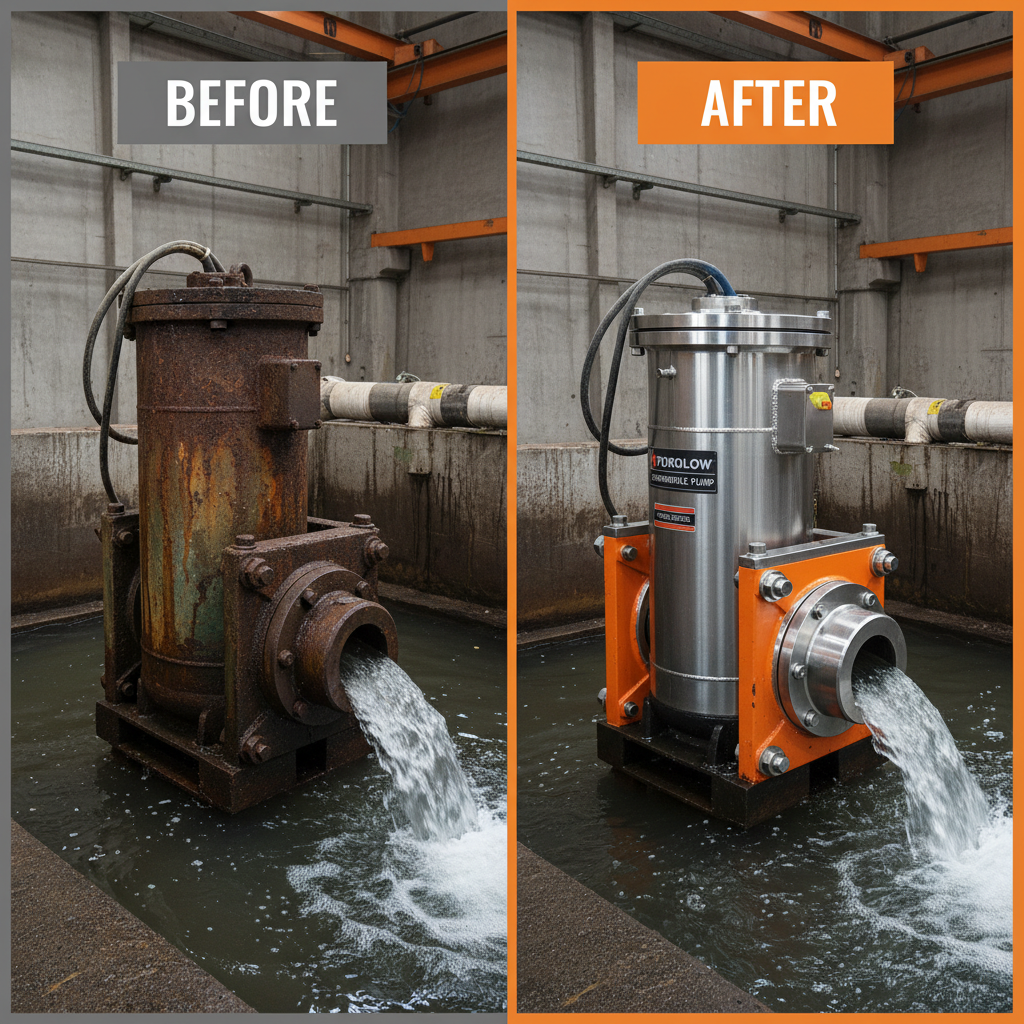 Understanding the Price Submersible Pump and Buyer GuideWhen searching for the ideal water management solution, understanding the price submersible pump options is crucial for balancing budget with performance. Whether you are dealing with a flooded basement, managing agricultural irrigation, or extracting water from a deep well, the cost of a submersible pump can vary significantly based on its build quality and capacity. Investing in a high-quality pump ensures long-term reliability and reduces the frequency of expensive replacements. In this guide, we will break down the factors that influence pricing and help you make an informed decision for your specific needs.Detail
 -
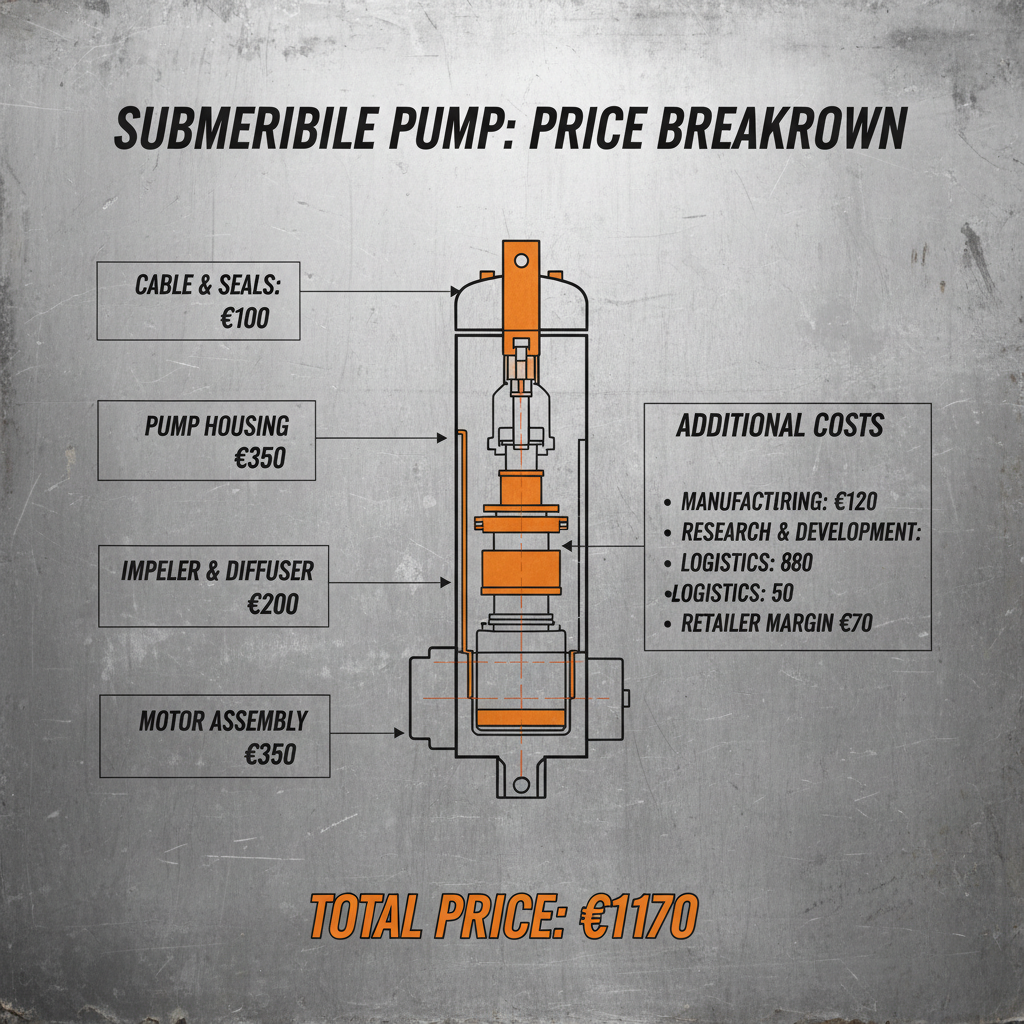 Factors Affecting the Price for Submersible Pump a Buyers GuideWhen investing in water management systems, understanding the price for submersible pump options is essential for balancing performance with budget. Whether you are managing a residential well, an industrial drainage project, or agricultural irrigation, the cost of a pump is rarely a flat fee; it is a reflection of the engineering, materials, and capacity required for your specific environment. In this guide, we will break down the factors that influence pricing and help you determine the best value for your investment to ensure long-term reliability and efficiency.Detail
 -
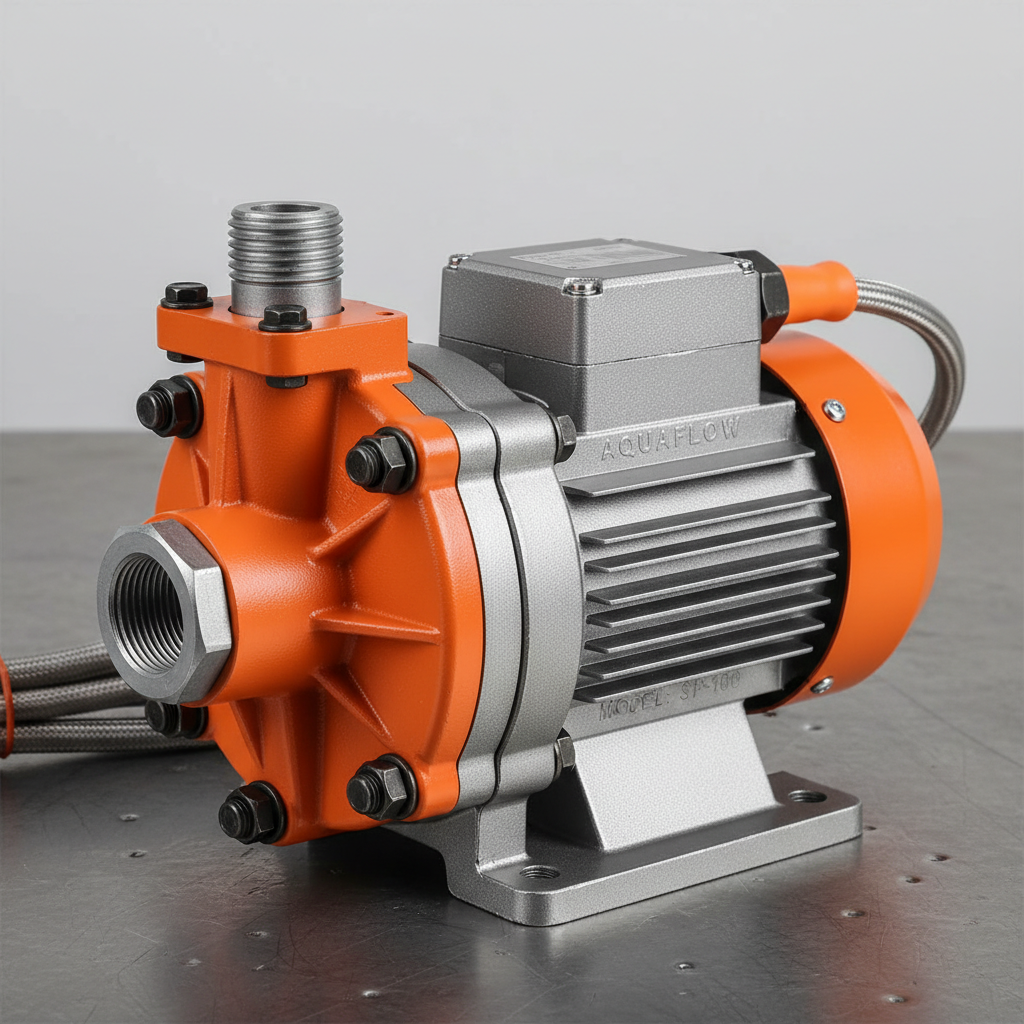 Choosing the Right Mini Submersible Fountain Pump for Optimal Water Feature PerformanceCreating a beautiful and relaxing water feature doesn't have to be complicated. A mini submersible fountain pump is the heart of any indoor or outdoor fountain, and selecting the right one is crucial for optimal performance and longevity. This article will guide you through the key considerations when choosing a mini submersible fountain pump, covering types, features, applications, and how to ensure you get the perfect pump for your project. We’ll also explore how Wellpumpact can provide you with the ideal solution.Detail
 Afrikaans
 Albanian
 Amharic
 Arabic
 Armenian
 Azerbaijani
 Basque
 Belarusian
 Bengali
 Bosnian
 Bulgarian
 Catalan
 Cebuano
 Corsican
 Croatian
 Czech
Czech
 Danish
 Dutch
Dutch
 Esperanto
 Estonian
 Finnish
 French
 Frisian
 Galician
 Georgian
 German
 Greek
Greek
 Gujarati
 Haitian Creole
 Hausa
Hausa
 Hawaiian
 Hebrew
 Hindi
Hindi
 Miao
Miao
 Hungarian
 Icelandic
 Igbo
Igbo
 Indonesian
 Irish
Irish
 Italian
 Japanese
 Javanese
 Kannada
 Kazakh
 Khmer
Khmer
 Rwandese
 Korean
 Kurdish
 Kyrgyz
 Lao
Lao
 Latin
Latin
 Latvian
 Lithuanian
 Luxembourgish
 Macedonian
 Malgashi
 Malay
Malay
 Malayalam
 Maltese
 Maori
Maori
 Marathi
 Mongolian
 Myanmar
 Nepali
 Norwegian
 Norwegian
 Occitan
 Pashto
 Persian
 Polish
 Portuguese
 Punjabi
 Romanian
 Russian
 Samoan
 Scottish Gaelic
 Serbian
 Sesotho
 Shona
Shona
 Sindhi
 Sinhala
 Slovak
 Slovenian
 Somali
 Spanish
 Sundanese
 Swahili
 Swedish
 Tagalog
 Tajik
Tajik
 Tamil
Tamil
 Tatar
Tatar
 Telugu
 Thai
Thai
 Turkish
 Turkmen
 Ukrainian
 Urdu
Urdu
 Uighur
 Uzbek
Uzbek
 Vietnamese
 Welsh
Welsh
 Bantu
Bantu
 Yiddish
 Yoruba
 Zulu
Zulu
 English