
Nov . 08, 2024 07:34 Back to list
Steps for Safely Extracting a Submersible Deep Well Pump from Its Casing
How to Remove a Submersible Deep Well Pump
Removing a submersible deep well pump can seem like a daunting task, but with the right tools and step-by-step instructions, it can be accomplished safely and efficiently. Whether you're dealing with a malfunctioning pump or simply need to perform maintenance, this guide will walk you through the process.
Tools and Materials You Will Need
Before you begin, gather the following tools and materials
1. Wrenches (adjustable and pipe) 2. Pliers 3. Screwdriver 4. Bucket (to catch any water) 5. Wire cutters (if necessary) 6. Safety gloves and goggles 7. Cable hoist or winch (if the pump is particularly heavy) 8. Towels and rags (for spills)
Step-by-Step Instructions
1. Power Off the Pump The first and most critical step is to turn off the power to the pump. Locate your circuit breaker and turn off the specific circuit supplying power to the well pump. This is crucial to prevent electric shocks and ensure your safety during the removal process.
2. Drain the Well If possible, drain the well to minimize the amount of water that might spill when you disconnect the pump. Place a bucket under the discharge pipe to catch any residual water that may escape.
how to remove a submersible deep well pump
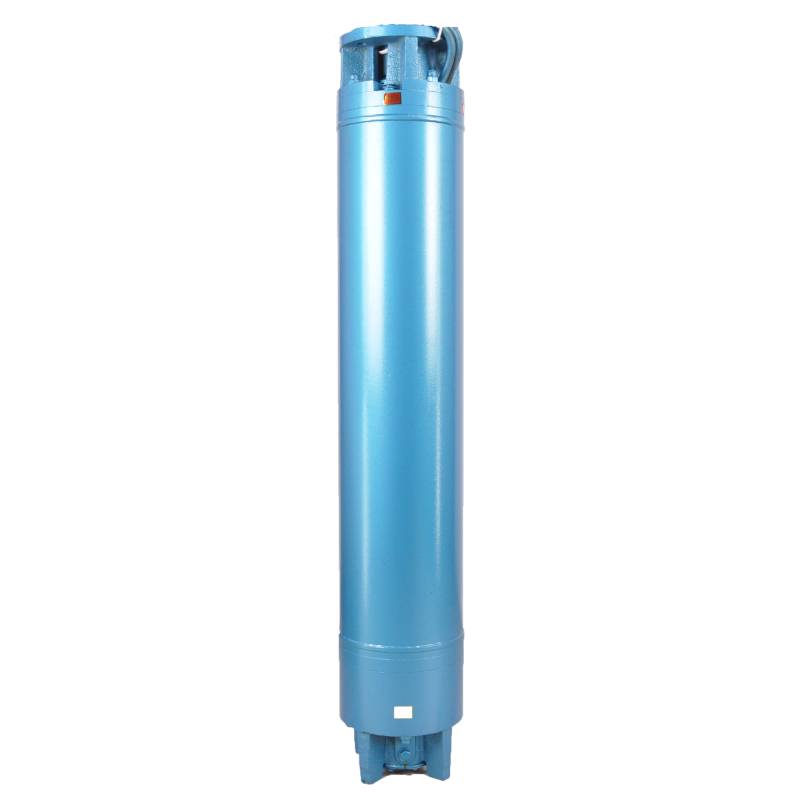
3. Disconnect Electrical Wires Carefully pull up any wiring that connects the pump to the surface. Depending on your setup, you might need to access the control box. Use your screwdriver and pliers to disconnect the wiring, making sure to remember which wires connect where. Taking a photo beforehand can be very helpful.
4. Remove the Discharge Pipe Locate the discharge pipe, which is usually connected to the top of the pump. Use your wrench to loosen the fittings and disconnect the pipe. Be prepared for water to spill out when you do this, so it's helpful to have towels or rags on hand.
5. Lift the Pump Once everything is disconnected, it’s time to lift the pump out of the well. If your pump is heavy, you may need a cable hoist or winch to help you. Carefully pull on the pump’s lifting cable, ensuring that it is stable and not snagging on any well casing or debris. Always lift straight up to avoid damaging the pump.
6. Inspect the Pump After you have removed the pump, inspect it for any signs of wear, damage, or debris that may have caused issues. Cleaning the pump and components can often resolve minor problems. If significant repairs are needed, consider taking it to a professional.
7. Store the Pump Safely Once you are finished inspecting and possibly repairing the pump, store it in a clean, dry place until you are ready to reinstall it or replace it with a new unit.
8. Reinstalling the Pump If you are reinstalling the pump, the process is essentially the reverse of removal. Be sure to follow the manufacturer's instructions closely, ensuring that all connections are secure and all safety measures are in place.
Final Thoughts
Removing a submersible deep well pump can be a manageable DIY project if you take your time and follow the necessary safety protocols. Always prioritize safety by wearing gloves and goggles, and don’t hesitate to call a professional if you're uncomfortable with any step in the process. Regular maintenance and quick repairs can extend the life of your pump, ensuring you have reliable access to water when you need it. With the right approach, you can tackle this job confidently, saving time and potential cost.
-
Understanding the Price Submersible Pump and Buyer Guide
NewsApr.16,2026
-
Factors Affecting the Price for Submersible Pump a Buyers Guide
NewsApr.09,2026
-
Choosing the Right Mini Submersible Fountain Pump for Optimal Water Feature Performance
NewsApr.07,2026
-
A Detailed Guide to Installing a Submersible Pump for Optimal Performance
NewsApr.04,2026
-
Comprehensive Guide on How to Test a Submersible Water Well Pump Effectively
NewsMar.31,2026
-
Learn How to Replace a Submersible Well Pump Safely and Effectively
NewsMar.28,2026
-
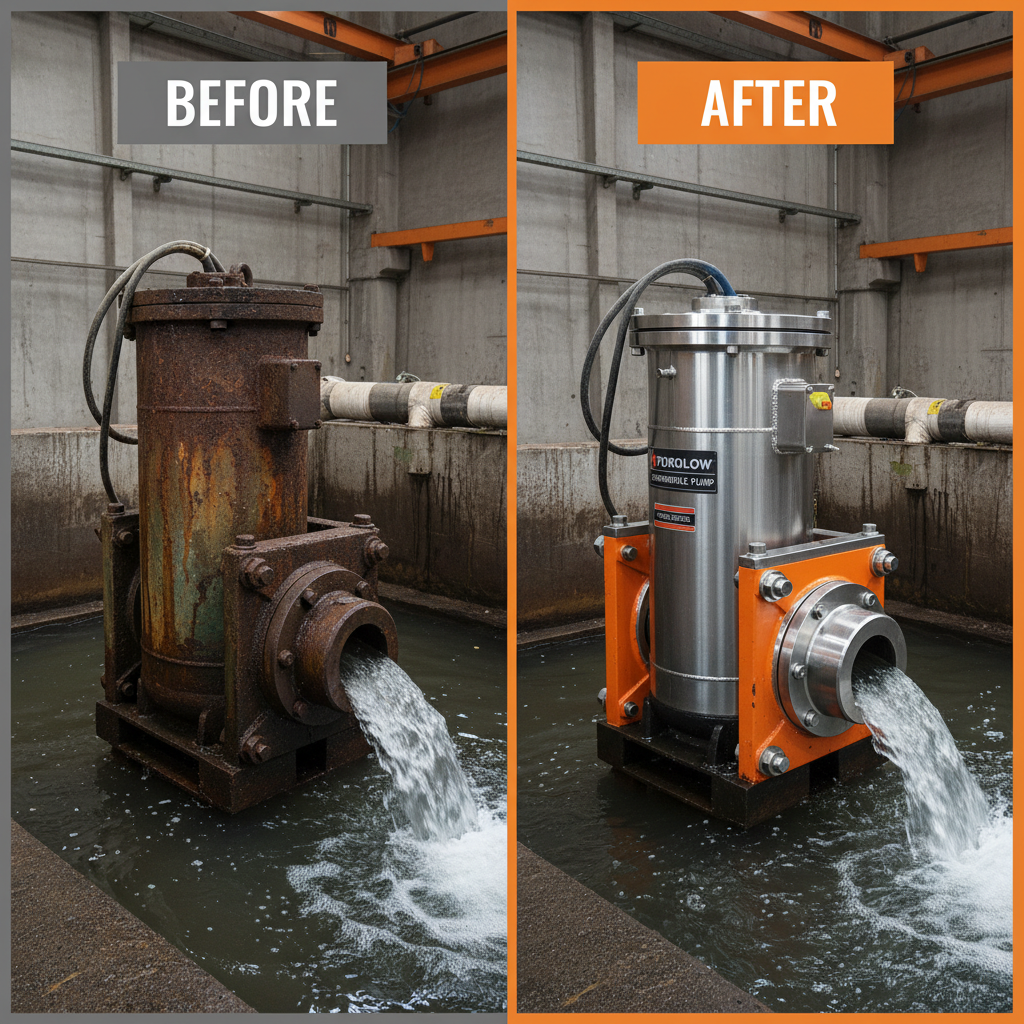 Understanding the Price Submersible Pump and Buyer GuideWhen searching for the ideal water management solution, understanding the price submersible pump options is crucial for balancing budget with performance. Whether you are dealing with a flooded basement, managing agricultural irrigation, or extracting water from a deep well, the cost of a submersible pump can vary significantly based on its build quality and capacity. Investing in a high-quality pump ensures long-term reliability and reduces the frequency of expensive replacements. In this guide, we will break down the factors that influence pricing and help you make an informed decision for your specific needs.Detail
 -
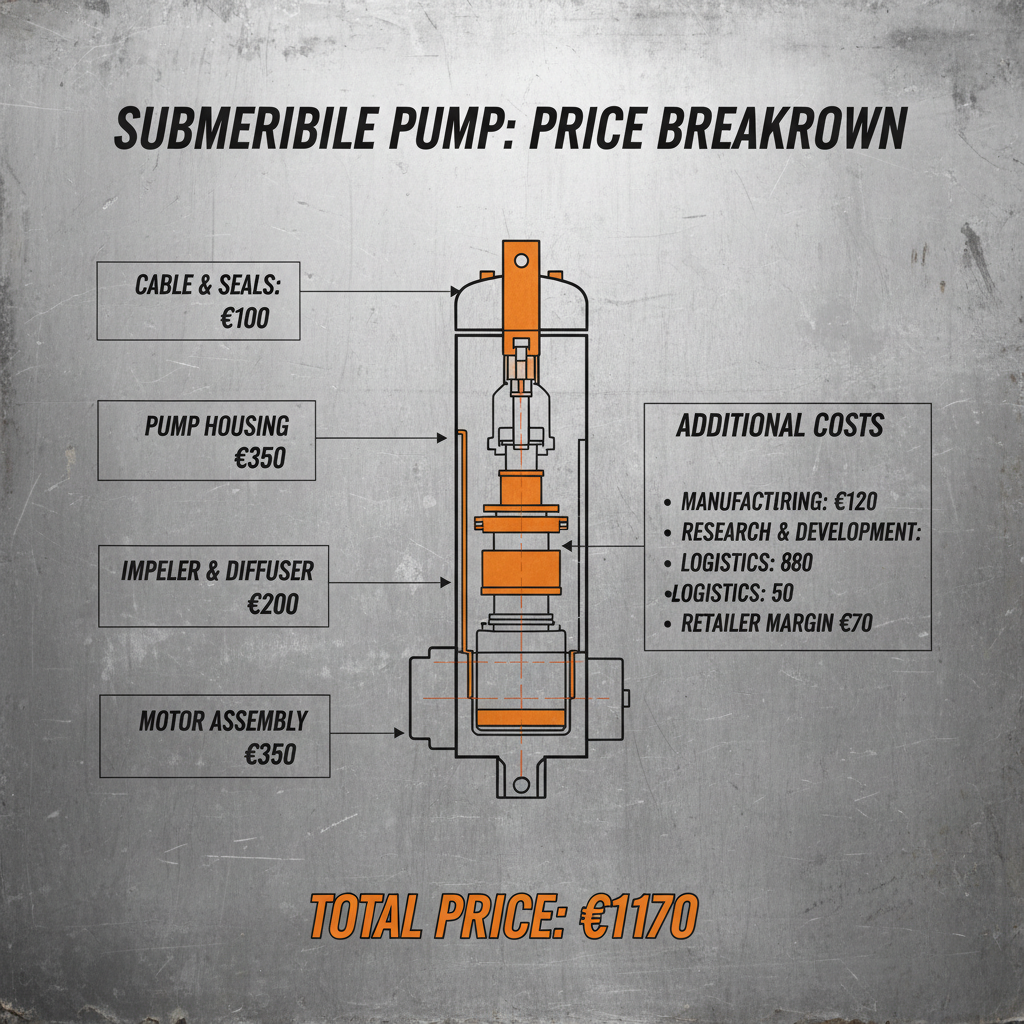 Factors Affecting the Price for Submersible Pump a Buyers GuideWhen investing in water management systems, understanding the price for submersible pump options is essential for balancing performance with budget. Whether you are managing a residential well, an industrial drainage project, or agricultural irrigation, the cost of a pump is rarely a flat fee; it is a reflection of the engineering, materials, and capacity required for your specific environment. In this guide, we will break down the factors that influence pricing and help you determine the best value for your investment to ensure long-term reliability and efficiency.Detail
 -
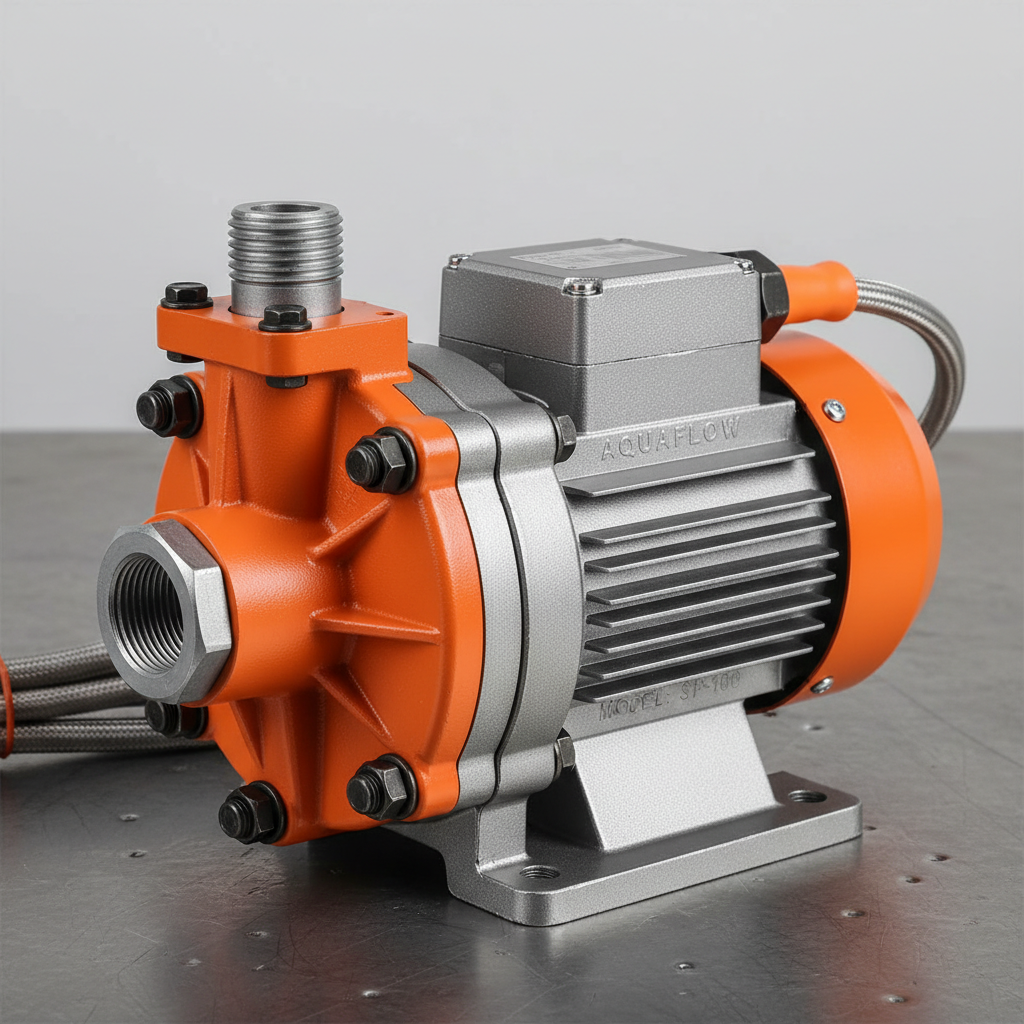 Choosing the Right Mini Submersible Fountain Pump for Optimal Water Feature PerformanceCreating a beautiful and relaxing water feature doesn't have to be complicated. A mini submersible fountain pump is the heart of any indoor or outdoor fountain, and selecting the right one is crucial for optimal performance and longevity. This article will guide you through the key considerations when choosing a mini submersible fountain pump, covering types, features, applications, and how to ensure you get the perfect pump for your project. We’ll also explore how Wellpumpact can provide you with the ideal solution.Detail
 Afrikaans
 Albanian
 Amharic
 Arabic
 Armenian
 Azerbaijani
 Basque
 Belarusian
 Bengali
 Bosnian
 Bulgarian
 Catalan
 Cebuano
 Corsican
 Croatian
 Czech
Czech
 Danish
 Dutch
Dutch
 Esperanto
 Estonian
 Finnish
 French
 Frisian
 Galician
 Georgian
 German
 Greek
Greek
 Gujarati
 Haitian Creole
 Hausa
Hausa
 Hawaiian
 Hebrew
 Hindi
Hindi
 Miao
Miao
 Hungarian
 Icelandic
 Igbo
Igbo
 Indonesian
 Irish
Irish
 Italian
 Japanese
 Javanese
 Kannada
 Kazakh
 Khmer
Khmer
 Rwandese
 Korean
 Kurdish
 Kyrgyz
 Lao
Lao
 Latin
Latin
 Latvian
 Lithuanian
 Luxembourgish
 Macedonian
 Malgashi
 Malay
Malay
 Malayalam
 Maltese
 Maori
Maori
 Marathi
 Mongolian
 Myanmar
 Nepali
 Norwegian
 Norwegian
 Occitan
 Pashto
 Persian
 Polish
 Portuguese
 Punjabi
 Romanian
 Russian
 Samoan
 Scottish Gaelic
 Serbian
 Sesotho
 Shona
Shona
 Sindhi
 Sinhala
 Slovak
 Slovenian
 Somali
 Spanish
 Sundanese
 Swahili
 Swedish
 Tagalog
 Tajik
Tajik
 Tamil
Tamil
 Tatar
Tatar
 Telugu
 Thai
Thai
 Turkish
 Turkmen
 Ukrainian
 Urdu
Urdu
 Uighur
 Uzbek
Uzbek
 Vietnamese
 Welsh
Welsh
 Bantu
Bantu
 Yiddish
 Yoruba
 Zulu
Zulu
 English