
Dec . 05, 2025 00:50 Back to list
Reliable 2 HP Submersible Pump for Industrial and Residential Use
Exploring the 2 HP Submersible Pump: Reliability Beneath the Surface
Having been around industrial equipment — particularly pumps — for more than a decade, I’ve come to appreciate the quiet strength and engineering finesse behind machines like the 2 HP submersible pump. These aren’t the kind of gadgets that grab headlines, but they quietly keep industries flowing, literally.
Oddly enough, while technology advances in leaps and bounds, submersible pumps often feel like that trusty old friend who just never lets you down. Whether it’s pumping out water from deep wells, handling municipal water supply, or assisting agricultural irrigation, this 2 horsepower model strikes a great balance between power and efficiency.
I remember one project in rural Illinois where the local farm was struggling with inconsistent well output. Swapping in a 2 HP submersible pump brought a significant turnaround. The farmers noted not just improved water flow but also lower noise levels — a small relief if you’ve ever worked around loud industrial equipment all day.
What Makes the 2 HP Submersible Pump a Go-To Choice?
The design of submersible pumps is fascinating. The motor sits sealed inside the pump body, submerged right in the water. This means no priming is needed – you just drop it in and go. The motor’s sealed construction prevents water ingress, which is critical for durability and safety. Materials used are often stainless steel or high-grade thermoplastics to resist corrosion in harsh environments. Frankly, in my experience, pumps that cut corners on materials rarely last.
In real terms, a 2 HP motor offers enough grunt to move water from quite deep wells, commonly between 100 to 250 feet, depending on the system and pipe diameter. Plus, many 2 HP models are engineered with thermal overload protection, guarding the motor against overheating — a subtle but crucial feature that can save thousands in repairs and downtime.
| Specification | Details |
|---|---|
| Power | 2 Horsepower (HP) |
| Voltage | 230V or 460V (single or three phase) |
| Max Flow Rate | Up to 35 gallons per minute (GPM) |
| Max Head | Up to 250 feet |
| Materials | Stainless Steel, Cast Iron, Thermoplastic |
| Protection | Thermal Overload, Waterproof Seals |
| Typical Applications | Farming, Municipal Water, Residential Wells |
Comparing Leading Vendors of 2 HP Submersible Pumps
If you’re shopping around, it’s not just about specs, but also reliability and service. Here’s my take on some industry names you might encounter:
| Vendor | Material Quality | Warranty | Price Range | Customer Support |
|---|---|---|---|---|
| Grundfos | Premium Stainless Steel | 5 Years | $$$ | Excellent global support |
| Franklin Electric | Durable Cast Iron & Stainless Steel | 3 Years | $$ | Strong dealer network |
| Zoeller | Cast Iron Pump + Neoprene Seals | 2 Years | $ | Good North American support |
Frankly, I’ve worked mostly with Franklin Electric models on industrial sites, and they hold up impressively well in tough conditions. On the other hand, Grundfos pumps offer a bit more in terms of tech innovation — variable speed options, better energy efficiency — which might be worth the extra investment if you’re running a high-demand system.
Ultimately, you want a 2 HP submersible pump that ticks all your boxes for power, durability, and service support. Don’t overlook the small details, like cable quality and seal materials; in my experience, those often dictate whether the pump lasts 5 years or 15.
So yeah, the next time someone asks if a 2 HP submersible pump is enough for their needs, my answer is usually ‘it depends’ — but in many cases, it’s a solid choice. It’s not flashy. But it works, reliably, deeply, under water, day in and day out.
Keep in mind, installation and maintenance go hand in hand with choosing the right pump. I’ve seen pumps fail prematurely because folks overlooked routine checks or tried installing them without proper risers or electrical grounding. And if you’re in a new setup, consulting a professional is never a waste of time.
Anyway, hope this little rundown from the field helps. Submersible pumps might not be glamorous, but for those who know, they’re indispensable.
References:
- Industry Pump Reports, 2023 – Trends in Water Pump Efficiency
- Franklin Electric Technical Documentation, 2022
- Personal field notes & client interviews, 2015-2023
-
Understanding the Price Submersible Pump and Buyer Guide
NewsApr.16,2026
-
Factors Affecting the Price for Submersible Pump a Buyers Guide
NewsApr.09,2026
-
Choosing the Right Mini Submersible Fountain Pump for Optimal Water Feature Performance
NewsApr.07,2026
-
A Detailed Guide to Installing a Submersible Pump for Optimal Performance
NewsApr.04,2026
-
Comprehensive Guide on How to Test a Submersible Water Well Pump Effectively
NewsMar.31,2026
-
Learn How to Replace a Submersible Well Pump Safely and Effectively
NewsMar.28,2026
-
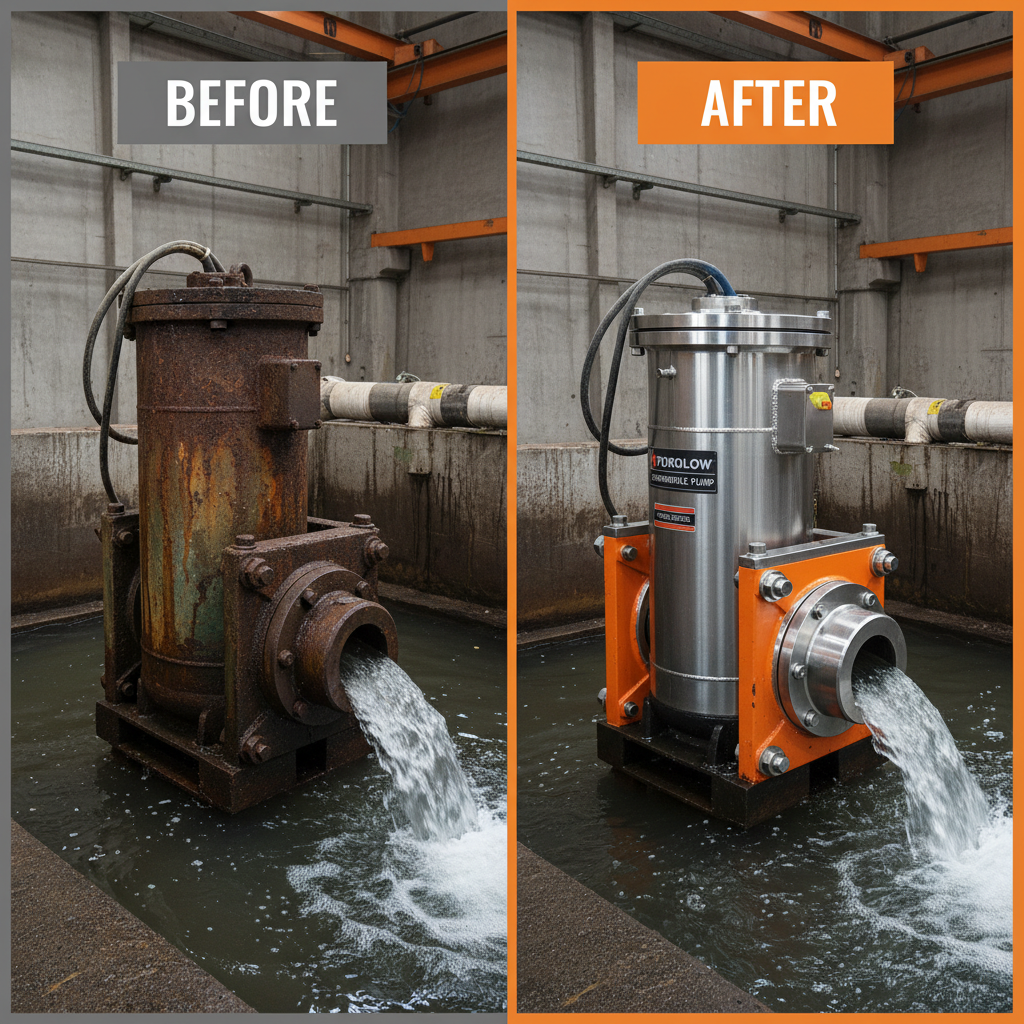 Understanding the Price Submersible Pump and Buyer GuideWhen searching for the ideal water management solution, understanding the price submersible pump options is crucial for balancing budget with performance. Whether you are dealing with a flooded basement, managing agricultural irrigation, or extracting water from a deep well, the cost of a submersible pump can vary significantly based on its build quality and capacity. Investing in a high-quality pump ensures long-term reliability and reduces the frequency of expensive replacements. In this guide, we will break down the factors that influence pricing and help you make an informed decision for your specific needs.Detail
 -
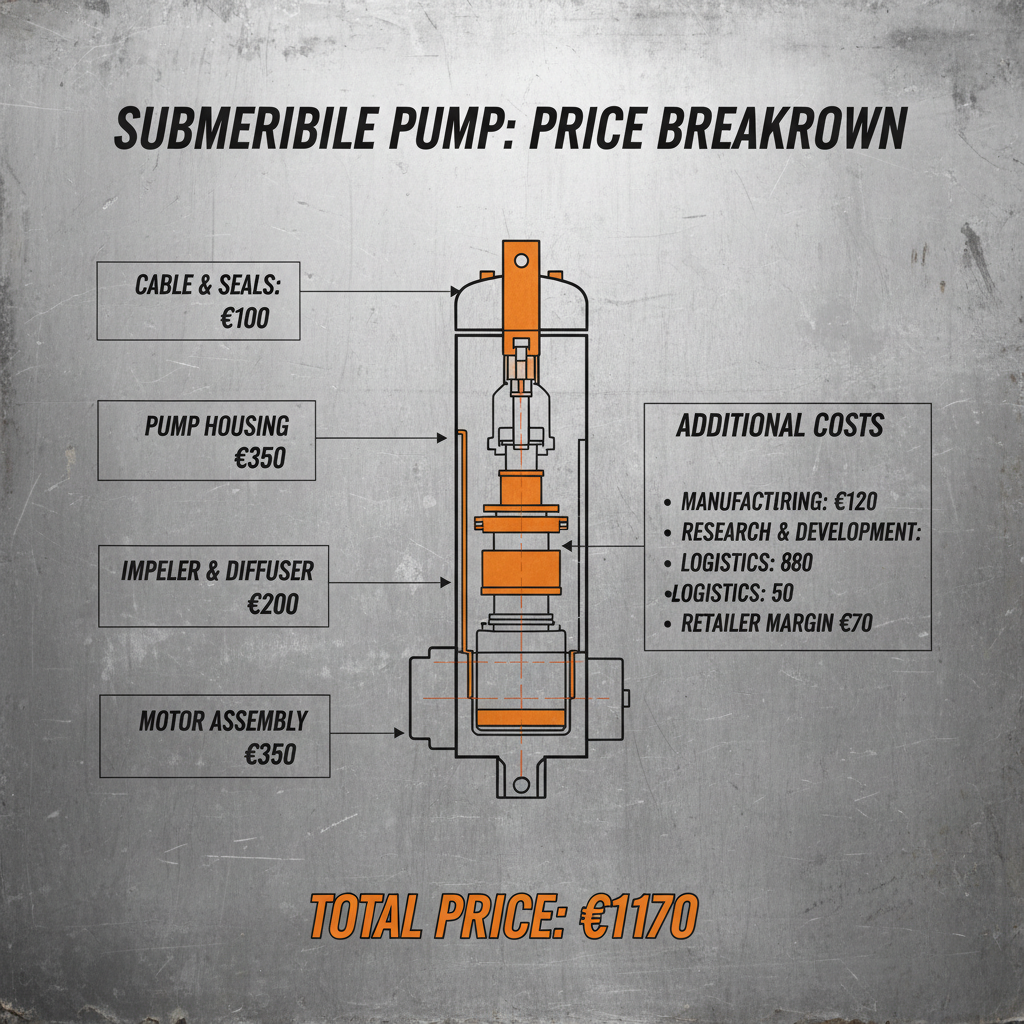 Factors Affecting the Price for Submersible Pump a Buyers GuideWhen investing in water management systems, understanding the price for submersible pump options is essential for balancing performance with budget. Whether you are managing a residential well, an industrial drainage project, or agricultural irrigation, the cost of a pump is rarely a flat fee; it is a reflection of the engineering, materials, and capacity required for your specific environment. In this guide, we will break down the factors that influence pricing and help you determine the best value for your investment to ensure long-term reliability and efficiency.Detail
 -
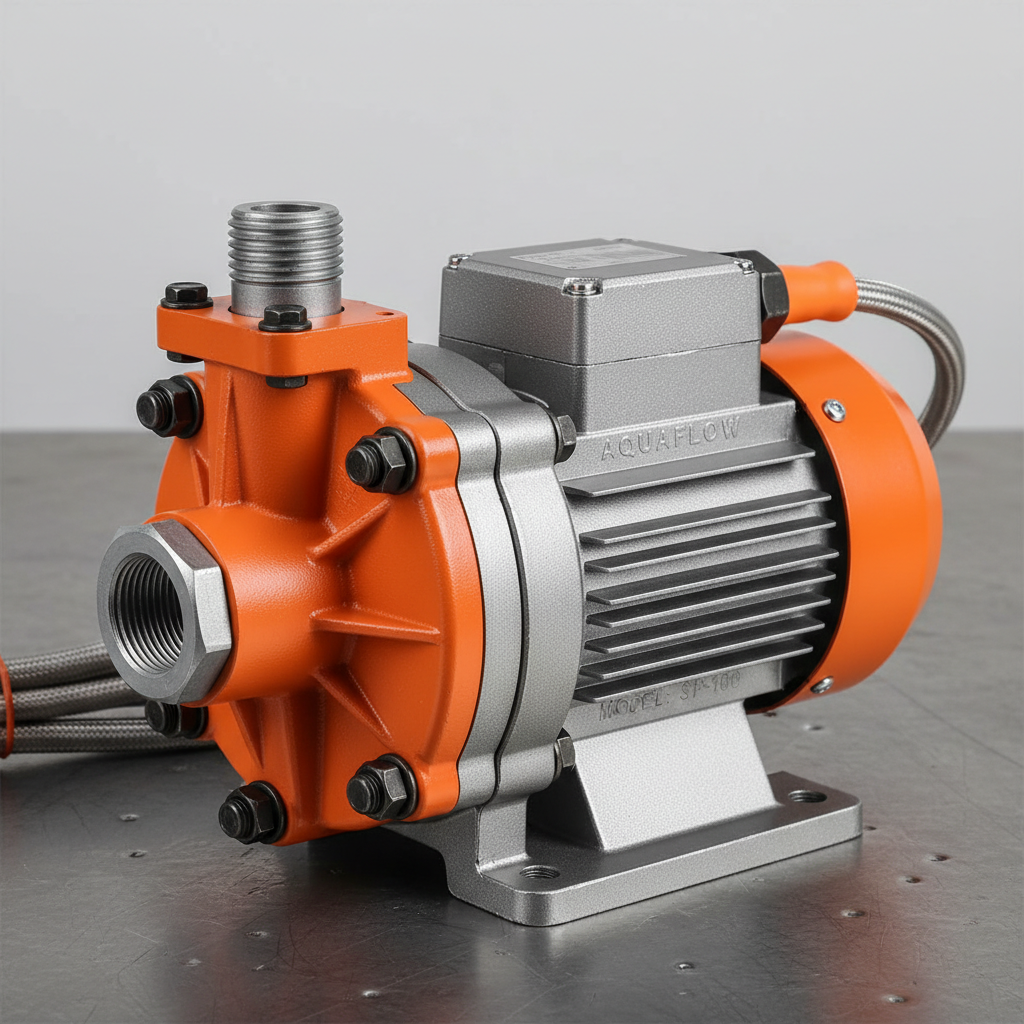 Choosing the Right Mini Submersible Fountain Pump for Optimal Water Feature PerformanceCreating a beautiful and relaxing water feature doesn't have to be complicated. A mini submersible fountain pump is the heart of any indoor or outdoor fountain, and selecting the right one is crucial for optimal performance and longevity. This article will guide you through the key considerations when choosing a mini submersible fountain pump, covering types, features, applications, and how to ensure you get the perfect pump for your project. We’ll also explore how Wellpumpact can provide you with the ideal solution.Detail
 Afrikaans
 Albanian
 Amharic
 Arabic
 Armenian
 Azerbaijani
 Basque
 Belarusian
 Bengali
 Bosnian
 Bulgarian
 Catalan
 Cebuano
 Corsican
 Croatian
 Czech
Czech
 Danish
 Dutch
Dutch
 Esperanto
 Estonian
 Finnish
 French
 Frisian
 Galician
 Georgian
 German
 Greek
Greek
 Gujarati
 Haitian Creole
 Hausa
Hausa
 Hawaiian
 Hebrew
 Hindi
Hindi
 Miao
Miao
 Hungarian
 Icelandic
 Igbo
Igbo
 Indonesian
 Irish
Irish
 Italian
 Japanese
 Javanese
 Kannada
 Kazakh
 Khmer
Khmer
 Rwandese
 Korean
 Kurdish
 Kyrgyz
 Lao
Lao
 Latin
Latin
 Latvian
 Lithuanian
 Luxembourgish
 Macedonian
 Malgashi
 Malay
Malay
 Malayalam
 Maltese
 Maori
Maori
 Marathi
 Mongolian
 Myanmar
 Nepali
 Norwegian
 Norwegian
 Occitan
 Pashto
 Persian
 Polish
 Portuguese
 Punjabi
 Romanian
 Russian
 Samoan
 Scottish Gaelic
 Serbian
 Sesotho
 Shona
Shona
 Sindhi
 Sinhala
 Slovak
 Slovenian
 Somali
 Spanish
 Sundanese
 Swahili
 Swedish
 Tagalog
 Tajik
Tajik
 Tamil
Tamil
 Tatar
Tatar
 Telugu
 Thai
Thai
 Turkish
 Turkmen
 Ukrainian
 Urdu
Urdu
 Uighur
 Uzbek
Uzbek
 Vietnamese
 Welsh
Welsh
 Bantu
Bantu
 Yiddish
 Yoruba
 Zulu
Zulu
 English