
Dec . 12, 2025 00:40 Back to list
Reliable Submersible Pool Pumps for Quiet, Efficient Operation
Why a submersible pool pump is a Game-Changer in Industrial & Home Applications
Having spent quite a few years working with industrial and residential water systems, I can say that submersible pool pumps often fly under the radar, but they really deserve more spotlight. Unlike traditional external pumps, these are designed to operate underwater – which might sound obvious, but the engineering behind making a pump reliable, quiet, and efficient while submerged is not trivial.
Frankly, in the industrial equipment world, we tend to overlook these pumps’ versatility. I recently saw one in a smaller community pool setup that impressed me with how little maintenance it demanded compared to older surface pumps. That quiet hum, plus the neat way it stays out of the way below water, is a real plus. It’s almost like they’re silently doing their job without begging for attention.
In real terms, submersible pool pumps usually rely on a hermetically sealed motor, preventing water ingress and corrosion. And I suppose the materials used (cast iron, stainless steel, and engineered plastics) make all the difference in durability, especially when the equipment faces chlorinated or salt water. The industry has come a long way here—years ago, I dealt with pumps failing because of cheap seals and plastic parts that couldn’t stand the chemical load.
What Makes Submersible Pool Pumps Stand Out?
- Energy Efficiency: Modern models commonly feature brushless motors and intelligently designed impellers that minimize energy consumption while maximizing flow.
- Quiet Operation: Being underwater naturally muffles noise, making these pumps ideal for residential pools where noise can be a nuisance.
- Easy Installation: Without bulky piping outside the pool, installation’s simpler and looks cleaner.
- Space Saving: No need for large pump houses or external mounting.
Key Specifications of a Typical Submersible Pool Pump
| Specification | Details |
|---|---|
| Power Rating | 0.5 - 3 HP (varies by model) |
| Voltage | 115V / 230V Options |
| Flow Rate | Up to 100 GPM (gallons per minute) |
| Motor Type | Sealed, submersible induction or brushless |
| Material | Marine-grade stainless steel & thermoplastics |
| Noise Level | < 50 dB (variable with housing) |
| Typical Lifespan | 5-10 years (with proper maintenance) |
Comparing Trusted Submersible Pool Pump Vendors
| Vendor | Max Flow (GPM) | Power Range | Warranty | Noise Level |
|---|---|---|---|---|
| AquaPro | 95 GPM | 0.5 - 2.5 HP | 3 years | 48 dB |
| FlowMaster | 100 GPM | 1 - 3 HP | 5 years | 50 dB |
| HydroTec | 85 GPM | 0.75 - 2 HP | 4 years | 45 dB |
Oddly enough, one thing I've noticed in the field is how different vendors approach the seal integrity. Some emphasize double mechanical seals, others prefer advanced epoxy coatings. Both strategies work, though my experience suggests the double seal option tends to hold up better in tougher water conditions. You might want to ask a vendor about this if you're planning for long-term industrial use.
Also, about customization — it's not uncommon for clients to request pumps tailored for specific chlorine levels or saltwater pools. I recall a small aquatic center where the manufacturer modified the impeller material to resist corrosion better, which saved the client tons in replacement costs. Those little tweaks do matter.
To wrap up: if you’re shopping for a submersible pool pump, be sure to think about your environment, flow requirements, and budget. These pumps might cost a bit more upfront, but in terms of energy savings, quieter operation, and ongoing reliability, they often pay for themselves.
In my years supervising installations, I’ve seen locals light up when their pools finally got a submersible pump—they appreciate the quiet nights and the clear water, which frankly, feels like a breath of fresh air.
- Tom S., Industrial Equipment Specialist
References:
- "Industrial Submersible Pumps - Materials & Design," Pump Industry Review, 2022.
- WellPumpAct Technical Specification Sheets, accessed 2024.
- "Advancements in Pool Pump Motor Efficiency," WaterTech Journal, 2023.
-
Understanding the Price Submersible Pump and Buyer Guide
NewsApr.16,2026
-
Factors Affecting the Price for Submersible Pump a Buyers Guide
NewsApr.09,2026
-
Choosing the Right Mini Submersible Fountain Pump for Optimal Water Feature Performance
NewsApr.07,2026
-
A Detailed Guide to Installing a Submersible Pump for Optimal Performance
NewsApr.04,2026
-
Comprehensive Guide on How to Test a Submersible Water Well Pump Effectively
NewsMar.31,2026
-
Learn How to Replace a Submersible Well Pump Safely and Effectively
NewsMar.28,2026
-
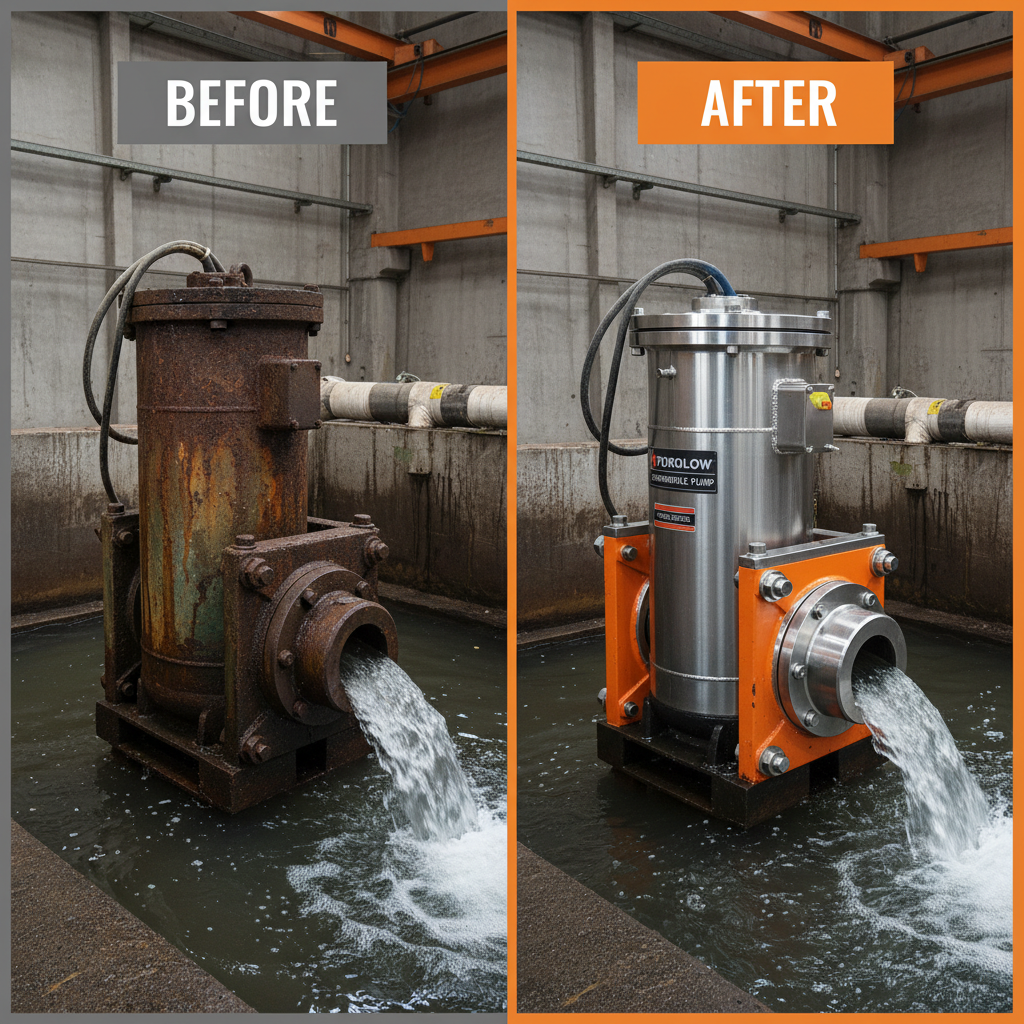 Understanding the Price Submersible Pump and Buyer GuideWhen searching for the ideal water management solution, understanding the price submersible pump options is crucial for balancing budget with performance. Whether you are dealing with a flooded basement, managing agricultural irrigation, or extracting water from a deep well, the cost of a submersible pump can vary significantly based on its build quality and capacity. Investing in a high-quality pump ensures long-term reliability and reduces the frequency of expensive replacements. In this guide, we will break down the factors that influence pricing and help you make an informed decision for your specific needs.Detail
 -
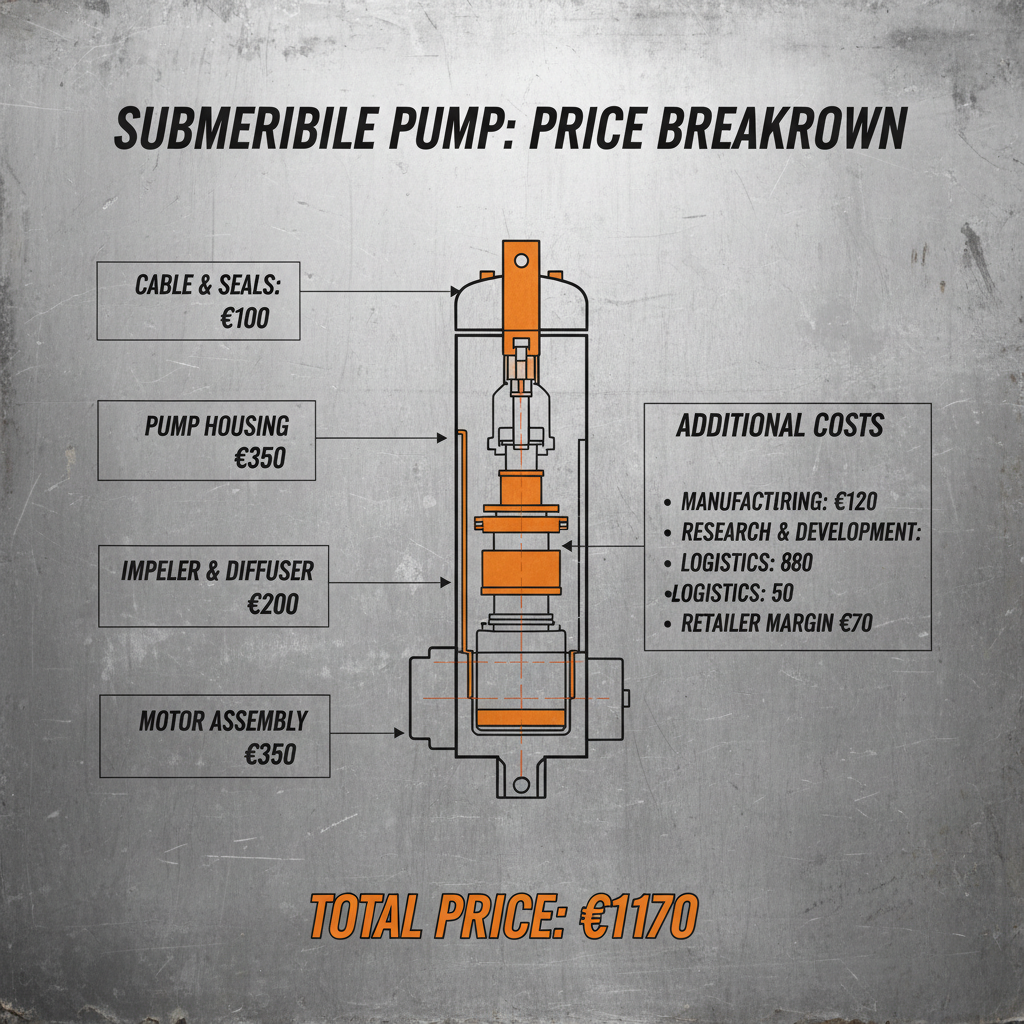 Factors Affecting the Price for Submersible Pump a Buyers GuideWhen investing in water management systems, understanding the price for submersible pump options is essential for balancing performance with budget. Whether you are managing a residential well, an industrial drainage project, or agricultural irrigation, the cost of a pump is rarely a flat fee; it is a reflection of the engineering, materials, and capacity required for your specific environment. In this guide, we will break down the factors that influence pricing and help you determine the best value for your investment to ensure long-term reliability and efficiency.Detail
 -
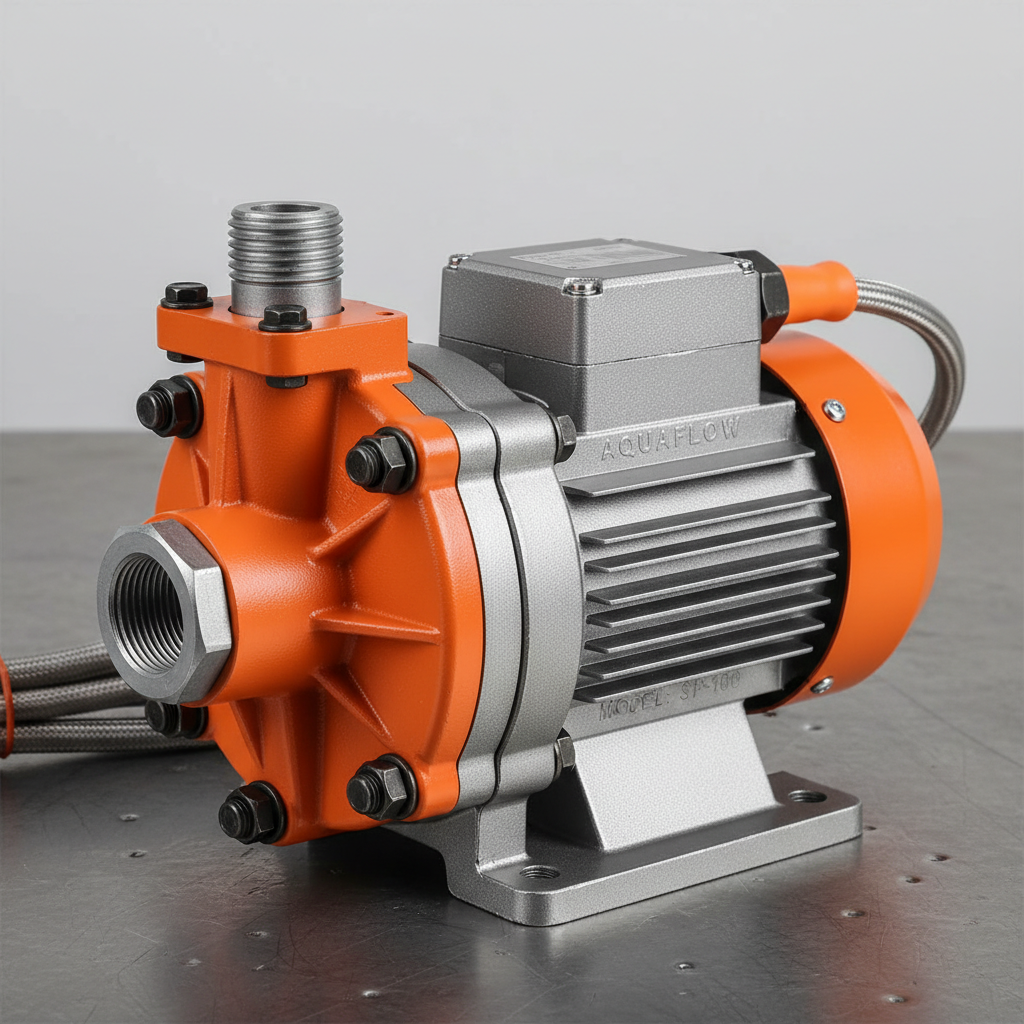 Choosing the Right Mini Submersible Fountain Pump for Optimal Water Feature PerformanceCreating a beautiful and relaxing water feature doesn't have to be complicated. A mini submersible fountain pump is the heart of any indoor or outdoor fountain, and selecting the right one is crucial for optimal performance and longevity. This article will guide you through the key considerations when choosing a mini submersible fountain pump, covering types, features, applications, and how to ensure you get the perfect pump for your project. We’ll also explore how Wellpumpact can provide you with the ideal solution.Detail
 Afrikaans
 Albanian
 Amharic
 Arabic
 Armenian
 Azerbaijani
 Basque
 Belarusian
 Bengali
 Bosnian
 Bulgarian
 Catalan
 Cebuano
 Corsican
 Croatian
 Czech
Czech
 Danish
 Dutch
Dutch
 Esperanto
 Estonian
 Finnish
 French
 Frisian
 Galician
 Georgian
 German
 Greek
Greek
 Gujarati
 Haitian Creole
 Hausa
Hausa
 Hawaiian
 Hebrew
 Hindi
Hindi
 Miao
Miao
 Hungarian
 Icelandic
 Igbo
Igbo
 Indonesian
 Irish
Irish
 Italian
 Japanese
 Javanese
 Kannada
 Kazakh
 Khmer
Khmer
 Rwandese
 Korean
 Kurdish
 Kyrgyz
 Lao
Lao
 Latin
Latin
 Latvian
 Lithuanian
 Luxembourgish
 Macedonian
 Malgashi
 Malay
Malay
 Malayalam
 Maltese
 Maori
Maori
 Marathi
 Mongolian
 Myanmar
 Nepali
 Norwegian
 Norwegian
 Occitan
 Pashto
 Persian
 Polish
 Portuguese
 Punjabi
 Romanian
 Russian
 Samoan
 Scottish Gaelic
 Serbian
 Sesotho
 Shona
Shona
 Sindhi
 Sinhala
 Slovak
 Slovenian
 Somali
 Spanish
 Sundanese
 Swahili
 Swedish
 Tagalog
 Tajik
Tajik
 Tamil
Tamil
 Tatar
Tatar
 Telugu
 Thai
Thai
 Turkish
 Turkmen
 Ukrainian
 Urdu
Urdu
 Uighur
 Uzbek
Uzbek
 Vietnamese
 Welsh
Welsh
 Bantu
Bantu
 Yiddish
 Yoruba
 Zulu
Zulu
 English