
Aug . 26, 2025 14:27 Back to list
Reliable Water Extraction from Great Depths
A deep well submersible is a powerful and efficient water pumping solution specifically designed for extracting groundwater from deep underground sources. Typically installed at depths of over 100 feet, these pumps operate entirely underwater, ensuring a steady flow of clean water for residential, agricultural, and industrial applications.
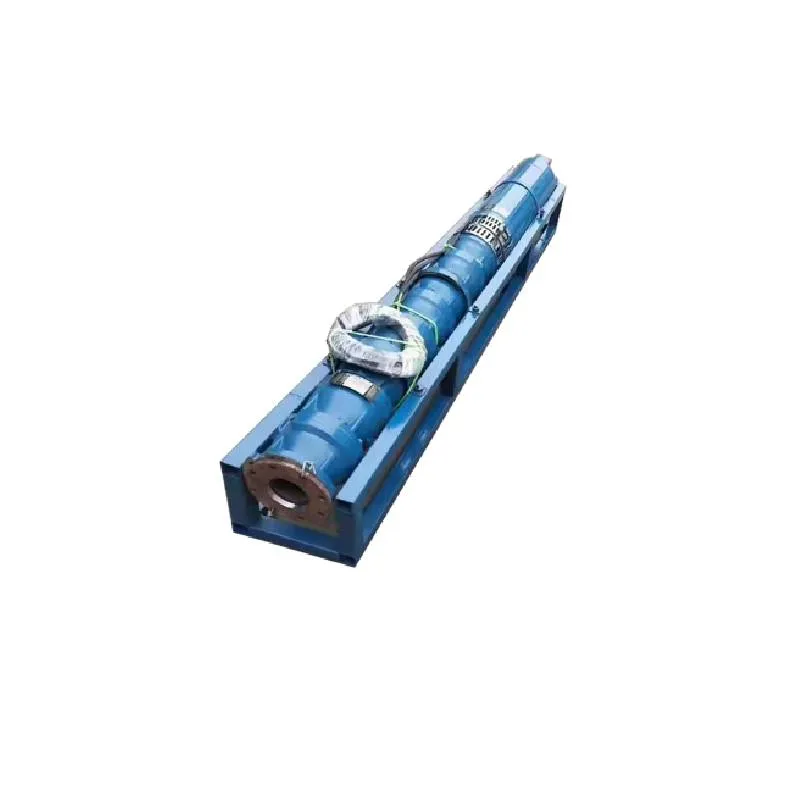
The motor and pump are sealed in a waterproof casing and submerged directly into the water source, which eliminates the need for priming and reduces the chances of cavitation. A high-quality deep well submersible can work reliably for years with minimal maintenance, especially when used in wells with consistent water tables and minimal sand content.
Thanks to its vertical design and multi-stage impellers, a deep well submersible provides high water pressure even at great depths. It’s the preferred choice for supplying water to remote farms, rural homes, and water-starved communities with limited surface water access.
Deep Well Submersible Pump Diagram: How It Works Internally
Understanding the internal layout of a pump through a deep well submersible pump diagram helps in installation, maintenance, and troubleshooting. A typical deep well submersible pump diagram shows three main components: the electric motor, the pump body with impellers, and the discharge pipe.
The motor sits at the bottom, driving a shaft that runs through the impellers above. These impellers pressurize and lift water through a series of stages, depending on the required depth and flow rate. Above the impellers is the diffuser or stage casing, which stabilizes water flow and minimizes turbulence.
A check valve is usually installed to prevent backflow when the pump is turned off. The diagram also often includes the electrical cable path, water intake screen, and cooling jacket—especially for models designed to operate in narrow boreholes. A well-labeled deep well submersible pump diagram is essential for electricians and installers to ensure proper wiring and alignment during setup.
Deep Well Pump Types: Choosing the Right Model for Your Needs
When selecting a pump, knowing the various deep well pump types can make a big difference in efficiency, performance, and cost. The most common deep well pump types include:
Submersible Deep Well Pumps: These are completely submerged in water and are ideal for deep installations (100–400 feet or more). They're known for quiet operation and high efficiency.
Jet Pumps for Deep Wells: These pumps are located above ground and use suction to draw water from wells up to 100 feet deep. They're easier to maintain but less efficient than submersibles.
Solar-Powered Deep Well Pumps: These are submersible models designed to run on DC power from solar panels, perfect for remote or off-grid locations.
Multistage Centrifugal Pumps: Typically used in commercial or industrial deep well systems where high flow rates and consistent pressure are essential.
Each of these deep well pump types serves a unique purpose, so factors such as well depth, power availability, and water demand should guide your decision.
Advantages of Using a Deep Well Submersible Pump Over Surface Options
The deep well submersible pump offers several key advantages over surface-mounted pumps. First and foremost, because the entire unit is submerged in water, it eliminates air suction problems and provides consistent water pressure even in deep wells.
Additionally, the submersible nature of the pump allows it to operate quietly, without the mechanical noise that often accompanies above-ground pumps. The placement inside the water source also means it stays cooler, resulting in less wear on internal components and longer operational life.
Compared to other deep well pump types, the submersible design is more energy-efficient. It uses a direct push method instead of suction, reducing energy loss over long vertical distances. The sealed motor design also helps keep dust, insects, and debris from interfering with performance, making the deep well submersible a long-term solution for dependable water delivery.
Maintenance and Installation Tips for Deep Well Submersible Pumps
Proper installation and care are crucial to the life and efficiency of a deep well submersible. Always ensure the pump is installed at the correct depth—not too close to the bottom where sediment can clog it, but deep enough to avoid air intake during periods of low water levels.
When reviewing the deep well submersible pump diagram, double-check that all electrical connections are secure and waterproof. Use a torque arrestor to prevent twisting of the cable and pipe during startup. A good quality control box or soft-start system can also extend motor life by reducing power surges.
For maintenance, periodically test water output and listen for unusual noises. Fluctuations in pressure or electrical failures may signal impeller damage or motor issues. While deep well submersible units are designed for long-term use, annual inspections and occasional cleaning help prevent costly repairs or replacements.
Deep well submersible FAQs
How deep can a deep well submersible pump go?
A deep well submersible pump can typically operate at depths ranging from 100 feet to over 400 feet. Some high-capacity models used in commercial or agricultural settings can function at depths up to 1,000 feet. Always consult your well’s specifications before choosing a pump.
What is shown in a deep well submersible pump diagram?
A deep well submersible pump diagram usually illustrates the motor, impellers, discharge pipe, water intake, and electrical connections. It's a helpful reference during installation, showing how the components are arranged and wired for optimal performance.
What are the main deep well pump types?
There are several deep well pump types, including submersible pumps, deep well jet pumps, solar-powered pumps, and multistage centrifugal pumps. Submersible pumps are the most common for deep wells due to their reliability, efficiency, and minimal maintenance.
Is a deep well submersible pump better than a jet pump?
In most deep well applications, a deep well submersible pump is superior to a jet pump. It provides higher efficiency, quieter operation, and greater water pressure at deep depths. Jet pumps may be easier to access for repairs but are generally less powerful for deeper wells.
How long does a deep well submersible pump last?
With proper installation and occasional maintenance, a high-quality deep well submersible pump can last 10 to 15 years or more. Factors such as water quality, electrical consistency, and usage frequency all affect the lifespan of the pump.
-
Understanding the Price Submersible Pump and Buyer Guide
NewsApr.16,2026
-
Factors Affecting the Price for Submersible Pump a Buyers Guide
NewsApr.09,2026
-
Choosing the Right Mini Submersible Fountain Pump for Optimal Water Feature Performance
NewsApr.07,2026
-
A Detailed Guide to Installing a Submersible Pump for Optimal Performance
NewsApr.04,2026
-
Comprehensive Guide on How to Test a Submersible Water Well Pump Effectively
NewsMar.31,2026
-
Learn How to Replace a Submersible Well Pump Safely and Effectively
NewsMar.28,2026
-
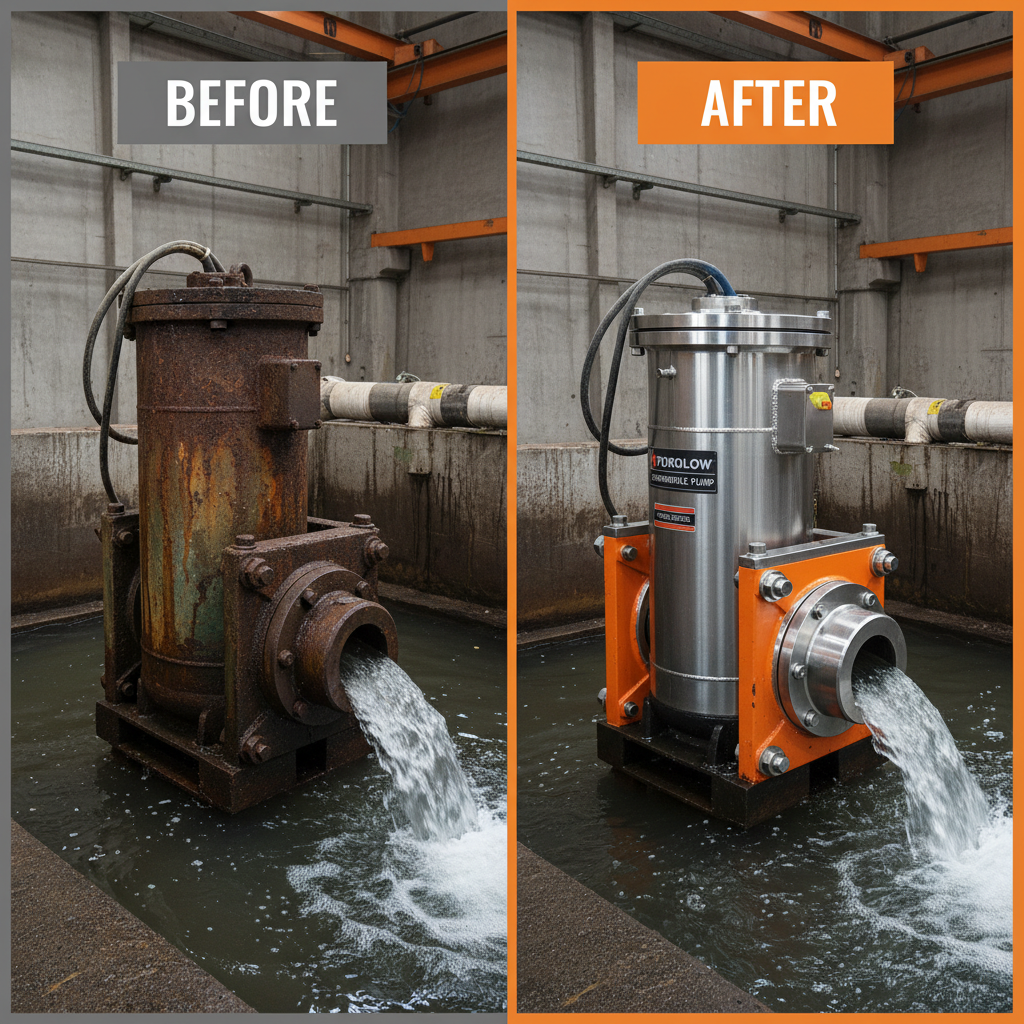 Understanding the Price Submersible Pump and Buyer GuideWhen searching for the ideal water management solution, understanding the price submersible pump options is crucial for balancing budget with performance. Whether you are dealing with a flooded basement, managing agricultural irrigation, or extracting water from a deep well, the cost of a submersible pump can vary significantly based on its build quality and capacity. Investing in a high-quality pump ensures long-term reliability and reduces the frequency of expensive replacements. In this guide, we will break down the factors that influence pricing and help you make an informed decision for your specific needs.Detail
 -
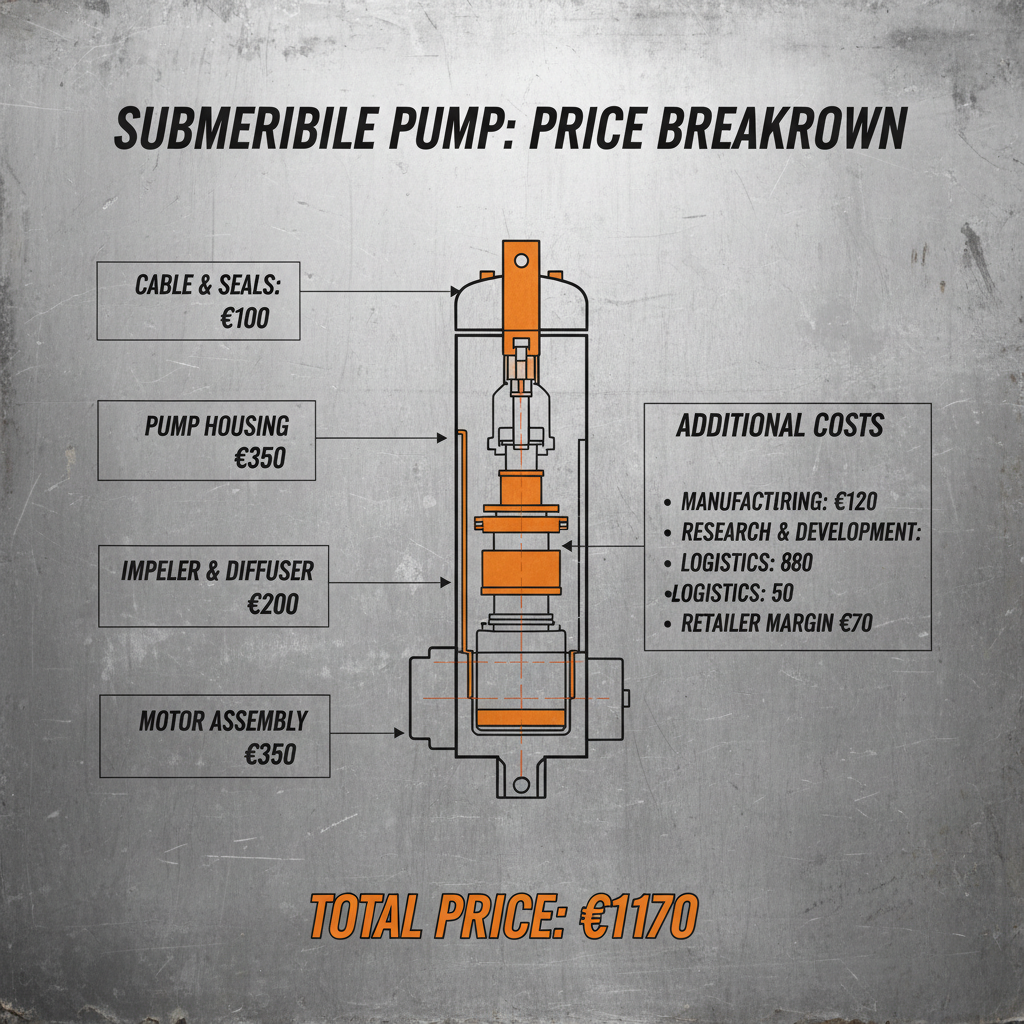 Factors Affecting the Price for Submersible Pump a Buyers GuideWhen investing in water management systems, understanding the price for submersible pump options is essential for balancing performance with budget. Whether you are managing a residential well, an industrial drainage project, or agricultural irrigation, the cost of a pump is rarely a flat fee; it is a reflection of the engineering, materials, and capacity required for your specific environment. In this guide, we will break down the factors that influence pricing and help you determine the best value for your investment to ensure long-term reliability and efficiency.Detail
 -
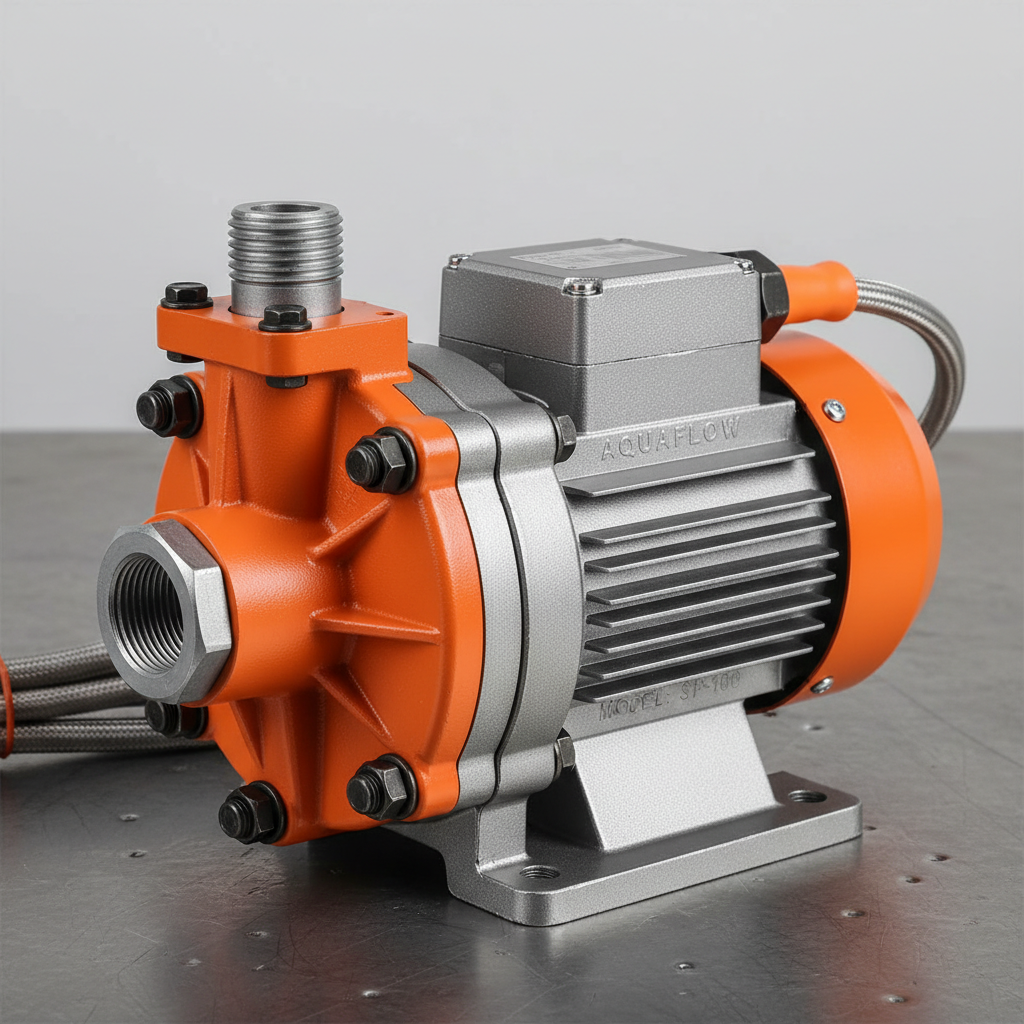 Choosing the Right Mini Submersible Fountain Pump for Optimal Water Feature PerformanceCreating a beautiful and relaxing water feature doesn't have to be complicated. A mini submersible fountain pump is the heart of any indoor or outdoor fountain, and selecting the right one is crucial for optimal performance and longevity. This article will guide you through the key considerations when choosing a mini submersible fountain pump, covering types, features, applications, and how to ensure you get the perfect pump for your project. We’ll also explore how Wellpumpact can provide you with the ideal solution.Detail
 Afrikaans
 Albanian
 Amharic
 Arabic
 Armenian
 Azerbaijani
 Basque
 Belarusian
 Bengali
 Bosnian
 Bulgarian
 Catalan
 Cebuano
 Corsican
 Croatian
 Czech
Czech
 Danish
 Dutch
Dutch
 Esperanto
 Estonian
 Finnish
 French
 Frisian
 Galician
 Georgian
 German
 Greek
Greek
 Gujarati
 Haitian Creole
 Hausa
Hausa
 Hawaiian
 Hebrew
 Hindi
Hindi
 Miao
Miao
 Hungarian
 Icelandic
 Igbo
Igbo
 Indonesian
 Irish
Irish
 Italian
 Japanese
 Javanese
 Kannada
 Kazakh
 Khmer
Khmer
 Rwandese
 Korean
 Kurdish
 Kyrgyz
 Lao
Lao
 Latin
Latin
 Latvian
 Lithuanian
 Luxembourgish
 Macedonian
 Malgashi
 Malay
Malay
 Malayalam
 Maltese
 Maori
Maori
 Marathi
 Mongolian
 Myanmar
 Nepali
 Norwegian
 Norwegian
 Occitan
 Pashto
 Persian
 Polish
 Portuguese
 Punjabi
 Romanian
 Russian
 Samoan
 Scottish Gaelic
 Serbian
 Sesotho
 Shona
Shona
 Sindhi
 Sinhala
 Slovak
 Slovenian
 Somali
 Spanish
 Sundanese
 Swahili
 Swedish
 Tagalog
 Tajik
Tajik
 Tamil
Tamil
 Tatar
Tatar
 Telugu
 Thai
Thai
 Turkish
 Turkmen
 Ukrainian
 Urdu
Urdu
 Uighur
 Uzbek
Uzbek
 Vietnamese
 Welsh
Welsh
 Bantu
Bantu
 Yiddish
 Yoruba
 Zulu
Zulu
 English