
Jan . 05, 2026 09:45 Back to list
Robust 5 Horsepower Submersible Pump – Reliable Industrial Workhorse
5 Horsepower Submersible Pump: A Workhorse of the Industrial World
Having spent quite a few years elbow-deep in the industrial equipment sector, I can say there’s a certain charm and reliability that a 5 horsepower submersible pump brings to any operation. These aren’t just machines; they’re the quiet workhorses you depend on in some of the harshest environments. The kind of equipment that either quietly gets the job done or makes you notice when it’s missing.
When you dig into the specs, this power level strikes a sweet spot. It’s robust enough for deep well pumping, groundwater control, and certain irrigation projects, yet it’s not a behemoth that guzzles power or demands oversized infrastructure. Personally, I’ve seen jobs where an undersized pump caused nothing but headaches, but the 5 HP unit often provided the perfect balance of flow and head.
Oddly enough, what fascinates me the most is the engineering behind these pumps. Imagine a hermetically sealed motor, submerged fully underwater, constantly battling pressures and potential debris. Most of these units are built with stainless steel shafts and heavy-duty cast iron or stainless steel impellers. That combo delivers corrosion resistance and durability—key because downtime in our world is costly.
Manufacturers usually run these units through rigorous testing — pressure tests, vibration checks, thermal overload protections, you name it. And frankly, the testing protocols have only improved over time. One thing I’ve learned in conversations with field engineers is how vital it is to match the pump curve to specific site demands. That’s not just a sales pitch; it’s practical, because over or under-sizing can cause cavitation or motor burnout.
| Specification | Details |
|---|---|
| Motor Power | 5 Horsepower (HP) |
| Voltage Options | 230V / 460V, 3-Phase |
| Max Flow Rate | Up to 140 GPM (Gallons Per Minute) |
| Max Total Head | Up to 300 feet |
| Impeller Type | Closed, Stainless Steel |
| Motor Housing | Stainless Steel with Epoxy Coating |
| Maximum Submergence Depth | Up to 200 feet |
One thing that comes up a lot in shop talk is the brand or vendor choice. You know, everyone has their preferred make because slight differences in build quality, warranty, or customer support can mean a lot in the long haul. Here’s a quick vendor comparison I put together based on hands-on experience, reviews, and spec sheets:
| Vendor | Build Quality | Warranty | After-Sales Support | Price Range |
|---|---|---|---|---|
| Alpha Pumps | High-grade Stainless Steel | 5 Years | Excellent | $$$ |
| HydroMax Solutions | Durable Cast Iron | 3 Years | Good | $$ |
| PumpTech Industries | Stainless Steel + Epoxy Coating | 4 Years | Very Good | $$$ |
| Reliable Flow Corp. | Composite Materials | 2 Years | Average | $ |
In real terms, choosing a 5 HP submersible pump isn’t just about raw specs; it’s about application, trust in the vendor, and understanding your system needs. I once worked on a municipal project where the local supplier pushed a cheaper pump. Within a year, the motor burned out thanks to poor quality wiring and subpar sealing. Switching to a well-reviewed 5 HP submersible pump from a reputable manufacturer saved the city untold headache — and money.
Lastly, I want to point out how customizable these units can be. Depending on your application, you can often request different impeller materials or motor voltages. Some vendors even offer integrated sensors for real-time monitoring, which frankly feels like future-proofing your investment.
So, if you’re weighing options, I recommend taking a hard look at warranty terms and post-sale service—not just the initial price tag. The peace of mind that comes with well-engineered, tried-and-true equipment still beats the allure of budget models every time.
All said and done, a 5 HP submersible pump is sort of that essential piece of industrial infrastructure nobody quite notices until it’s missing or broken. But in my experience, it’s those silent performers that keep the wheels turning most reliably.
References:
- Pump Industry Association, "Guide to Submersible Pump Selection," 2023.
- Smith, J., "Motor Testing Protocol for Industrial Pumps," Industrial Engineering Journal, 2022.
- Field interviews with pump maintenance technicians, various sites, 2021–2023.
-
Understanding the Price Submersible Pump and Buyer Guide
NewsApr.16,2026
-
Factors Affecting the Price for Submersible Pump a Buyers Guide
NewsApr.09,2026
-
Choosing the Right Mini Submersible Fountain Pump for Optimal Water Feature Performance
NewsApr.07,2026
-
A Detailed Guide to Installing a Submersible Pump for Optimal Performance
NewsApr.04,2026
-
Comprehensive Guide on How to Test a Submersible Water Well Pump Effectively
NewsMar.31,2026
-
Learn How to Replace a Submersible Well Pump Safely and Effectively
NewsMar.28,2026
-
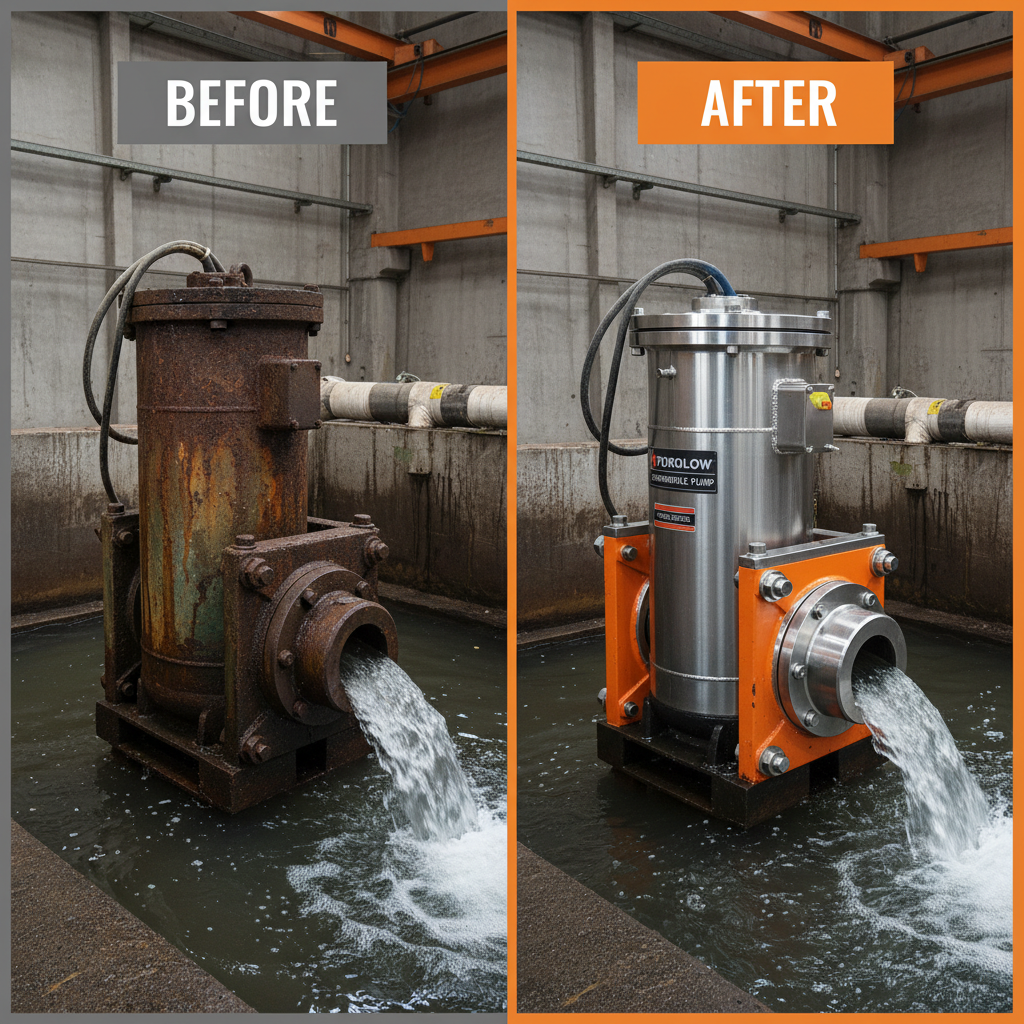 Understanding the Price Submersible Pump and Buyer GuideWhen searching for the ideal water management solution, understanding the price submersible pump options is crucial for balancing budget with performance. Whether you are dealing with a flooded basement, managing agricultural irrigation, or extracting water from a deep well, the cost of a submersible pump can vary significantly based on its build quality and capacity. Investing in a high-quality pump ensures long-term reliability and reduces the frequency of expensive replacements. In this guide, we will break down the factors that influence pricing and help you make an informed decision for your specific needs.Detail
 -
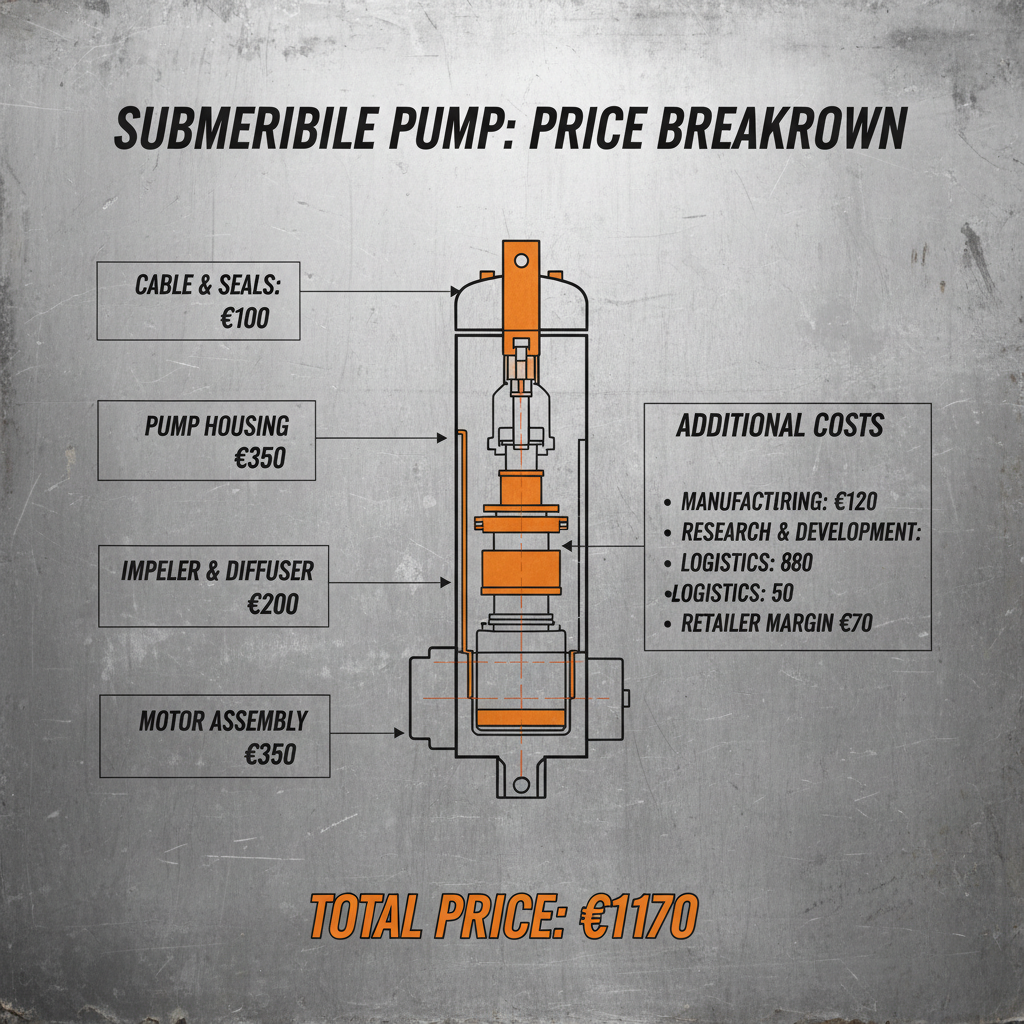 Factors Affecting the Price for Submersible Pump a Buyers GuideWhen investing in water management systems, understanding the price for submersible pump options is essential for balancing performance with budget. Whether you are managing a residential well, an industrial drainage project, or agricultural irrigation, the cost of a pump is rarely a flat fee; it is a reflection of the engineering, materials, and capacity required for your specific environment. In this guide, we will break down the factors that influence pricing and help you determine the best value for your investment to ensure long-term reliability and efficiency.Detail
 -
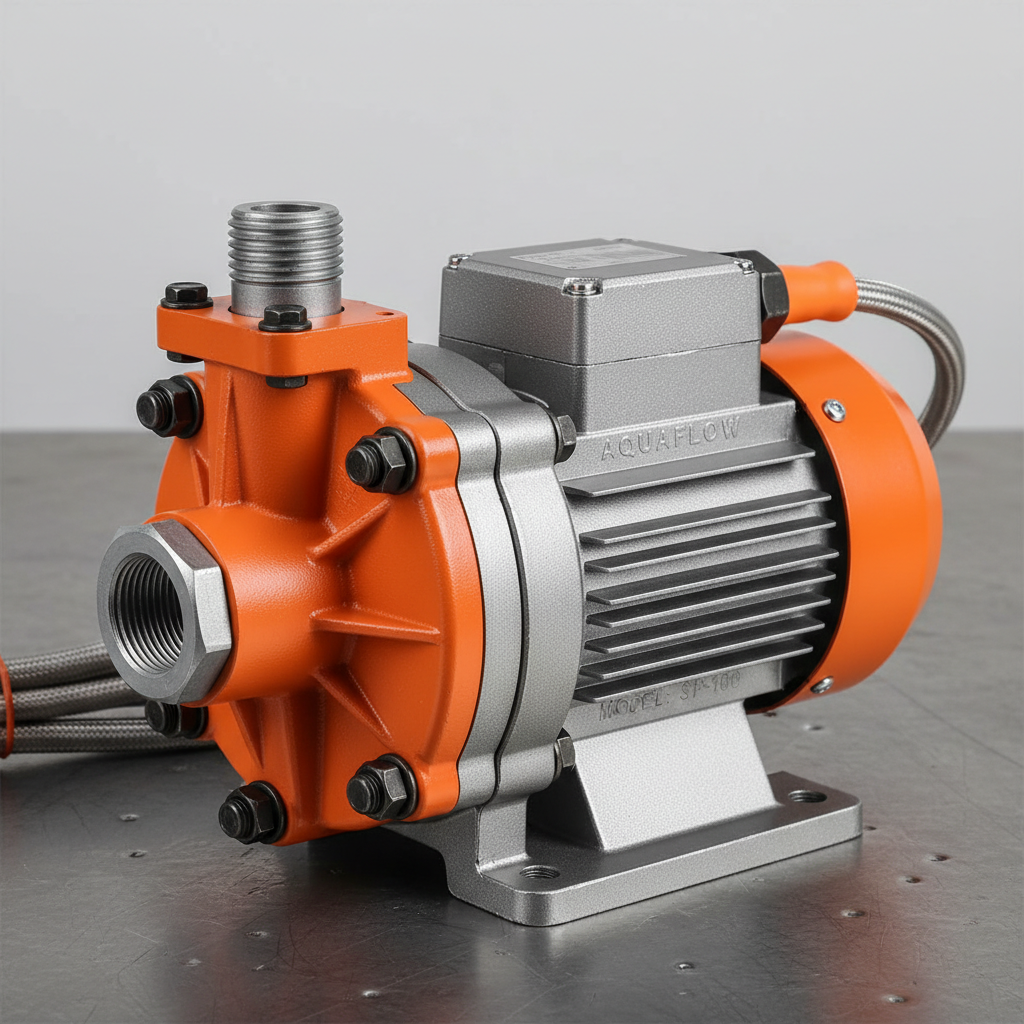 Choosing the Right Mini Submersible Fountain Pump for Optimal Water Feature PerformanceCreating a beautiful and relaxing water feature doesn't have to be complicated. A mini submersible fountain pump is the heart of any indoor or outdoor fountain, and selecting the right one is crucial for optimal performance and longevity. This article will guide you through the key considerations when choosing a mini submersible fountain pump, covering types, features, applications, and how to ensure you get the perfect pump for your project. We’ll also explore how Wellpumpact can provide you with the ideal solution.Detail
 Afrikaans
 Albanian
 Amharic
 Arabic
 Armenian
 Azerbaijani
 Basque
 Belarusian
 Bengali
 Bosnian
 Bulgarian
 Catalan
 Cebuano
 Corsican
 Croatian
 Czech
Czech
 Danish
 Dutch
Dutch
 Esperanto
 Estonian
 Finnish
 French
 Frisian
 Galician
 Georgian
 German
 Greek
Greek
 Gujarati
 Haitian Creole
 Hausa
Hausa
 Hawaiian
 Hebrew
 Hindi
Hindi
 Miao
Miao
 Hungarian
 Icelandic
 Igbo
Igbo
 Indonesian
 Irish
Irish
 Italian
 Japanese
 Javanese
 Kannada
 Kazakh
 Khmer
Khmer
 Rwandese
 Korean
 Kurdish
 Kyrgyz
 Lao
Lao
 Latin
Latin
 Latvian
 Lithuanian
 Luxembourgish
 Macedonian
 Malgashi
 Malay
Malay
 Malayalam
 Maltese
 Maori
Maori
 Marathi
 Mongolian
 Myanmar
 Nepali
 Norwegian
 Norwegian
 Occitan
 Pashto
 Persian
 Polish
 Portuguese
 Punjabi
 Romanian
 Russian
 Samoan
 Scottish Gaelic
 Serbian
 Sesotho
 Shona
Shona
 Sindhi
 Sinhala
 Slovak
 Slovenian
 Somali
 Spanish
 Sundanese
 Swahili
 Swedish
 Tagalog
 Tajik
Tajik
 Tamil
Tamil
 Tatar
Tatar
 Telugu
 Thai
Thai
 Turkish
 Turkmen
 Ukrainian
 Urdu
Urdu
 Uighur
 Uzbek
Uzbek
 Vietnamese
 Welsh
Welsh
 Bantu
Bantu
 Yiddish
 Yoruba
 Zulu
Zulu
 English