
Dec . 01, 2025 13:35 Back to list
Small Well Pump: Key Guide for Efficient Groundwater Access & Sustainable Use
Understanding Small Well Pumps: A Tiny Device with Huge Global Impact
Whether you’re deep in an agricultural field in Sub-Saharan Africa or maintaining a residential water supply in rural Montana, small well pumps quietly solve one of humanity’s oldest challenges: accessing groundwater efficiently and reliably. It might sound niche, but these compact pumps play an outsized role in global water security, sustainable agriculture, and even emergency relief. Grasping what small well pumps are — and how they function — matters far beyond the mechanics; it’s about understanding a small piece of the puzzle that keeps millions hydrated and crops growing.
Why Small Well Pumps Matter Worldwide
The World Bank estimates that over two billion people depend on groundwater for their primary usage, from farming to drinking water [1]. The small well pump market directly addresses the challenge of tapping these hidden water sources efficiently. Industry trends show steady growth driven by rising global water demand, climate pressures, and the push for off-grid solutions.
Regions with limited infrastructure—think remote villages or disaster-stricken zones—often rely on small, portable pumping technologies. Sadly, unreliable or inappropriate pumping methods can hamper access, leading to water scarcity, health risks, or economic losses. In that light, understanding small well pumps feels less like a technical aside and more like recognizing a vital tool in global resilience.
Mini takeaway: Small well pumps aren’t just mechanical gadgets. They’re a crucial part of mitigating water scarcity and promoting sustainable water management worldwide.
What Exactly Is a Small Well Pump?
At its core, a small well pump is a device designed to extract water from shallow or moderately deep wells. Unlike industrial-scale pumps, these are compact, often portable, and tailored for wells typically under 100 feet deep. You can think of them as the "workhorses" of household and small farm water systems.
They come in various types—submersible, jet, hand-operated—but all share the goal of moving groundwater to the surface efficiently. Modern small well pumps often boast energy-efficient motors, sometimes solar-compatible, which is a nod towards integrating them into sustainable and cost-effective water supply models.
Core Components & Key Factors of Small Well Pumps
1. Durability
Operating in gritty or mineral-rich groundwater conditions can quickly wear down components. Manufacturers focus on rust-resistant materials like stainless steel or thermoplastics to ensure long life. I’ve seen field reports praising matte-finished impellers that resist clogging, for example.
2. Power Source
Electricity is common, but in off-grid areas, solar-powered small well pumps are gaining traction. Some rely on diesel or even hand power, depending on local realities. It’s fascinating how varying power sources shape pump design and cost.
3. Flow Rate & Pressure
Typically, small well pumps handle flow rates between 5 to 25 gallons per minute (GPM), with pressures tailored to household needs or irrigation systems. Choosing the right flow is part science, part art—too much wastes energy; too little hampers utility.
4. Installation & Maintenance
An often underrated factor. Pumps that are simple to install without heavy machinery can be deployed rapidly in emergencies. Likewise, ease of maintenance means longer service life and better uptime. Some models boast modular parts or DIY-friendly designs, which make a real difference to end users.
5. Cost Efficiency
Initial cost, operating costs, and lifespan must all be balanced. In real terms, a low-cost pump that breaks down quickly ends up more expensive. This affects adoption rates, especially among smallholder farmers or non-profit agencies.
Mini takeaway:
Durability, power, flow performance, simplicity, and cost together define the real-world value of small well pumps.
Where Small Well Pumps Make a Difference Globally
Small well pumps are everywhere you don’t often notice them. From the irrigation systems in Southeast Asia’s rice paddies to drinking water wells in parts of Latin America, their presence is quietly vital.
- Agriculture: In dry seasons, small well pumps support micro-irrigation systems that boost yields without expensive infrastructure.
- Disaster Relief: Following floods or earthquakes, quickly deployed submersible pumps restore access to groundwater when surface water is contaminated.
- Remote Communities: Lack of reliable municipal water means villagers depend on manual or solar pumps for daily needs.
- Industrial Applications: Small pumps serve as auxiliary water sources for small factories or construction projects outside grid limits.
Take the case of a charity in East Africa who replaced diesel pumps with solar-powered small well pumps: water access improved by 40%, maintenance costs dropped by nearly half, and local farmers could irrigate twice per week instead of once [2]. That’s a real impact.
Advantages & The Long-Term Value of Small Well Pumps
Beyond the tech specs lies a human story. Small well pumps provide consistent water access, which translates into improved health, economic opportunity, and community resilience. Let’s break this down:
- Cost Savings: Energy-conserving designs reduce fuel bills and carbon footprints.
- Sustainability: Using clean power sources like solar aligns with expanding climate goals.
- Social Impact: Water access is tied to dignity, reduces disease, and supports gender equality as women often bear water-fetching duties.
- Reliability: Durable pumps cut downtime and foster trust in water systems.
- Innovation: Smart monitoring tech allows remote diagnostics, reinforcing maintenance regimes.
Oddly enough, investing a bit more upfront often pays off with fewer headaches later—many engineers say that’s the hallmark of a good small well pump.
The Future of Small Well Pumps: Trends & Innovations
Keep an eye on these burgeoning trends:
- Smart Integration: IoT sensors embedded to monitor pump performance, water quality, and usage remotely.
- Green Energy: Solar hybrid pumps paired with battery backups that can function night and day.
- Advanced Materials: Composite plastics and coatings that resist biofouling and extend lifetime.
- Automation & AI: Predictive maintenance schedules that preempt failures before users even notice.
- Policy & Subsidies: Governments incentivizing sustainable pumps as part of water-secure development plans.
It honestly feels like these innovations will transform small well pumps from “just a pump” to a cornerstone of smart water infrastructure.
Common Challenges and How Experts Overcome Them
Even the best small well pumps face hurdles:
- Water Quality Issues: Sediment or corrosive elements shorten pump life.
- Power Instability: Off-grid sites struggle with inconsistent electricity.
- Cost Constraints: Upfront affordability is critical in low-income areas.
- Maintenance Knowledge: Lack of local expertise can lead to neglect.
Experts recommend modular designs for easy repairs, solar solutions with battery storage, ongoing operator training, and community ownership models—a blend of technical and social solutions.
Small Well Pump Specifications at a Glance
| Feature | Typical Range | Notes |
|---|---|---|
| Flow Rate | 5–25 GPM (19–95 L/min) | Depends on power and pump size |
| Power Source | Electric, Solar, Diesel, Manual | Solar growing in popularity |
| Max Depth | Up to 100 feet (30 meters) | Shallow to medium well depths |
| Material | Stainless steel, Thermoplastics | Corrosion-resistant preferred |
| Typical Lifespan | 5–15 years | Varies by maintenance |
How Do Top Vendors Stack Up?
| Vendor | Product Range | Price Range | Key Strengths |
|---|---|---|---|
| AquaPro Pumps | Electric, Solar Small Pumps | $400–$1,200 | Robust warranty, easy installation |
| SunFlow Tech | Primarily Solar-powered Pumps | $700–$1,800 | High energy efficiency, smart features |
| WellEase | Manual & Electric Pumps | $150–$900 | Affordable, good for remote applications |
Frequently Asked Questions About Small Well Pumps
Q1: How do I choose the right small well pump for my depth and water needs?
A: Start by measuring your well’s depth and required flow rate. Also consider power availability. For wells under 100 feet and moderate usage, a submersible electric or solar pump usually suffices. Consult manufacturer specs and consider local water quality to avoid corrosion issues.
Q2: Can small well pumps run entirely on solar power?
A: Many modern models do. They often come with integrated solar panels and battery storage for night operations. This is particularly advantageous in remote areas with no reliable grid electricity, though upfront costs can be higher.
Q3: What maintenance is needed to keep small well pumps running smoothly?
A: Regular inspections for wear and sediment buildup are key. Changing seals and lubricants per manufacturer guidelines, and cleaning intakes, prevent damage. Solar-powered units also benefit from battery checks and panel cleaning.
Q4: Are small well pumps sustainable and eco-friendly?
A: When paired with renewable energy sources and durable materials, yes. They reduce reliance on fuel-powered pumps, lower emissions, and extend well life, helping communities manage water sustainably.
Q5: What are the main challenges when deploying small well pumps in disaster zones?
A: Rapid deployment, variable water quality, and power scarcity. Solar or manual pumps can overcome power gaps, while modular designs help with quick repairs. Training local operators is essential to maximize uptime.
Final Thoughts and Next Steps
Small well pumps may appear modest, but their value extends well beyond their size. They’re linchpins for water access, economic resilience, and sustainable development in many corners of the world. Keeping an eye on innovations, prioritizing durability, and understanding real-world needs will only make these pumps more effective in the years to come.
If you're interested in exploring how small well pumps could improve your water systems or projects, do check out resources and product guides at small well pump. There’s always more to learn and better ways to supply safe, reliable water.
Thanks for sticking through this deep dive. Sometimes the smallest tech tells the biggest story...
References:
1. World Bank, Groundwater Use and Policy, 2023.
2. Charity Water, Impact Report East Africa, 2022.
3. ISO 9906:2012, Pump Performance Testing Standard.
-
Understanding the Price Submersible Pump and Buyer Guide
NewsApr.16,2026
-
Factors Affecting the Price for Submersible Pump a Buyers Guide
NewsApr.09,2026
-
Choosing the Right Mini Submersible Fountain Pump for Optimal Water Feature Performance
NewsApr.07,2026
-
A Detailed Guide to Installing a Submersible Pump for Optimal Performance
NewsApr.04,2026
-
Comprehensive Guide on How to Test a Submersible Water Well Pump Effectively
NewsMar.31,2026
-
Learn How to Replace a Submersible Well Pump Safely and Effectively
NewsMar.28,2026
-
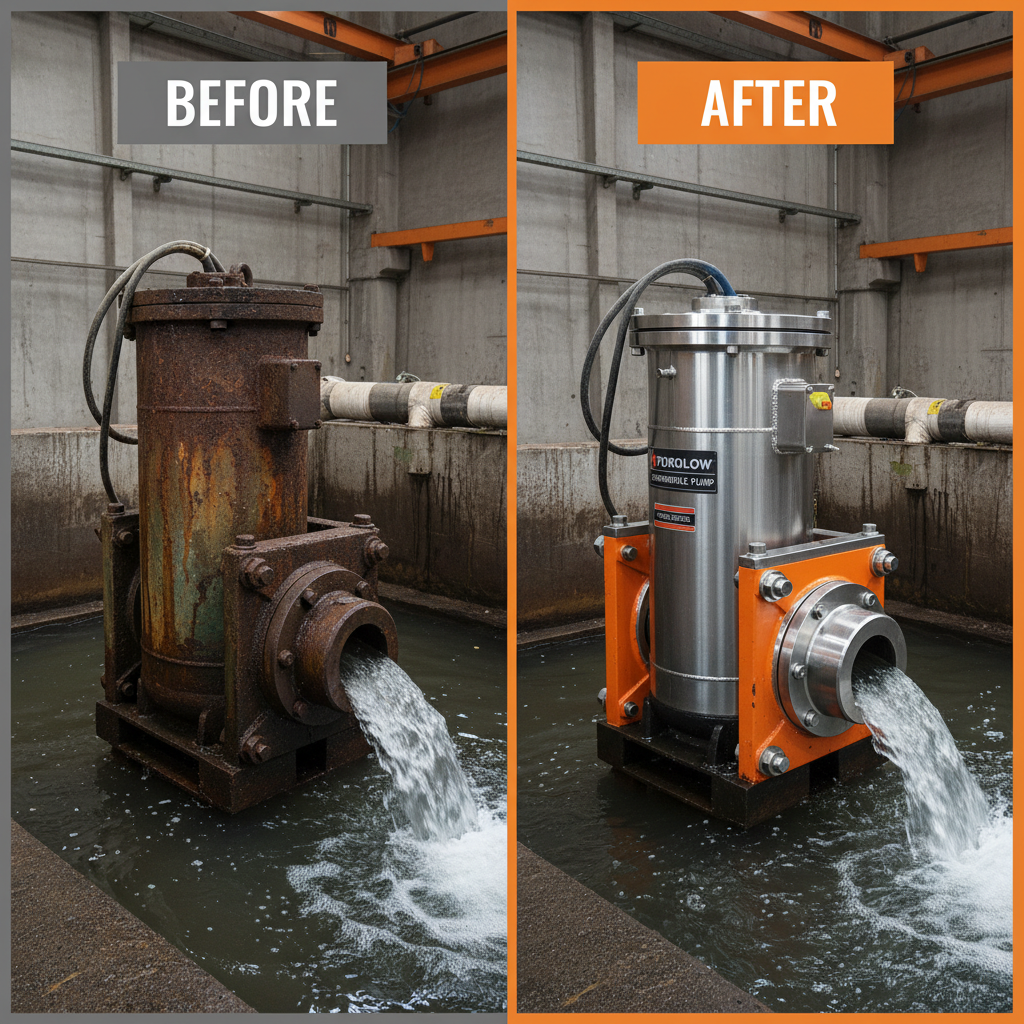 Understanding the Price Submersible Pump and Buyer GuideWhen searching for the ideal water management solution, understanding the price submersible pump options is crucial for balancing budget with performance. Whether you are dealing with a flooded basement, managing agricultural irrigation, or extracting water from a deep well, the cost of a submersible pump can vary significantly based on its build quality and capacity. Investing in a high-quality pump ensures long-term reliability and reduces the frequency of expensive replacements. In this guide, we will break down the factors that influence pricing and help you make an informed decision for your specific needs.Detail
 -
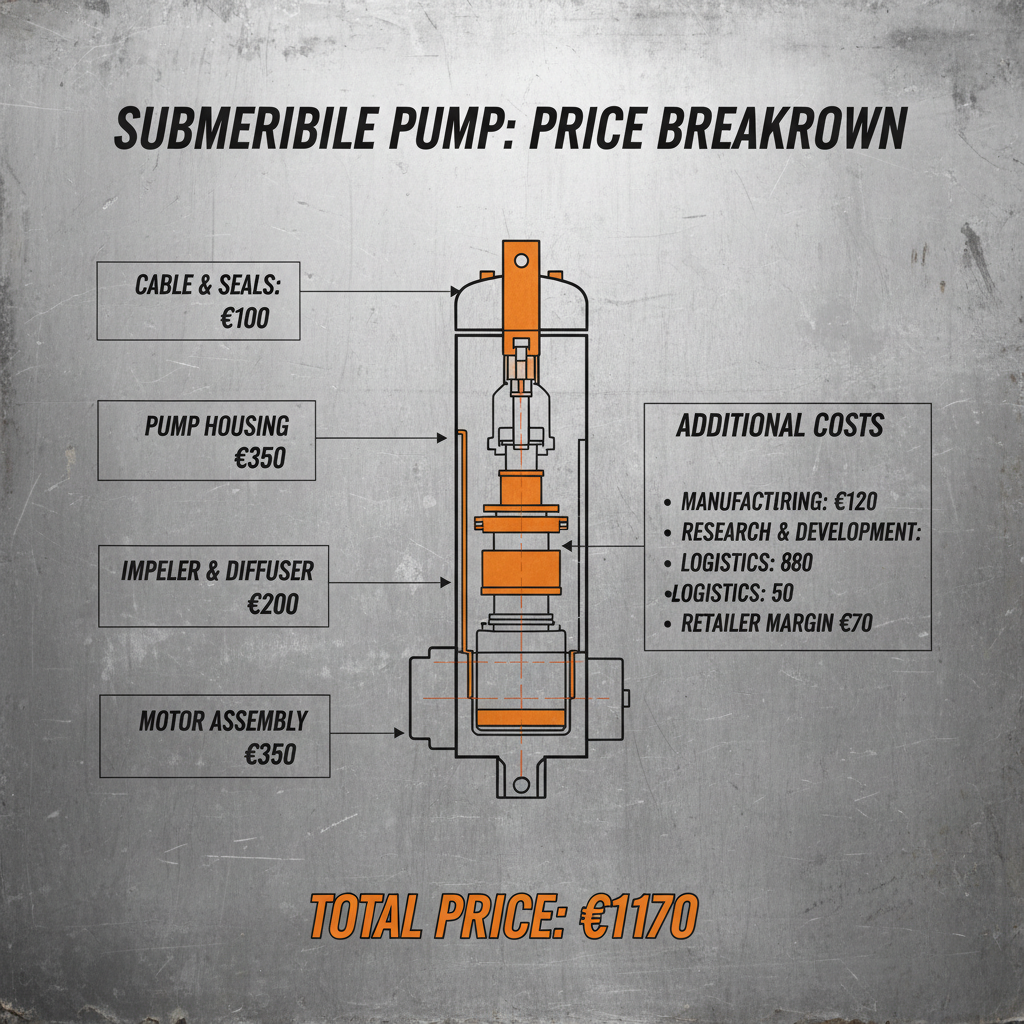 Factors Affecting the Price for Submersible Pump a Buyers GuideWhen investing in water management systems, understanding the price for submersible pump options is essential for balancing performance with budget. Whether you are managing a residential well, an industrial drainage project, or agricultural irrigation, the cost of a pump is rarely a flat fee; it is a reflection of the engineering, materials, and capacity required for your specific environment. In this guide, we will break down the factors that influence pricing and help you determine the best value for your investment to ensure long-term reliability and efficiency.Detail
 -
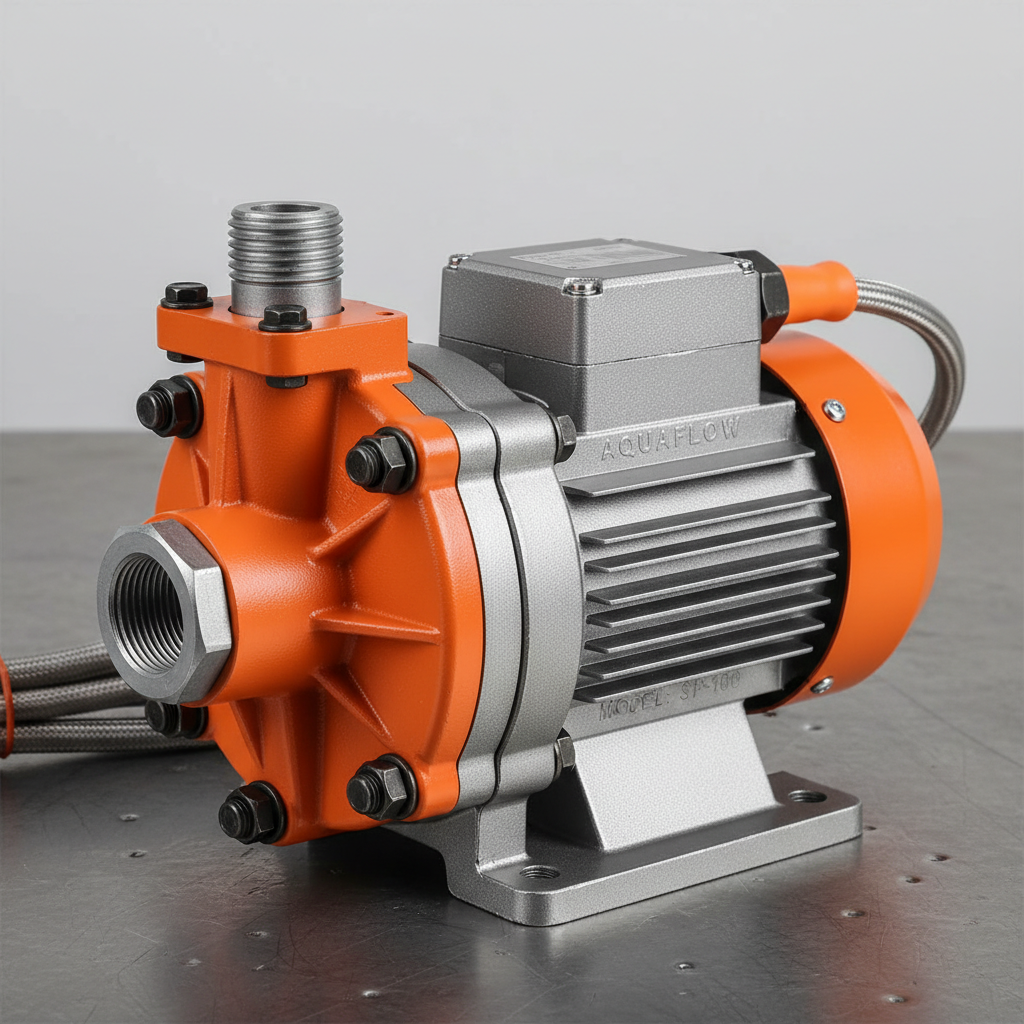 Choosing the Right Mini Submersible Fountain Pump for Optimal Water Feature PerformanceCreating a beautiful and relaxing water feature doesn't have to be complicated. A mini submersible fountain pump is the heart of any indoor or outdoor fountain, and selecting the right one is crucial for optimal performance and longevity. This article will guide you through the key considerations when choosing a mini submersible fountain pump, covering types, features, applications, and how to ensure you get the perfect pump for your project. We’ll also explore how Wellpumpact can provide you with the ideal solution.Detail
 Afrikaans
 Albanian
 Amharic
 Arabic
 Armenian
 Azerbaijani
 Basque
 Belarusian
 Bengali
 Bosnian
 Bulgarian
 Catalan
 Cebuano
 Corsican
 Croatian
 Czech
Czech
 Danish
 Dutch
Dutch
 Esperanto
 Estonian
 Finnish
 French
 Frisian
 Galician
 Georgian
 German
 Greek
Greek
 Gujarati
 Haitian Creole
 Hausa
Hausa
 Hawaiian
 Hebrew
 Hindi
Hindi
 Miao
Miao
 Hungarian
 Icelandic
 Igbo
Igbo
 Indonesian
 Irish
Irish
 Italian
 Japanese
 Javanese
 Kannada
 Kazakh
 Khmer
Khmer
 Rwandese
 Korean
 Kurdish
 Kyrgyz
 Lao
Lao
 Latin
Latin
 Latvian
 Lithuanian
 Luxembourgish
 Macedonian
 Malgashi
 Malay
Malay
 Malayalam
 Maltese
 Maori
Maori
 Marathi
 Mongolian
 Myanmar
 Nepali
 Norwegian
 Norwegian
 Occitan
 Pashto
 Persian
 Polish
 Portuguese
 Punjabi
 Romanian
 Russian
 Samoan
 Scottish Gaelic
 Serbian
 Sesotho
 Shona
Shona
 Sindhi
 Sinhala
 Slovak
 Slovenian
 Somali
 Spanish
 Sundanese
 Swahili
 Swedish
 Tagalog
 Tajik
Tajik
 Tamil
Tamil
 Tatar
Tatar
 Telugu
 Thai
Thai
 Turkish
 Turkmen
 Ukrainian
 Urdu
Urdu
 Uighur
 Uzbek
Uzbek
 Vietnamese
 Welsh
Welsh
 Bantu
Bantu
 Yiddish
 Yoruba
 Zulu
Zulu
 English