
Nov . 12, 2025 14:00 Back to list
Submersible Deep Well Turbine Pumps: Durable & Efficient Solutions
Understanding the Submersible Deep Well Turbine Pump in Real Use
Having spent over a decade in the industrial equipment sector, I’ve come to appreciate the submersible deep well turbine pump beyond its technical specs. Frankly, when you first hear “submersible deep well turbine pump,” it sounds like something from a sci-fi movie set deep underwater. But in reality, these pumps are unsung heroes in supplying water both in agriculture and industry, quietly grinding away below ground, out of sight.
What fascinates me is the blend of design, power, and endurance wrapped into one compact machine. These pumps operate submerged in the water, literally, so every material choice and engineering tweak must account for extreme conditions: pressure, temperature, debris, and long hours of near-continuous operation.
Key Product Specifications You Should Know
Before digging into more detail, here’s a quick specs overview from some of the most trusted units I’ve seen on site. The specifics do shift depending on the manufacturer, but these numbers give a realistic picture:
| Specification | Typical Value | Notes |
|---|---|---|
| Pump Type | Vertical Turbine, Submersible | Designed for deep wells, fully submerged |
| Pump Diameter | 6 to 14 inches | Varies per model and flow requirements |
| Flow Rate | 200 to 3,000 GPM | Gallons per minute – depends on well depth |
| Maximum Head | Up to 1,500 ft | Height water is pumped vertically |
| Motor Power | 30 to 400 HP | Varies by application and depth |
| Materials | Stainless steel, bronze impellers | Resist corrosion and abrasion |
Choosing the Right Pump: Vendor Comparisons to Simplify Your Decision
In real terms, no two manufacturers offer exactly the same product. I’ve seen farms upgrade pumps only to discover they hadn’t compared power consumption or repairability as closely as they should have. Here’s a rough vendor comparison—think of it like a compass for your buying journey:
| Feature | PumpCo Elite | WaterTech Prime | HydroFlow Pro |
|---|---|---|---|
| Energy Efficiency | High | Medium | High |
| Warranty (years) | 5 | 3 | 4 |
| Ease of Maintenance | Moderate | Easy | Moderate |
| Material Quality | Premium stainless steel | Standard steel | High grade bronze impellers |
| Customization Options | Wide range | Limited | Moderate |
| Price Point | Premium | Budget-friendly | Mid-range |
Why These Pumps Matter: My Take on Durability and Efficiency
Years ago, I recall a customer — a mid-sized farm in the Midwest — struggling with frequent well downtime. They’d had a basic pump installed cheaply, and it barely lasted through a season’s heavy irrigation cycle. After switching to a robust submersible deep well turbine setup, the difference was night and day. Not only did their water delivery become consistent, but energy bills dropped noticeably, because efficiency matters more than most realize.
Oddly enough, many engineers say that these pumps, while complex in theory, often come down to two key factors in practice: how well they’re maintained and how suited they are to the application. Matching pump capacity and durability with the specific depth and water quality can make or break your operation.
So, when you’re considering an investment in a submersible deep well turbine pump, it pays to also think long term. Life-cycle costs, spare parts availability, vendor support — all this adds up.
If you’re like me, you find satisfaction in knowing your water system won’t fail mid-season. In many ways, these pumps represent quiet resilience, working miles underground, powering farms and factories alike.
And hey, if you’re curious, poking around vendor websites and chatting with reps can unearth options beyond what you expected — sometimes custom blades or corrosion-resistant coatings tailored to local water chemistry can extend pump life drastically.
Final Thoughts on Submersible Deep Well Turbine Pumps
Choosing the right submersible deep well turbine pump isn’t about just choosing the biggest motor or flashiest brand. It’s about understanding your water needs, the well conditions, and striking a sensible balance between upfront investment and operational longevity.
In this game, knowledge is power. And now, with the specs, comparisons, and a few real-world insights, I hope you feel more confident in navigating the options.
Thanks for reading — hopefully, this helps you keep the water flowing smoothly. Because, at the end of the day, well water doesn’t just keep crops alive; it keeps the whole system humming.
References & Reflections:
- Field experience with deep well pumps on agricultural sites, 2013-2023.
- Industry vendor catalogs and product manuals, 2023 edition.
- Discussions with pump maintenance technicians and engineers.
-
Understanding the Price Submersible Pump and Buyer Guide
NewsApr.16,2026
-
Factors Affecting the Price for Submersible Pump a Buyers Guide
NewsApr.09,2026
-
Choosing the Right Mini Submersible Fountain Pump for Optimal Water Feature Performance
NewsApr.07,2026
-
A Detailed Guide to Installing a Submersible Pump for Optimal Performance
NewsApr.04,2026
-
Comprehensive Guide on How to Test a Submersible Water Well Pump Effectively
NewsMar.31,2026
-
Learn How to Replace a Submersible Well Pump Safely and Effectively
NewsMar.28,2026
-
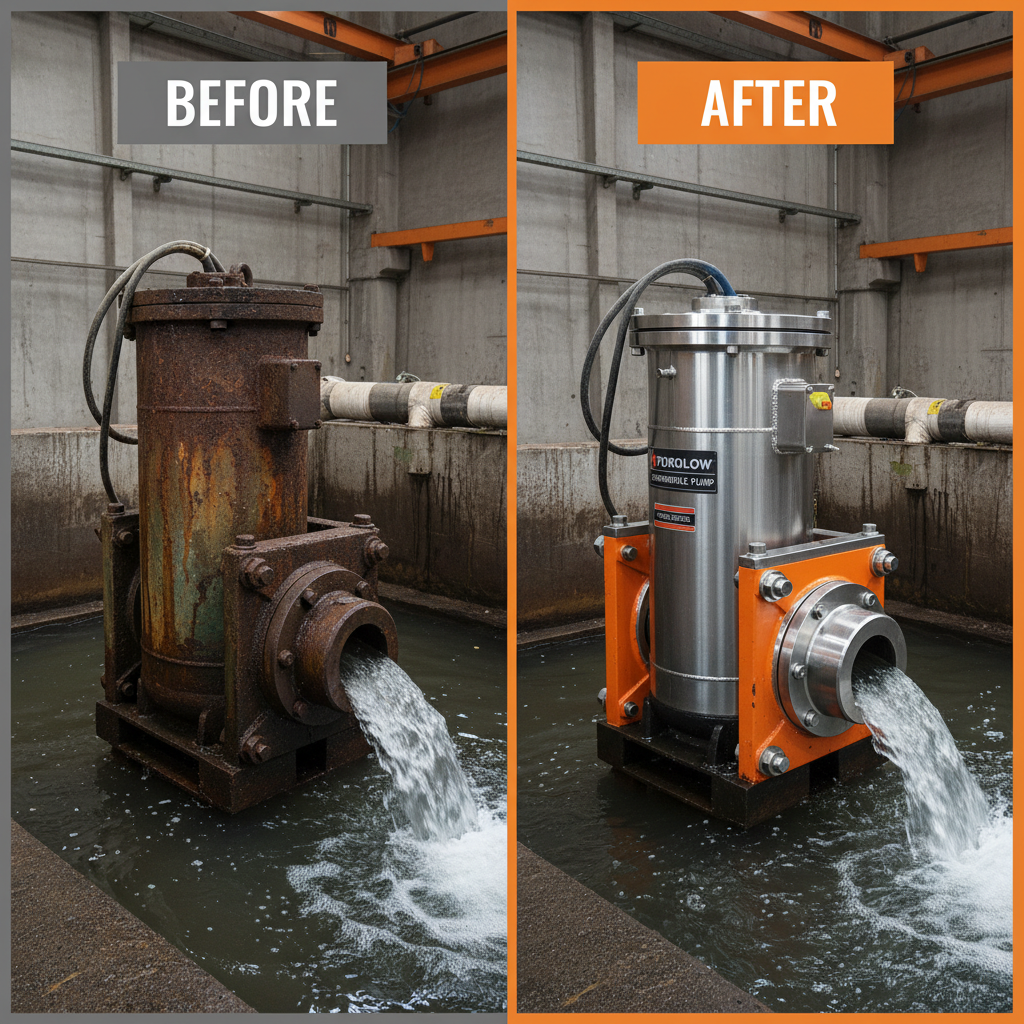 Understanding the Price Submersible Pump and Buyer GuideWhen searching for the ideal water management solution, understanding the price submersible pump options is crucial for balancing budget with performance. Whether you are dealing with a flooded basement, managing agricultural irrigation, or extracting water from a deep well, the cost of a submersible pump can vary significantly based on its build quality and capacity. Investing in a high-quality pump ensures long-term reliability and reduces the frequency of expensive replacements. In this guide, we will break down the factors that influence pricing and help you make an informed decision for your specific needs.Detail
 -
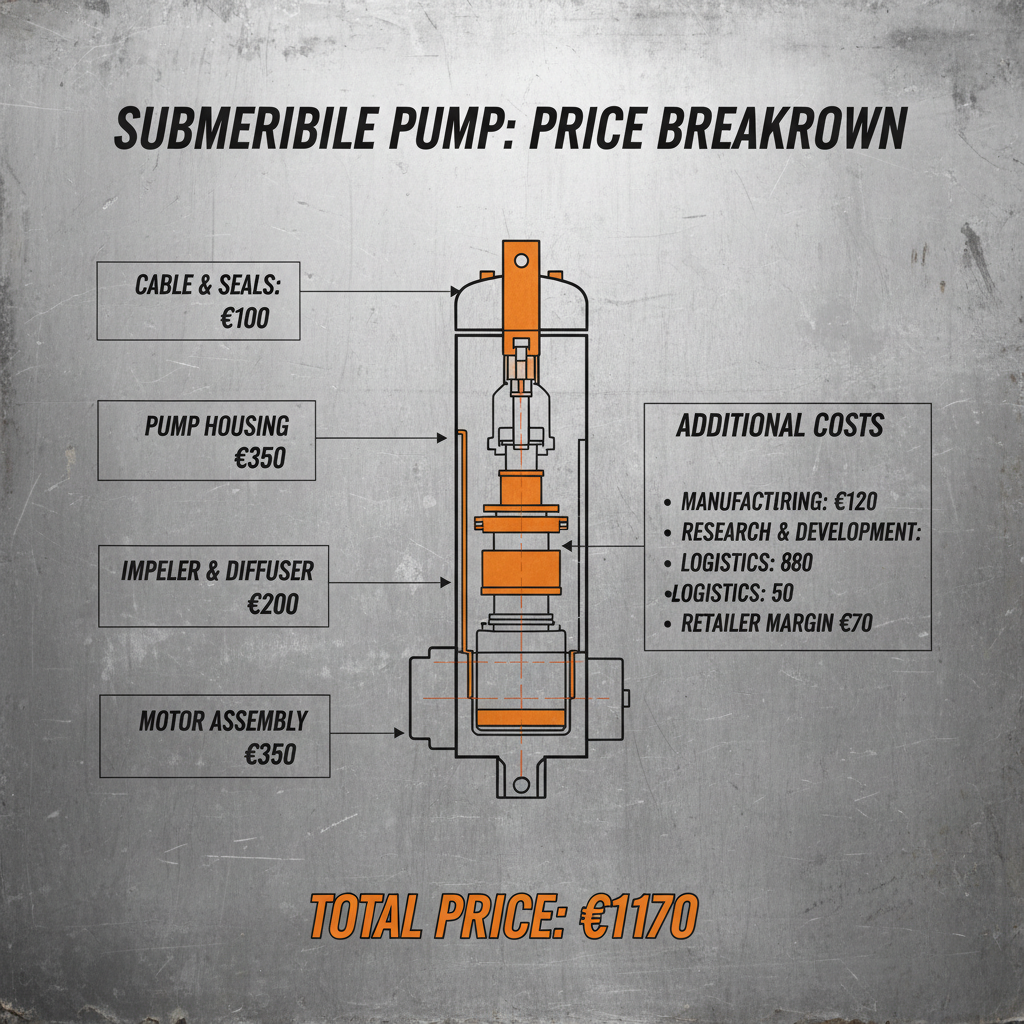 Factors Affecting the Price for Submersible Pump a Buyers GuideWhen investing in water management systems, understanding the price for submersible pump options is essential for balancing performance with budget. Whether you are managing a residential well, an industrial drainage project, or agricultural irrigation, the cost of a pump is rarely a flat fee; it is a reflection of the engineering, materials, and capacity required for your specific environment. In this guide, we will break down the factors that influence pricing and help you determine the best value for your investment to ensure long-term reliability and efficiency.Detail
 -
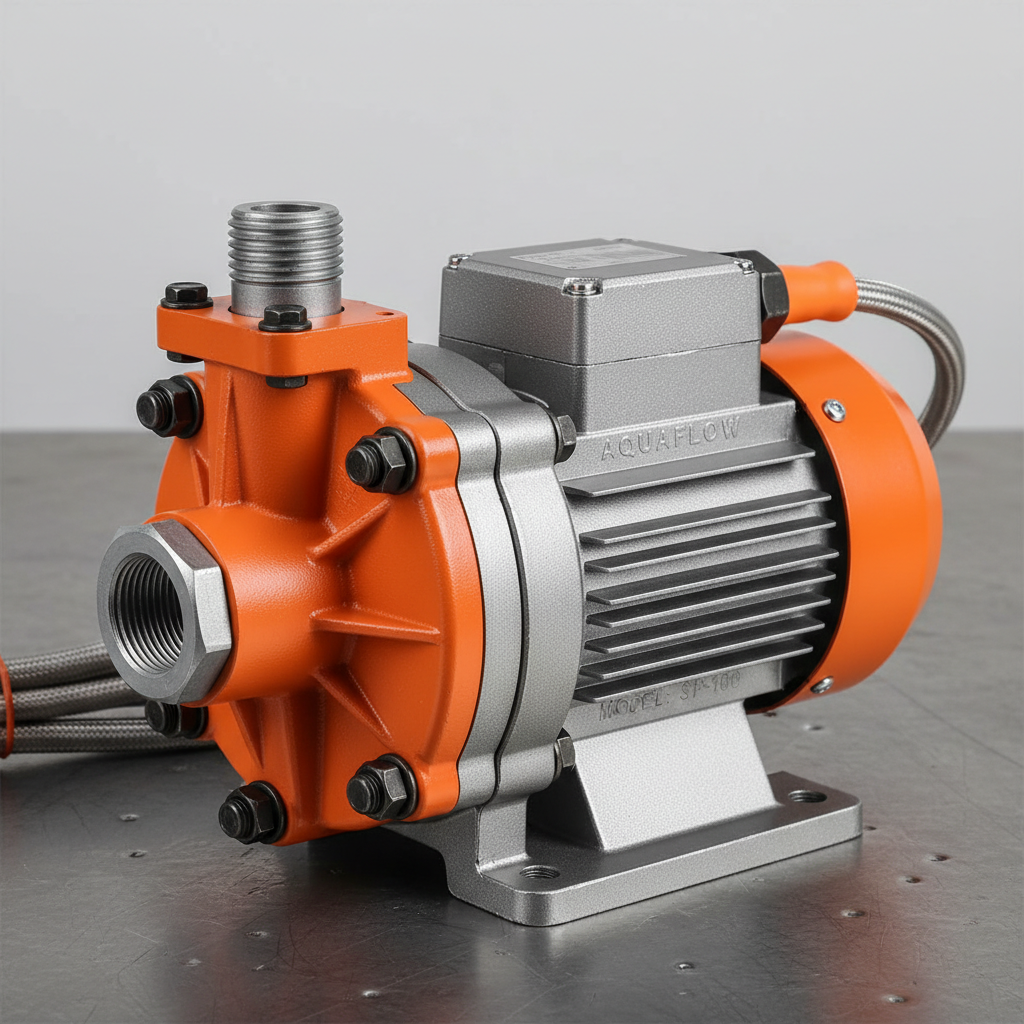 Choosing the Right Mini Submersible Fountain Pump for Optimal Water Feature PerformanceCreating a beautiful and relaxing water feature doesn't have to be complicated. A mini submersible fountain pump is the heart of any indoor or outdoor fountain, and selecting the right one is crucial for optimal performance and longevity. This article will guide you through the key considerations when choosing a mini submersible fountain pump, covering types, features, applications, and how to ensure you get the perfect pump for your project. We’ll also explore how Wellpumpact can provide you with the ideal solution.Detail
 Afrikaans
 Albanian
 Amharic
 Arabic
 Armenian
 Azerbaijani
 Basque
 Belarusian
 Bengali
 Bosnian
 Bulgarian
 Catalan
 Cebuano
 Corsican
 Croatian
 Czech
Czech
 Danish
 Dutch
Dutch
 Esperanto
 Estonian
 Finnish
 French
 Frisian
 Galician
 Georgian
 German
 Greek
Greek
 Gujarati
 Haitian Creole
 Hausa
Hausa
 Hawaiian
 Hebrew
 Hindi
Hindi
 Miao
Miao
 Hungarian
 Icelandic
 Igbo
Igbo
 Indonesian
 Irish
Irish
 Italian
 Japanese
 Javanese
 Kannada
 Kazakh
 Khmer
Khmer
 Rwandese
 Korean
 Kurdish
 Kyrgyz
 Lao
Lao
 Latin
Latin
 Latvian
 Lithuanian
 Luxembourgish
 Macedonian
 Malgashi
 Malay
Malay
 Malayalam
 Maltese
 Maori
Maori
 Marathi
 Mongolian
 Myanmar
 Nepali
 Norwegian
 Norwegian
 Occitan
 Pashto
 Persian
 Polish
 Portuguese
 Punjabi
 Romanian
 Russian
 Samoan
 Scottish Gaelic
 Serbian
 Sesotho
 Shona
Shona
 Sindhi
 Sinhala
 Slovak
 Slovenian
 Somali
 Spanish
 Sundanese
 Swahili
 Swedish
 Tagalog
 Tajik
Tajik
 Tamil
Tamil
 Tatar
Tatar
 Telugu
 Thai
Thai
 Turkish
 Turkmen
 Ukrainian
 Urdu
Urdu
 Uighur
 Uzbek
Uzbek
 Vietnamese
 Welsh
Welsh
 Bantu
Bantu
 Yiddish
 Yoruba
 Zulu
Zulu
 English