
Nov . 21, 2025 16:30 Back to list
Submersible Fountain Pump – Efficient & Durable Water Circulation Solutions
Understanding the Submersible Fountain Pump: A Global Perspective
Submersible fountain pumps might not be the first thing that comes to mind when thinking about water features or global infrastructure, but they play an unexpectedly vital role worldwide. These devices, quietly working underwater, provide elegant water circulation, enable soothing fountains, and, on a larger scale, support water management systems in urban and rural settings. As urban centers grow and the demand for sustainable water features and efficient pumping rises, understanding submersible fountain pumps offers not only aesthetic insights but also practical advantages for industry and humanitarian efforts alike.
Why It Matters Globally
The global water feature equipment market, according to industry reports, is growing steadily, largely driven by urban beautification efforts and ecological water management. The United Nations estimates that over 40% of the world’s population lives in water-scarce regions — so managing water efficiently is more than a luxury; it’s a necessity. In this case, submersible fountain pumps serve as low-maintenance, energy-efficient solutions that can fit into both decorative setups in public spaces and water recirculation in environmentally sensitive projects. In short, it’s a small piece of plumbing with big implications.
What Exactly Is a Submersible Fountain Pump?
Simply put, a submersible fountain pump is a compact electric pump designed to operate fully underwater. Unlike traditional pumps that are positioned outside the water with pipes sucking water in, these are submerged right where the action happens — inside ponds, fountains, or reservoirs. Their primary function is to circulate water, creating aesthetic displays like those lovely sprays and jets you see in public spaces, while simultaneously keeping water moving to prevent stagnation.
Modern submersible fountain pumps meld engineering with artistry, responding both to practical water management needs and the human desire for calming, beautiful environments. In humanitarian contexts — say, temporary water distribution in disaster zones — these pumps can power clean water fountains or distribute water in small community setups, bringing quick relief and restoring dignity.
Core Components and Factors Behind Effective Submersible Fountain Pumps
1. Durability and Material Quality
Because the pumps operate underwater, corrosion resistance is crucial. Most are made with stainless steel or strong plastics that resist rust, mineral deposits, and biological buildup. The integrity of these materials directly impacts the pump’s lifespan, especially in natural water bodies with diverse acidity and pollutants.
2. Energy Efficiency
Many engineers emphasize the importance of energy consumption. Submersible pumps tend to be run continuously for hours or days at a stretch; inefficient motors quickly rack up electricity costs. Modern designs often include brushless motors or variable speed settings, adapting flow rates with minimal waste.
3. Flow Rate and Pump Head
Flow rate, measured in gallons per minute (GPM) or liters per hour (LPH), determines how much water the pump circulates. Pump head indicates the height to which the pump can push water. Both must be balanced depending on fountain size — a delicate act that combines physics with aesthetics.
4. Noise Levels
Oddly enough, many users underestimate noise. A silent or near-silent pump enhances the ambiance, especially in quiet parks or residential settings. Manufacturers are using new materials and motor designs to minimize vibrations.
5. Ease of Maintenance
Being underwater means servicing the pump can be a hassle. Modular designs allowing for quick disassembly, or self-cleaning impellers, reduce downtime and maintenance costs, which is a big deal for public installations with limited technical staff.
| Specification | Details |
|---|---|
| Power Consumption | 150 Watts |
| Max Flow Rate | 800 LPH |
| Max Pump Head | 3.5 meters |
| Noise Level | 32 dB |
| Material | Stainless steel + reinforced polymer |
| Cable Length | 10 meters |
Submersible Fountain Pumps Around the World: Diverse Applications
From the ornate water features in Europe’s historic plazas to remote rural wells in Africa, submersible fountain pumps find their way into countless use cases:
- Urban Landscaping: Cities like Singapore and Dubai rely on them to animate fountains and public water exhibits, boosting tourism and citizen wellbeing.
- Disaster Relief: NGOs deploy portable submersible pumps to set up clean water stations quickly after floods or droughts (UN-WATER data shows timely water access reduces disease spread dramatically).
- Agriculture & Irrigation: In arid regions such as parts of Australia or India, these pumps help cycle water in reservoirs used for crop sprinklers or livestock watering points.
- Industrial Facilities: Cooling ponds and wastewater treatments often rely on submerged pumps to keep water flowing and oxygenated, preventing harmful stagnation.
Benefits That Outlast the Fountain’s Flow
When you consider cost, sustainability, and user impact together, submersible fountain pumps often turn out to be a surprisingly good investment. Lower power demands mean less strain on energy grids — a crucial factor as the world pushes for greener urban infrastructure. Socially, reliable water circulation prevents algae and mosquito breeding grounds, enhancing public health. And on a human level, who hasn’t found peace gazing at a gently flowing fountain? It can foster community morale, bringing a bit of calm into fast-moving cities.
The Next Wave: Innovations & Trends in Submersible Pumps
- Solar-Powered Pumps: In sunny regions, integrating solar panels with submersible pumps is revolutionizing off-grid water management, slashing operating costs.
- Smart Controls: IoT-enabled pumps now allow remote monitoring, automated flow rate adjustments, and predictive maintenance alerts, cutting down unexpected failures.
- Eco-Friendly Materials: Manufacturers are experimenting with biodegradable plastics and non-toxic coatings, easing environmental footprints.
- Energy Storage: Advances in battery tech mean pumps can run reliably through nights or storms when solar power dips.
Common Challenges and How to Beat Them
Despite their strengths, submersible fountain pumps come with a few familiar hurdles:
- Clogging and Debris Build-Up: Pumps drawing from open water can clog; to address this, many systems include fine mesh screens or self-cleaning impellers.
- Electrical Safety: Water and electricity make for a dicey combo; double-insulated cables and ground-fault interrupters are now standard to enhance safety.
- Maintenance Accessibility: Some installations bury pumps deep, complicating repairs; modular and quick-release designs can reduce downtime.
Many manufacturers and engineers are responding to these issues with clever designs, making pumps smarter and more user-friendly — a trend worth watching closely.
| Feature | AquaPulse Pro | EcoFlow SubPump | Streamline Founta |
|---|---|---|---|
| Max Flow Rate | 900 LPH | 750 LPH | 800 LPH |
| Energy Efficiency | A++ | A+ | A |
| Noise Level (dB) | 30 | 35 | 32 |
| Smart Control | Yes | No | No |
| Warranty | 3 years | 2 years | 2 years |
Frequently Asked Questions About Submersible Fountain Pumps
- Q: How do I select the right size submersible fountain pump for my pond?
- A: Consider the volume of your pond and desired water movement. A general rule is to circulate the entire pond volume every 1-2 hours. So, calculate your pond’s water volume (length × width × average depth) and choose a pump with a flow rate that matches that cycle.
- Q: Can submersible fountain pumps operate continuously without damage?
- A: Most quality pumps are designed for continuous operation, but it’s essential to check the manufacturer’s guidelines. Proper maintenance and ensuring the pump stays submerged at all times prevent overheating and extend lifespan.
- Q: Are submersible fountain pumps safe to use with fish or aquatic plants?
- A: Yes. Pumps built with non-toxic materials and proper water flow rates are safe for fish and plants. Ensure the pump has screens or guards to prevent small creatures from being sucked in.
- Q: What are the energy costs associated with running a submersible fountain pump daily?
- A: Energy usage varies by pump size and power rating. For example, a 150-watt pump running 8 hours daily uses roughly 1.2 kWh per day. If running on grid electricity at $0.13/kWh, that’s about $0.16/day or roughly $5/month. Solar-powered options can greatly reduce this cost.
In Closing: Why the Submersible Fountain Pump Matters More Than You Think
It’s easy to take the humble submersible fountain pump for granted — just a gadget underwater, making pretty water jets dance. But peel back the surface, and you find an intersection of technology, sustainability, and global need. Whether enhancing an elegant urban plaza or providing vital water circulation in challenging environments, these pumps quietly deliver value day in and day out.
Curious to dive deeper? Visit our website at https://www.wellpumpact.com for detailed guides, supplier info, and smart buying tips. After all, knowing your pump might just change how you see water everywhere.
References
-
Understanding the Price Submersible Pump and Buyer Guide
NewsApr.16,2026
-
Factors Affecting the Price for Submersible Pump a Buyers Guide
NewsApr.09,2026
-
Choosing the Right Mini Submersible Fountain Pump for Optimal Water Feature Performance
NewsApr.07,2026
-
A Detailed Guide to Installing a Submersible Pump for Optimal Performance
NewsApr.04,2026
-
Comprehensive Guide on How to Test a Submersible Water Well Pump Effectively
NewsMar.31,2026
-
Learn How to Replace a Submersible Well Pump Safely and Effectively
NewsMar.28,2026
-
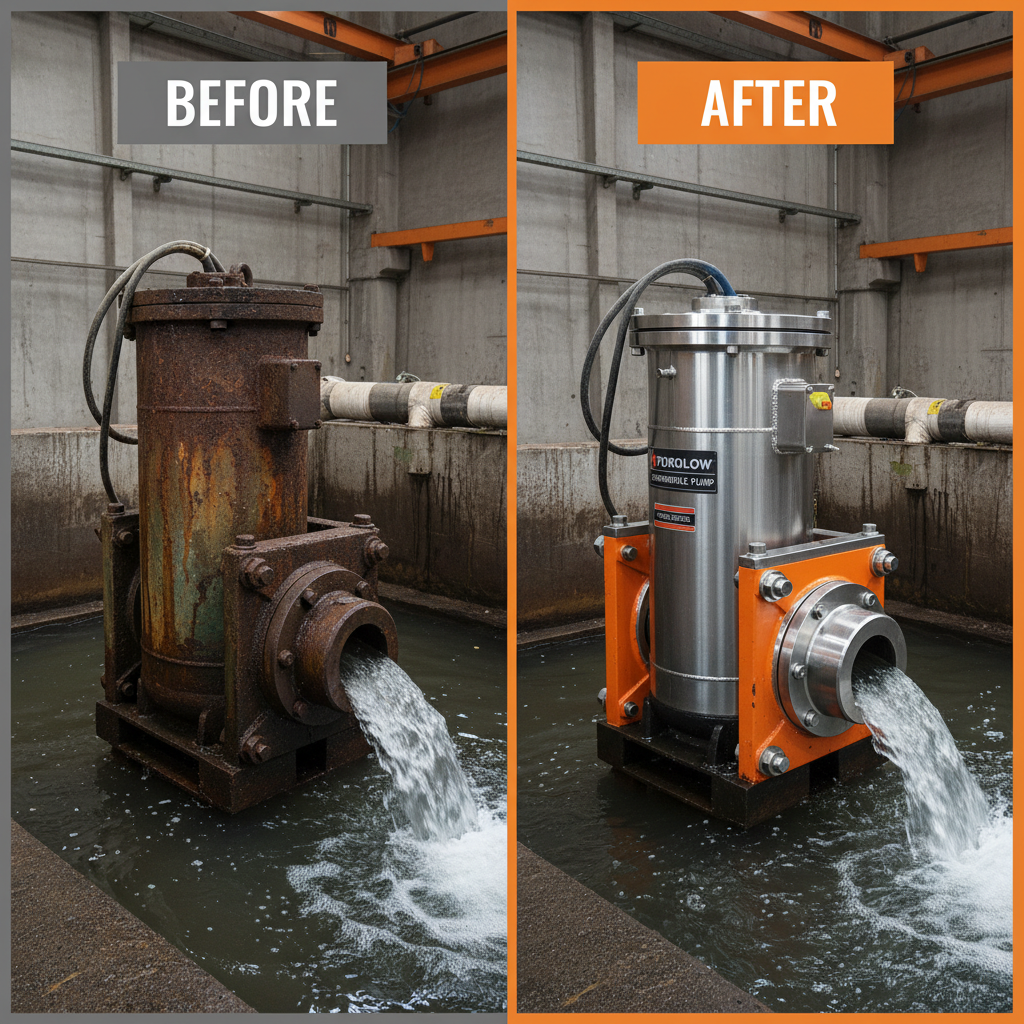 Understanding the Price Submersible Pump and Buyer GuideWhen searching for the ideal water management solution, understanding the price submersible pump options is crucial for balancing budget with performance. Whether you are dealing with a flooded basement, managing agricultural irrigation, or extracting water from a deep well, the cost of a submersible pump can vary significantly based on its build quality and capacity. Investing in a high-quality pump ensures long-term reliability and reduces the frequency of expensive replacements. In this guide, we will break down the factors that influence pricing and help you make an informed decision for your specific needs.Detail
 -
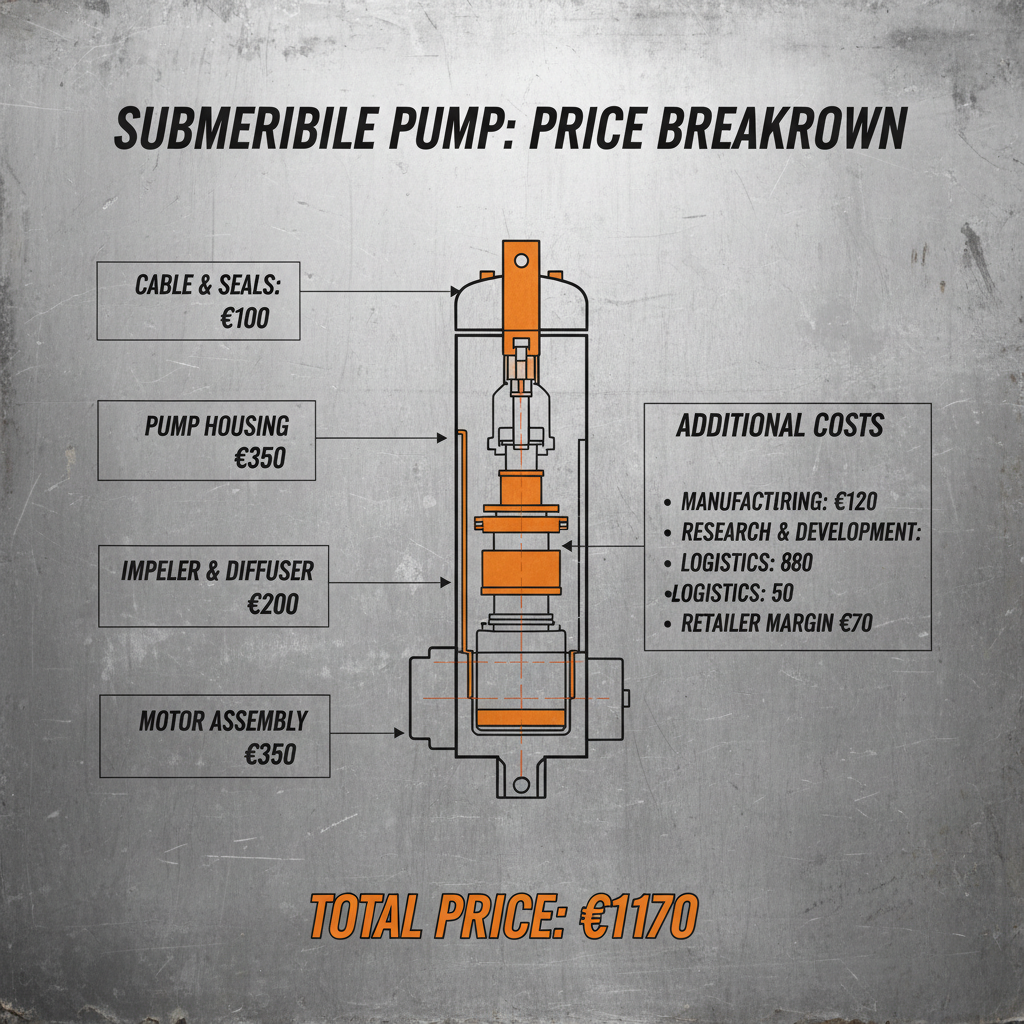 Factors Affecting the Price for Submersible Pump a Buyers GuideWhen investing in water management systems, understanding the price for submersible pump options is essential for balancing performance with budget. Whether you are managing a residential well, an industrial drainage project, or agricultural irrigation, the cost of a pump is rarely a flat fee; it is a reflection of the engineering, materials, and capacity required for your specific environment. In this guide, we will break down the factors that influence pricing and help you determine the best value for your investment to ensure long-term reliability and efficiency.Detail
 -
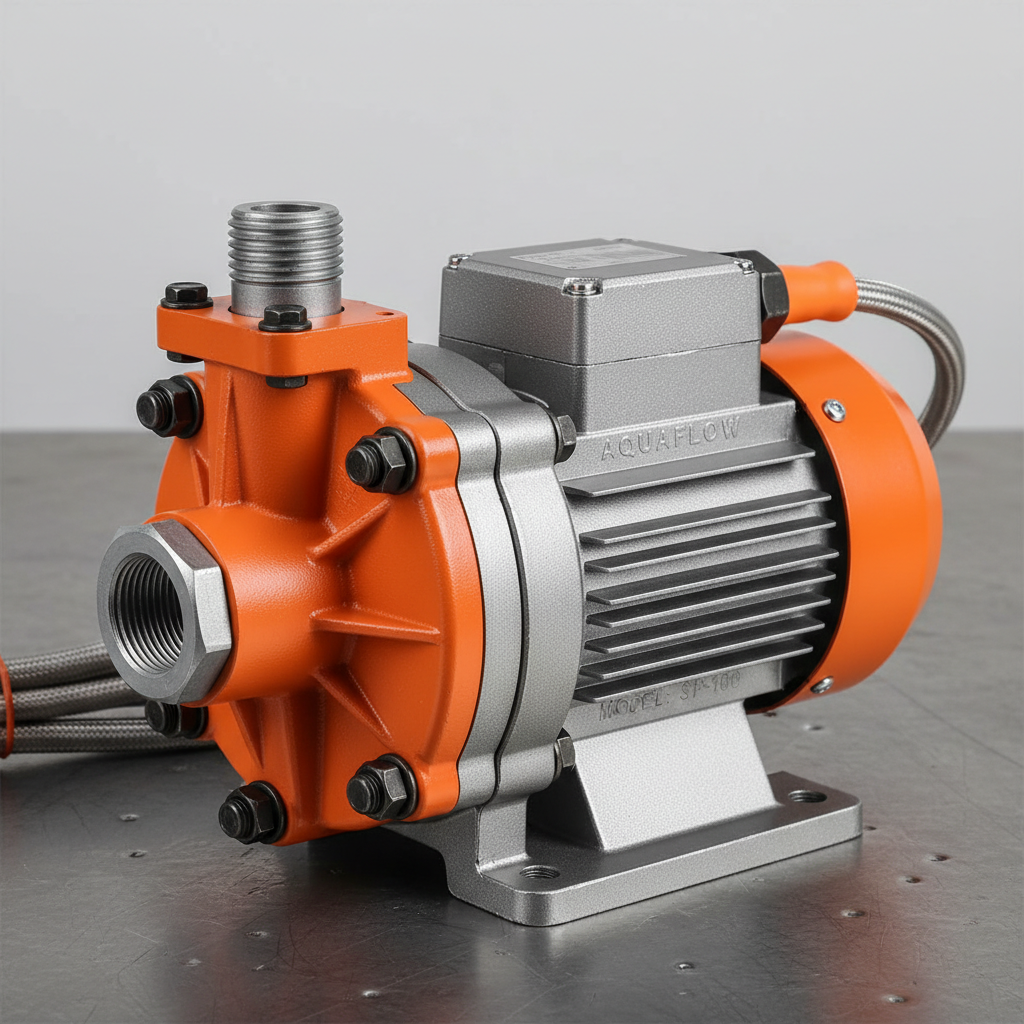 Choosing the Right Mini Submersible Fountain Pump for Optimal Water Feature PerformanceCreating a beautiful and relaxing water feature doesn't have to be complicated. A mini submersible fountain pump is the heart of any indoor or outdoor fountain, and selecting the right one is crucial for optimal performance and longevity. This article will guide you through the key considerations when choosing a mini submersible fountain pump, covering types, features, applications, and how to ensure you get the perfect pump for your project. We’ll also explore how Wellpumpact can provide you with the ideal solution.Detail
 Afrikaans
 Albanian
 Amharic
 Arabic
 Armenian
 Azerbaijani
 Basque
 Belarusian
 Bengali
 Bosnian
 Bulgarian
 Catalan
 Cebuano
 Corsican
 Croatian
 Czech
Czech
 Danish
 Dutch
Dutch
 Esperanto
 Estonian
 Finnish
 French
 Frisian
 Galician
 Georgian
 German
 Greek
Greek
 Gujarati
 Haitian Creole
 Hausa
Hausa
 Hawaiian
 Hebrew
 Hindi
Hindi
 Miao
Miao
 Hungarian
 Icelandic
 Igbo
Igbo
 Indonesian
 Irish
Irish
 Italian
 Japanese
 Javanese
 Kannada
 Kazakh
 Khmer
Khmer
 Rwandese
 Korean
 Kurdish
 Kyrgyz
 Lao
Lao
 Latin
Latin
 Latvian
 Lithuanian
 Luxembourgish
 Macedonian
 Malgashi
 Malay
Malay
 Malayalam
 Maltese
 Maori
Maori
 Marathi
 Mongolian
 Myanmar
 Nepali
 Norwegian
 Norwegian
 Occitan
 Pashto
 Persian
 Polish
 Portuguese
 Punjabi
 Romanian
 Russian
 Samoan
 Scottish Gaelic
 Serbian
 Sesotho
 Shona
Shona
 Sindhi
 Sinhala
 Slovak
 Slovenian
 Somali
 Spanish
 Sundanese
 Swahili
 Swedish
 Tagalog
 Tajik
Tajik
 Tamil
Tamil
 Tatar
Tatar
 Telugu
 Thai
Thai
 Turkish
 Turkmen
 Ukrainian
 Urdu
Urdu
 Uighur
 Uzbek
Uzbek
 Vietnamese
 Welsh
Welsh
 Bantu
Bantu
 Yiddish
 Yoruba
 Zulu
Zulu
 English