
Nov . 26, 2025 16:20 Back to list
Submersible Irrigation Pump: Efficient Water Solutions for Global Agriculture
What is a Submersible Irrigation Pump, and Why Does It Matter?
When you picture irrigation technology, often it’s about sprinkler systems or overhead pipelines. But below the surface, literally, lies another vital player—the submersible irrigation pump. These specialized pumps operate underwater, pulling water from underground sources directly to irrigate crops. Why is this important? Because in many parts of the world where surface water is scarce or unreliable, tapping into aquifers with efficient pumps is increasingly critical to sustaining agriculture and food security.
Understanding how submersible irrigation pumps work—and their broader impact—means gaining insight into how farmers and industries adapt to growing water challenges worldwide. Plus, it can open discussions about sustainability, energy use, and rural development.
Submersible Irrigation Pumps on a Global Scale: The Big Picture
According to the United Nations Food and Agriculture Organization (FAO), irrigation accounts for nearly 70% of global freshwater withdrawals. However, surface water is often unevenly distributed or polluted, pushing farmers and communities to resort to groundwater. This is where submersible irrigation pumps come in—they’re the workhorses of extracting that water efficiently.
Take India or parts of Africa: deep tube wells with submersible pumps have boosted crop yields while helping farmers withstand erratic rainfall patterns linked to climate change. But there’s a catch: over-extraction risks depleting aquifers, posing long-term environmental challenges.
The World Bank estimates that improved irrigation technology could increase agricultural productivity by up to 50% in some regions—highlighting why investing in efficient pumps matters globally.
What Exactly is a Submersible Irrigation Pump?
At its core, a submersible irrigation pump is a sealed, electrically driven pump, designed to work completely underwater—often placed well below water levels inside boreholes or wells. Unlike surface pumps, it doesn’t need priming because it pushes water up directly, preventing cavitation problems common in suction pumps.
These pumps are a key component of modern irrigation systems, enabling reliable water delivery even when surface water sources are unavailable. They are used in agriculture, but also in landscaping, industrial water supply, and emergency relief operations where water access is critical.
Key Factors to Consider with Submersible Irrigation Pumps
Durability
Because these pumps operate submerged, corrosion resistance and insulation quality are absolutely crucial. Many models come with stainless steel casings and specially insulated motors to survive harsh water chemistry and varying depths.
Energy Efficiency
Electric motors powering submersible pumps need to be efficient to keep operating costs reasonable. Advances like permanent magnet motors and improved hydraulic designs mean less wasted power and lower monthly bills.
Depth and Flow Capacity
Choosing a pump depends on how deep the water source is and how much water is required. Pumps can be customized to handle depths from just a few meters up to over 200 meters, and flows from 1 to thousands of cubic meters per hour.
Cost Efficiency
While initial investment may seem high, durable and efficient pumps reduce maintenance and energy expenses over time, which pays off in the long run.
Ease of Installation and Maintenance
Modular designs, standardized parts, and accessible motor connections help reduce downtime. Many suppliers also offer remote monitoring nowadays.
Real-World Use Cases for Submersible Irrigation Pumps
From vast farms in the American Midwest to smallholder plots in East Africa, these pumps are everywhere. In arid regions like Rajasthan, India, farmers rely on solar-powered submersible pumps to irrigate staple crops sustainably, reducing fossil fuel dependence.
In post-disaster relief—think floods or droughts—portable submersible pumps can be deployed quickly to restore water supplies. Even industries like mining or construction use such pumps to dewater sites or maintain dust control.
In fact, organizations like the International Water Management Institute (IWMI) actively promote submersible pump technologies for climate adaptation in vulnerable rural areas.
Mini takeaway:
These pumps are more than just mechanical gadgets—they’re lifelines in climates and communities facing unpredictable water futures.
The Advantages and Long-Term Value of Submersible Irrigation Pumps
- Lower Operating Costs: Using one pump with the right specifications can save fuel and water thanks to efficient delivery.
- Sustainability: Many pumps now integrate solar power options, slashing carbon footprints and enabling off-grid irrigation.
- Reliability: Being underwater protects the equipment from damage and dust, extending lifespan.
- Social Impact: Empowering farmers with dependable water access enhances food security, community resilience, and rural livelihoods.
Emotionally, there’s also comfort in dependable irrigation; knowing that crops won’t fail because of erratic rains can reduce stress and foster innovation in farming techniques.
Looking Ahead: Future Trends in Submersible Irrigation Pumps
The integration of IoT sensors and smart controllers is making these pumps “intelligent.” Remote monitoring allows farmers to track water usage and detect failures early. Meanwhile, advancements in materials science are producing corrosion-proof components and lighter pump assemblies, easing installation.
Notably, solar and hybrid-powered pumps are becoming mainstream, especially where grid electricity is unreliable or expensive.
And environmental policies encouraging water conservation and groundwater recharge are pushing manufacturers to design pumps that balance extraction with sustainability.
Challenges and How the Industry Addresses Them
One of the biggest challenges is groundwater depletion caused by excessive pumping without recharge. Over time, this causes wells to dry up, increasing costs and environmental harm.
Experts suggest solutions like:
- Using automated controls and sensors to limit pumping during recharge periods.
- Developing community water management policies.
- Promoting integrated watershed management alongside pump deployment.
Another issue is upfront cost, which can be a barrier for small farmers. Subsidies, microfinancing, and leasing models are emerging to make these technologies more accessible.
Specifications at a Glance: Typical Submersible Irrigation Pump
| Specification | Typical Values |
|---|---|
| Power Source | Electric (220-380V), Solar Compatible |
| Motor Power | 1 HP – 20 HP |
| Max Depth | Up to 200 meters |
| Flow Rate | 1 – 500 m³/h |
| Material | Stainless Steel, Reinforced Plastic |
| Installation Type | Vertical, Submerged |
Comparing Leading Submersible Irrigation Pump Vendors
| Vendor | Product Range | Price Range | Key Feature | Warranty |
|---|---|---|---|---|
| AquaPump Ltd | 1–15 HP submersible pumps | $800–$3,200 | Solar compatible with smart controller | 3 years |
| HydroFlow Corp | 5–20 HP pumps | $1,500–$5,000 | Corrosion-resistant alloy motors | 5 years |
| EcoPump Solutions | 0.5–10 HP solar-powered pumps | $1,200–$3,000 | Off-grid solar with battery backup | 2 years |
FAQ: Your Questions on Submersible Irrigation Pumps Answered
Q1: How do I choose the right submersible irrigation pump for my farm?
A: Start with assessing your water source depth and daily water needs. The pump must handle that depth and flow efficiently. Also, consider power availability—grid or solar—and local water chemistry to avoid corrosion. Consulting with a supplier can help match you to a model suited for your soil and crop types.
Q2: Can submersible irrigation pumps help reduce my energy bills?
A: Definitely. Modern submersible pumps with high-efficiency motors and smart controllers minimize electricity consumption by adapting speed and output to actual demand. Plus, solar-powered variants eliminate grid costs altogether.
Q3: What maintenance does a submersible irrigation pump require?
A: Regular checks for electrical insulation, bearing wear, and cable integrity are necessary. Sediment buildup can reduce pump efficiency, so installing filters or well screens is advisable. Professional servicing every 1-2 years ensures longevity.
Q4: Are these pumps environmentally sustainable?
A: When used thoughtfully, yes. They enable targeted irrigation, reducing water waste. Incorporating renewable energy sources and observing groundwater recharge practices further enhance sustainability.
Final Thoughts: Why Embracing Submersible Irrigation Pumps Makes Sense
It’s clear that submersible irrigation pumps are more than just mechanical tools—they’re central to modern agriculture and water management, especially where surface water is limited. Their efficiency, durability, and integration with renewable energy position them well to face future challenges related to climate change and food security. If you’re a farmer, NGO, or business looking to optimize water delivery, considering the array of available pumps and technologies is a must.
For a closer look at quality products and solutions, visit our website: submersible irrigation pump
References
-
Understanding the Price Submersible Pump and Buyer Guide
NewsApr.16,2026
-
Factors Affecting the Price for Submersible Pump a Buyers Guide
NewsApr.09,2026
-
Choosing the Right Mini Submersible Fountain Pump for Optimal Water Feature Performance
NewsApr.07,2026
-
A Detailed Guide to Installing a Submersible Pump for Optimal Performance
NewsApr.04,2026
-
Comprehensive Guide on How to Test a Submersible Water Well Pump Effectively
NewsMar.31,2026
-
Learn How to Replace a Submersible Well Pump Safely and Effectively
NewsMar.28,2026
-
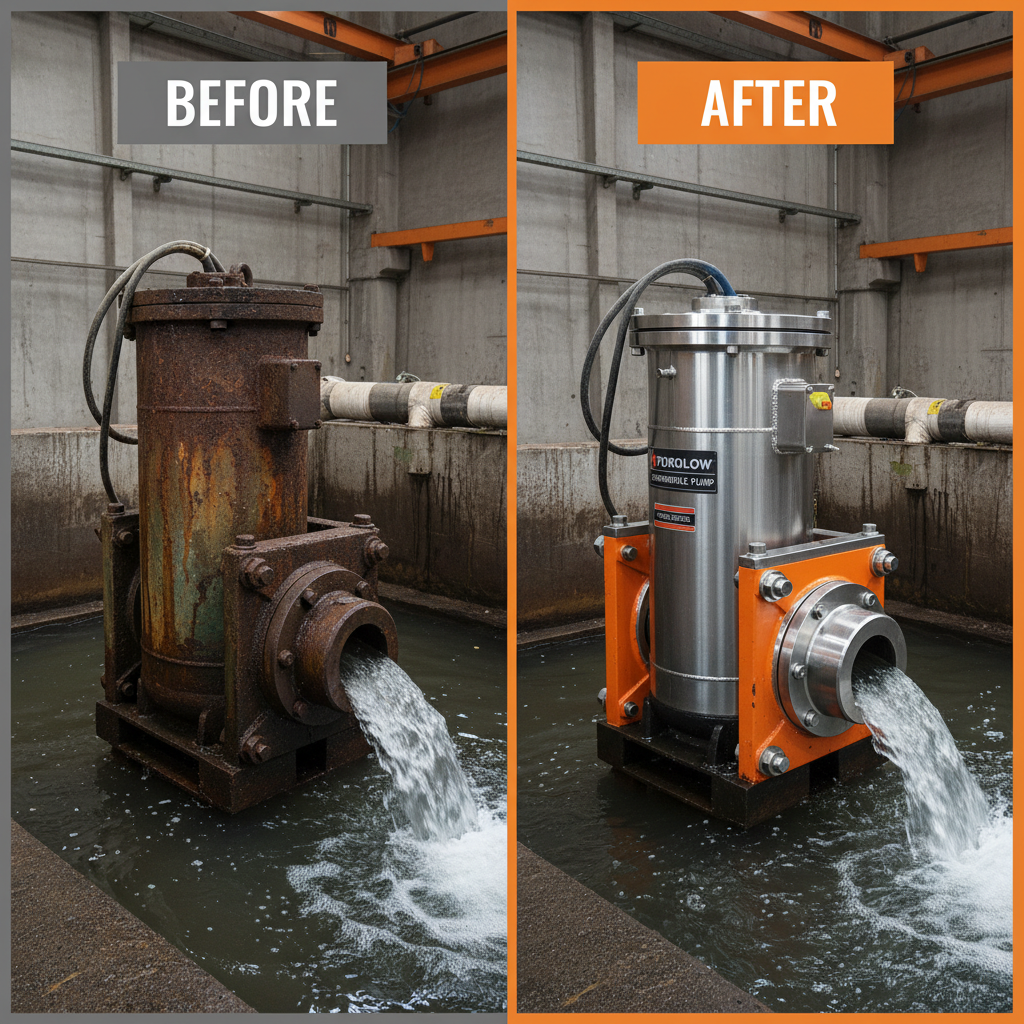 Understanding the Price Submersible Pump and Buyer GuideWhen searching for the ideal water management solution, understanding the price submersible pump options is crucial for balancing budget with performance. Whether you are dealing with a flooded basement, managing agricultural irrigation, or extracting water from a deep well, the cost of a submersible pump can vary significantly based on its build quality and capacity. Investing in a high-quality pump ensures long-term reliability and reduces the frequency of expensive replacements. In this guide, we will break down the factors that influence pricing and help you make an informed decision for your specific needs.Detail
 -
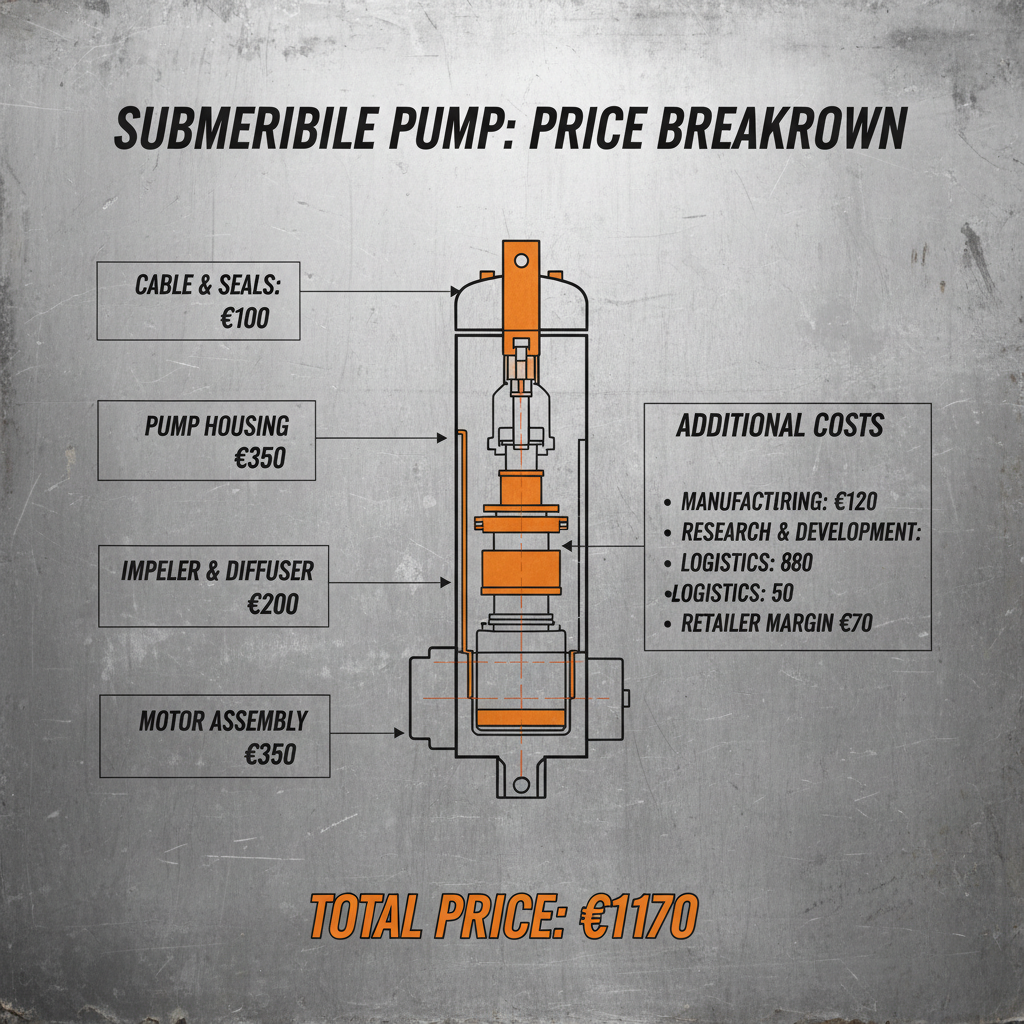 Factors Affecting the Price for Submersible Pump a Buyers GuideWhen investing in water management systems, understanding the price for submersible pump options is essential for balancing performance with budget. Whether you are managing a residential well, an industrial drainage project, or agricultural irrigation, the cost of a pump is rarely a flat fee; it is a reflection of the engineering, materials, and capacity required for your specific environment. In this guide, we will break down the factors that influence pricing and help you determine the best value for your investment to ensure long-term reliability and efficiency.Detail
 -
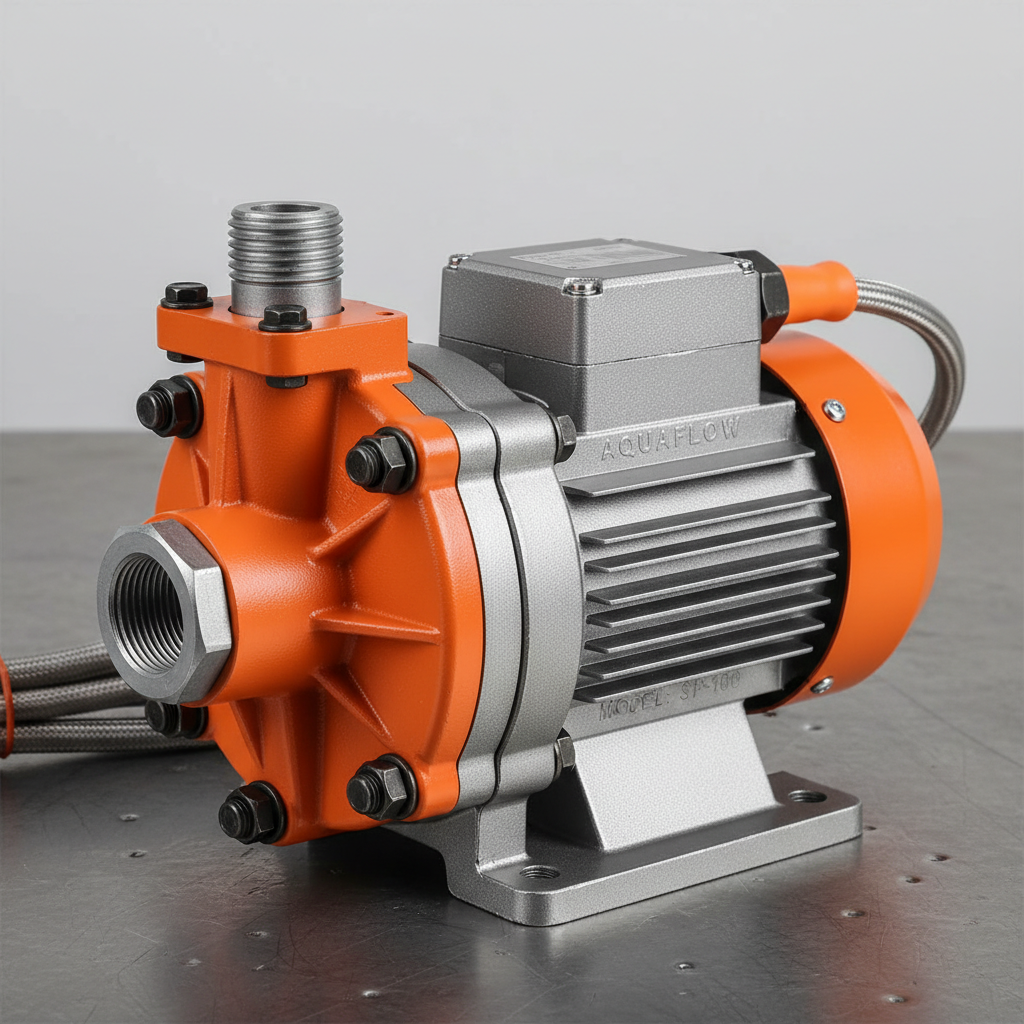 Choosing the Right Mini Submersible Fountain Pump for Optimal Water Feature PerformanceCreating a beautiful and relaxing water feature doesn't have to be complicated. A mini submersible fountain pump is the heart of any indoor or outdoor fountain, and selecting the right one is crucial for optimal performance and longevity. This article will guide you through the key considerations when choosing a mini submersible fountain pump, covering types, features, applications, and how to ensure you get the perfect pump for your project. We’ll also explore how Wellpumpact can provide you with the ideal solution.Detail
 Afrikaans
 Albanian
 Amharic
 Arabic
 Armenian
 Azerbaijani
 Basque
 Belarusian
 Bengali
 Bosnian
 Bulgarian
 Catalan
 Cebuano
 Corsican
 Croatian
 Czech
Czech
 Danish
 Dutch
Dutch
 Esperanto
 Estonian
 Finnish
 French
 Frisian
 Galician
 Georgian
 German
 Greek
Greek
 Gujarati
 Haitian Creole
 Hausa
Hausa
 Hawaiian
 Hebrew
 Hindi
Hindi
 Miao
Miao
 Hungarian
 Icelandic
 Igbo
Igbo
 Indonesian
 Irish
Irish
 Italian
 Japanese
 Javanese
 Kannada
 Kazakh
 Khmer
Khmer
 Rwandese
 Korean
 Kurdish
 Kyrgyz
 Lao
Lao
 Latin
Latin
 Latvian
 Lithuanian
 Luxembourgish
 Macedonian
 Malgashi
 Malay
Malay
 Malayalam
 Maltese
 Maori
Maori
 Marathi
 Mongolian
 Myanmar
 Nepali
 Norwegian
 Norwegian
 Occitan
 Pashto
 Persian
 Polish
 Portuguese
 Punjabi
 Romanian
 Russian
 Samoan
 Scottish Gaelic
 Serbian
 Sesotho
 Shona
Shona
 Sindhi
 Sinhala
 Slovak
 Slovenian
 Somali
 Spanish
 Sundanese
 Swahili
 Swedish
 Tagalog
 Tajik
Tajik
 Tamil
Tamil
 Tatar
Tatar
 Telugu
 Thai
Thai
 Turkish
 Turkmen
 Ukrainian
 Urdu
Urdu
 Uighur
 Uzbek
Uzbek
 Vietnamese
 Welsh
Welsh
 Bantu
Bantu
 Yiddish
 Yoruba
 Zulu
Zulu
 English