
Dec . 13, 2025 09:35 Back to list
Submersible Vs Jet Pump: A Comprehensive Guide for B2B Decision Makers
Submersible Vs Jet Pump is a key solution in the industry, specifically within water management, agricultural irrigation, and industrial fluid handling sectors. This article explores how https://www.wellpumpact.com supports professionals with durable, high-performance products, and explains why this product is an ideal choice for businesses in these sectors.
Table of Contents
- Submersible Vs Jet Pump Overview
- Benefits & Use Cases of Submersible Vs Jet Pump
- Cost, Maintenance & User Experience
- Sustainability & Market Trends
Submersible Vs Jet Pump Overview
At a glance, the choice between a submersible pump and a jet pump might seem straightforward, but there’s a surprising depth to this comparison. In real terms, a Submersible Vs Jet Pump decision revolves largely around the practicalities of installation, water source depth, and maintenance preferences. Submersible pumps are installed directly into the water source, which makes them efficient for deep wells and stable output. Jet pumps, on the other hand, often sit above ground and use suction to draw water, a setup common in shallow wells.
- Submersible pumps are sealed units with motors designed to withstand submerged conditions without corrosion or damage.
- Typical jet pumps use an ejector (or jet) mechanism, relying on water pressure to create suction, with configurations like shallow or deep well setups tailored accordingly.
| Feature | Submersible Pump | Jet Pump |
|---|---|---|
| Installation | Below water surface | Above ground |
| Max Lift Depth | Up to 400 feet | Up to 25 feet |
| Power Efficiency | Higher | Moderate |
| Maintenance Complexity | Needs submersion-specific servicing | Easier access & repair |
Benefits & Use Cases of Submersible Vs Jet Pump
Oddly enough, when you dig a little deeper, submersible pumps stand out in sectors requiring reliable, deep well extraction — think municipal water supplies or large-scale agriculture. Jet pumps are more “jack-of-all-trades” for shallower water sources, often preferred for residential or light commercial irrigation. From what I’ve gathered working alongside industry engineers, submersibles generally win out for durability and consistent pressure delivery.
- Industries like mining and wastewater treatment benefit from submersible pump robustness and ability to handle solids.
- Jet pumps often feature in industries with lower depth needs, providing cost-effective solutions where simplicity is key.
| Vendor | Pump Type Specialization | Price Range (USD) | Warranty | Unique Feature |
|---|---|---|---|---|
| WellPumpAct | Both submersible & jet pumps | $500 - $3,000 | 5 years | Customizable motor sizes & corrosion resistance coatings |
| AquaFlow Solutions | Primarily jet pumps | $400 - $1,500 | 3 years | Energy-efficient impeller design |
| DeepWater Tech | Specializes in deep well submersibles | $1,000 - $4,500 | 7 years | Advanced corrosion-resistant alloy components |
Cost, Maintenance & User Experience
If we’re talking dollars and cents, then frankly, the total cost of ownership tilts in favor of submersible pumps in long-term heavy-duty applications. Yes, the upfront can feel higher — especially considering installation complexities — but lower energy consumption and reduced mechanical wear pays off. WellPumpAct, in particular, is notable for supporting customers with excellent parts availability and responsive service.
- Submersibles often require less routine maintenance since they operate underwater and tend to avoid debris clogging.
- Jet pumps, with easier surface access, make quick fixes a breeze but can suffer from wear on suction parts necessitating frequent check-ups.
- Customer feedback highlights WellPumpAct’s commitment to durability, citing field installations running trouble-free for over 5 years in agricultural deployments.
Sustainability & Market Trends
Sustainability is increasingly driving purchase decisions for B2B buyers, and it turns out pumps aren’t exempt. Manufacturers like WellPumpAct are innovating by integrating energy-efficient motors, corrosion-resistant materials to extend product life, and controls for optimized operation—all of which contribute to lower environmental impact. Regulatory bodies globally are mandating stricter energy use and materials handling, so the market sees a clear pivot toward greener solutions.
- Industry forecasts predict that by 2030, electrically efficient submersible pumps could reduce water supply operational costs by 20-30%.
- B2B clients increasingly request customization aligned with sustainability goals, including smart sensors and variable speed drives.
Frequently Asked Questions about Submersible Vs Jet Pump
- What is Submersible Vs Jet Pump and how does it work?
- Essentially, a submersible pump works by being fully submerged in the fluid, pushing water to the surface. Jet pumps sit above ground and create suction by ejecting water at high velocity, drawing water upward. Both move fluids but suit different well depths and application needs.
- What are the main benefits of using Submersible Vs Jet Pump in industrial applications?
- Key benefits include durability, suitability for different depths, energy efficiency, and maintenance convenience. Submersible pumps generally offer superior pressure performance and longevity in deep well contexts, while jet pumps provide cost-effective flexibility for shallow waters.
- How does Submersible Vs Jet Pump compare to traditional alternatives?
- Compared to traditional piston or mechanical lift pumps, both submersible and jet pumps present advances in efficiency, installation ease, and operational reliability. Their modern designs reduce wear and tear, often translating into longer service life and improved energy savings.
- What industries can benefit most from Submersible Vs Jet Pump implementation?
- Water utilities, agriculture, mining, oil & gas, and wastewater sectors all find great value in these pumps. For example, large-scale irrigation projects rely heavily on submersibles for deep underground water, while jet pumps support smaller commercial sites where shallow water sources are abundant.
Conclusion on Submersible Vs Jet Pump from china
In closing, whether you opt for a submersible versus a jet pump really comes down to your specific water source depth and operational priorities. Submersible pumps generally offer better efficiency and reliability for deeper wells, whereas jet pumps provide an accessible and economical option for shallower applications. Vendors like WellPumpAct combine quality with competitive pricing, making it easier for B2B purchasers to align technology with business goals.
- Recap the value of Submersible Vs Jet Pump.
- - "Visit our website: https://www.wellpumpact.com"
1. Industry Water Pump Handbook, 2023 Edition.
2. Sustainability Trends in Industrial Pumping, WaterTech Journal, 2022.
3. Customer feedback aggregated by WellPumpAct, 2024.
-
Understanding the Price Submersible Pump and Buyer Guide
NewsApr.16,2026
-
Factors Affecting the Price for Submersible Pump a Buyers Guide
NewsApr.09,2026
-
Choosing the Right Mini Submersible Fountain Pump for Optimal Water Feature Performance
NewsApr.07,2026
-
A Detailed Guide to Installing a Submersible Pump for Optimal Performance
NewsApr.04,2026
-
Comprehensive Guide on How to Test a Submersible Water Well Pump Effectively
NewsMar.31,2026
-
Learn How to Replace a Submersible Well Pump Safely and Effectively
NewsMar.28,2026
-
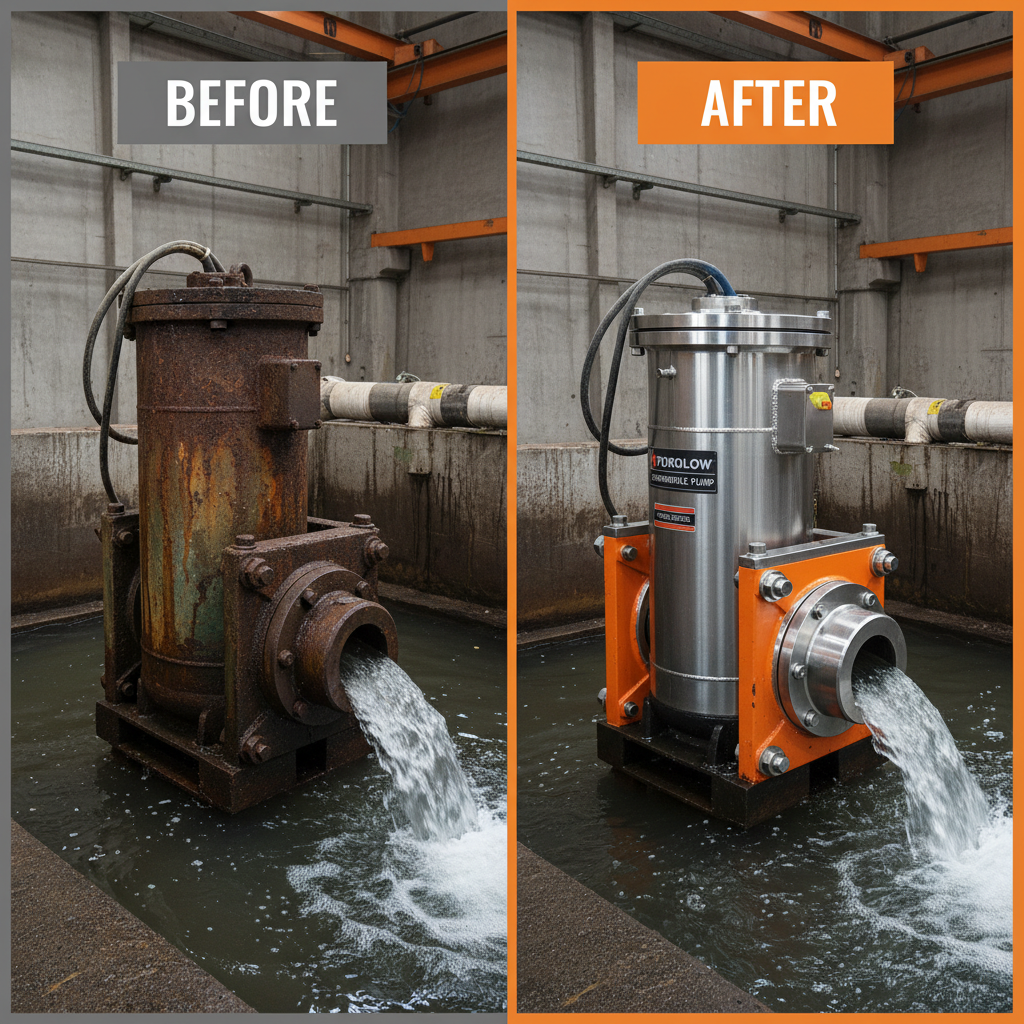 Understanding the Price Submersible Pump and Buyer GuideWhen searching for the ideal water management solution, understanding the price submersible pump options is crucial for balancing budget with performance. Whether you are dealing with a flooded basement, managing agricultural irrigation, or extracting water from a deep well, the cost of a submersible pump can vary significantly based on its build quality and capacity. Investing in a high-quality pump ensures long-term reliability and reduces the frequency of expensive replacements. In this guide, we will break down the factors that influence pricing and help you make an informed decision for your specific needs.Detail
 -
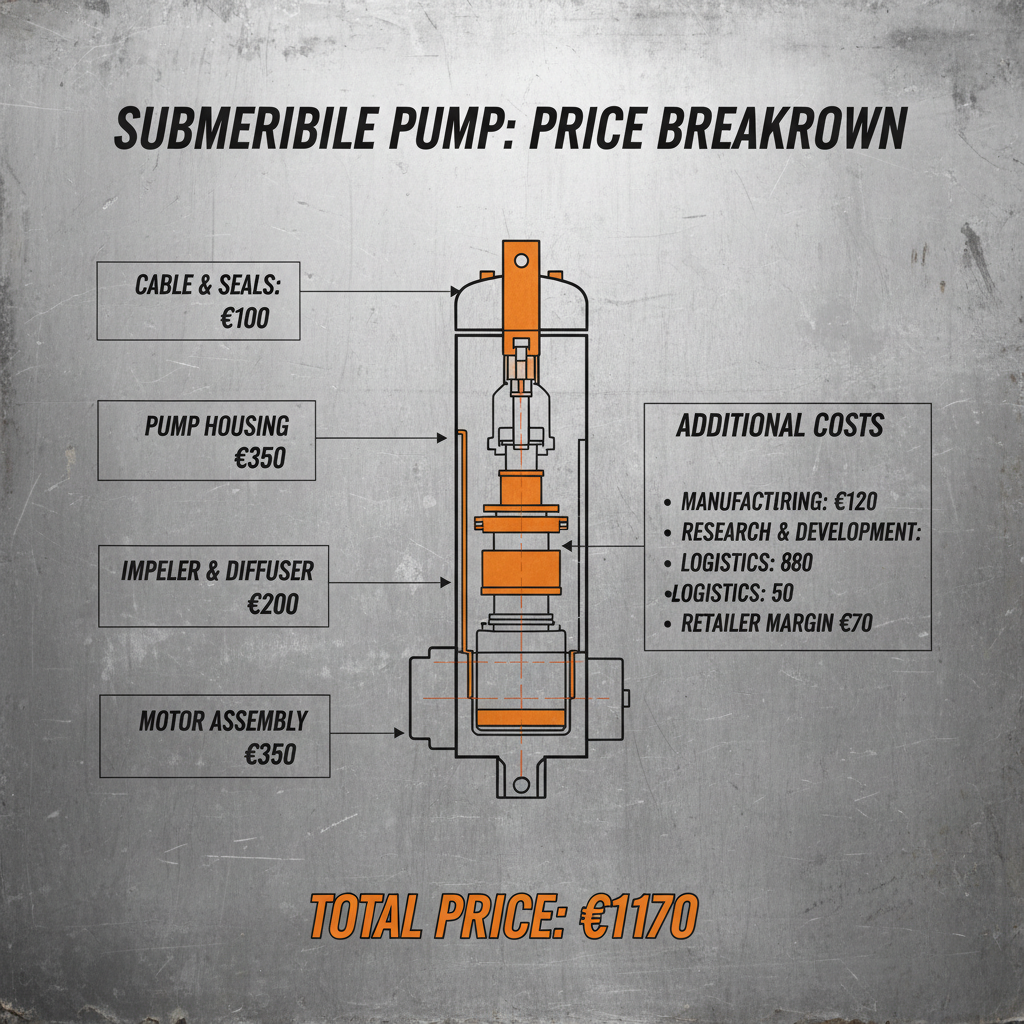 Factors Affecting the Price for Submersible Pump a Buyers GuideWhen investing in water management systems, understanding the price for submersible pump options is essential for balancing performance with budget. Whether you are managing a residential well, an industrial drainage project, or agricultural irrigation, the cost of a pump is rarely a flat fee; it is a reflection of the engineering, materials, and capacity required for your specific environment. In this guide, we will break down the factors that influence pricing and help you determine the best value for your investment to ensure long-term reliability and efficiency.Detail
 -
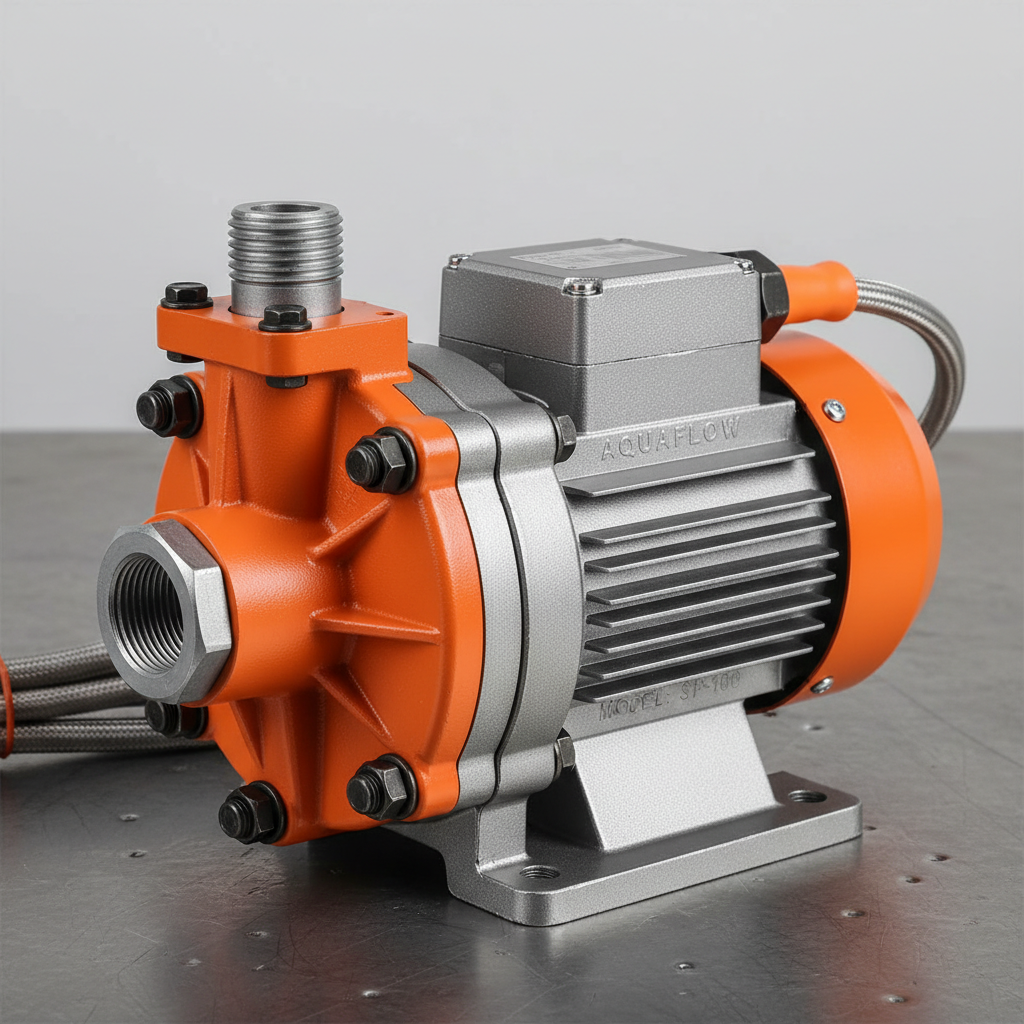 Choosing the Right Mini Submersible Fountain Pump for Optimal Water Feature PerformanceCreating a beautiful and relaxing water feature doesn't have to be complicated. A mini submersible fountain pump is the heart of any indoor or outdoor fountain, and selecting the right one is crucial for optimal performance and longevity. This article will guide you through the key considerations when choosing a mini submersible fountain pump, covering types, features, applications, and how to ensure you get the perfect pump for your project. We’ll also explore how Wellpumpact can provide you with the ideal solution.Detail
 Afrikaans
 Albanian
 Amharic
 Arabic
 Armenian
 Azerbaijani
 Basque
 Belarusian
 Bengali
 Bosnian
 Bulgarian
 Catalan
 Cebuano
 Corsican
 Croatian
 Czech
Czech
 Danish
 Dutch
Dutch
 Esperanto
 Estonian
 Finnish
 French
 Frisian
 Galician
 Georgian
 German
 Greek
Greek
 Gujarati
 Haitian Creole
 Hausa
Hausa
 Hawaiian
 Hebrew
 Hindi
Hindi
 Miao
Miao
 Hungarian
 Icelandic
 Igbo
Igbo
 Indonesian
 Irish
Irish
 Italian
 Japanese
 Javanese
 Kannada
 Kazakh
 Khmer
Khmer
 Rwandese
 Korean
 Kurdish
 Kyrgyz
 Lao
Lao
 Latin
Latin
 Latvian
 Lithuanian
 Luxembourgish
 Macedonian
 Malgashi
 Malay
Malay
 Malayalam
 Maltese
 Maori
Maori
 Marathi
 Mongolian
 Myanmar
 Nepali
 Norwegian
 Norwegian
 Occitan
 Pashto
 Persian
 Polish
 Portuguese
 Punjabi
 Romanian
 Russian
 Samoan
 Scottish Gaelic
 Serbian
 Sesotho
 Shona
Shona
 Sindhi
 Sinhala
 Slovak
 Slovenian
 Somali
 Spanish
 Sundanese
 Swahili
 Swedish
 Tagalog
 Tajik
Tajik
 Tamil
Tamil
 Tatar
Tatar
 Telugu
 Thai
Thai
 Turkish
 Turkmen
 Ukrainian
 Urdu
Urdu
 Uighur
 Uzbek
Uzbek
 Vietnamese
 Welsh
Welsh
 Bantu
Bantu
 Yiddish
 Yoruba
 Zulu
Zulu
 English