
Dec . 10, 2024 03:28 Back to list
Selecting the Best Submersible Fountain Pump for Your Water Feature Needs
The Submersible Fountain Pump An Essential Element for Stunning Water Features
When it comes to garden aesthetics and the creation of serene outdoor spaces, few elements can compete with the enchanting allure of water features. Among the various components that contribute to the visual and auditory experience of these water elements, the submersible fountain pump stands out as a crucial device. This article explores the importance of submersible fountain pumps, their functionality, types, and maintenance tips to ensure longevity and optimal performance.
Understanding Submersible Fountain Pumps
Submersible fountain pumps are specialized devices designed to move water in various applications, including fountains, ponds, and water gardens. Unlike traditional pumps, which operate above the waterline, submersible pumps are completely submerged in water, making them highly efficient and quiet. These pumps are engineered to handle the various challenges of outdoor environments, including debris and varying water levels, making them an ideal choice for fountain enthusiasts.
Functionality and Benefits
The primary function of a submersible fountain pump is to circulate water within a fountain or water feature. This circulation is vital not just for aesthetics but also for the health of aquatic plants and fish in ponds. By maintaining a consistent flow of water, these pumps help to prevent stagnation, which can lead to algae growth and unhealthy water conditions.
Furthermore, submersible fountain pumps come equipped with adjustable flow rates, allowing users to customize the height and direction of the water display. This versatility enables homeowners and landscape designers to create unique designs that capture attention and create a calming atmosphere. Additionally, the ability to create varied water patterns contributes to the dynamic beauty of a garden or outdoor space.
Types of Submersible Fountain Pumps
Submersible fountain pumps vary widely in size, power, and configuration. The two primary types are
submersible fountain pump
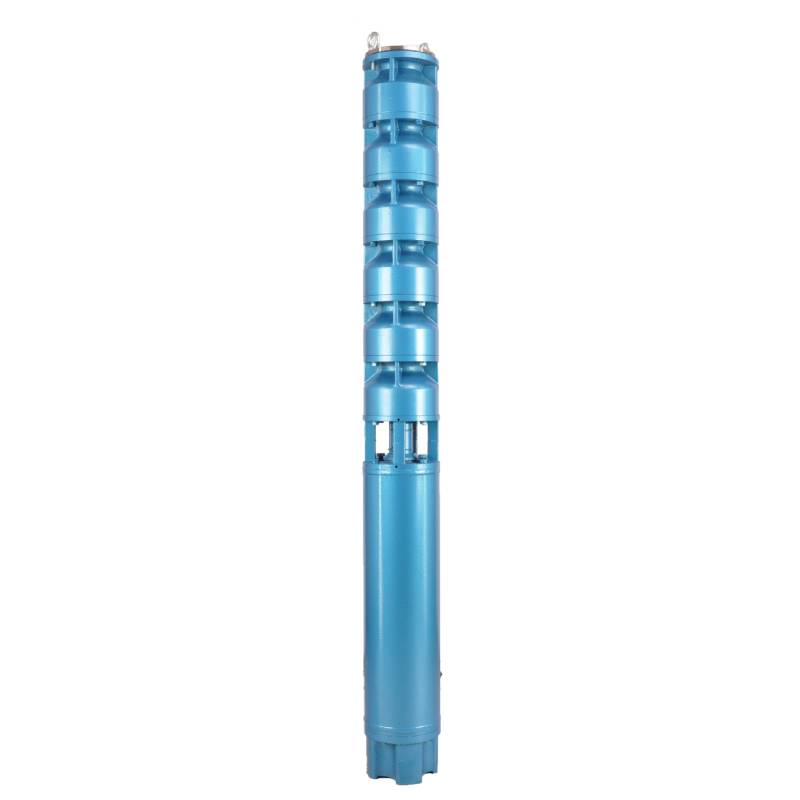
1. Mag-Drive Pumps These pumps utilize magnetic drive technology, which offers quiet operation and energy efficiency. They are ideal for small to medium-sized fountains, making them a popular choice for residential settings.
2. Direct Drive Pumps These are more powerful and designed for larger water features. Direct drive pumps can handle higher flow rates and lift heights, making them suitable for commercial applications or larger residential installations.
When selecting a fountain pump, it is essential to consider various factors, including the size of the fountain, the desired water height, and the overall design of the water feature. A professional consultation may be beneficial to ensure the correct pump is chosen for the intended application.
Installation and Maintenance
Proper installation is crucial for the performance of a submersible fountain pump. Following the manufacturer’s guidelines, one should ensure that the pump is placed securely at the bottom of the fountain or pond, with enough water covering the pump to prevent it from running dry. Additionally, it’s important to position the pump away from debris that may clog the intake.
Regular maintenance is essential for a submersible fountain pump’s longevity and efficiency. Routine checks should be conducted to remove any debris or buildup that may impede water flow. During seasonal changes, especially in fall when leaves fall and in winter when temperatures drop, particular attention should be paid to prevent clogs and ensure the pump operates smoothly. It may also be prudent to disconnect and store the pump during harsh winter months to extend its lifespan.
Conclusion
The submersible fountain pump is a vital component of any water feature, providing both functionality and aesthetic appeal. With its ability to create tranquil water displays, support aquatic life, and enhance the overall ambiance of outdoor spaces, it’s no wonder that these pumps are a staple in landscaping and garden design. By understanding their operation, choosing the right type, and implementing proper maintenance practices, homeowners and garden enthusiasts can enjoy the beauty of their water features all year round. Whether it's for personal enjoyment or beautifying a commercial space, the submersible fountain pump plays an integral role in the artistry of water feature design.
-
Submersible Water Pump: The Efficient 'Power Pioneer' of the Underwater World
NewsJul.01,2025
-
Submersible Pond Pump: The Hidden Guardian of Water Landscape Ecology
NewsJul.01,2025
-
Stainless Well Pump: A Reliable and Durable Pumping Main Force
NewsJul.01,2025
-
Stainless Steel Submersible Pump: An Efficient and Versatile Tool for Underwater Operations
NewsJul.01,2025
-
Deep Well Submersible Pump: An Efficient 'Sucker' of Groundwater Sources
NewsJul.01,2025
-
Deep Water Well Pump: An Efficient 'Sucker' of Groundwater Sources
NewsJul.01,2025
-
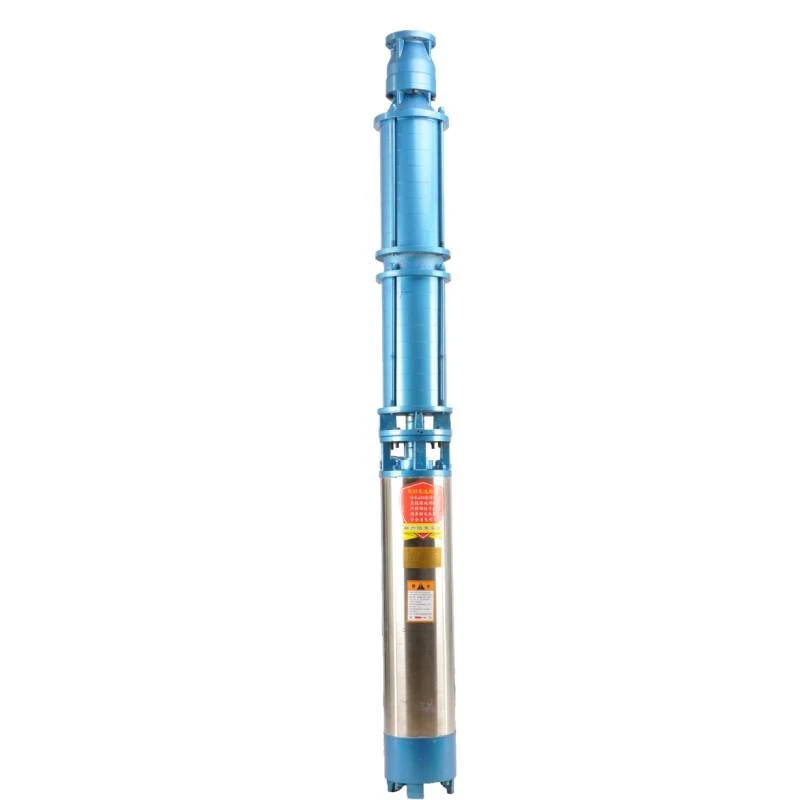 Submersible Water Pump: The Efficient 'Power Pioneer' of the Underwater WorldIn the field of hydraulic equipment, the Submersible Water Pump has become the core equipment for underwater operations and water resource transportation due to its unique design and excellent performance.Detail
 -
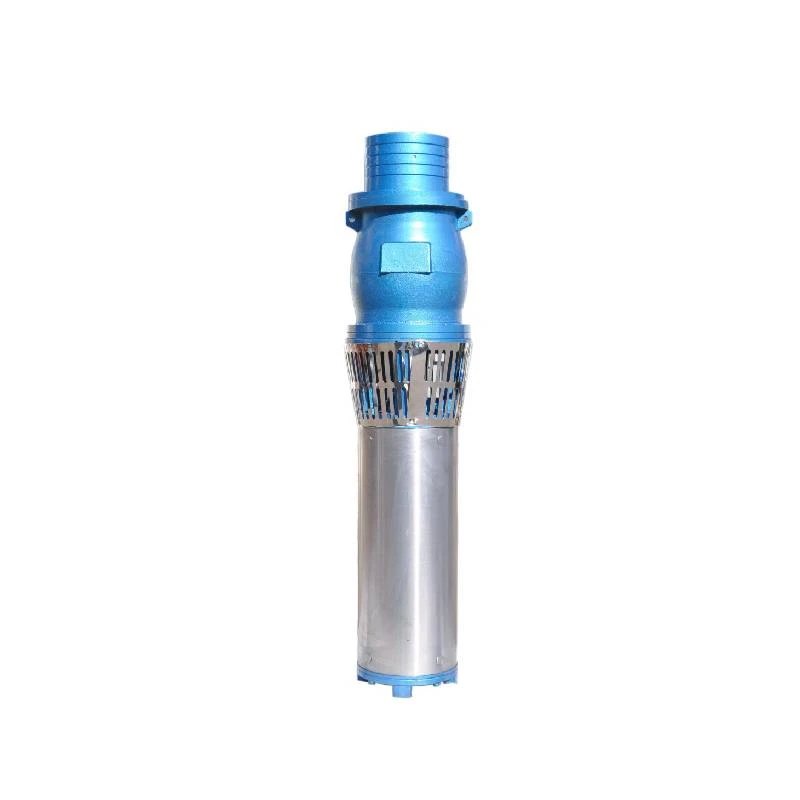 Submersible Pond Pump: The Hidden Guardian of Water Landscape EcologyIn courtyard landscapes, ecological ponds, and even small-scale water conservancy projects, there is a silent yet indispensable equipment - the Submersible Pond Pump.Detail
 -
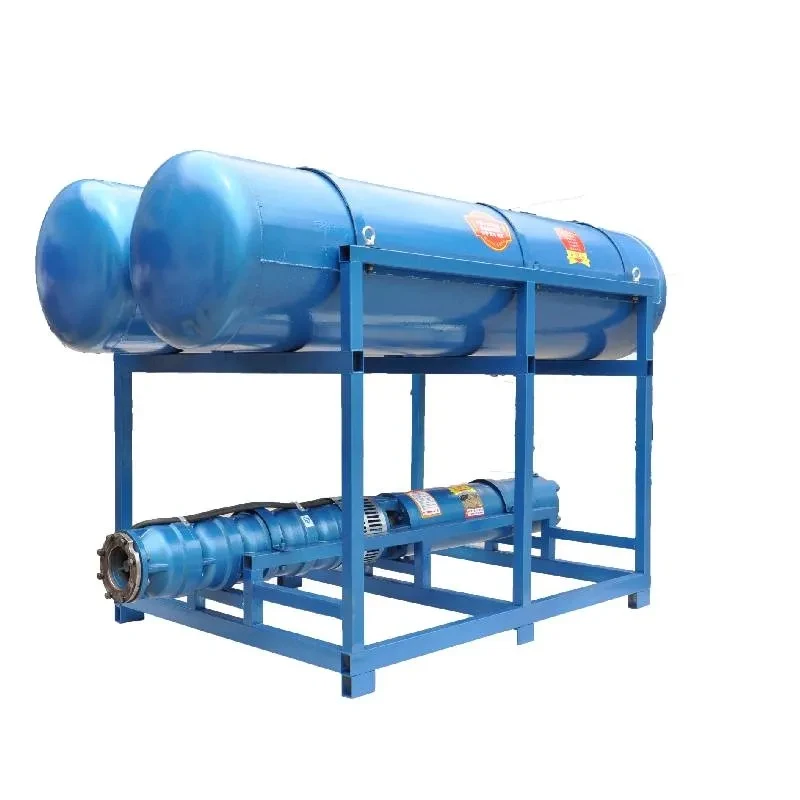 Stainless Well Pump: A Reliable and Durable Pumping Main ForceIn the field of water resource transportation, Stainless Well Pump has become the core equipment for various pumping scenarios with its excellent performance and reliable quality.Detail
 English
  Afrikaans
  Albanian
  Amharic
  Arabic
  Armenian
  Azerbaijani
  Basque
  Belarusian
  Bengali
  Bosnian
  Bulgarian
  Catalan
  Cebuano
  Corsican
  Croatian
  Czech
Czech  Danish
  Dutch
Dutch  Esperanto
  Estonian
  Finnish
  French
  Frisian
  Galician
  Georgian
  German
  Greek
Greek  Gujarati
  Haitian Creole
  Hausa
Hausa  Hawaiian
  Hebrew
  Hindi
Hindi  Miao
Miao  Hungarian
  Icelandic
  Igbo
Igbo  Indonesian
  Irish
Irish  Italian
  Japanese
  Javanese
  Kannada
  Kazakh
  Khmer
Khmer  Rwandese
  Korean
  Kurdish
  Kyrgyz
  Lao
Lao  Latin
Latin  Latvian
  Lithuanian
  Luxembourgish
  Macedonian
  Malgashi
  Malay
Malay  Malayalam
  Maltese
  Maori
Maori  Marathi
  Mongolian
  Myanmar
  Nepali
  Norwegian
  Norwegian
  Occitan
  Pashto
  Persian
  Polish
  Portuguese
  Punjabi
  Romanian
  Russian
  Samoan
  Scottish Gaelic
  Serbian
  Sesotho
  Shona
Shona  Sindhi
  Sinhala
  Slovak
  Slovenian
  Somali
  Spanish
  Sundanese
  Swahili
  Swedish
  Tagalog
  Tajik
Tajik  Tamil
Tamil  Tatar
Tatar  Telugu
  Thai
Thai  Turkish
  Turkmen
  Ukrainian
  Urdu
Urdu  Uighur
  Uzbek
Uzbek  Vietnamese
  Welsh
Welsh  Bantu
Bantu  Yiddish
  Yoruba
  Zulu
Zulu