
Dec . 10, 2024 19:37 Back to list
Understanding the Components and Functionality of Submersible Pump Systems
Understanding the Submersible Pump A Comprehensive Overview
Submersible pumps are widely used in various applications for transporting liquids, especially in situations where the pump must be submerged underwater. These pumps are designed to operate submerged in the fluid they are pumping, which is a key feature that differentiates them from other types like centrifugal or jet pumps. This article will explore the basic components, working mechanism, advantages, and applications of submersible pumps, along with a simplified diagram representation to aid understanding.
Basic Components of a Submersible Pump
A typical submersible pump comprises several core components
1. Motor The motor is a crucial part, as it generates the energy needed to drive the pump. Submersible pumps generally have a hermetically sealed motor that prevents water from entering, ensuring durability and reliability.
2. Impeller This component is responsible for moving the fluid. Submersible pumps often include multiple impellers stacked together, known as a multistage pump, which allows for increased pressure and head.
3. Pump Body This encases the motor and impeller, protecting them from the fluid being pumped. The pump body is designed to withstand high pressure and corrosive environments, often made from stainless steel or thermoplastic materials.
4. Seals Seals prevent water ingress into the motor and other critical components, protecting against potential damage.
5. Discharge Pipe This is the outlet through which the pumped water exits the pump, channeling it to its required destination.
How Submersible Pumps Work
The operation of a submersible pump is relatively straightforward. When the pump is submerged in water, the electric motor powers the impeller, which creates a centrifugal force. This force draws water into the pump through an inlet and pushes it out through the discharge pipe. The design allows the pump to perform efficiently regardless of the water level, as the entire apparatus is located within the fluid.
The depth at which the pump is submerged can also affect its performance. The greater the depth, the more pressure exerted on the water, which can enhance the pump's ability to lift fluid to the desired height.
Advantages of Submersible Pumps
Submersible pumps offer several advantages
submersible pump diagram
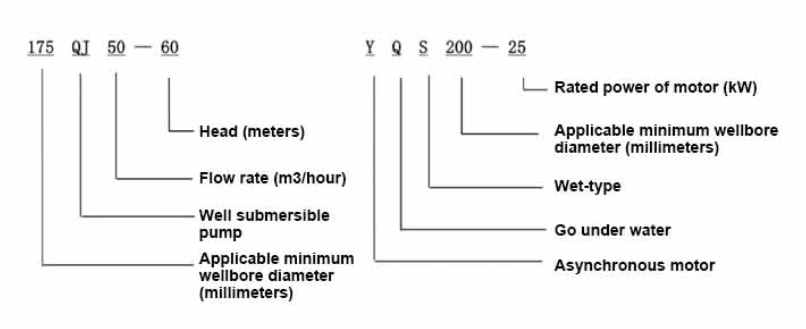
1. Efficiency They operate efficiently at various depths, making them suitable for deep wells and boreholes.
2. Self-Priming Submersible pumps do not require priming, as they are already submerged in the fluid.
3. Less Noise Being underwater reduces operational noise, making them ideal for residential and urban applications.
4. Compact Design Their vertical structure saves space, allowing for installation in tight areas.
5. Versatility These pumps can handle a variety of fluids, including dirty water, sewage, and even chemicals, depending on the design.
Applications of Submersible Pumps
Submersible pumps are used in a myriad of applications, including
- Water Supply Supplying water to homes and irrigation systems from wells or underground sources. - Sewage and Wastewater Systems Pumping sewage and handling drainage in municipal and industrial setups.
- Aquaculture Providing water circulation in fish farming.
- Flood Control Removing water from flooded basements and construction sites.
- Mining Pumping water out of mines and quarries.
Conclusion
In summary, submersible pumps are a vital part of many fluid transport systems, providing efficiency, reliability, and versatility across a wide range of applications. Understanding the functioning and components of these pumps allows users to make informed decisions when selecting a pump for their specific needs. Whether for residential, industrial, or agricultural uses, submersible pumps continue to play a crucial role in managing water resources effectively.
-
Water Pumps: Solutions for Every Need
NewsJul.30,2025
-
Submersible Well Pumps: Reliable Water Solutions
NewsJul.30,2025
-
Stainless Steel Water Pumps: Quality and Durability
NewsJul.30,2025
-
Powerful Water Pumps: Your Solution for Efficient Water Management
NewsJul.30,2025
-
Oil vs Water Filled Submersible Pumps: Which is Better?
NewsJul.30,2025
-
Deep Well Pumps: Power and Reliability
NewsJul.30,2025
-
 Water Pumps: Solutions for Every NeedWhen it comes to handling dirty water, the dirty water pump is a must-have.Detail
 -
 Submersible Well Pumps: Reliable Water SolutionsWhen it comes to ensuring a reliable water supply, submersible well pumps are a top choice.Detail
 -
 Stainless Steel Water Pumps: Quality and DurabilityWhen it comes to choosing a water pump, the stainless steel water pump price is a crucial factor.Detail