
Dec . 23, 2024 21:13 Back to list
submersible pump oil vs water filled
Submersible Pump Oil-Filled vs. Water-Filled
When it comes to submersible pumps, the decision between oil-filled and water-filled models is one that can significantly impact performance, maintenance, and longevity. Understanding the differences between these two types of pumps is essential for selecting the right equipment for your specific application.
What is a Submersible Pump?
A submersible pump is a device designed to operate while submerged in fluid, typically water. The primary function is to pump out water from wells, flooded areas, or to transfer liquids from one location to another. These pumps are hermetically sealed to prevent fluid ingress into the motor, making them ideal for underwater applications.
Oil-Filled Submersible Pumps
Oil-filled submersible pumps utilize oil within the motor casing to cool and lubricate the internal components. This type of pump relies on non-toxic oils, usually mineral-based or synthetic, which effectively dissipate heat generated during operation and prevent corrosion.
Advantages
1. Heat Dissipation The oil significantly enhances cooling efficiency. This is particularly crucial in high-load applications or for continuous operation, as it helps maintain optimal motor temperatures and minimizes thermal stress.
2. Longevity The lubrication provided by the oil reduces friction between moving parts, lessening wear and tear. As a result, these pumps tend to have a longer service life compared to their water-filled counterparts.
3. Corrosion Resistance Oil-filled pumps are less susceptible to corrosion since the oil creates a barrier against moisture and other corrosive elements. This makes them particularly suited for applications where the water may contain contaminants or abrasive particles.
4. Lower Maintenance Needs Due to better lubrication and protection from corrosion, oil-filled pumps often require less frequent maintenance, leading to reduced downtime and lower operational costs.
Disadvantages
1. Higher Initial Cost Oil-filled submersible pumps may come at a higher price point compared to water-filled options, which might deter some buyers, especially for straightforward applications.
submersible pump oil vs water filled
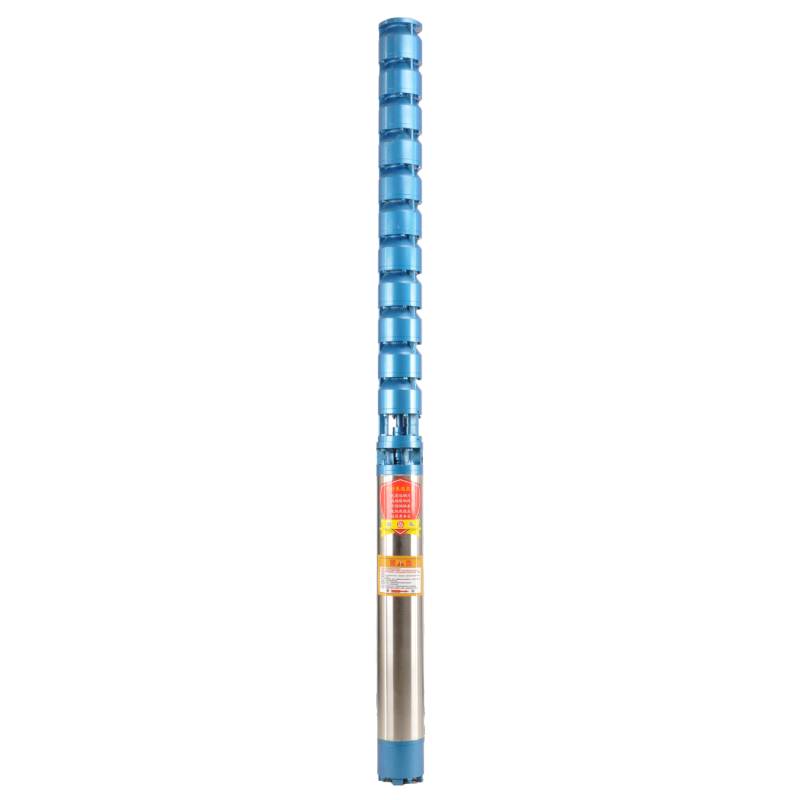
2. Environmental Concerns In the event of a leak, oil can pose serious environmental risks. Therefore, proper installation and maintenance are crucial to prevent contamination.
Water-Filled Submersible Pumps
Water-filled submersible pumps use the pumped fluid for cooling and lubrication. The water circulates around the motor and is usually drawn in through intake ports within the pump itself.
Advantages
1. Cost-Effective Generally, water-filled pumps are less expensive to purchase and maintain. They are an economical choice for less demanding tasks where high-performance attributes are not essential.
2. Environmental Safety Since these pumps do not contain any oil, there is less risk of environmental contamination due to leaks, making them a safer option for sensitive applications.
Disadvantages
1. Heat Management Water-filled pumps are typically less efficient in heat dissipation, especially in high-demand situations. Prolonged usage can lead to overheating and potential motor failure.
2. Corrosion Susceptibility While some water-filled models may have protective coatings, they are generally more susceptible to corrosion over time, particularly in harsh environments.
3. Maintenance Requirements Due to higher rates of wear and potential overheating, maintenance intervals for water-filled pumps may be more frequent, resulting in increased operational costs over time.
Conclusion
Choosing between an oil-filled and a water-filled submersible pump necessitates careful consideration of the specific application, environmental conditions, and budget constraints. Oil-filled pumps shine in demanding scenarios requiring efficient heat management and reduced upkeep, while water-filled pumps offer a budget-friendly and environmentally safer alternative for less intensive tasks. Ultimately, understanding the characteristics, advantages, and disadvantages of each type will help you make an informed decision that aligns with your operational needs. Whether you're dealing with agricultural irrigation, wastewater management, or groundwater extraction, selecting the right submersible pump can greatly enhance your system’s efficiency and reliability.
-
Understanding the Price Submersible Pump and Buyer Guide
NewsApr.16,2026
-
Factors Affecting the Price for Submersible Pump a Buyers Guide
NewsApr.09,2026
-
Choosing the Right Mini Submersible Fountain Pump for Optimal Water Feature Performance
NewsApr.07,2026
-
A Detailed Guide to Installing a Submersible Pump for Optimal Performance
NewsApr.04,2026
-
Comprehensive Guide on How to Test a Submersible Water Well Pump Effectively
NewsMar.31,2026
-
Learn How to Replace a Submersible Well Pump Safely and Effectively
NewsMar.28,2026
-
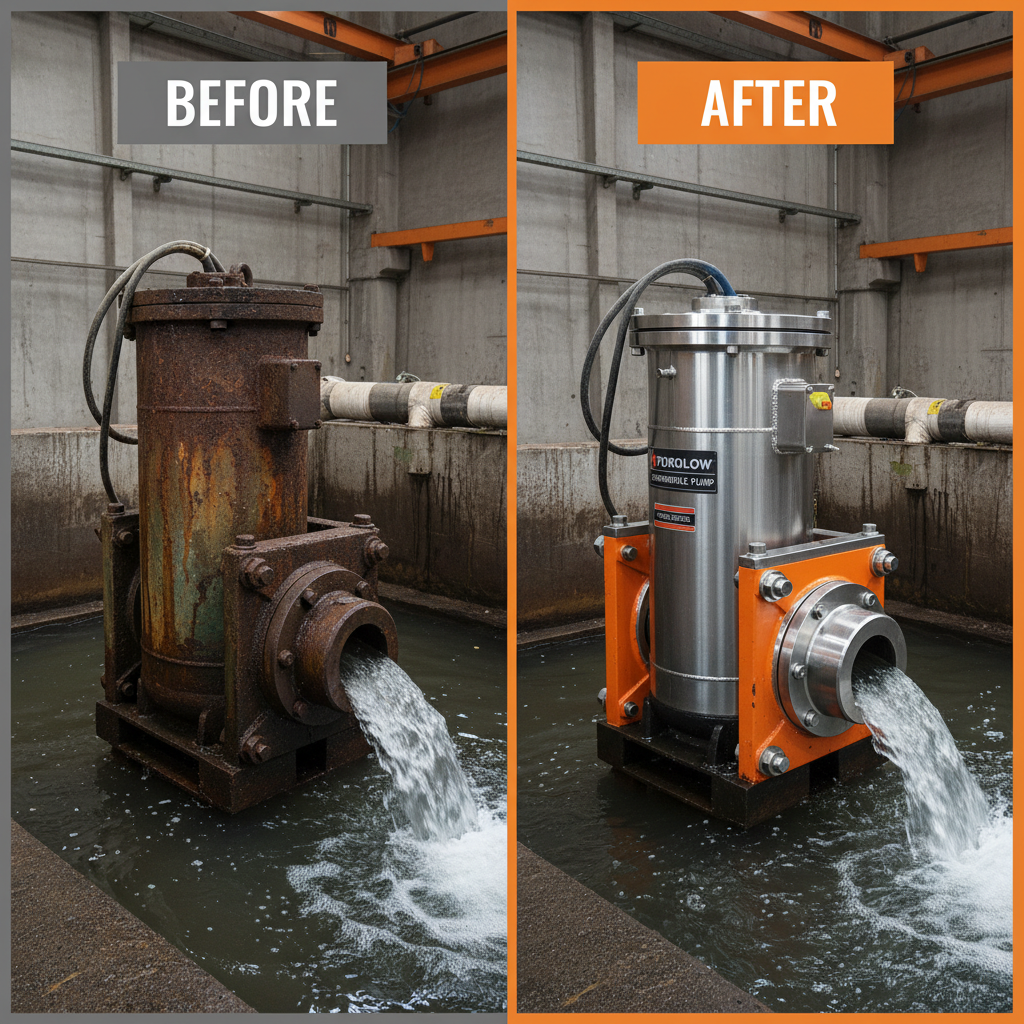 Understanding the Price Submersible Pump and Buyer GuideWhen searching for the ideal water management solution, understanding the price submersible pump options is crucial for balancing budget with performance. Whether you are dealing with a flooded basement, managing agricultural irrigation, or extracting water from a deep well, the cost of a submersible pump can vary significantly based on its build quality and capacity. Investing in a high-quality pump ensures long-term reliability and reduces the frequency of expensive replacements. In this guide, we will break down the factors that influence pricing and help you make an informed decision for your specific needs.Detail
 -
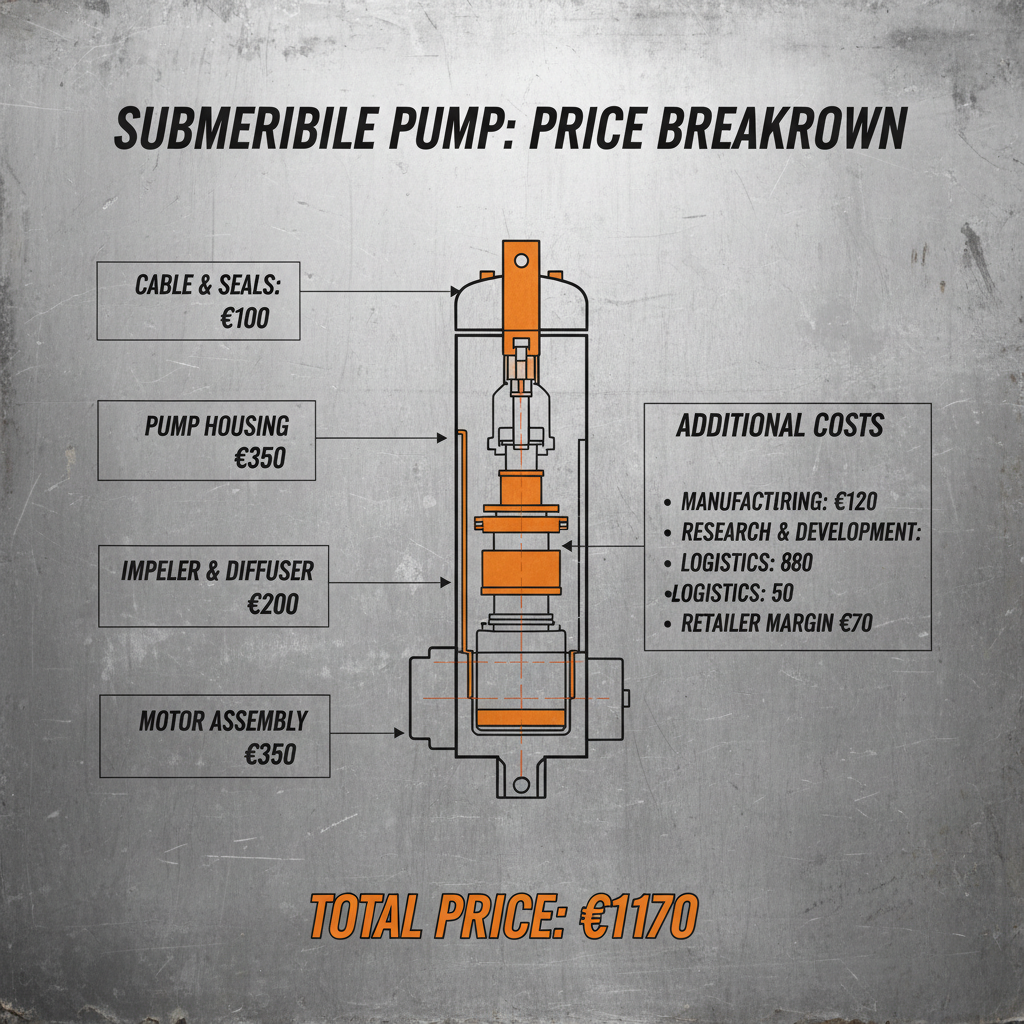 Factors Affecting the Price for Submersible Pump a Buyers GuideWhen investing in water management systems, understanding the price for submersible pump options is essential for balancing performance with budget. Whether you are managing a residential well, an industrial drainage project, or agricultural irrigation, the cost of a pump is rarely a flat fee; it is a reflection of the engineering, materials, and capacity required for your specific environment. In this guide, we will break down the factors that influence pricing and help you determine the best value for your investment to ensure long-term reliability and efficiency.Detail
 -
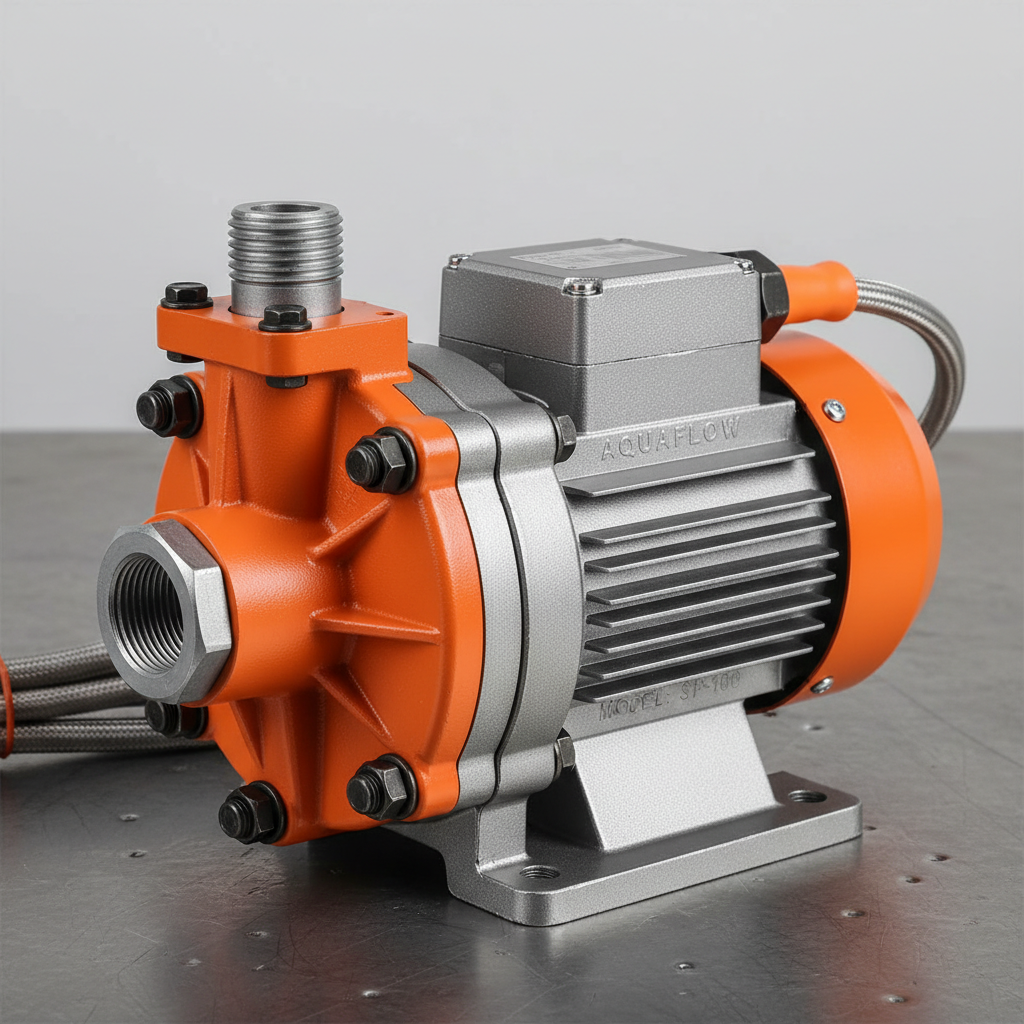 Choosing the Right Mini Submersible Fountain Pump for Optimal Water Feature PerformanceCreating a beautiful and relaxing water feature doesn't have to be complicated. A mini submersible fountain pump is the heart of any indoor or outdoor fountain, and selecting the right one is crucial for optimal performance and longevity. This article will guide you through the key considerations when choosing a mini submersible fountain pump, covering types, features, applications, and how to ensure you get the perfect pump for your project. We’ll also explore how Wellpumpact can provide you with the ideal solution.Detail
 Afrikaans
 Albanian
 Amharic
 Arabic
 Armenian
 Azerbaijani
 Basque
 Belarusian
 Bengali
 Bosnian
 Bulgarian
 Catalan
 Cebuano
 Corsican
 Croatian
 Czech
Czech
 Danish
 Dutch
Dutch
 Esperanto
 Estonian
 Finnish
 French
 Frisian
 Galician
 Georgian
 German
 Greek
Greek
 Gujarati
 Haitian Creole
 Hausa
Hausa
 Hawaiian
 Hebrew
 Hindi
Hindi
 Miao
Miao
 Hungarian
 Icelandic
 Igbo
Igbo
 Indonesian
 Irish
Irish
 Italian
 Japanese
 Javanese
 Kannada
 Kazakh
 Khmer
Khmer
 Rwandese
 Korean
 Kurdish
 Kyrgyz
 Lao
Lao
 Latin
Latin
 Latvian
 Lithuanian
 Luxembourgish
 Macedonian
 Malgashi
 Malay
Malay
 Malayalam
 Maltese
 Maori
Maori
 Marathi
 Mongolian
 Myanmar
 Nepali
 Norwegian
 Norwegian
 Occitan
 Pashto
 Persian
 Polish
 Portuguese
 Punjabi
 Romanian
 Russian
 Samoan
 Scottish Gaelic
 Serbian
 Sesotho
 Shona
Shona
 Sindhi
 Sinhala
 Slovak
 Slovenian
 Somali
 Spanish
 Sundanese
 Swahili
 Swedish
 Tagalog
 Tajik
Tajik
 Tamil
Tamil
 Tatar
Tatar
 Telugu
 Thai
Thai
 Turkish
 Turkmen
 Ukrainian
 Urdu
Urdu
 Uighur
 Uzbek
Uzbek
 Vietnamese
 Welsh
Welsh
 Bantu
Bantu
 Yiddish
 Yoruba
 Zulu
Zulu
 English