
Dec . 12, 2024 21:43 Back to list
submersible pump parts
Understanding Submersible Pump Parts An Essential Guide for Maintenance and Repair
Submersible pumps are widely used in various applications, including groundwater extraction, sewage disposal, and drainage systems. These pumps are designed to work underwater, making them highly efficient for transferring liquids from deep sources to the surface. To ensure optimal performance and longevity, it's essential to understand the various components that make up a submersible pump. In this article, we’ll take a closer look at the key parts of a submersible pump and their functions.
Motor Assembly
At the heart of every submersible pump is the motor assembly. This component is responsible for converting electrical energy into mechanical energy, enabling the pump to lift water. Submersible pumps typically feature sealed electric motors to protect against water damage. There are various types of motors used, including single-phase and three-phase motors, depending on the application's power requirements. The design of the motor is crucial, especially in terms of heat dissipation, which is often managed by the surrounding fluid.
Impeller
The impeller is one of the most critical components of a submersible pump. It is a rotating part that moves the liquid through the pump, creating a flow. Impellers can vary in design, including open, semi-open, or closed configurations, which affect the pump's efficiency and the types of liquids it can handle. The choice of impeller design is vital, especially in wastewater applications, where solid particles might be present.
Diffuser
The diffuser is located between the impeller and the discharge outlet. It plays a crucial role in converting velocity into pressure, thus allowing the pump to move liquids efficiently. The geometry of the diffuser impacts the pump's overall head and flow rate—parameters that are essential for successful operation.
Motor Shaft
The motor shaft connects the motor to the impeller. It transmits the rotational energy generated by the motor to the impeller, enabling the pump to function effectively. The motor shaft is designed to withstand high torque, and it is often made from materials that resist corrosion to ensure it remains functional over time, even in harsh environments.
submersible pump parts
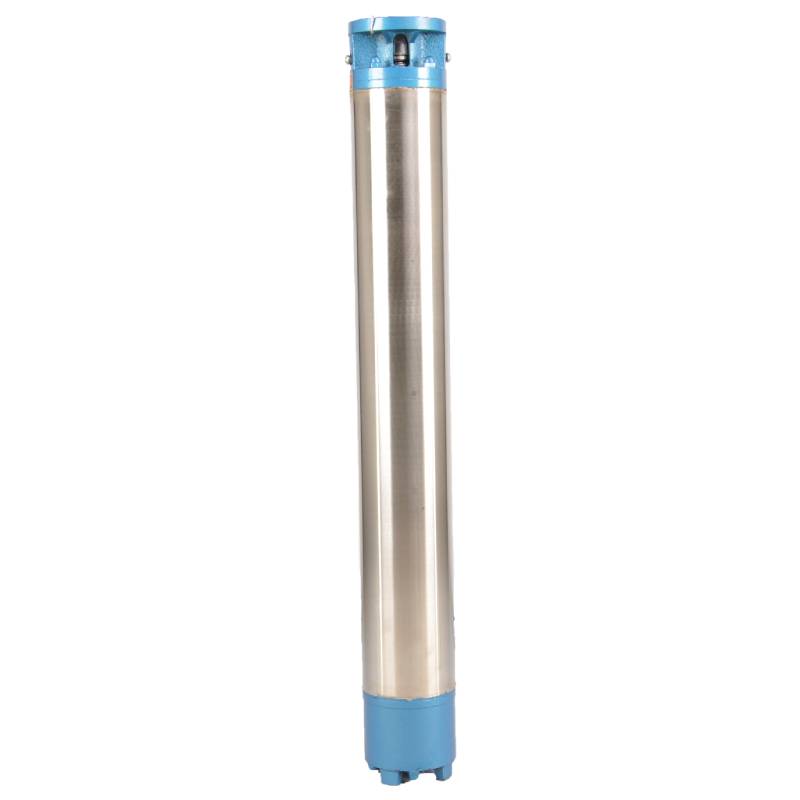
Mechanical Seal
Mechanical seals are vital for preventing water from entering the motor assembly. These seals create a barrier that maintains the integrity of the motor, ensuring that it doesn't come into contact with the liquids being pumped. With constant exposure to fluids, mechanical seals wear out over time, making regular inspection and replacement essential for preventing pump failure.
Bearing System
The bearing system supports the motor shaft and allows for smooth rotation. Proper lubrication is critical to minimize friction and wear on the bearings. Many submersible pumps come equipped with lubricated bearings designed to withstand harsh conditions, allowing the pump to operate efficiently over extended periods.
Discharge Head
The discharge head is the part of the pump that delivers the water to the surface. It is typically mounted at the top of the pump and features an outlet connection to the discharge piping. The design of the discharge head can vary according to the specific requirements of the application, ensuring proper alignment and secure attachment to the piping system.
Float Switch
In many submersible pump applications, particularly in sewage and drainage systems, float switches are employed to control the operation of the pump. These switches activate the pump based on water levels, preventing overflow or dry running conditions. Understanding how the float switch interacts with other pump components aids in effective troubleshooting and maintenance.
Summary
Understanding the parts and functions of a submersible pump is crucial for anyone involved in maintenance, repair, or operation. By familiarizing yourself with each component—from the motor assembly to the impeller and sealing systems—you'll be better equipped to ensure your pump operates efficiently. Regular maintenance and timely replacements of parts, including seals and bearings, can enhance the pump's lifespan and reduce downtime, saving both time and costs in the long run. Always consult the manufacturer's guidelines for specific maintenance schedules and part specifications to get the best results from your submersible pump.
-
Understanding the Price Submersible Pump and Buyer Guide
NewsApr.16,2026
-
Factors Affecting the Price for Submersible Pump a Buyers Guide
NewsApr.09,2026
-
Choosing the Right Mini Submersible Fountain Pump for Optimal Water Feature Performance
NewsApr.07,2026
-
A Detailed Guide to Installing a Submersible Pump for Optimal Performance
NewsApr.04,2026
-
Comprehensive Guide on How to Test a Submersible Water Well Pump Effectively
NewsMar.31,2026
-
Learn How to Replace a Submersible Well Pump Safely and Effectively
NewsMar.28,2026
-
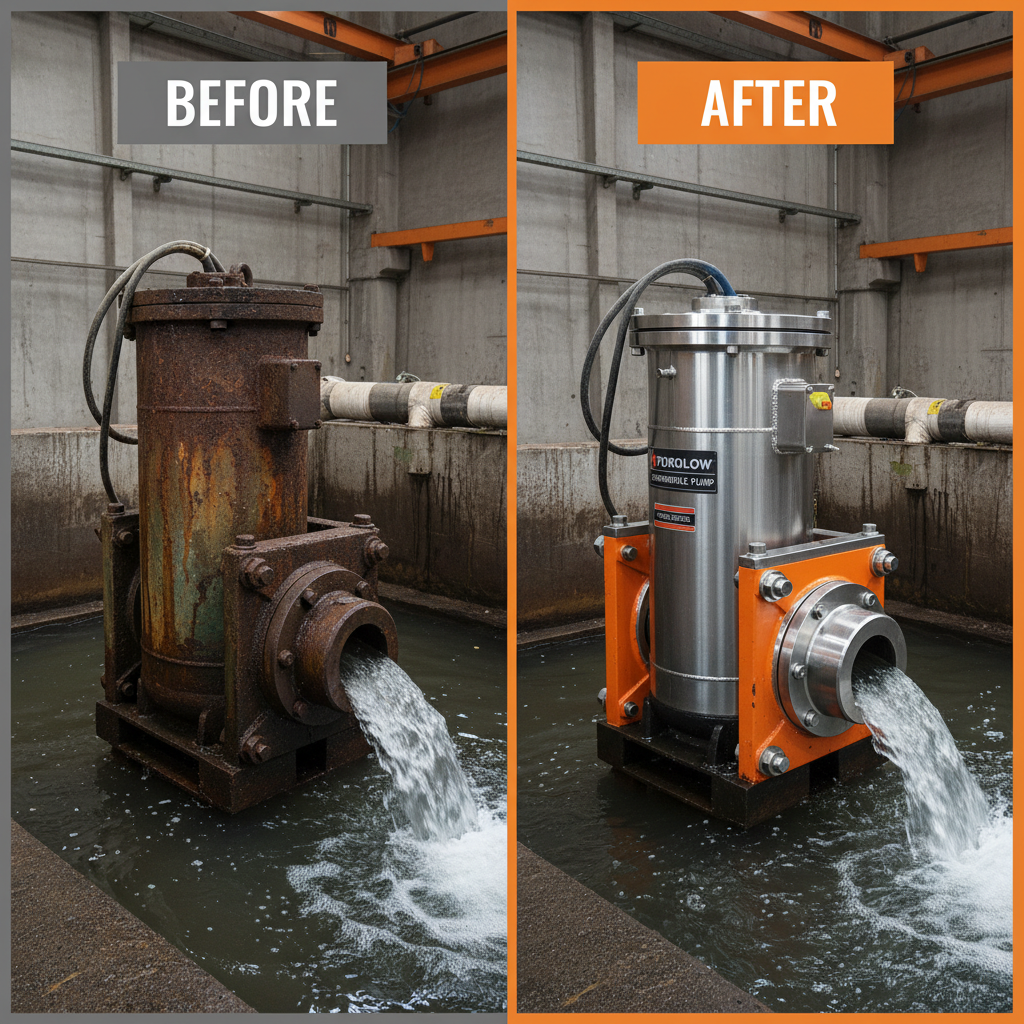 Understanding the Price Submersible Pump and Buyer GuideWhen searching for the ideal water management solution, understanding the price submersible pump options is crucial for balancing budget with performance. Whether you are dealing with a flooded basement, managing agricultural irrigation, or extracting water from a deep well, the cost of a submersible pump can vary significantly based on its build quality and capacity. Investing in a high-quality pump ensures long-term reliability and reduces the frequency of expensive replacements. In this guide, we will break down the factors that influence pricing and help you make an informed decision for your specific needs.Detail
 -
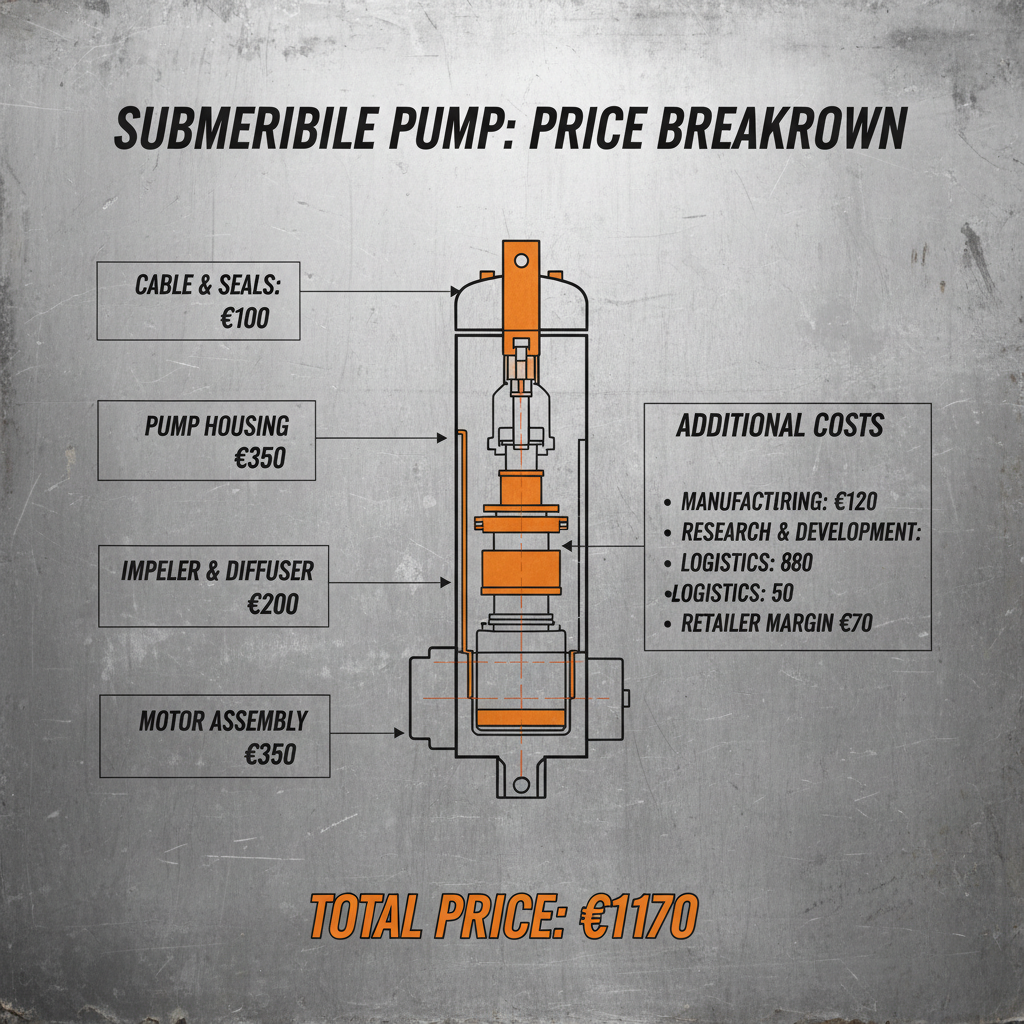 Factors Affecting the Price for Submersible Pump a Buyers GuideWhen investing in water management systems, understanding the price for submersible pump options is essential for balancing performance with budget. Whether you are managing a residential well, an industrial drainage project, or agricultural irrigation, the cost of a pump is rarely a flat fee; it is a reflection of the engineering, materials, and capacity required for your specific environment. In this guide, we will break down the factors that influence pricing and help you determine the best value for your investment to ensure long-term reliability and efficiency.Detail
 -
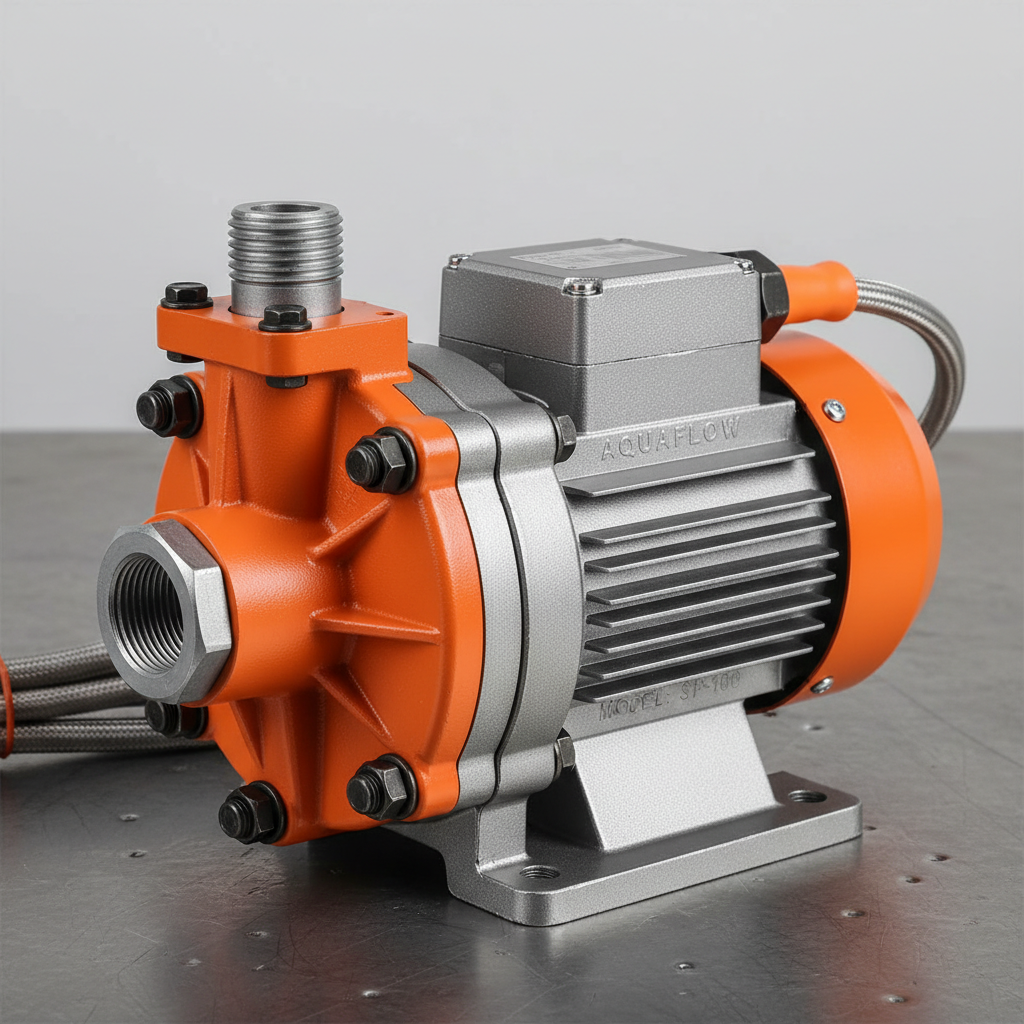 Choosing the Right Mini Submersible Fountain Pump for Optimal Water Feature PerformanceCreating a beautiful and relaxing water feature doesn't have to be complicated. A mini submersible fountain pump is the heart of any indoor or outdoor fountain, and selecting the right one is crucial for optimal performance and longevity. This article will guide you through the key considerations when choosing a mini submersible fountain pump, covering types, features, applications, and how to ensure you get the perfect pump for your project. We’ll also explore how Wellpumpact can provide you with the ideal solution.Detail
 Afrikaans
 Albanian
 Amharic
 Arabic
 Armenian
 Azerbaijani
 Basque
 Belarusian
 Bengali
 Bosnian
 Bulgarian
 Catalan
 Cebuano
 Corsican
 Croatian
 Czech
Czech
 Danish
 Dutch
Dutch
 Esperanto
 Estonian
 Finnish
 French
 Frisian
 Galician
 Georgian
 German
 Greek
Greek
 Gujarati
 Haitian Creole
 Hausa
Hausa
 Hawaiian
 Hebrew
 Hindi
Hindi
 Miao
Miao
 Hungarian
 Icelandic
 Igbo
Igbo
 Indonesian
 Irish
Irish
 Italian
 Japanese
 Javanese
 Kannada
 Kazakh
 Khmer
Khmer
 Rwandese
 Korean
 Kurdish
 Kyrgyz
 Lao
Lao
 Latin
Latin
 Latvian
 Lithuanian
 Luxembourgish
 Macedonian
 Malgashi
 Malay
Malay
 Malayalam
 Maltese
 Maori
Maori
 Marathi
 Mongolian
 Myanmar
 Nepali
 Norwegian
 Norwegian
 Occitan
 Pashto
 Persian
 Polish
 Portuguese
 Punjabi
 Romanian
 Russian
 Samoan
 Scottish Gaelic
 Serbian
 Sesotho
 Shona
Shona
 Sindhi
 Sinhala
 Slovak
 Slovenian
 Somali
 Spanish
 Sundanese
 Swahili
 Swedish
 Tagalog
 Tajik
Tajik
 Tamil
Tamil
 Tatar
Tatar
 Telugu
 Thai
Thai
 Turkish
 Turkmen
 Ukrainian
 Urdu
Urdu
 Uighur
 Uzbek
Uzbek
 Vietnamese
 Welsh
Welsh
 Bantu
Bantu
 Yiddish
 Yoruba
 Zulu
Zulu
 English