
Dec . 10, 2024 14:25 Back to list
Efficient Underwater Solar Pumps for Sustainable Water Solutions in Agriculture and Gardening
Submersible Solar Pumps Harnessing the Power of the Sun for Sustainable Water Solutions
In recent years, the need for sustainable water management solutions has become increasingly critical, particularly in areas facing water scarcity. Among the innovative technologies emerging to address this issue, submersible solar pumps stand out as a transformative solution. By integrating solar energy with advanced pumping technology, these systems offer a reliable, cost-effective, and environmentally friendly way to extract water from underground sources.
How Submersible Solar Pumps Work
Submersible solar pumps consist of a pump and a solar panel system designed to operate underwater, usually in wells, boreholes, or other deep water sources. The solar panels convert sunlight into electricity, which powers the electric submersible pump. This pump is submerged in the water source, allowing it to draw water up to the surface efficiently.
The design of these pumps ensures that they are not only energy-efficient but also highly durable. Made from corrosion-resistant materials, they can handle a variety of water conditions, ensuring long-term operation even in harsh environments. Additionally, many submersible solar pumps are equipped with smart controllers that optimize performance and efficiency, adjusting pump operation based on sunlight availability and water demand.
Advantages of Submersible Solar Pumps
1. Renewable Energy Source One of the most significant advantages of submersible solar pumps is their reliance on solar energy—a renewable and abundant resource. This reduces dependence on fossil fuels and helps mitigate environmental pollution, contributing to a greener planet.
2. Cost Savings Although the initial installation cost of solar pumps may be higher than traditional electric pumps, the long-term savings are substantial. Once installed, solar pumps incur minimal operational costs. Users no longer face rising electricity bills, and the maintenance costs are generally lower due to fewer moving parts and the robust design of the pumps.
3. Remote Accessibility Submersible solar pumps are particularly valuable in remote or off-grid areas where traditional power infrastructure is lacking. Farmers, communities, and businesses in such locations can benefit from immediate access to clean water without the need for an expensive grid connection.
submersible solar pump

4. Environmental Benefits As climate change continues to threaten global water resources, submersible solar pumps offer a sustainable solution that helps preserve groundwater levels. By promoting efficient water extraction and usage, these pumps support agricultural practices and drinking water supply without depleting natural resources.
5. Low Maintenance With fewer mechanical components than traditional pumps, submersible solar pumps require less maintenance. This is particularly advantageous for users in isolated regions who may not have easy access to repair services. Regular checks and basic upkeep can ensure the longevity of these systems.
Applications of Submersible Solar Pumps
Submersible solar pumps are versatile and can be deployed across various sectors. In agriculture, they support irrigation for crops, increasing yields without stressing local water supplies. In rural communities, they can provide clean drinking water, ensuring health and safety for residents. Additionally, these pumps find applications in livestock watering, aquaculture, and even in industrial processes requiring water.
Challenges and Future Prospects
Despite their many advantages, submersible solar pumps are not without challenges. Initial costs, although decreasing, can still be prohibitive for some users. Furthermore, their performance is directly tied to sunlight availability, making them less effective in cloudy or rainy regions. Nonetheless, advancements in solar technology and battery storage solutions are continuously improving the efficiency and accessibility of these systems.
Looking ahead, the future for submersible solar pumps appears promising. With growing awareness of sustainable practices and increasing investments in renewable energy technologies, these pumps are likely to see wider adoption. As governments and organizations focus on achieving water security amidst climate change challenges, submersible solar pumps will play a pivotal role in delivering sustainable water solutions worldwide.
In conclusion, submersible solar pumps represent a significant advancement in water management technology. By harnessing the power of the sun, these systems provide an effective, environmentally friendly way to meet the water needs of communities, farmers, and industries, paving the way toward a more sustainable future.
-
Water Pumps: Solutions for Every Need
NewsJul.30,2025
-
Submersible Well Pumps: Reliable Water Solutions
NewsJul.30,2025
-
Stainless Steel Water Pumps: Quality and Durability
NewsJul.30,2025
-
Powerful Water Pumps: Your Solution for Efficient Water Management
NewsJul.30,2025
-
Oil vs Water Filled Submersible Pumps: Which is Better?
NewsJul.30,2025
-
Deep Well Pumps: Power and Reliability
NewsJul.30,2025
-
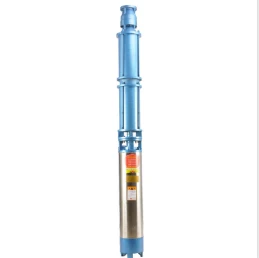 Water Pumps: Solutions for Every NeedWhen it comes to handling dirty water, the dirty water pump is a must-have.Detail
 -
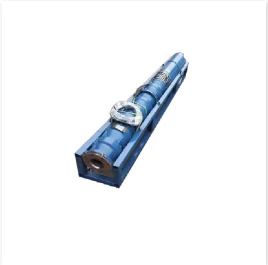 Submersible Well Pumps: Reliable Water SolutionsWhen it comes to ensuring a reliable water supply, submersible well pumps are a top choice.Detail
 -
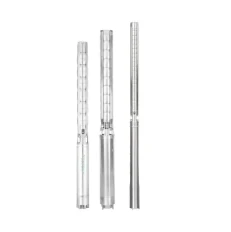 Stainless Steel Water Pumps: Quality and DurabilityWhen it comes to choosing a water pump, the stainless steel water pump price is a crucial factor.Detail
 English
  Afrikaans
  Albanian
  Amharic
  Arabic
  Armenian
  Azerbaijani
  Basque
  Belarusian
  Bengali
  Bosnian
  Bulgarian
  Catalan
  Cebuano
  Corsican
  Croatian
  Czech
Czech  Danish
  Dutch
Dutch  Esperanto
  Estonian
  Finnish
  French
  Frisian
  Galician
  Georgian
  German
  Greek
Greek  Gujarati
  Haitian Creole
  Hausa
Hausa  Hawaiian
  Hebrew
  Hindi
Hindi  Miao
Miao  Hungarian
  Icelandic
  Igbo
Igbo  Indonesian
  Irish
Irish  Italian
  Japanese
  Javanese
  Kannada
  Kazakh
  Khmer
Khmer  Rwandese
  Korean
  Kurdish
  Kyrgyz
  Lao
Lao  Latin
Latin  Latvian
  Lithuanian
  Luxembourgish
  Macedonian
  Malgashi
  Malay
Malay  Malayalam
  Maltese
  Maori
Maori  Marathi
  Mongolian
  Myanmar
  Nepali
  Norwegian
  Norwegian
  Occitan
  Pashto
  Persian
  Polish
  Portuguese
  Punjabi
  Romanian
  Russian
  Samoan
  Scottish Gaelic
  Serbian
  Sesotho
  Shona
Shona  Sindhi
  Sinhala
  Slovak
  Slovenian
  Somali
  Spanish
  Sundanese
  Swahili
  Swedish
  Tagalog
  Tajik
Tajik  Tamil
Tamil  Tatar
Tatar  Telugu
  Thai
Thai  Turkish
  Turkmen
  Ukrainian
  Urdu
Urdu  Uighur
  Uzbek
Uzbek  Vietnamese
  Welsh
Welsh  Bantu
Bantu  Yiddish
  Yoruba
  Zulu
Zulu