
Dec . 13, 2024 03:10 Back to list
submersible well water pumps
Submersible Well Water Pumps An Essential Solution for Efficient Water Extraction
Submersible well water pumps have become an indispensable tool for various applications, including agricultural irrigation, residential water supply, and industrial processes. This article delves into the functionality, advantages, key features, and maintenance of submersible well water pumps, underlining their importance in our daily lives.
Understanding Submersible Well Water Pumps
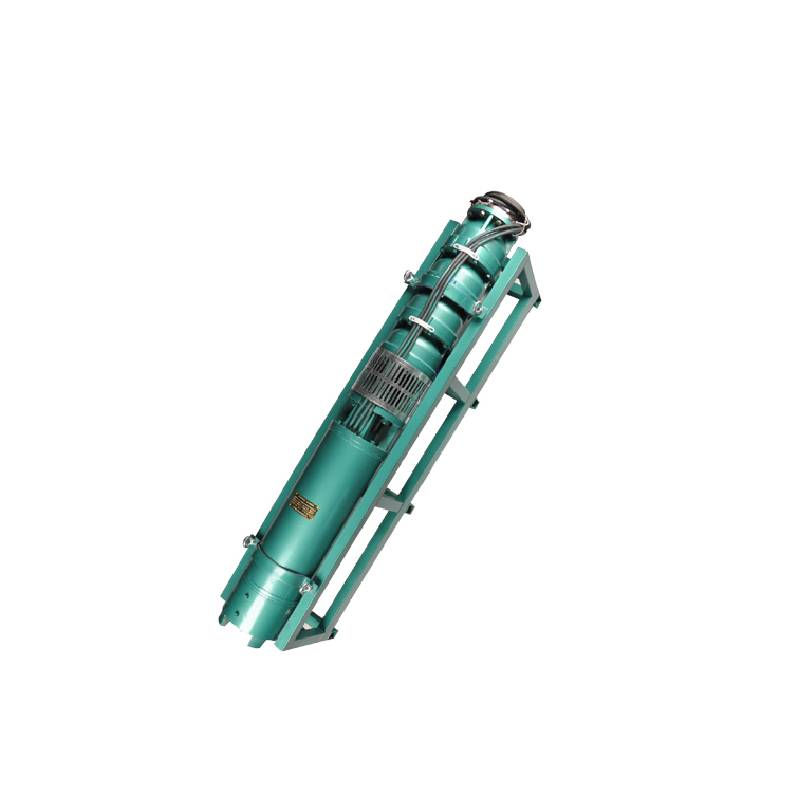
A submersible well water pump is designed to operate underwater. Unlike traditional pumps, which draw water from the surface, submersible pumps are submerged in the water source, typically a well or a borehole. These pumps utilize a sealed motor that is connected to a series of impellers, which push the water to the surface through a discharge pipe. Their unique design allows them to handle deep well applications efficiently, making them especially suitable for areas with limited access to surface water.
Advantages of Submersible Well Water Pumps
1. High Efficiency Submersible well water pumps are more efficient than conventional pumps. By operating underwater, they do not suffer from the loss of suction, which is common in surface pumps. As a result, they can lift water from greater depths with minimal energy consumption.
2. Space-Saving Design These pumps are compact and can be installed in narrow boreholes, making them ideal for locations where space is limited. Their design also allows for easy concealment, preserving the aesthetics of the surrounding environment.
3. Reliability and Durability Submersible pumps are built to withstand harsh conditions, including high water pressure and corrosive environments. They are typically constructed with durable materials, such as stainless steel or polyethylene, providing a long lifespan with minimal maintenance.
4. Continuous Operation As they can run continuously without overheating, submersible pumps are suited for applications requiring sustained water delivery. This makes them particularly valuable in agricultural settings, where consistent irrigation is vital for crop health.
5. Lower Noise Levels Since submersible pumps are submerged in water, they operate much quieter than surface pumps, reducing noise pollution and creating a more pleasant environment for users.
Key Features to Consider
When selecting a submersible well water pump, several features should be taken into account
- Power Rating The horsepower (HP) rating determines the pump's capability to move water
. For deep wells or high-demand applications, a higher HP rating will be required.submersible well water pumps
- Flow Rate Measured in gallons per minute (GPM), the flow rate indicates the volume of water the pump can deliver. It is essential to choose a pump that meets the specific water needs of your home or agricultural site.
- Depth Rating Each pump is designed to operate at a certain depth. It’s crucial to select a pump capable of handling the depth of your well.
- Material Composition For longevity, check if the pump is made of corrosion-resistant materials. This is especially important in areas with abrasive water or chemical exposure.
- Motor Type Opting for a pump with a reliable motor is critical. Motors can be either submersible or pedestal-mounted, each with its advantages depending on the installation scenario.
Maintenance Tips
To ensure the longevity and performance of submersible well water pumps, users should follow some maintenance practices
1. Regular Inspection Periodic checks can help identify leaks, corrosion, or wear on components, allowing for timely repairs.
2. Cleaning Sediment build-up can impede performance; therefore, clean the water source and pump regularly.
3. Electrical Checks Inspect the electrical connections and wiring to prevent any faults that may lead to malfunctions.
4. Professional Servicing Engage professionals for any complex issues or routine servicing to ensure optimal performance.
Conclusion
Submersible well water pumps play a crucial role in facilitating water extraction for various purposes. Their efficiency, durability, and ability to operate in challenging conditions make them a preferred choice for many households and industries. By understanding their features and adhering to maintenance best practices, users can ensure these pumps provide reliable water supply for years to come. As we continue to navigate water challenges globally, the significance of effective water management solutions like submersible well water pumps cannot be overstated.
-
What Is the Best Submersible Well Pump for a 135QJP Installation?
NewsNov.02,2026
-
What Is the Best Deep Well Submersible Pump? Integration, Spare Parts & Maintenance FAQ
NewsOct.28,2026
-
Choosing a 125QJB Deep Well Submersible Pump: Working Requirements and Integration Fit
NewsOct.22,2026
-
Efficient High Performance 1.5 hp deep well water pump Guide
NewsJul.01,2026
-
Choosing the Best 1 hp Vertical Deep Well Pump for Water Supply
NewsJun.29,2026
-
Best 1 hp deep well submersible pump for Water Supply
NewsJun.27,2026
-
 What Is the Best Submersible Well Pump for a 135QJP Installation?Find out what is the best submersible well pump for a 135QJP installation by checking power, water quality, immersion depth, vertical positioning, cable selection, and startup requirements.Detail
-
 What Is the Best Deep Well Submersible Pump? Integration, Spare Parts & Maintenance FAQNot sure what is the best deep well submersible pump for your project? This FAQ covers integration requirements, water-quality limits, wearing parts and maintenance schedules for the QJB and 200QJ series from Hebei Aochite Water Supply and Drainage Equipment Technology Co., Ltd.Detail
-
 Choosing a 125QJB Deep Well Submersible Pump: Working Requirements and Integration FitCheck whether the 125QJB Deep Well Submersible Pump fits your well: 125 mm well diameter, 5–15 m³/h models, 380 V/50 Hz supply, water quality limits and installation rules.Detail
 Afrikaans
 Albanian
 Amharic
 Arabic
 Armenian
 Azerbaijani
 Basque
 Belarusian
 Bengali
 Bosnian
 Bulgarian
 Catalan
 Cebuano
 Corsican
 Croatian
 Czech
 Danish
 Dutch
 Esperanto
 Estonian
 Finnish
 French
 Frisian
 Galician
 Georgian
 German
 Greek
 Gujarati
 Haitian Creole
 Hausa
 Hawaiian
 Hebrew
 Hindi
 Miao
 Hungarian
 Icelandic
 Igbo
 Indonesian
 Irish
 Italian
 Japanese
 Javanese
 Kannada
 Kazakh
 Khmer
 Rwandese
 Korean
 Kurdish
 Kyrgyz
 Lao
 Latin
 Latvian
 Lithuanian
 Luxembourgish
 Macedonian
 Malgashi
 Malay
 Malayalam
 Maltese
 Maori
 Marathi
 Mongolian
 Myanmar
 Nepali
 Norwegian
 Norwegian
 Occitan
 Pashto
 Persian
 Polish
 Portuguese
 Punjabi
 Romanian
 Russian
 Samoan
 Scottish Gaelic
 Serbian
 Sesotho
 Shona
 Sindhi
 Sinhala
 Slovak
 Slovenian
 Somali
 Spanish
 Sundanese
 Swahili
 Swedish
 Tagalog
 Tajik
 Tamil
 Tatar
 Telugu
 Thai
 Turkish
 Turkmen
 Ukrainian
 Urdu
 Uighur
 Uzbek
 Vietnamese
 Welsh
 Bantu
 Yiddish
 Yoruba
 Zulu
 English