
Dec . 16, 2024 02:21 Back to list
Efficient Solutions for Underground Well Pump Systems and Their Applications
Understanding Underground Well Pumps A Comprehensive Guide
Underground well pumps play a crucial role in ensuring access to groundwater, particularly in rural and isolated areas where municipal water supply is unavailable. These pumps are designed to extract water from beneath the earth's surface, providing a reliable source of water for domestic, agricultural, and industrial use. This article will delve into the workings, types, benefits, and maintenance considerations of underground well pumps.
How Underground Well Pumps Work
At the heart of an underground well pump's operation is its ability to draw water from deep within the ground. This process begins with the well itself, which is typically a deep, narrow hole drilled into the earth to reach the water table. The well pump, usually submerged, is installed at a depth where it can efficiently lift water.
The most common type of underground well pump is the submersible pump. This pump operates by using an electric motor to drive impellers, which move water up through a discharge pipe to the surface. As the pump runs, it creates a vacuum that allows groundwater to flow into the pump from the surrounding aquifer. The combined action of the impellers helps push the water to the surface, where it can be stored or distributed as needed.
Types of Underground Well Pumps
There are various types of underground well pumps, each suited to different applications and depths.
1. Submersible Pumps These are the most widely used type for deep wells. They are designed to operate underwater and can effectively handle large volumes of water, making them ideal for domestic and agricultural applications.
2. Jet Pumps Jet pumps are typically used for shallower wells (up to 25 feet deep). They operate by using a jet of water to create a vacuum that pulls additional water into the system. While less efficient than submersible pumps for deeper applications, they are easier to install and maintain.
3. Centrifugal Pumps Used for both shallow and deep wells, centrifugal pumps rely on a rotating mechanism to move water. They can be very efficient but may require significant power to operate effectively.
4. Hand Pumps In areas where electricity is not available, hand-operated pumps offer a manual alternative. They are often used in remote locations and can effectively draw water from shallow wells.
Benefits of Underground Well Pumps
The advantages of underground well pumps are manifold
underground well pump
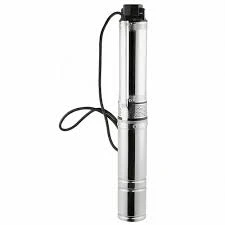
- Reliable Water Source They provide a consistent supply of water, even in times of drought, as they tap into underground aquifers.
- Cost-Effectiveness Over time, having a well can significantly reduce water costs compared to municipal supplies, especially for larger properties or agricultural use.
- Environmental Impact Properly managed underground wells can minimize the ecological footprint associated with water usage.
- Independence Having a personal water source offers greater autonomy, particularly important in rural areas with unreliable municipal water supply.
Maintenance Considerations
To ensure the longevity and efficiency of underground well pumps, regular maintenance is essential. Some key maintenance tasks include
- Regular Inspections Check for any signs of wear or damage, including the electrical components and the pump itself.
- Water Testing Periodic testing of the water supply for contaminants is crucial for ensuring its safety and drinkability.
- Pump Cleaning Over time, sediment may accumulate, which can affect performance. Cleaning the pump and the well casing can help improve water flow.
- Professional Servicing Engaging a qualified technician for more in-depth maintenance or repairs can prevent small issues from developing into major problems.
Conclusion
Underground well pumps serve as vital instruments for accessing groundwater, offering numerous benefits for various applications. By understanding their operation, types, and maintenance needs, users can ensure they have a reliable and sustainable source of water. Whether for domestic use or agricultural purposes, investing in a quality underground well pump can provide peace of mind and increased independence in water usage.
-
Understanding the Price Submersible Pump and Buyer Guide
NewsApr.16,2026
-
Factors Affecting the Price for Submersible Pump a Buyers Guide
NewsApr.09,2026
-
Choosing the Right Mini Submersible Fountain Pump for Optimal Water Feature Performance
NewsApr.07,2026
-
A Detailed Guide to Installing a Submersible Pump for Optimal Performance
NewsApr.04,2026
-
Comprehensive Guide on How to Test a Submersible Water Well Pump Effectively
NewsMar.31,2026
-
Learn How to Replace a Submersible Well Pump Safely and Effectively
NewsMar.28,2026
-
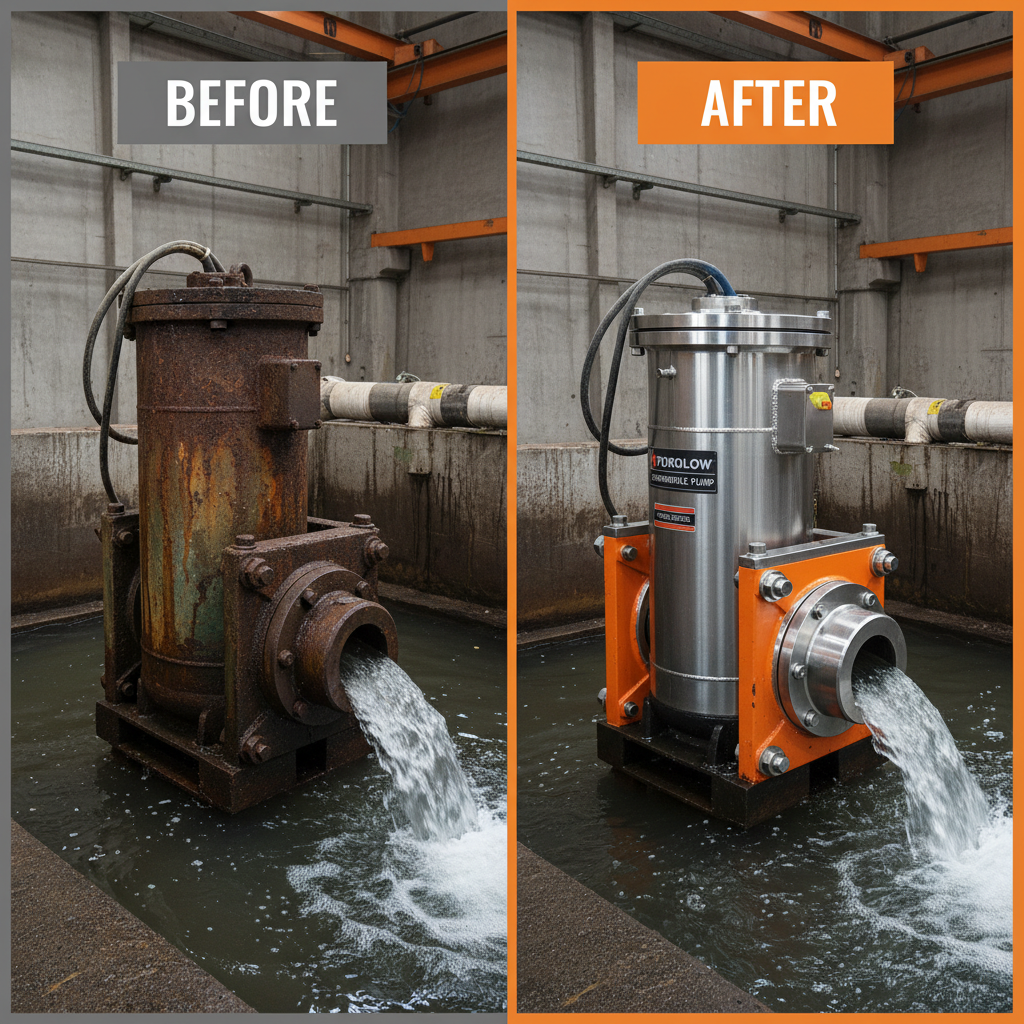 Understanding the Price Submersible Pump and Buyer GuideWhen searching for the ideal water management solution, understanding the price submersible pump options is crucial for balancing budget with performance. Whether you are dealing with a flooded basement, managing agricultural irrigation, or extracting water from a deep well, the cost of a submersible pump can vary significantly based on its build quality and capacity. Investing in a high-quality pump ensures long-term reliability and reduces the frequency of expensive replacements. In this guide, we will break down the factors that influence pricing and help you make an informed decision for your specific needs.Detail
 -
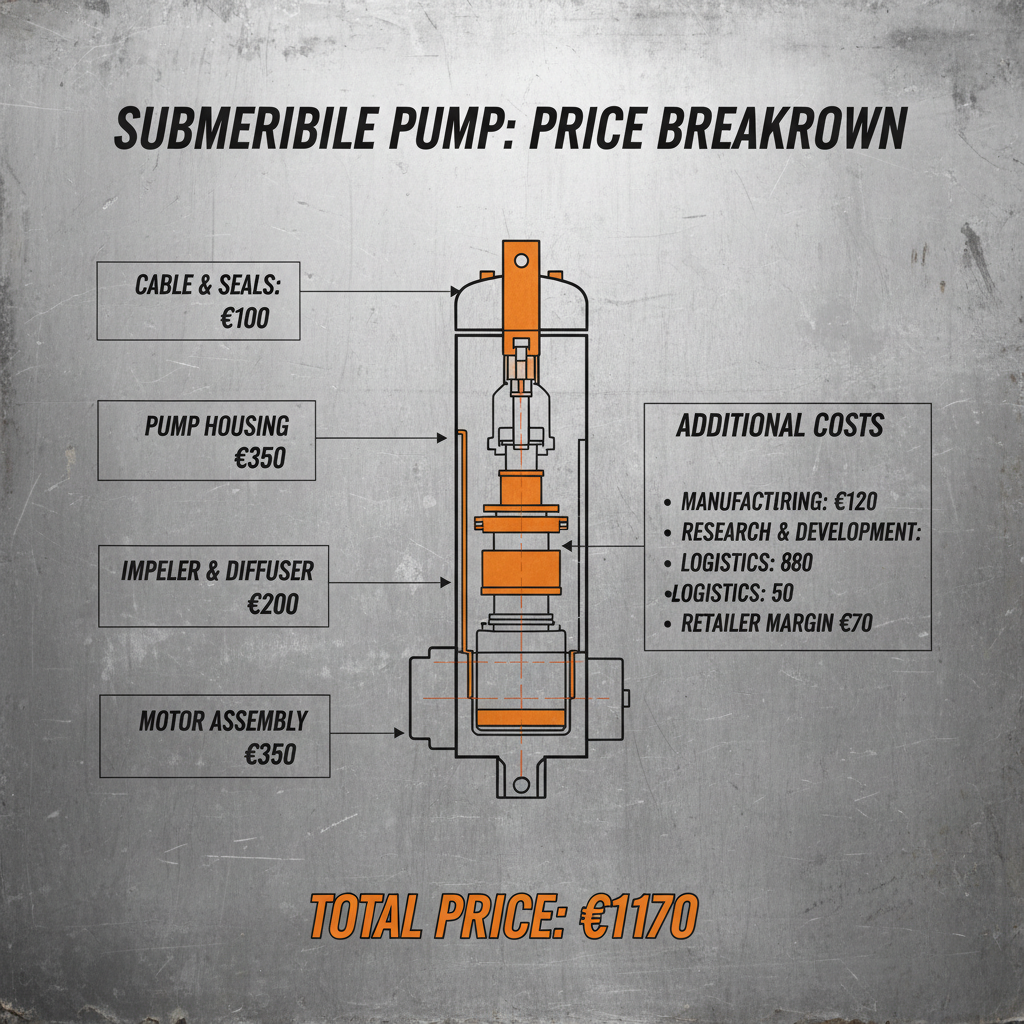 Factors Affecting the Price for Submersible Pump a Buyers GuideWhen investing in water management systems, understanding the price for submersible pump options is essential for balancing performance with budget. Whether you are managing a residential well, an industrial drainage project, or agricultural irrigation, the cost of a pump is rarely a flat fee; it is a reflection of the engineering, materials, and capacity required for your specific environment. In this guide, we will break down the factors that influence pricing and help you determine the best value for your investment to ensure long-term reliability and efficiency.Detail
 -
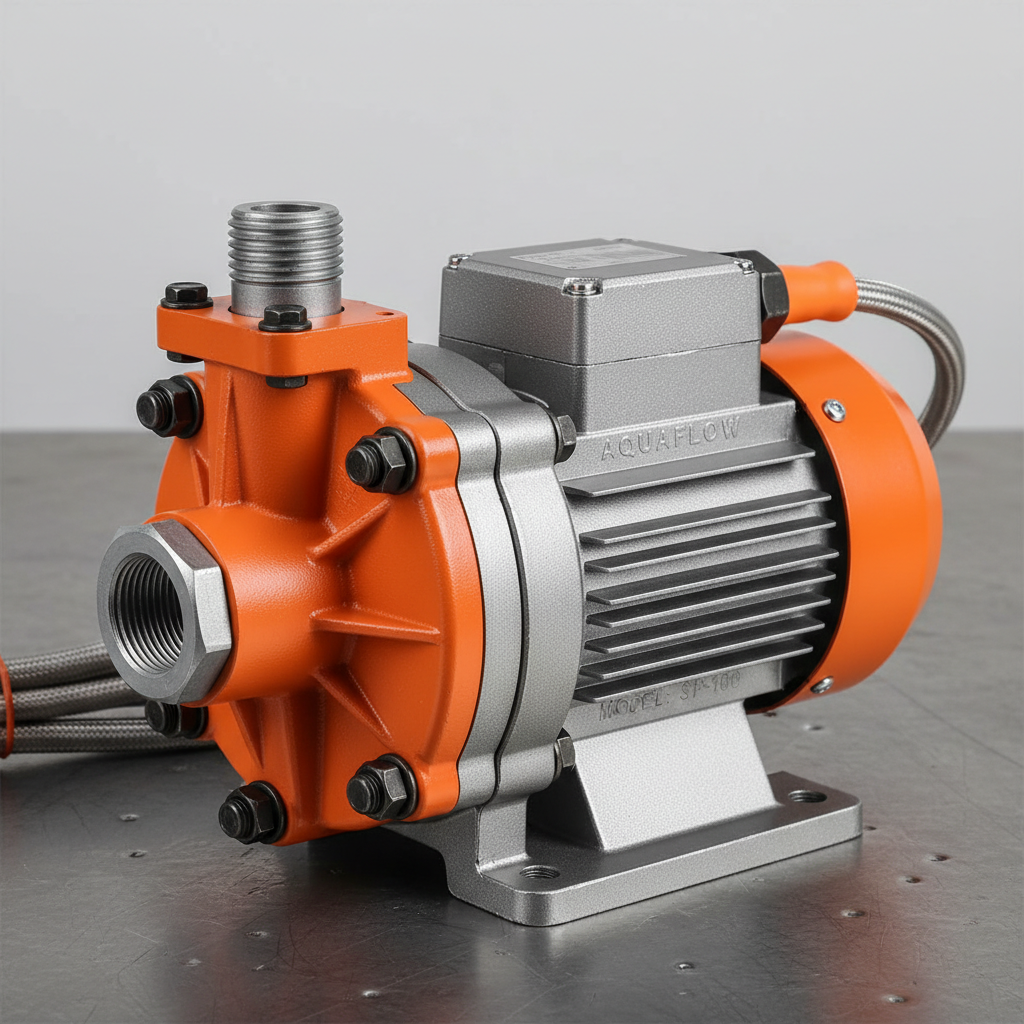 Choosing the Right Mini Submersible Fountain Pump for Optimal Water Feature PerformanceCreating a beautiful and relaxing water feature doesn't have to be complicated. A mini submersible fountain pump is the heart of any indoor or outdoor fountain, and selecting the right one is crucial for optimal performance and longevity. This article will guide you through the key considerations when choosing a mini submersible fountain pump, covering types, features, applications, and how to ensure you get the perfect pump for your project. We’ll also explore how Wellpumpact can provide you with the ideal solution.Detail
 Afrikaans
 Albanian
 Amharic
 Arabic
 Armenian
 Azerbaijani
 Basque
 Belarusian
 Bengali
 Bosnian
 Bulgarian
 Catalan
 Cebuano
 Corsican
 Croatian
 Czech
Czech
 Danish
 Dutch
Dutch
 Esperanto
 Estonian
 Finnish
 French
 Frisian
 Galician
 Georgian
 German
 Greek
Greek
 Gujarati
 Haitian Creole
 Hausa
Hausa
 Hawaiian
 Hebrew
 Hindi
Hindi
 Miao
Miao
 Hungarian
 Icelandic
 Igbo
Igbo
 Indonesian
 Irish
Irish
 Italian
 Japanese
 Javanese
 Kannada
 Kazakh
 Khmer
Khmer
 Rwandese
 Korean
 Kurdish
 Kyrgyz
 Lao
Lao
 Latin
Latin
 Latvian
 Lithuanian
 Luxembourgish
 Macedonian
 Malgashi
 Malay
Malay
 Malayalam
 Maltese
 Maori
Maori
 Marathi
 Mongolian
 Myanmar
 Nepali
 Norwegian
 Norwegian
 Occitan
 Pashto
 Persian
 Polish
 Portuguese
 Punjabi
 Romanian
 Russian
 Samoan
 Scottish Gaelic
 Serbian
 Sesotho
 Shona
Shona
 Sindhi
 Sinhala
 Slovak
 Slovenian
 Somali
 Spanish
 Sundanese
 Swahili
 Swedish
 Tagalog
 Tajik
Tajik
 Tamil
Tamil
 Tatar
Tatar
 Telugu
 Thai
Thai
 Turkish
 Turkmen
 Ukrainian
 Urdu
Urdu
 Uighur
 Uzbek
Uzbek
 Vietnamese
 Welsh
Welsh
 Bantu
Bantu
 Yiddish
 Yoruba
 Zulu
Zulu
 English