
Mar . 11, 2026 02:05 Back to list
Understanding Dry Run Submersible Pumps for Efficient Fluid Transfer
Understanding Dry Run Submersible Pumps
When selecting a submersible pump for dewatering, irrigation, or other fluid transfer applications, understanding the concept of "dry run" protection is crucial. A dry run submersible pump is designed to operate safely, for a limited time, without being fully submerged in liquid. This capability is invaluable in situations where pump start-up precedes water availability, or where fluctuating water levels might expose the pump. At WellPumpAct, we specialize in providing durable and reliable submersible pumps engineered for diverse applications. Choosing a pump with dry run capabilities can significantly extend its lifespan and reduce maintenance costs.

What is a Dry Run Submersible Pump?
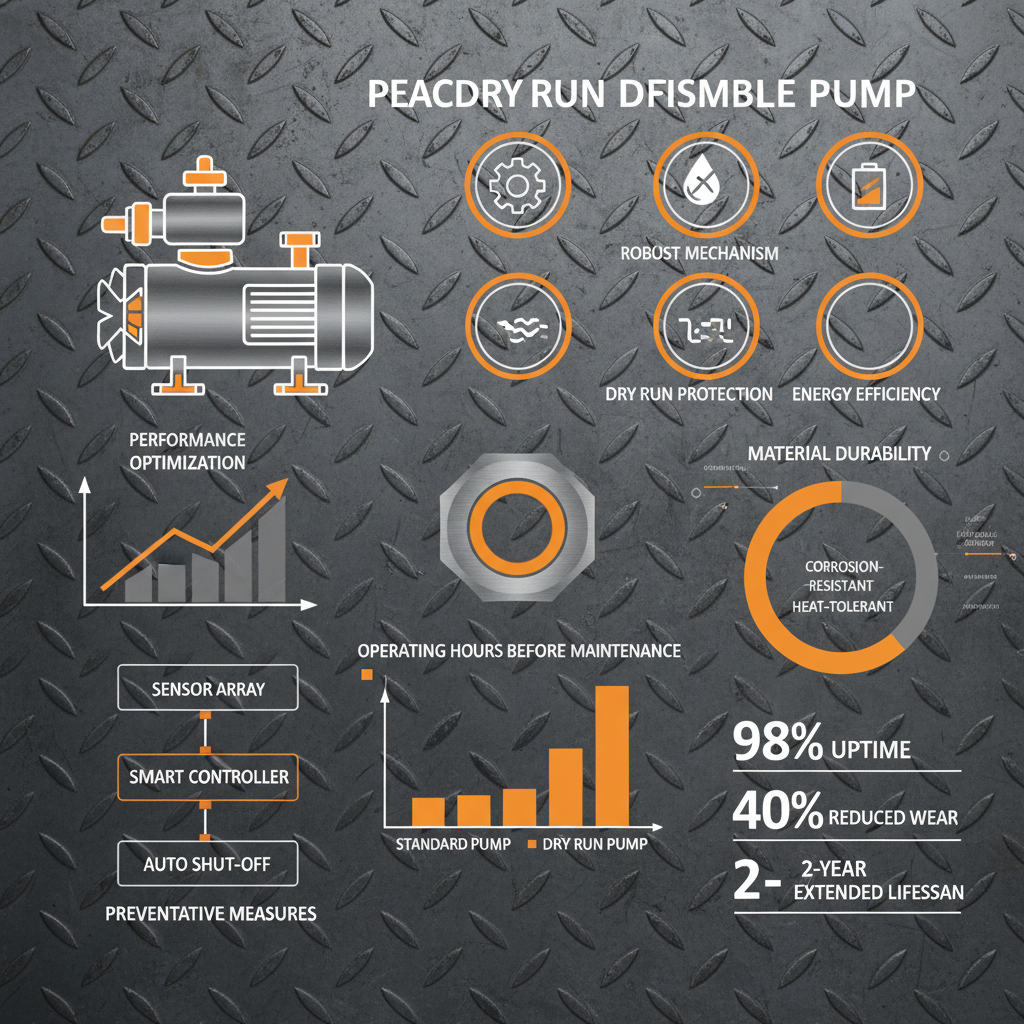
A traditional submersible pump relies on the surrounding water for lubrication and cooling. Running it "dry" – that is, without sufficient liquid coverage – can lead to overheating, accelerated wear of internal components (particularly the impeller and seals), and ultimately, pump failure. A dry run submersible pump, however, is specifically engineered with features to mitigate these risks. These features typically include enhanced motor cooling systems, robust seal designs, and in some cases, automatic shut-off mechanisms that activate when the liquid level drops too low. These pumps are valuable in scenarios like well drawdown, temporary dewatering situations, and emergency response where immediate operation is required before complete submersion is achieved.
Key Benefits: Enhanced durability, reduced maintenance, extended pump life, and increased operational flexibility.
Applications of Dry Run Submersible Pumps
The versatility of dry run submersible pumps makes them ideal for a broad spectrum of applications. These include: Construction site dewatering, where groundwater levels fluctuate; Agricultural irrigation, particularly in areas prone to well drawdown; Emergency flood control, enabling rapid deployment even before complete inundation; Mining operations, for dewatering shafts and pits; Sewage and effluent transfer, where pumps may experience intermittent liquid coverage; and Temporary water supply, for events or locations without permanent plumbing. Selecting the appropriate pump size and type is critical for optimal performance in each application.
Typical Use Cases:
• Construction Site Dewatering
• Agricultural Irrigation
• Emergency Flood Control
• Mining Operations
Dry Run Submersible Pump vs. Standard Submersible Pump: A Comparison
The key distinction between a dry run submersible pump and a standard submersible pump lies in their design and ability to handle operation without full submersion. Standard pumps are not designed for this and will likely suffer significant damage. Dry run pumps incorporate features like specialized seals, enhanced cooling, and sometimes automatic shut-off mechanisms to protect the motor and impeller. While dry run pumps generally have a higher initial cost, they offer significantly reduced downtime and maintenance expenses in applications where dry running is a possibility. Selecting the correct pump for your specific needs is paramount; consider the potential for dry running when making your decision. You can find a range of suitable pumps at WellPumpAct.
Selecting the Right Dry Run Submersible Pump
Choosing the correct dry run submersible pump involves considering several factors. Pump horsepower and flow rate should be matched to the application's requirements. The liquid being pumped – its viscosity, solids content, and chemical composition – will influence material selection. The depth of the pump's operation and the anticipated frequency of dry runs are also critical considerations. At WellPumpAct, our team of experts can help you navigate these choices and select the optimal pump for your specific needs. We offer a wide selection of high-quality dry run pumps from leading manufacturers, ensuring reliable performance and long-term value.
Maintenance Tips for Dry Run Submersible Pumps
While designed for resilience, even dry run submersible pumps require regular maintenance. This includes periodic inspection of the power cable for damage, cleaning the pump intake to prevent clogging, and checking the seals for wear. Monitoring pump performance – looking for changes in flow rate or unusual noises – can identify potential issues early on. Following the manufacturer's recommended maintenance schedule is crucial for maximizing pump lifespan and ensuring continued reliable operation. Remember to always disconnect the power supply before performing any maintenance tasks.
Conclusion: Investing in Reliability with a Dry Run Pump
Investing in a dry run submersible pump is a proactive step towards ensuring operational efficiency and minimizing downtime. By choosing a pump specifically designed to withstand dry running conditions, you can avoid costly repairs and replacements. Explore our extensive selection of high-quality pumps at WellPumpAct and benefit from our expert support.
Frequently Asked Questions (FAQs)
How long can a dry run submersible pump operate without liquid?
The duration a dry run pump can operate without liquid varies depending on the specific model and its design. Generally, most dry run pumps are designed for intermittent operation – a few minutes at a time – rather than prolonged dry running. Continuous operation without liquid will still cause overheating and damage. Always consult the pump's manual for specific limitations. Some pumps include automatic shut-off features that will halt operation after a predetermined period of dry running, protecting the motor from damage.
What are the warning signs of potential pump failure due to dry running?
Several warning signs indicate potential pump failure due to dry running. These include unusual noises – such as grinding or squealing – originating from the pump, a decrease in flow rate, increased motor temperature, and tripping of the circuit breaker. If you notice any of these signs, immediately shut off the pump and investigate the cause. Ignoring these warning signals can lead to irreversible damage and costly repairs.
Are dry run submersible pumps more expensive than standard pumps?
Generally, dry run submersible pumps have a higher initial cost compared to standard pumps. This is due to the specialized design and materials used to ensure resilience against dry running conditions. However, considering the reduced risk of failure, lower maintenance costs, and extended lifespan, a dry run pump often represents a more cost-effective solution in the long run, especially in applications where dry running is a possibility.
Where can I find more information and purchase dry run submersible pumps?
You can explore our comprehensive selection of dry run submersible pumps and find detailed product information at WellPumpAct. Our website also features helpful resources, including application guides, technical specifications, and customer testimonials. Our knowledgeable team is available to answer your questions and assist you in selecting the perfect pump for your needs.
-
Understanding the Price Submersible Pump and Buyer Guide
NewsApr.16,2026
-
Factors Affecting the Price for Submersible Pump a Buyers Guide
NewsApr.09,2026
-
Choosing the Right Mini Submersible Fountain Pump for Optimal Water Feature Performance
NewsApr.07,2026
-
A Detailed Guide to Installing a Submersible Pump for Optimal Performance
NewsApr.04,2026
-
Comprehensive Guide on How to Test a Submersible Water Well Pump Effectively
NewsMar.31,2026
-
Learn How to Replace a Submersible Well Pump Safely and Effectively
NewsMar.28,2026
-
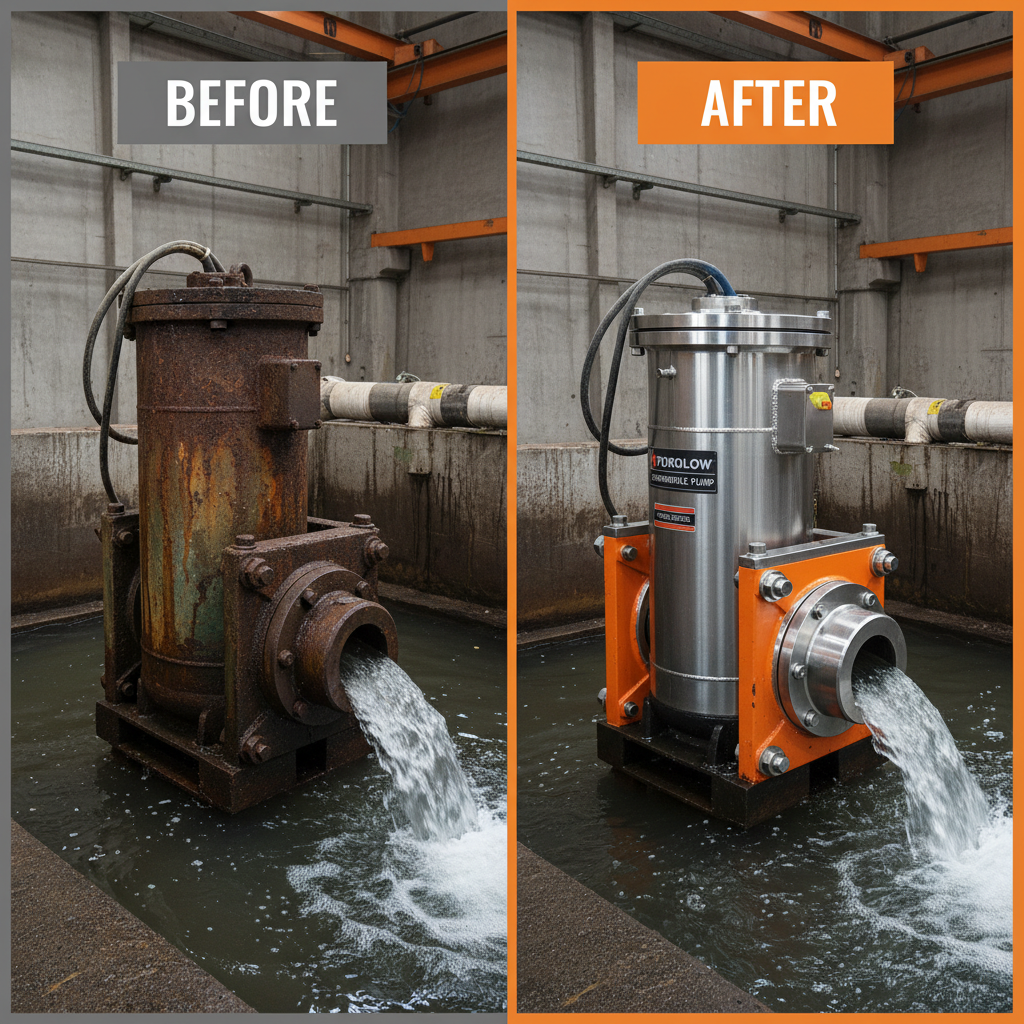 Understanding the Price Submersible Pump and Buyer GuideWhen searching for the ideal water management solution, understanding the price submersible pump options is crucial for balancing budget with performance. Whether you are dealing with a flooded basement, managing agricultural irrigation, or extracting water from a deep well, the cost of a submersible pump can vary significantly based on its build quality and capacity. Investing in a high-quality pump ensures long-term reliability and reduces the frequency of expensive replacements. In this guide, we will break down the factors that influence pricing and help you make an informed decision for your specific needs.Detail
 -
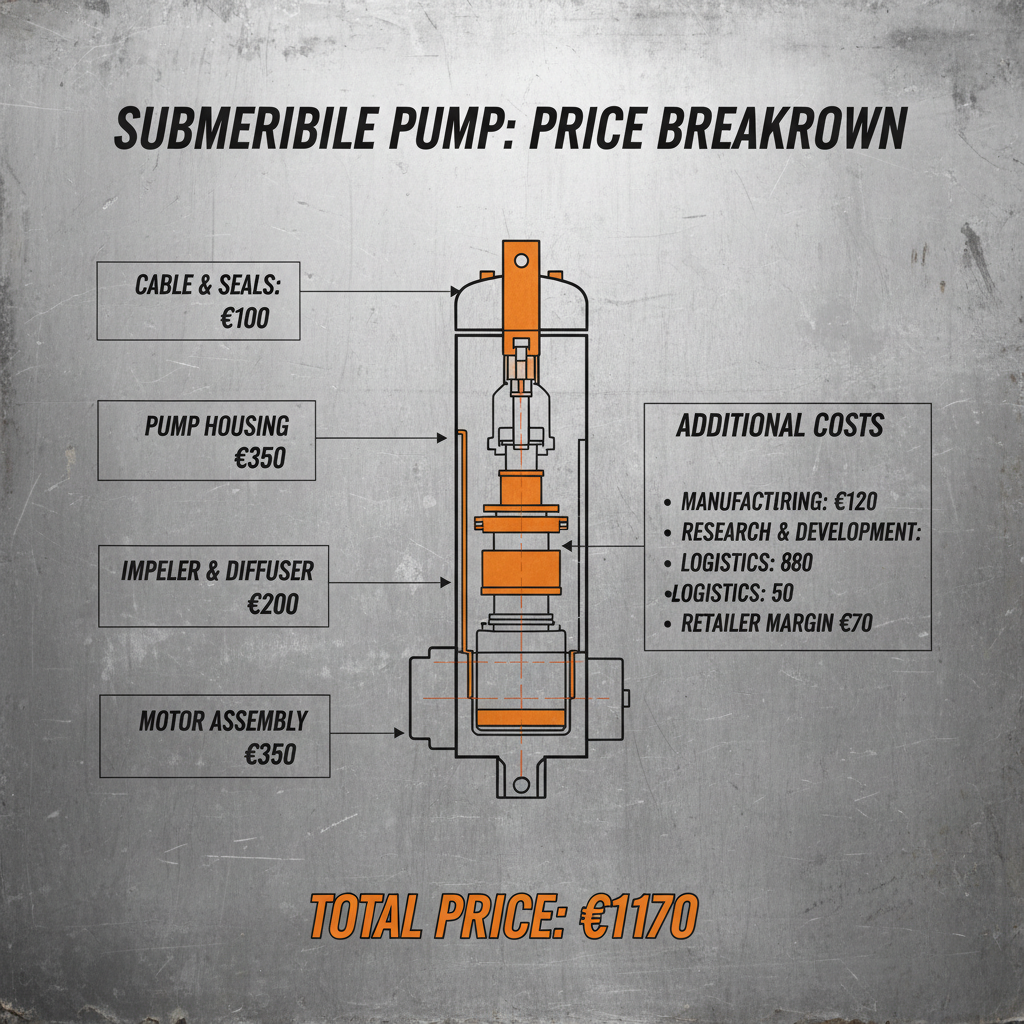 Factors Affecting the Price for Submersible Pump a Buyers GuideWhen investing in water management systems, understanding the price for submersible pump options is essential for balancing performance with budget. Whether you are managing a residential well, an industrial drainage project, or agricultural irrigation, the cost of a pump is rarely a flat fee; it is a reflection of the engineering, materials, and capacity required for your specific environment. In this guide, we will break down the factors that influence pricing and help you determine the best value for your investment to ensure long-term reliability and efficiency.Detail
 -
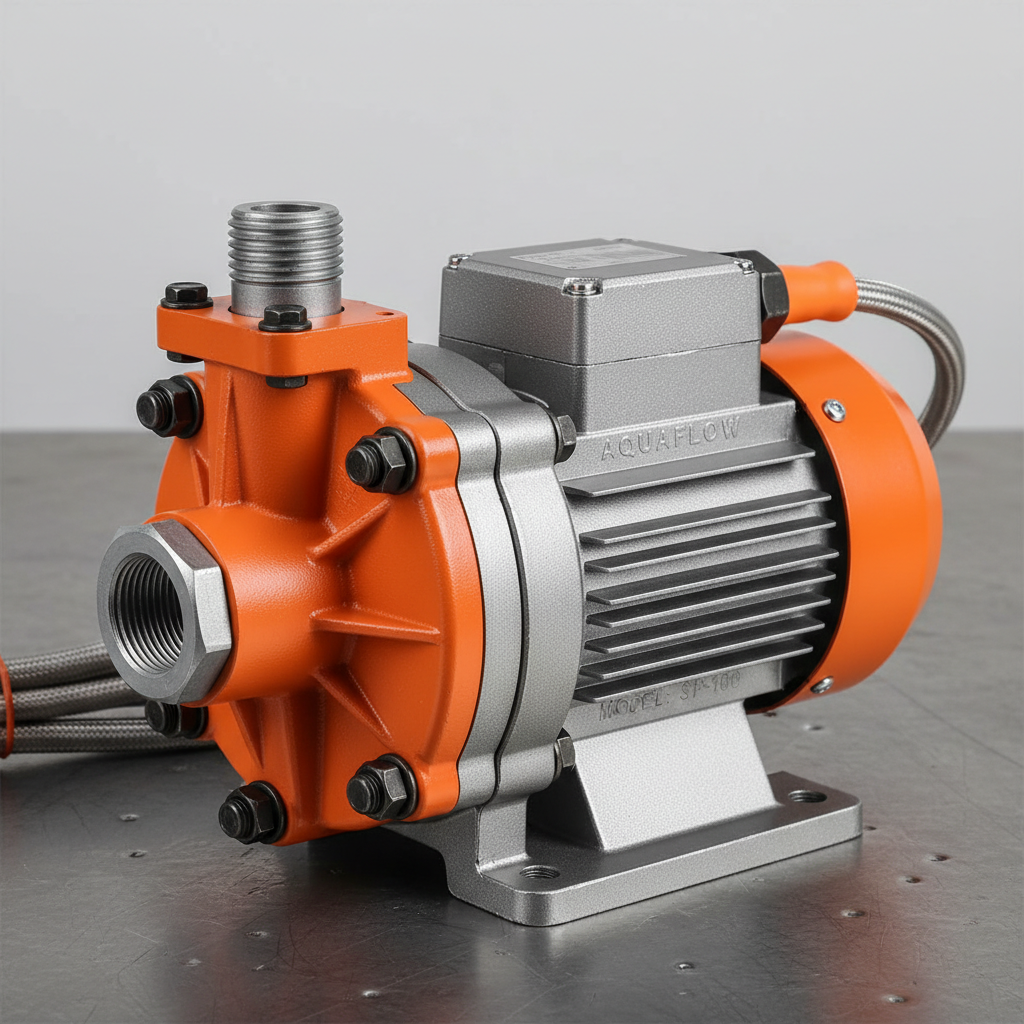 Choosing the Right Mini Submersible Fountain Pump for Optimal Water Feature PerformanceCreating a beautiful and relaxing water feature doesn't have to be complicated. A mini submersible fountain pump is the heart of any indoor or outdoor fountain, and selecting the right one is crucial for optimal performance and longevity. This article will guide you through the key considerations when choosing a mini submersible fountain pump, covering types, features, applications, and how to ensure you get the perfect pump for your project. We’ll also explore how Wellpumpact can provide you with the ideal solution.Detail
 Afrikaans
 Albanian
 Amharic
 Arabic
 Armenian
 Azerbaijani
 Basque
 Belarusian
 Bengali
 Bosnian
 Bulgarian
 Catalan
 Cebuano
 Corsican
 Croatian
 Czech
Czech
 Danish
 Dutch
Dutch
 Esperanto
 Estonian
 Finnish
 French
 Frisian
 Galician
 Georgian
 German
 Greek
Greek
 Gujarati
 Haitian Creole
 Hausa
Hausa
 Hawaiian
 Hebrew
 Hindi
Hindi
 Miao
Miao
 Hungarian
 Icelandic
 Igbo
Igbo
 Indonesian
 Irish
Irish
 Italian
 Japanese
 Javanese
 Kannada
 Kazakh
 Khmer
Khmer
 Rwandese
 Korean
 Kurdish
 Kyrgyz
 Lao
Lao
 Latin
Latin
 Latvian
 Lithuanian
 Luxembourgish
 Macedonian
 Malgashi
 Malay
Malay
 Malayalam
 Maltese
 Maori
Maori
 Marathi
 Mongolian
 Myanmar
 Nepali
 Norwegian
 Norwegian
 Occitan
 Pashto
 Persian
 Polish
 Portuguese
 Punjabi
 Romanian
 Russian
 Samoan
 Scottish Gaelic
 Serbian
 Sesotho
 Shona
Shona
 Sindhi
 Sinhala
 Slovak
 Slovenian
 Somali
 Spanish
 Sundanese
 Swahili
 Swedish
 Tagalog
 Tajik
Tajik
 Tamil
Tamil
 Tatar
Tatar
 Telugu
 Thai
Thai
 Turkish
 Turkmen
 Ukrainian
 Urdu
Urdu
 Uighur
 Uzbek
Uzbek
 Vietnamese
 Welsh
Welsh
 Bantu
Bantu
 Yiddish
 Yoruba
 Zulu
Zulu
 English