
Dec . 02, 2025 15:16 Back to list
Understanding Submersible Pump for Water Tank: Global Importance and Practical Insights
Submersible Pump for Water Tank: What It Is and Why It Matters Globally
Water pumps might not make headlines every day, but submersible pumps for water tanks are quietly essential worldwide. They do a simple yet vital job: moving water efficiently from tanks or wells to wherever it's needed. Understanding these pumps isn’t just about plumbing or engineering; it touches on global access to clean water, emergency preparedness, and sustainable water management. Whether you’re running a farm in a dry region or installing lifesaving infrastructure after floods, grasping the ins and outs of submersible pump for water tank technology opens doors to smarter water use and better resilience.
Why “Submersible Pump for Water Tank” is a Big Deal Globally
According to the United Nations Water report, more than 2 billion people live in countries experiencing high water stress. Many rely on water tanks with submersible pumps to ensure steady water supply—both in rural and urban setups. Intriguingly, the World Bank points out that efficient water management supported by these pumps improves agricultural yield and reduces water wastage significantly. The challenge? Ensuring these pumps remain energy efficient, durable, and affordable enough to make a real difference.
So, what exactly is a submersible pump for a water tank, and why should it matter beyond technical circles? Let’s dive in.
Defining a Submersible Pump for a Water Tank
Simply put, a submersible pump is a device that is designed to be placed underwater—in this case, inside a water tank. It pushes water to the surface by converting electrical energy into mechanical energy, moving water upward with minimal noise and high efficiency. Unlike surface pumps that remain above ground, these pumps perform best when submerged, avoiding risks of overheating.
They’re not just tech gadgets—they’re lifelines for farms, households, and municipalities, especially where reliable water pressurization is critical for sanitation, irrigation, or firefighting. As many humanitarian agencies emphasize, having a dependable water pumping system can mean the difference between health and hardship.
Key Factors and Core Features of a Good Submersible Pump
1. Durability and Build Quality
These pumps live underwater, often for months or years, so corrosion resistance is critical. Materials like stainless steel and thermoplastic are common to withstand harsh water conditions.
2. Energy Efficiency
Running pumps can be costly, especially in remote locations where electricity is expensive. Modern submersible pumps are designed to minimize power draw while delivering optimal flow.
3. Flow Rate and Head Pressure
This indicates how much water the pump moves and how high it can push it. Choosing the right specs depends on tank size and usage requirements.
4. Ease of Installation and Maintenance
You don’t want a pump that requires complicated dismantling every month. Many models now come with modular designs to streamline servicing.
5. Safety Features
Thermal overload protection and waterproof electrical connections reduce failures and hazards, something especially vital in community water systems.
Typical Product Spec Table for Submersible Pumps
| Specification | Standard Model A | Premium Model B |
|---|---|---|
| Power Consumption | 0.5 kW | 0.7 kW (Energy Star) |
| Maximum Flow Rate | 100 liters/min | 150 liters/min |
| Maximum Head (Height) | 30 meters | 40 meters |
| Material | Stainless Steel | Stainless Steel + Thermoplastic |
| Weight | 4.5 kg | 5.2 kg |
Mini takeaway: When choosing a submersible pump, balance efficiency, durability, and flow requirements to suit your water tank's needs effectively.
Global Applications & Use Cases
Submersible pumps in water tanks have found their way into diverse sectors worldwide. In agriculture-heavy countries like India and Brazil, these pumps facilitate irrigation from tanks filled during the rainy season, helping crops survive dry spells. Humanitarian groups often deploy these pumps in disaster zones to restore water access quickly after floods or earthquakes. Even in urban centers, municipalities rely on these pumps for reliable water pressure in high-rise buildings.
Oddly enough, some remote mining operations in Australia depend heavily on submersible systems for their water management, as surface pumps can fail amid dust and rough conditions. This wide range of uses proves the value and versatility of the technology.
Vendor Comparison for Submersible Pump Providers
| Feature | PumpCo | HydroTech | AquaFlow |
|---|---|---|---|
| Product Range | Basic to Mid-range | High-end, Specialty | Mid to Premium |
| Warranty | 1 Year | 3 Years | 2 Years |
| Energy Efficiency Ratings | Standard | High Efficiency (Energy Star) | Mid-level |
| Service Network | Global | Selective Regions | Mostly Americas & Europe |
Mini takeaway: Different vendors prioritize different things—warranty, energy efficiency, or service reach. Pick what aligns best with your project scale and location.
Advantages and Long-Term Value
- Cost-effective water delivery: Submersible pumps reduce energy costs due to their design and location in the tank.
- Reliability in harsh conditions: Being submerged cools the motor, preventing damage and extending lifespan.
- Reduced noise pollution: Quiet operation means less disruption in residential or hospital settings.
- Improved health outcomes: Continuous water access supports hygiene, which impacts community health positively.
Frankly, the emotional security of knowing water will flow when needed cannot be understated. People depend on these pumps not just for convenience, but dignity. It's a bottom-line innovation beyond just tech specs.
Future Trends and Innovations
The future looks promising for this sector. Green energy integration—solar-powered submersible pumps—are becoming more common, which is a game changer for remote or off-grid areas. Digital monitoring is another leap: pumps can now include sensors that notify operators about performance issues before failure occurs. Smart automation adjusts flow based on demand, conserving energy and water.
Also, materials science continues to evolve, with new polymers and composites offering lighter, more corrosion-resistant pumps. And policy-wise, governments are increasingly incentivizing energy-efficient water technologies thanks to global water sustainability goals such as those set by the UN Sustainable Development Goal 6.
Challenges & Expert Solutions
There are hurdles, naturally. Like any technology, submersible pumps struggle with clogging, maintenance difficulty, and upfront installation cost. Power outages in rural areas complicate matters further.
Many engineers suggest modular designs and easier access points in tanks for maintenance, plus integrating backup power systems (battery or solar). NGOs often build local capacity to maintain and repair pumps, ensuring sustainability. It’s about marrying smart tech with practical, grounded implementation.
FAQ: Frequently Asked Questions About Submersible Pump for Water Tank
- Q: How deep can a submersible pump be submerged in a water tank?
A: Generally, these pumps operate efficiently when fully submerged up to a certain depth—often 5 to 40 meters depending on the model. Always check manufacturer guidelines to avoid motor damage. - Q: Can a submersible pump run dry without damage?
A: No. Running dry causes overheating. Most quality pumps have thermal cutoffs to prevent this, but you should always ensure proper water levels before use. - Q: Are submersible pumps noisy inside residential water tanks?
A: They tend to be quieter than surface pumps as the water dampens sound. Still, mounting and tank material can influence noise levels. - Q: What is the average lifespan of a submersible water tank pump?
A: With proper maintenance, these pumps typically last 5 to 10 years. Corrosive water or improper use might shorten service life.
Conclusion: Why Invest in a Submersible Pump for Your Water Tank?
In the end, a submersible pump for water tank isn’t just an investment in hardware—it’s an investment in water security, sustainability, and community well-being. The technology continues improving, bridging gaps between scarcity and abundance, complexity and ease of use. If you’re considering enhancing your water supply system, I’d encourage a closer look at the options available today. It’s about choosing reliability, efficiency, and future readiness.
For detailed product info and expert advice, visit our website: submersible pump for water tank.
It’s fascinating how something submerged beneath the water surface can make such a powerful impact—quiet, unseen, yet utterly essential.
References:
1. UN Water Report, unwater.org
2. World Bank Water Management Data, worldbank.org
3. UN Sustainable Development Goal 6, sdgs.un.org
-
Understanding the Price Submersible Pump and Buyer Guide
NewsApr.16,2026
-
Factors Affecting the Price for Submersible Pump a Buyers Guide
NewsApr.09,2026
-
Choosing the Right Mini Submersible Fountain Pump for Optimal Water Feature Performance
NewsApr.07,2026
-
A Detailed Guide to Installing a Submersible Pump for Optimal Performance
NewsApr.04,2026
-
Comprehensive Guide on How to Test a Submersible Water Well Pump Effectively
NewsMar.31,2026
-
Learn How to Replace a Submersible Well Pump Safely and Effectively
NewsMar.28,2026
-
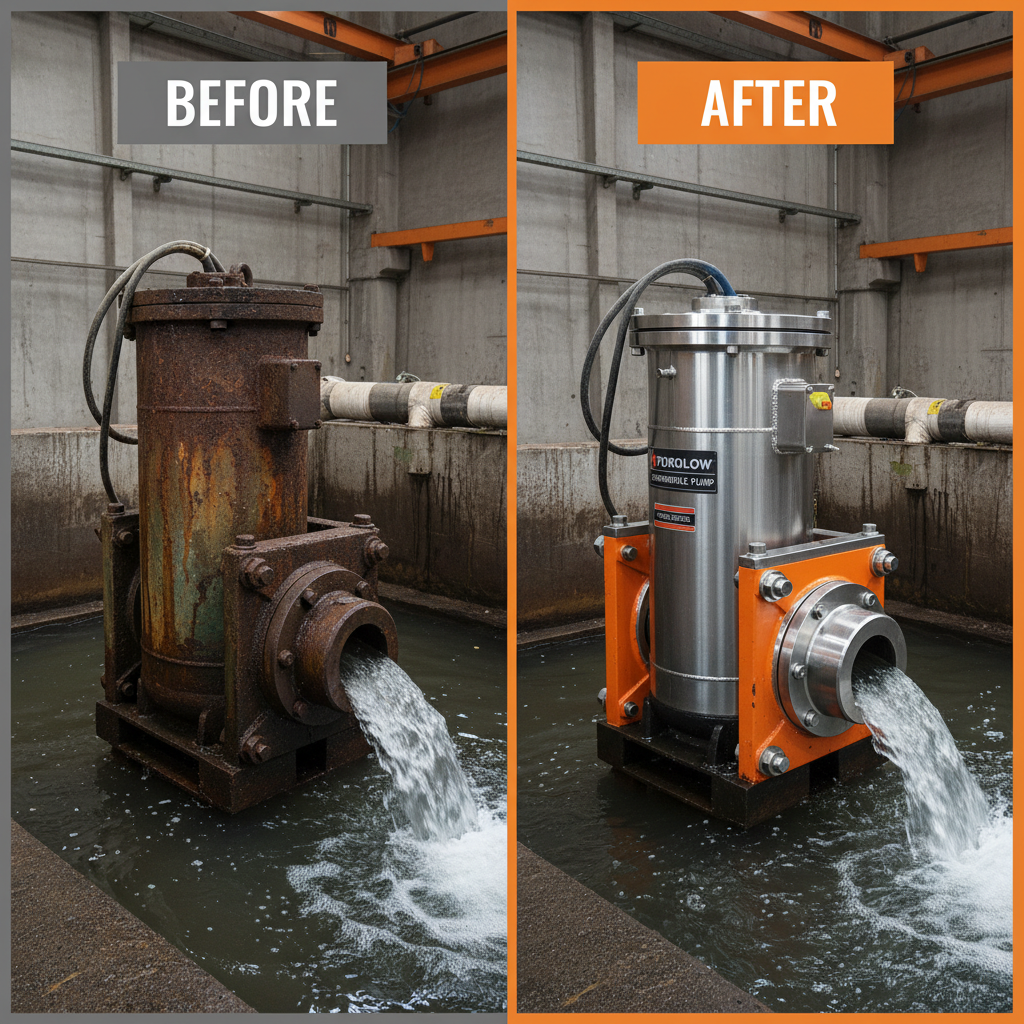 Understanding the Price Submersible Pump and Buyer GuideWhen searching for the ideal water management solution, understanding the price submersible pump options is crucial for balancing budget with performance. Whether you are dealing with a flooded basement, managing agricultural irrigation, or extracting water from a deep well, the cost of a submersible pump can vary significantly based on its build quality and capacity. Investing in a high-quality pump ensures long-term reliability and reduces the frequency of expensive replacements. In this guide, we will break down the factors that influence pricing and help you make an informed decision for your specific needs.Detail
 -
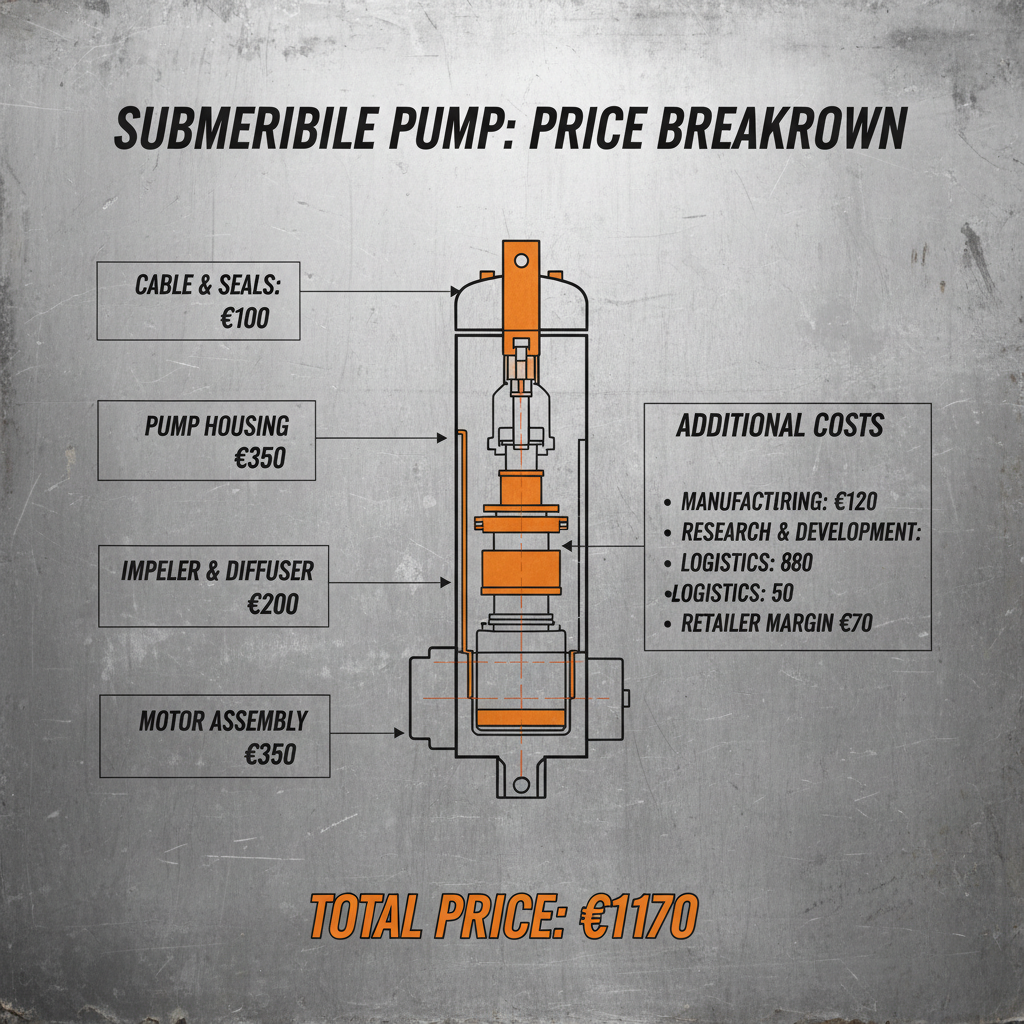 Factors Affecting the Price for Submersible Pump a Buyers GuideWhen investing in water management systems, understanding the price for submersible pump options is essential for balancing performance with budget. Whether you are managing a residential well, an industrial drainage project, or agricultural irrigation, the cost of a pump is rarely a flat fee; it is a reflection of the engineering, materials, and capacity required for your specific environment. In this guide, we will break down the factors that influence pricing and help you determine the best value for your investment to ensure long-term reliability and efficiency.Detail
 -
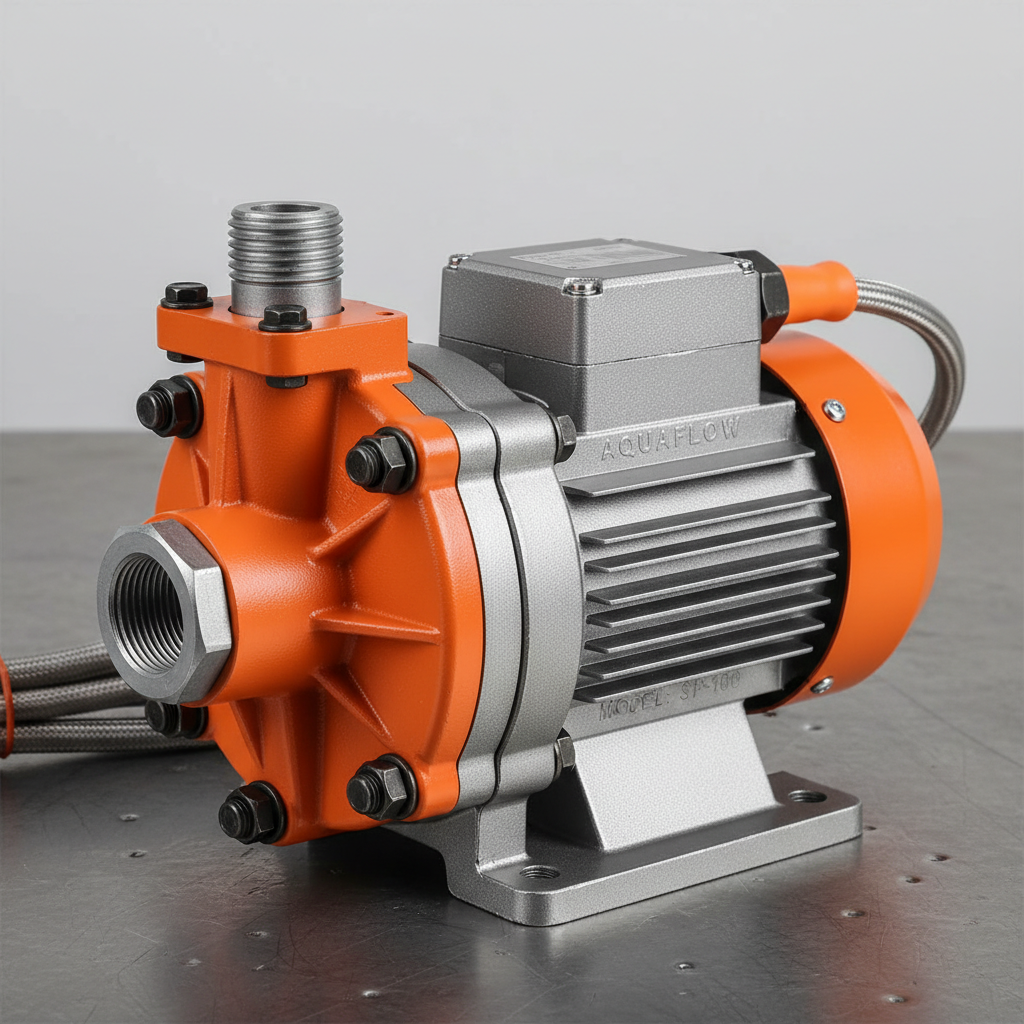 Choosing the Right Mini Submersible Fountain Pump for Optimal Water Feature PerformanceCreating a beautiful and relaxing water feature doesn't have to be complicated. A mini submersible fountain pump is the heart of any indoor or outdoor fountain, and selecting the right one is crucial for optimal performance and longevity. This article will guide you through the key considerations when choosing a mini submersible fountain pump, covering types, features, applications, and how to ensure you get the perfect pump for your project. We’ll also explore how Wellpumpact can provide you with the ideal solution.Detail
 Afrikaans
 Albanian
 Amharic
 Arabic
 Armenian
 Azerbaijani
 Basque
 Belarusian
 Bengali
 Bosnian
 Bulgarian
 Catalan
 Cebuano
 Corsican
 Croatian
 Czech
Czech
 Danish
 Dutch
Dutch
 Esperanto
 Estonian
 Finnish
 French
 Frisian
 Galician
 Georgian
 German
 Greek
Greek
 Gujarati
 Haitian Creole
 Hausa
Hausa
 Hawaiian
 Hebrew
 Hindi
Hindi
 Miao
Miao
 Hungarian
 Icelandic
 Igbo
Igbo
 Indonesian
 Irish
Irish
 Italian
 Japanese
 Javanese
 Kannada
 Kazakh
 Khmer
Khmer
 Rwandese
 Korean
 Kurdish
 Kyrgyz
 Lao
Lao
 Latin
Latin
 Latvian
 Lithuanian
 Luxembourgish
 Macedonian
 Malgashi
 Malay
Malay
 Malayalam
 Maltese
 Maori
Maori
 Marathi
 Mongolian
 Myanmar
 Nepali
 Norwegian
 Norwegian
 Occitan
 Pashto
 Persian
 Polish
 Portuguese
 Punjabi
 Romanian
 Russian
 Samoan
 Scottish Gaelic
 Serbian
 Sesotho
 Shona
Shona
 Sindhi
 Sinhala
 Slovak
 Slovenian
 Somali
 Spanish
 Sundanese
 Swahili
 Swedish
 Tagalog
 Tajik
Tajik
 Tamil
Tamil
 Tatar
Tatar
 Telugu
 Thai
Thai
 Turkish
 Turkmen
 Ukrainian
 Urdu
Urdu
 Uighur
 Uzbek
Uzbek
 Vietnamese
 Welsh
Welsh
 Bantu
Bantu
 Yiddish
 Yoruba
 Zulu
Zulu
 English