
Nov . 26, 2025 00:30 Back to list
What You Need to Know About Submersible Well Pump Cost in 2024
Understanding Submersible Well Pump Cost: Why It Matters Today
If you’re involved with water systems—whether in agriculture, municipal supply, or remote industrial sites—chances are you’ve bumped into the topic of submersible well pump cost. But it’s not just a niche concern for engineers or contractors. Globally, access to clean water hinges on efficient, durable well pumps. And knowing what really drives the price of these systems can spell the difference between sustainable water delivery or constant repairs and downtime.
Frankly, pump cost isn’t just dollars and cents—it affects humanitarian aid projects, rural development, and even environmental sustainability. With growing climate stresses and expanding populations, understanding submersible well pump cost and its implications helps governments and businesses make smarter investments that last.
The Global Context: Why Submersible Well Pump Cost Matters More Than Ever
Worldwide, about 2 billion people still lack safely managed drinking water services, according to the United Nations Water Statistics. Many communities rely on wells fitted with submersible pumps to tap into groundwater. But the initial cost, ongoing maintenance, and energy consumption of these pumps hugely affect whether water remains accessible over time.
The World Bank’s energy data suggests that more than 50% of rural water systems fail prematurely, often because of poor pump choices or inadequate budgeting. So, submersible well pump cost isn’t just about upfront expense—it's about long-term reliability and value.
Mini takeaway:
- Understanding pump costs in a global development context reveals why quality matters deeply.
What Exactly Is Submersible Well Pump Cost?
In simple terms, submersible well pump cost refers to the total expense involved in purchasing, installing, and maintaining a pump that operates submerged in a water source to lift water to the surface. These pumps are often cylindrical, sealed to prevent water ingress, and connected to electric motors. They’re widely used in wells, boreholes, and deep water sources because they’re more efficient compared to older surface pump models.
But the cost isn’t just a price tag on the unit itself. It also includes installation complexities, energy consumption, spare parts, and potential downtime due to failure or wear. This total cost impacts everything from farm irrigation budgets to emergency relief water provision.
Mini takeaway:
- Submersible well pump cost covers upfront and ongoing expenses; understanding this is key to smart water management.
Factors That Drive the Cost of Submersible Well Pumps
1. Durability and Material Quality
Many engineers say the lifespan of a pump hinges on whether it’s made from corrosion-resistant metals like stainless steel, or cheaper alloys that can fail within years. A little more investment here can save dozens of pump replacements down the line.
2. Pump Capacity and Power Requirements
The horsepower rating, flow rate, and pumping depth directly affect price. Pumps designed for deep boreholes or high-output irrigation command higher costs due to specialized motors and components.
3. Energy Efficiency
More efficient motors can cost more upfront but cut operating expenses dramatically. Considering rising electricity rates worldwide, efficiency has become a priority in modern pump selection.
4. Installation and Maintenance
Roughly 25% of total project expenses relate to installation labor and infrastructure, especially for remote or difficult sites. Easy access to parts and technical support can influence ongoing maintenance costs. For instance, modular designs often reduce these challenges and first costs.
5. Brand and Vendor Selection
Reputable manufacturers charge a premium but typically offer better warranties, support, and proven reliability.
Mini takeaway:
- Looking beyond sticker price to durability, efficiency, and support pays off.
Real-World Applications: Where Does Submersible Well Pump Cost Really Count?
Submersible pumps are everywhere—from the small farm in sub-Saharan Africa irrigating crops, to oil drilling operations in northern Canada demanding ultra-durable pumps, to post-tsunami relief efforts in Southeast Asia providing emergency freshwater. Their cost realities dictate how projects are designed and sustained.
For example, NGOs working in disaster zones often balance the immediate costs of submersible well pump deployment against the risk of system failure. Investing slightly more in a robust system means fewer emergency interventions later. Large-scale municipal water suppliers weigh efficiency heavily to keep costs predictable as population demands rise.
Mini takeaway:
- Understanding submersible well pump cost isn’t abstract—it shapes real outcomes in disaster relief, farming, and urban water supply.
Key Product Specifications Comparison
| Specification | Model A | Model B | Model C |
|---|---|---|---|
| Pump Type | 16-stage centrifugal | 10-stage centrifugal | Single-stage centrifugal |
| Max Flow Rate | 100 GPM | 75 GPM | 40 GPM |
| Horsepower | 15 HP | 10 HP | 5 HP |
| Material | Stainless Steel | Cast Iron + Coatings | Plastic Composite |
| Average Cost (USD) | $3,200 | $2,100 | $1,400 |
Comparing Top Submersible Well Pump Vendors
| Feature | PumpCo | WaterWorks | ClearFlow |
|---|---|---|---|
| Warranty | 5 years | 3 years | 4 years |
| Custom Options | Extensive | Limited | Moderate |
| Support & Service | Global Network | Regional Only | Online & Phone |
| Sustainability Features | Energy-efficient motors | Basic compliance | Eco-friendly plastics |
| Typical Cost Range (USD) | $2,500–$4,000 | $1,800–$2,500 | $1,200–$2,000 |
The Advantages and Long-Term Value of Knowing Your Pump Cost
Understanding submersible well pump cost offers benefits beyond budget planning. You get peace of mind that a well-chosen system won’t break down mid-cycle or drain your power bills. In many rural or emergency settings, pump reliability supports dignity and safety by ensuring clean water is there when needed. Social impact organizations stress this point frequently: investing wisely upfront fuels sustainability.
In logic terms, balancing upfront cost with energy efficiency and durability often results in the best lifetime value. Emotionally? It’s about trust that the infrastructure will serve communities, industries, or farms for years, not just months.
Mini takeaway:
- Knowing total submersible well pump cost means better decision-making, sustainability, and social responsibility.
What’s Next? Future Trends in Submersible Well Pump Cost
It feels like the industry is pivoting towards greener, smarter options every year. Solar-powered submersible pumps are trending, especially in developing countries where grid access is unreliable. Advances in materials science are yielding pumps lighter but tougher than their predecessors. Digital monitoring and automation—powered by IoT sensors—allow predictive maintenance, cutting unexpected failures.
International sustainability standards, like those from ISO, also push manufacturers to innovate on efficiency and lifespan, which may shift initial costs upwards but saves money overall.
Common Challenges and How Experts Overcome Them
Despite improvements, challenges persist: corrosion, electrical failures, and mismatched pump sizing top the list. Experts recommend detailed site assessments and prefer modular, upgradable pump systems to extend service life. Open communication between suppliers and users is vital to prevent costly missteps.
Additionally, many engineers now emphasize total cost of ownership (TCO) models rather than sticker price alone. Factoring in all related expenses guides smarter procurement.
Frequently Asked Questions About Submersible Well Pump Cost
- Q: What is the average lifespan of a submersible well pump, and how does cost affect it?
- A: Typically, well-made pumps last 10-15 years, if properly maintained. Cheaper models often have shorter lifespans due to material wear. Investing more upfront in quality often reduces replacement frequency and long-term costs.
- Q: How much does installation influence the total submersible well pump cost?
- A: Installation can account for 20-30% of total costs, depending on site accessibility and depth. Remote locations or deeper wells usually increase labor and equipment expenses dramatically.
- Q: Are more expensive pumps always more energy efficient?
- A: Not necessarily. While premium pumps often include energy-saving features, the key lies in matching pump specs to the application. An overpowered pump wastes energy regardless of price.
- Q: Can renewable energy power submersible well pumps to reduce operating costs?
- A: Yes! Solar-powered pumps are increasingly popular in off-grid locations, lowering ongoing electricity costs and improving sustainability. Initial investment may be higher but pays off in the long run.
- Q: How can NGOs balance cost and reliability when purchasing pumps for relief projects?
- A: NGOs typically prioritize durable models with proven field performance, even at higher upfront cost. They often collaborate with trusted suppliers offering support and warranties to ensure pump longevity in challenging conditions.
Wrapping Up: Making Sense of Submersible Well Pump Cost for Your Project
Long story short: understanding submersible well pump cost isn’t just some technical homework. It equips you to plan better, avoid headaches, and invest in water solutions that stand the test of time. Whether you’re managing a farm, a city’s water utility, or an emergency relief operation, knowing what drives these costs means you can do more with your budget.
Curious for detailed cost breakdowns and reliable vendors? Visit our site at https://www.wellpumpact.com — your resource for everything submersible well pump.
References
-
Understanding the Price Submersible Pump and Buyer Guide
NewsApr.16,2026
-
Factors Affecting the Price for Submersible Pump a Buyers Guide
NewsApr.09,2026
-
Choosing the Right Mini Submersible Fountain Pump for Optimal Water Feature Performance
NewsApr.07,2026
-
A Detailed Guide to Installing a Submersible Pump for Optimal Performance
NewsApr.04,2026
-
Comprehensive Guide on How to Test a Submersible Water Well Pump Effectively
NewsMar.31,2026
-
Learn How to Replace a Submersible Well Pump Safely and Effectively
NewsMar.28,2026
-
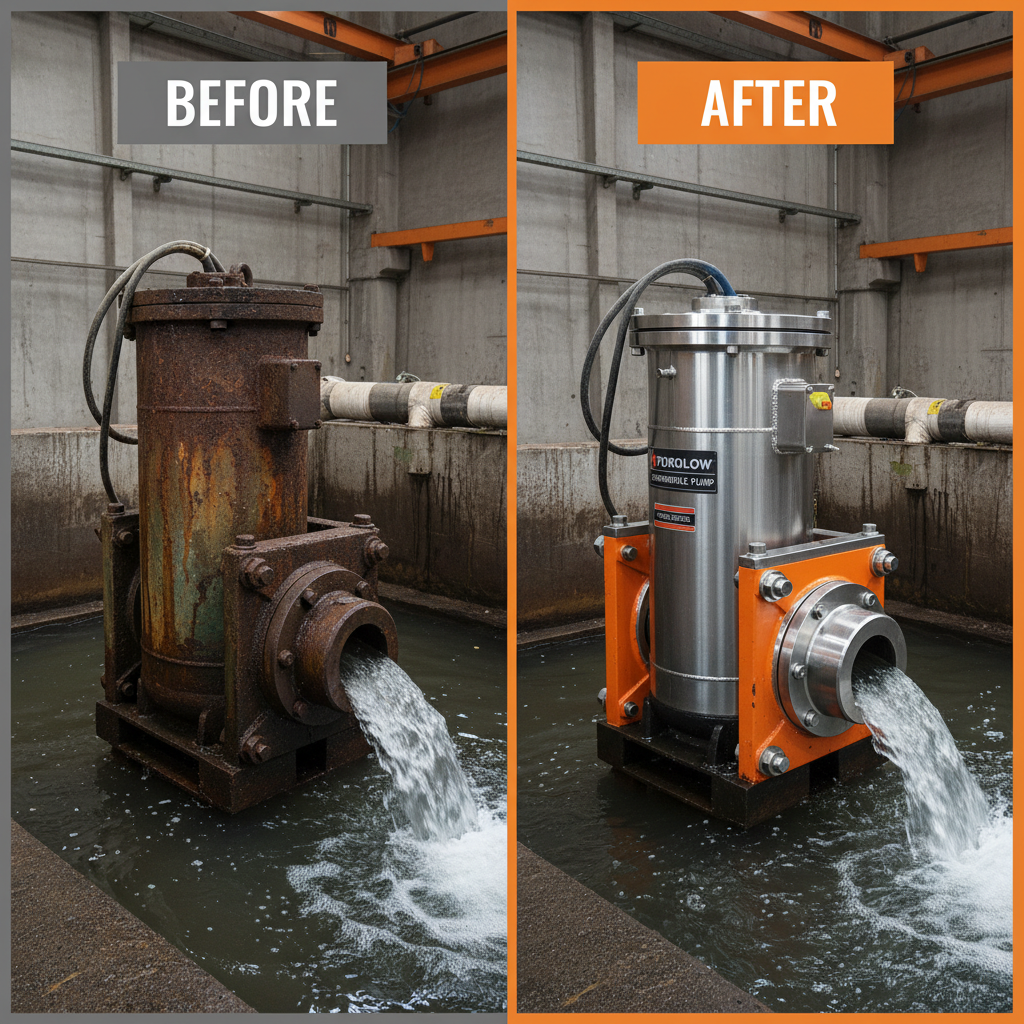 Understanding the Price Submersible Pump and Buyer GuideWhen searching for the ideal water management solution, understanding the price submersible pump options is crucial for balancing budget with performance. Whether you are dealing with a flooded basement, managing agricultural irrigation, or extracting water from a deep well, the cost of a submersible pump can vary significantly based on its build quality and capacity. Investing in a high-quality pump ensures long-term reliability and reduces the frequency of expensive replacements. In this guide, we will break down the factors that influence pricing and help you make an informed decision for your specific needs.Detail
 -
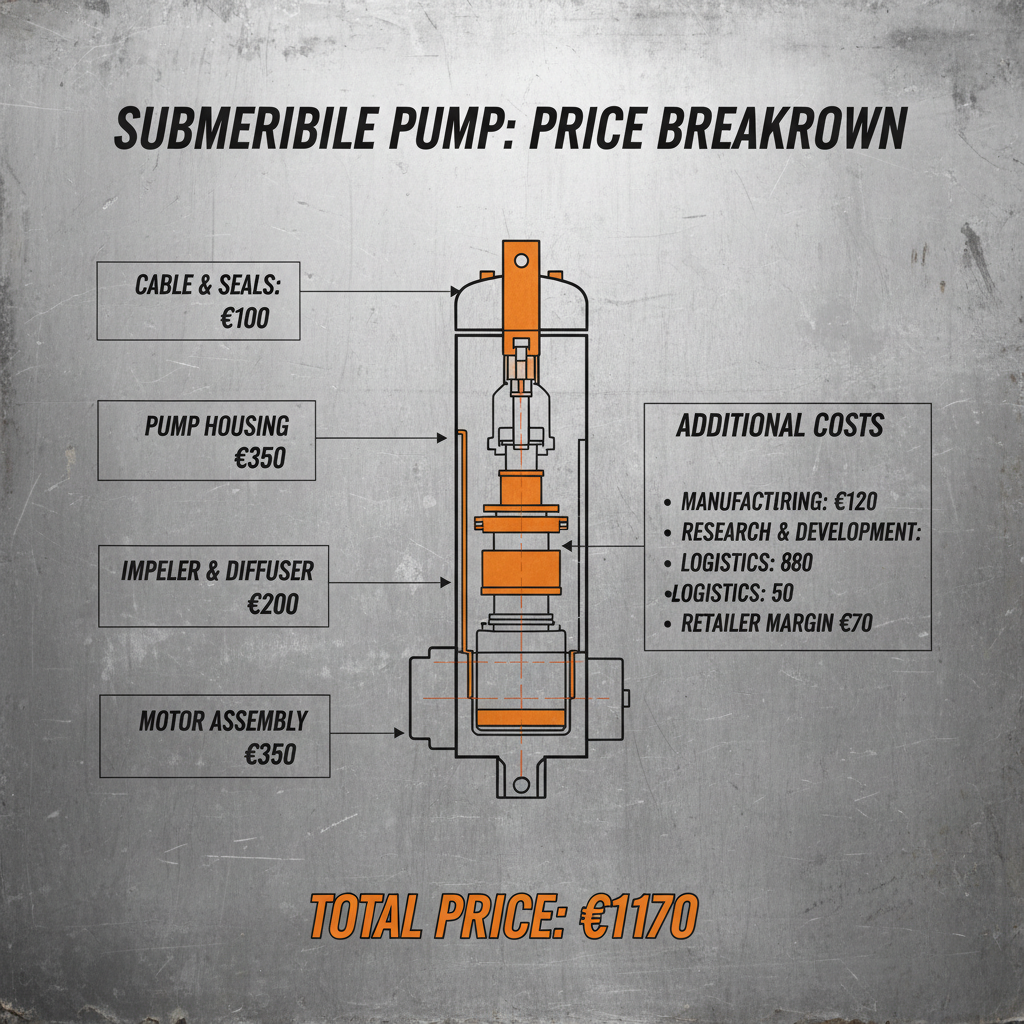 Factors Affecting the Price for Submersible Pump a Buyers GuideWhen investing in water management systems, understanding the price for submersible pump options is essential for balancing performance with budget. Whether you are managing a residential well, an industrial drainage project, or agricultural irrigation, the cost of a pump is rarely a flat fee; it is a reflection of the engineering, materials, and capacity required for your specific environment. In this guide, we will break down the factors that influence pricing and help you determine the best value for your investment to ensure long-term reliability and efficiency.Detail
 -
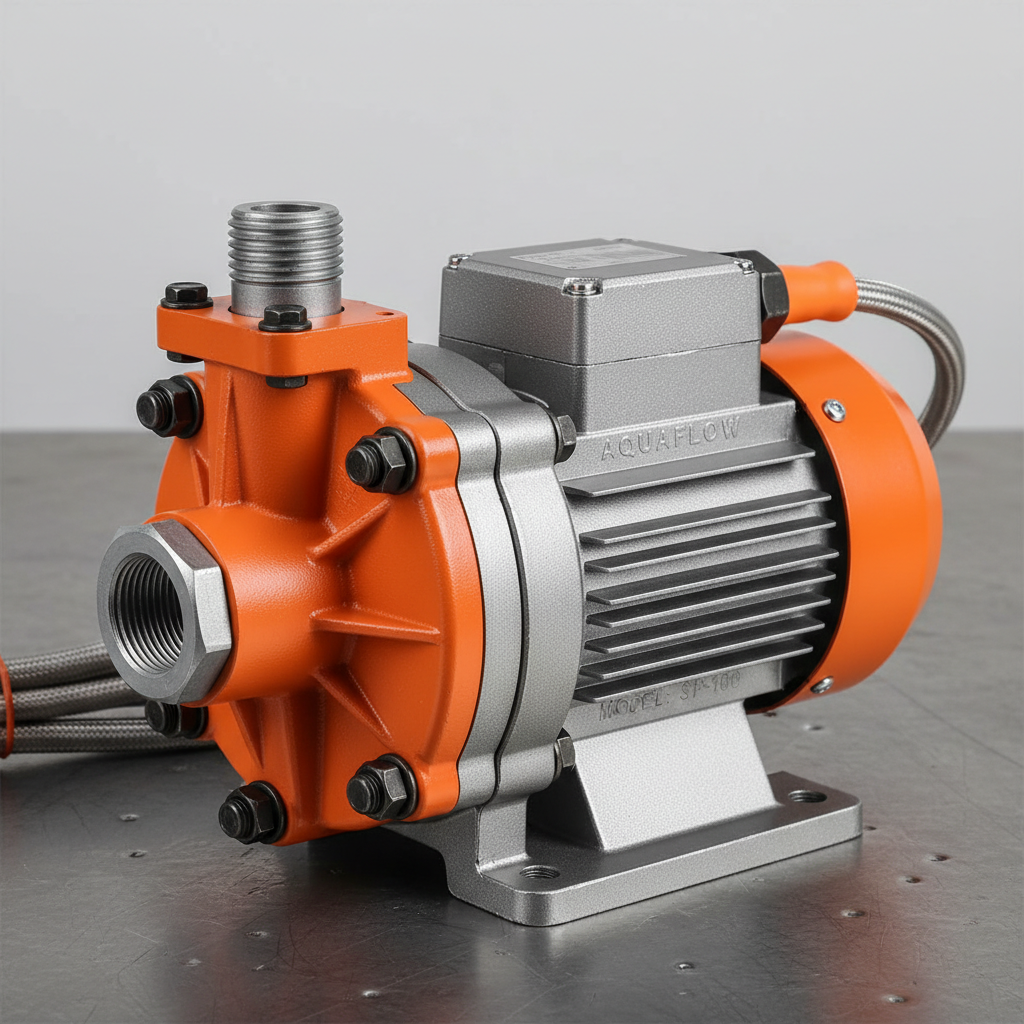 Choosing the Right Mini Submersible Fountain Pump for Optimal Water Feature PerformanceCreating a beautiful and relaxing water feature doesn't have to be complicated. A mini submersible fountain pump is the heart of any indoor or outdoor fountain, and selecting the right one is crucial for optimal performance and longevity. This article will guide you through the key considerations when choosing a mini submersible fountain pump, covering types, features, applications, and how to ensure you get the perfect pump for your project. We’ll also explore how Wellpumpact can provide you with the ideal solution.Detail
 Afrikaans
 Albanian
 Amharic
 Arabic
 Armenian
 Azerbaijani
 Basque
 Belarusian
 Bengali
 Bosnian
 Bulgarian
 Catalan
 Cebuano
 Corsican
 Croatian
 Czech
Czech
 Danish
 Dutch
Dutch
 Esperanto
 Estonian
 Finnish
 French
 Frisian
 Galician
 Georgian
 German
 Greek
Greek
 Gujarati
 Haitian Creole
 Hausa
Hausa
 Hawaiian
 Hebrew
 Hindi
Hindi
 Miao
Miao
 Hungarian
 Icelandic
 Igbo
Igbo
 Indonesian
 Irish
Irish
 Italian
 Japanese
 Javanese
 Kannada
 Kazakh
 Khmer
Khmer
 Rwandese
 Korean
 Kurdish
 Kyrgyz
 Lao
Lao
 Latin
Latin
 Latvian
 Lithuanian
 Luxembourgish
 Macedonian
 Malgashi
 Malay
Malay
 Malayalam
 Maltese
 Maori
Maori
 Marathi
 Mongolian
 Myanmar
 Nepali
 Norwegian
 Norwegian
 Occitan
 Pashto
 Persian
 Polish
 Portuguese
 Punjabi
 Romanian
 Russian
 Samoan
 Scottish Gaelic
 Serbian
 Sesotho
 Shona
Shona
 Sindhi
 Sinhala
 Slovak
 Slovenian
 Somali
 Spanish
 Sundanese
 Swahili
 Swedish
 Tagalog
 Tajik
Tajik
 Tamil
Tamil
 Tatar
Tatar
 Telugu
 Thai
Thai
 Turkish
 Turkmen
 Ukrainian
 Urdu
Urdu
 Uighur
 Uzbek
Uzbek
 Vietnamese
 Welsh
Welsh
 Bantu
Bantu
 Yiddish
 Yoruba
 Zulu
Zulu
 English