Access to clean and reliable water sources is a fundamental human need, and in many regions, particularly rural areas, obtaining water requires drilling deep into the earth. A 500 ft deep well pump represents a significant technological solution for these challenges, offering a pathway to sustainable water access. These pumps aren’t just about reaching water; they’re about enabling communities to thrive, supporting agriculture, and fostering economic development. The increasing demand for groundwater, coupled with concerns about water quality, underscores the importance of understanding the capabilities and advancements in deep well pumping technology.
The global market for well pumps is experiencing substantial growth, driven by factors like increasing population, urbanization, and climate change. According to the World Bank, billions lack access to safely managed drinking water services, and deep well pumps play a crucial role in bridging this gap. The demand is particularly high in developing nations, where traditional water sources are often scarce or contaminated. Innovations in pump design, materials, and energy efficiency are continuously being developed to address the challenges of drilling and operating at these depths.
Choosing the right 500 ft deep well pump is a critical decision with long-term implications. Factors like well diameter, water quality, flow rate requirements, and energy source availability all play a part. Proper installation and maintenance are also paramount for ensuring longevity and maximizing performance. This guide will delve into the key aspects of deep well pump technology, exploring its applications, advantages, and future trends.
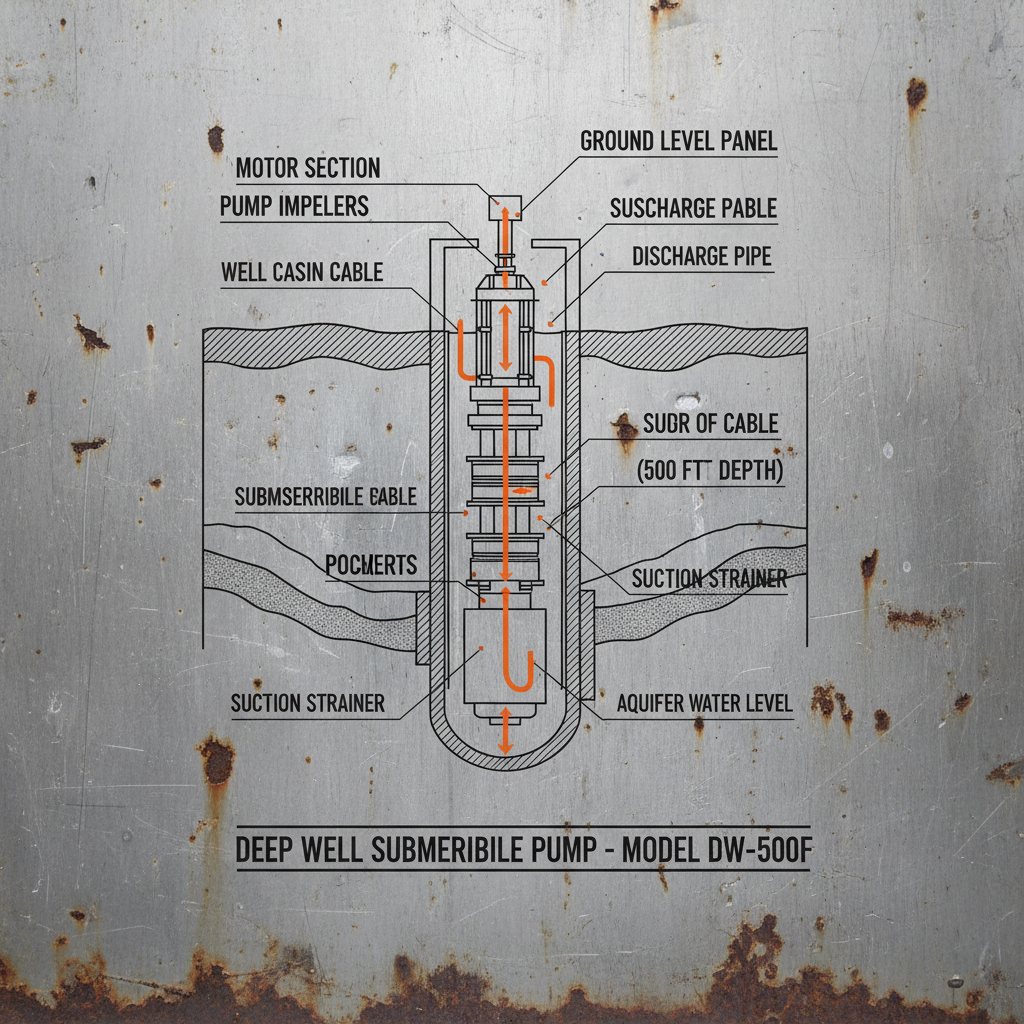
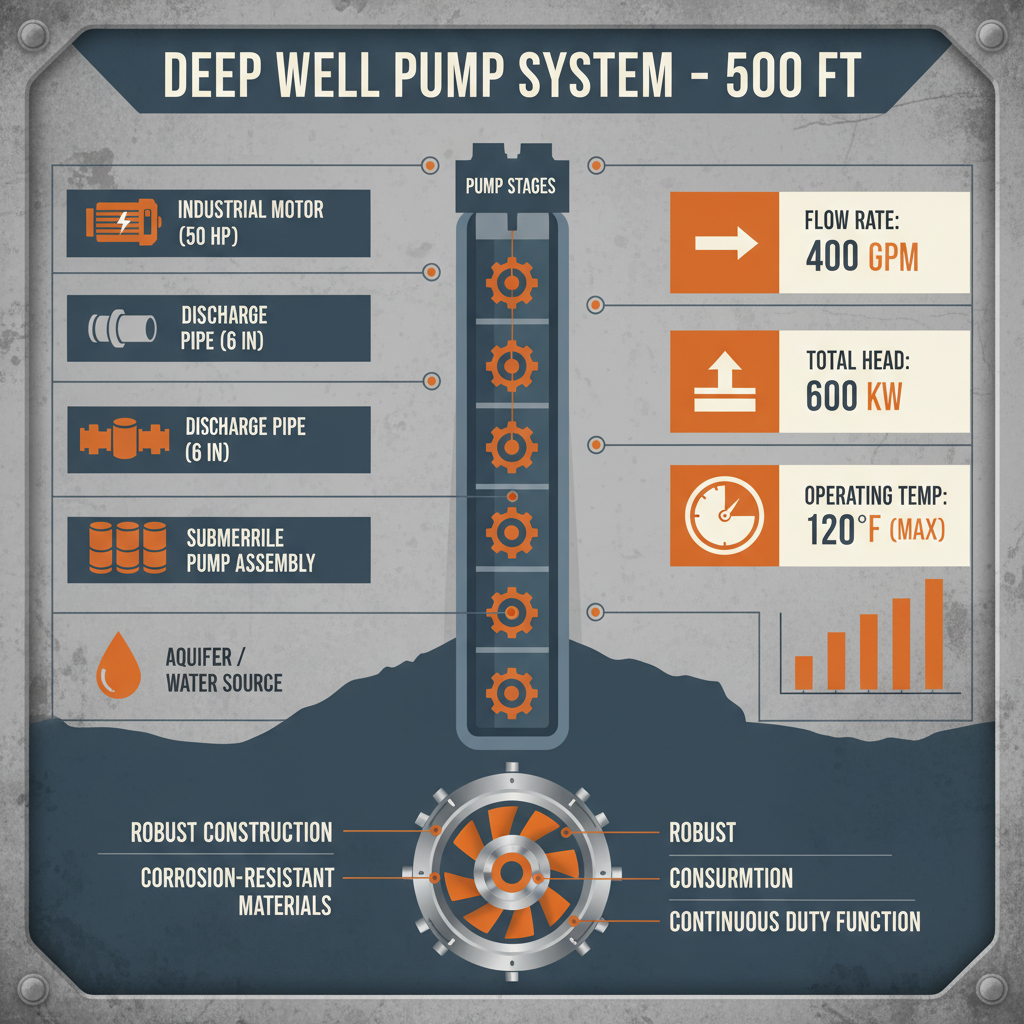
A 500 ft deep well pump is often the only viable solution for accessing groundwater in areas where surface water is limited or unreliable. These pumps are designed to withstand the immense pressure and unique challenges associated with lifting water from such significant depths. They are essential for providing potable water to communities, irrigating crops in arid regions, and supporting industrial processes that depend on a consistent water supply.
The significance of these pumps extends beyond simple water extraction. They contribute to public health by reducing waterborne diseases, support food security by enabling agricultural productivity, and promote economic stability by providing a reliable resource for businesses. Investing in quality deep well pump systems is an investment in the well-being and prosperity of communities around the globe.
The lifespan of a 500 ft deep well pump can vary significantly based on factors such as water quality, usage frequency, and maintenance practices. However, with proper installation and regular maintenance, a well-maintained pump can typically last between 15 and 25 years. Corrosive water can dramatically shorten this lifespan, highlighting the importance of water testing and appropriate pump material selection.
Routine maintenance should be performed at least annually, but more frequent checks may be necessary depending on usage and water conditions. This includes inspecting the power cable, checking the pump intake for debris, monitoring motor performance for unusual noises or vibrations, and verifying the functionality of the check valve. Professional servicing is recommended every 3-5 years.
Common signs include reduced water flow, fluctuating water pressure, loud or unusual noises from the pump, the pump cycling on and off frequently, or a complete failure to deliver water. These symptoms could indicate a clogged intake, a failing motor, or a problem with the check valve. Addressing these issues promptly can prevent further damage.
Before installing a 500 ft deep well pump, comprehensive water testing is crucial. This should include testing for pH levels, total dissolved solids (TDS), bacteria, nitrates, and other contaminants. This information will help determine the appropriate pump materials and whether any water treatment systems are necessary to ensure water quality and protect the pump from corrosion.
The decision to repair or replace a pump depends on the extent of the damage and the age of the unit. For minor repairs, such as replacing a check valve, repair is usually cost-effective. However, if the motor is failing or significant corrosion is present, replacement is often the more economical option in the long run. A professional assessment is recommended.
Standard 500 ft deep well pumps are not designed for saltwater applications due to the corrosive nature of saltwater. Specialized pumps made from corrosion-resistant materials, such as stainless steel or high-grade polymers, are required for saltwater use. Utilizing the wrong pump in a saltwater environment will lead to premature failure and costly repairs.
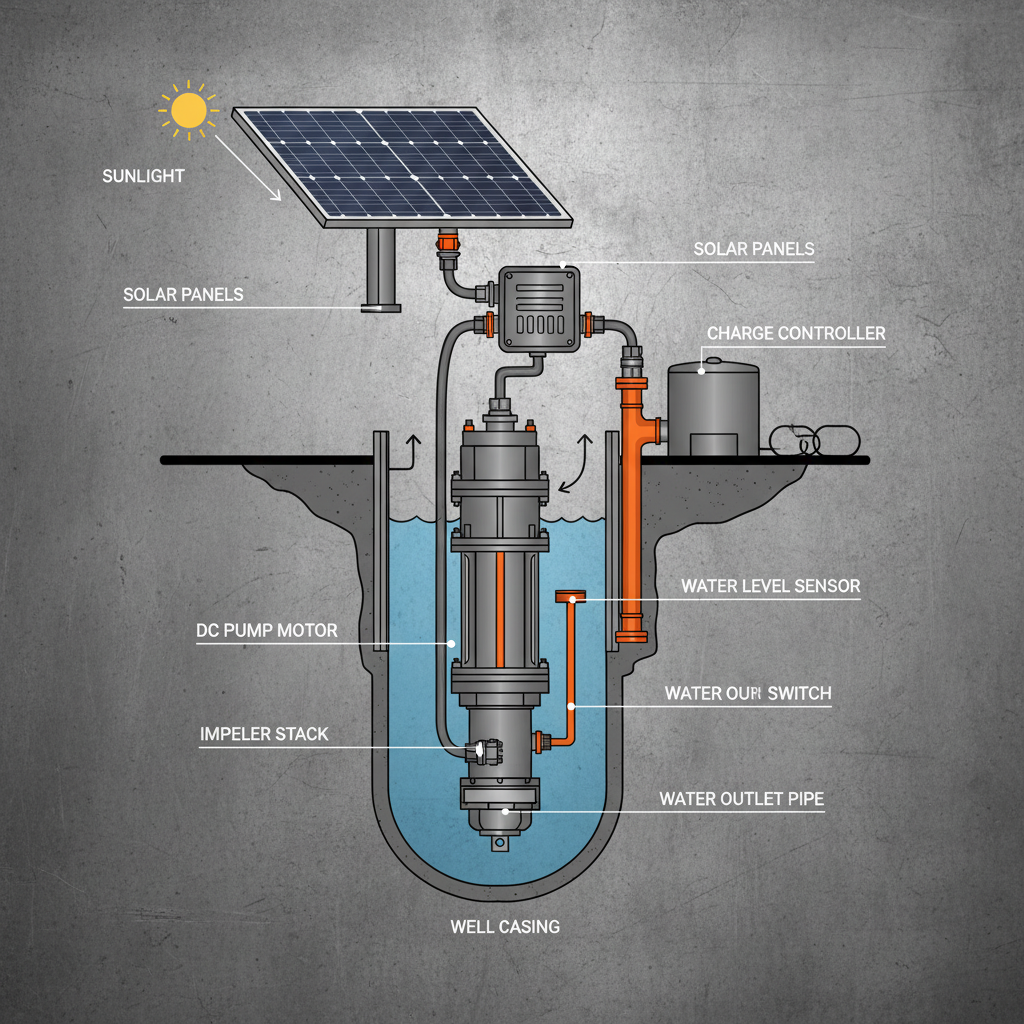
In conclusion, a 500 ft deep well pump represents a vital solution for accessing groundwater resources in a variety of settings worldwide. Its significance extends beyond simply providing water, impacting public health, economic development, and environmental sustainability. Understanding the core components, operational principles, and emerging technologies associated with these pumps is crucial for making informed decisions and maximizing their benefits.
Looking ahead, continued innovation in pump design, materials, and energy efficiency will further enhance the performance and longevity of these systems. Investing in robust and well-maintained 500 ft deep well pump infrastructure is an investment in a secure and sustainable water future. Visit our website at www.wellpumpact.com to learn more about our range of deep well pump solutions.

 Afrikaans
 Albanian
 Amharic
 Arabic
 Armenian
 Azerbaijani
 Basque
 Belarusian
 Bengali
 Bosnian
 Bulgarian
 Catalan
 Cebuano
 Corsican
 Croatian
 Czech
Czech
 Danish
 Dutch
Dutch
 Esperanto
 Estonian
 Finnish
 French
 Frisian
 Galician
 Georgian
 German
 Greek
Greek
 Gujarati
 Haitian Creole
 Hausa
Hausa
 Hawaiian
 Hebrew
 Hindi
Hindi
 Miao
Miao
 Hungarian
 Icelandic
 Igbo
Igbo
 Indonesian
 Irish
Irish
 Italian
 Japanese
 Javanese
 Kannada
 Kazakh
 Khmer
Khmer
 Rwandese
 Korean
 Kurdish
 Kyrgyz
 Lao
Lao
 Latin
Latin
 Latvian
 Lithuanian
 Luxembourgish
 Macedonian
 Malgashi
 Malay
Malay
 Malayalam
 Maltese
 Maori
Maori
 Marathi
 Mongolian
 Myanmar
 Nepali
 Norwegian
 Norwegian
 Occitan
 Pashto
 Persian
 Polish
 Portuguese
 Punjabi
 Romanian
 Russian
 Samoan
 Scottish Gaelic
 Serbian
 Sesotho
 Shona
Shona
 Sindhi
 Sinhala
 Slovak
 Slovenian
 Somali
 Spanish
 Sundanese
 Swahili
 Swedish
 Tagalog
 Tajik
Tajik
 Tamil
Tamil
 Tatar
Tatar
 Telugu
 Thai
Thai
 Turkish
 Turkmen
 Ukrainian
 Urdu
Urdu
 Uighur
 Uzbek
Uzbek
 Vietnamese
 Welsh
Welsh
 Bantu
Bantu
 Yiddish
 Yoruba
 Zulu
Zulu
 English