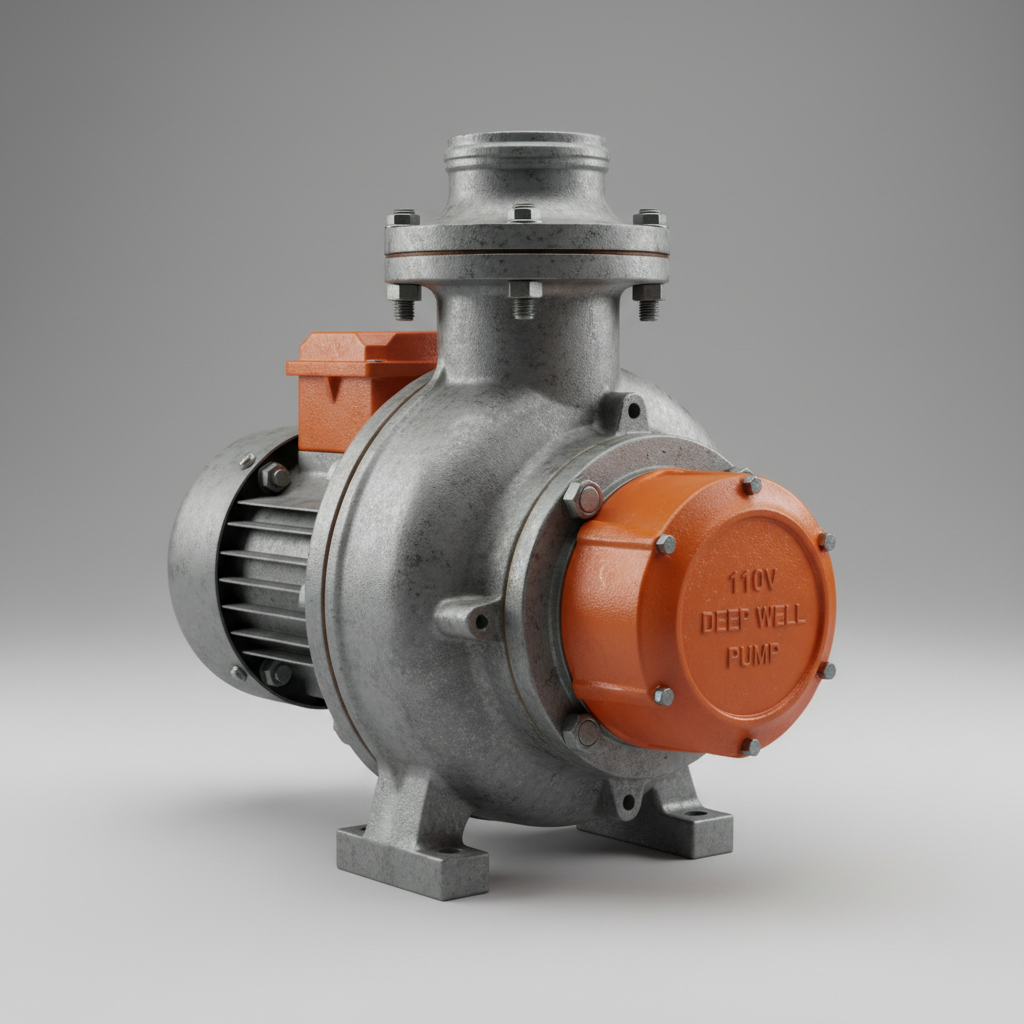
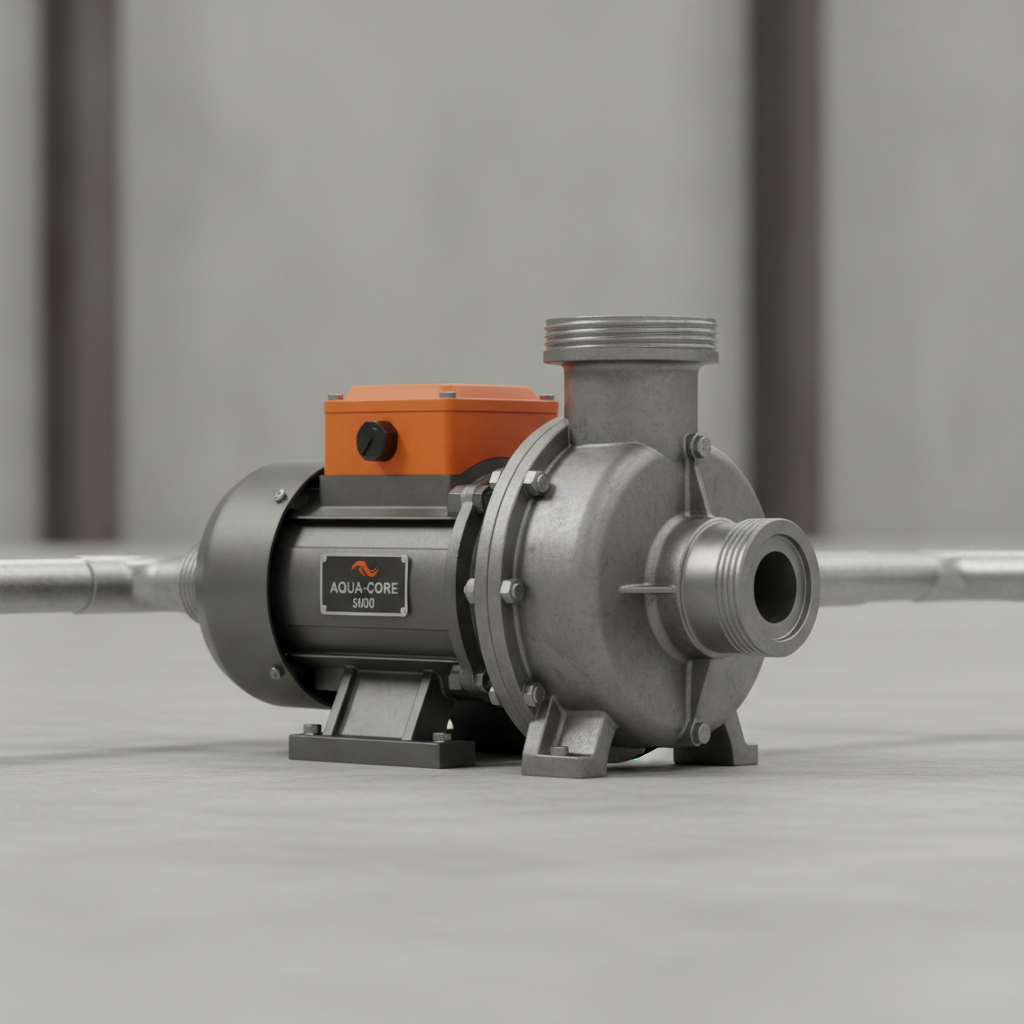
Accessing clean water from deep aquifers requires specialized technology, and the 3 deep well pump stands as a cornerstone in modern hydraulic engineering. These systems are designed to bridge the gap between unreachable groundwater levels and the surface, ensuring a consistent supply for agriculture, residential use, and industrial processes. By integrating high-efficiency motors with durable impeller designs, these pumps mitigate the risks associated with fluctuating water tables and environmental contaminants.
Globally, the demand for reliable water extraction has surged as surface water sources become increasingly erratic due to climate change. The implementation of a 3 deep well pump provides a sustainable solution for regions facing drought or saltwater intrusion, allowing communities to tap into pristine, deeper reservoirs. This shift is not merely about hardware but about securing water sovereignty and ensuring that critical infrastructure can withstand the pressures of long-term operation in harsh subterranean environments.
Understanding the technical nuances of the 3 deep well pump—from its submersible motor cooling to its multi-stage pressure boosting—is essential for engineers and project managers. Whether deploying a QJ series for standard irrigation or a stainless steel variant for corrosive environments, the goal remains the same: maximizing flow rate while minimizing energy consumption. This comprehensive guide explores the engineering, application, and future of deep well pumping technology to help you make an informed investment.
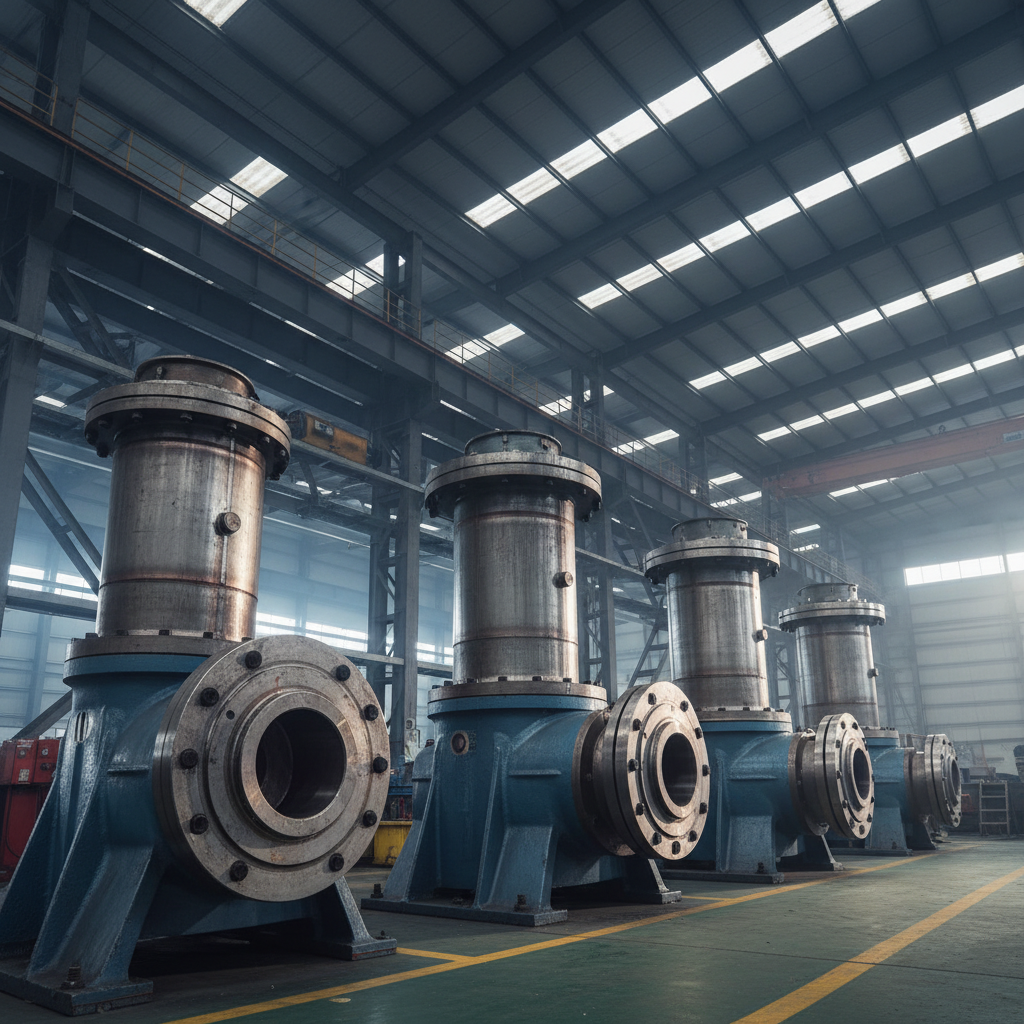
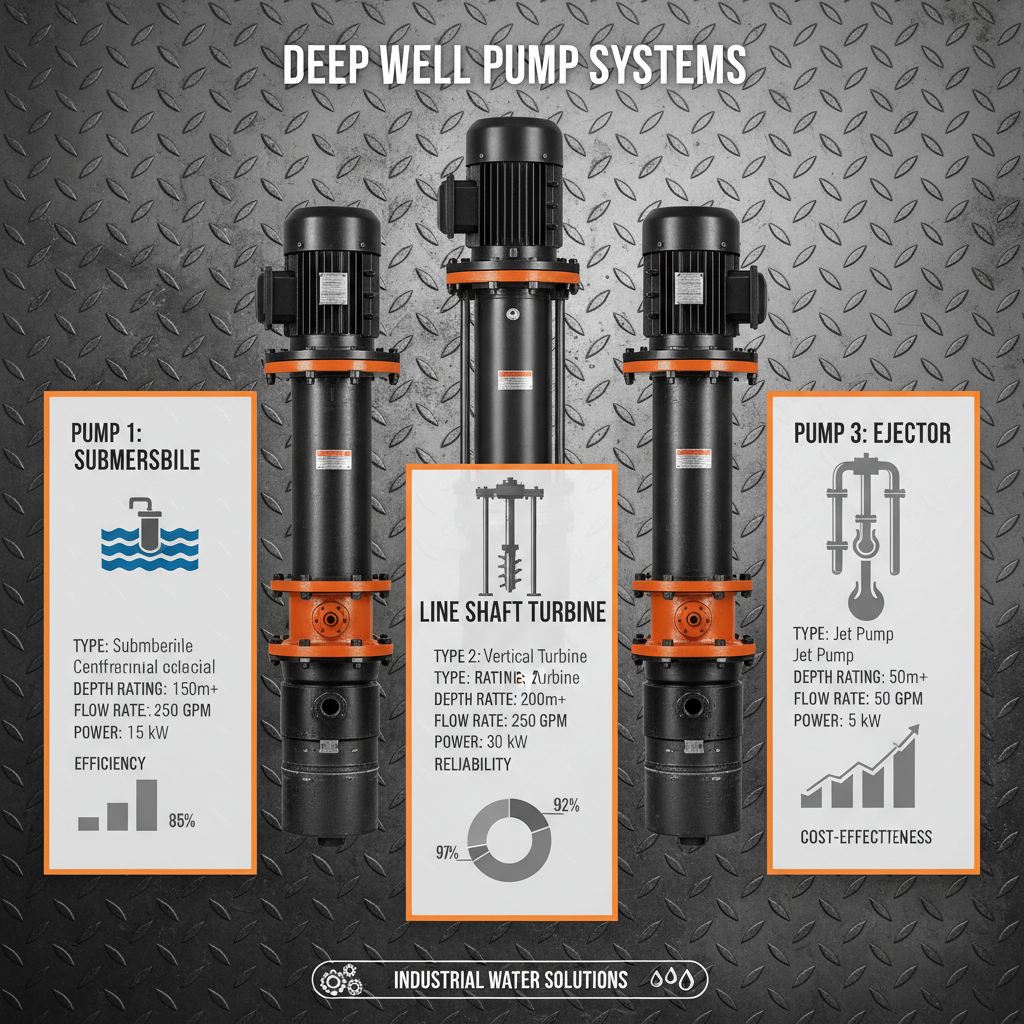
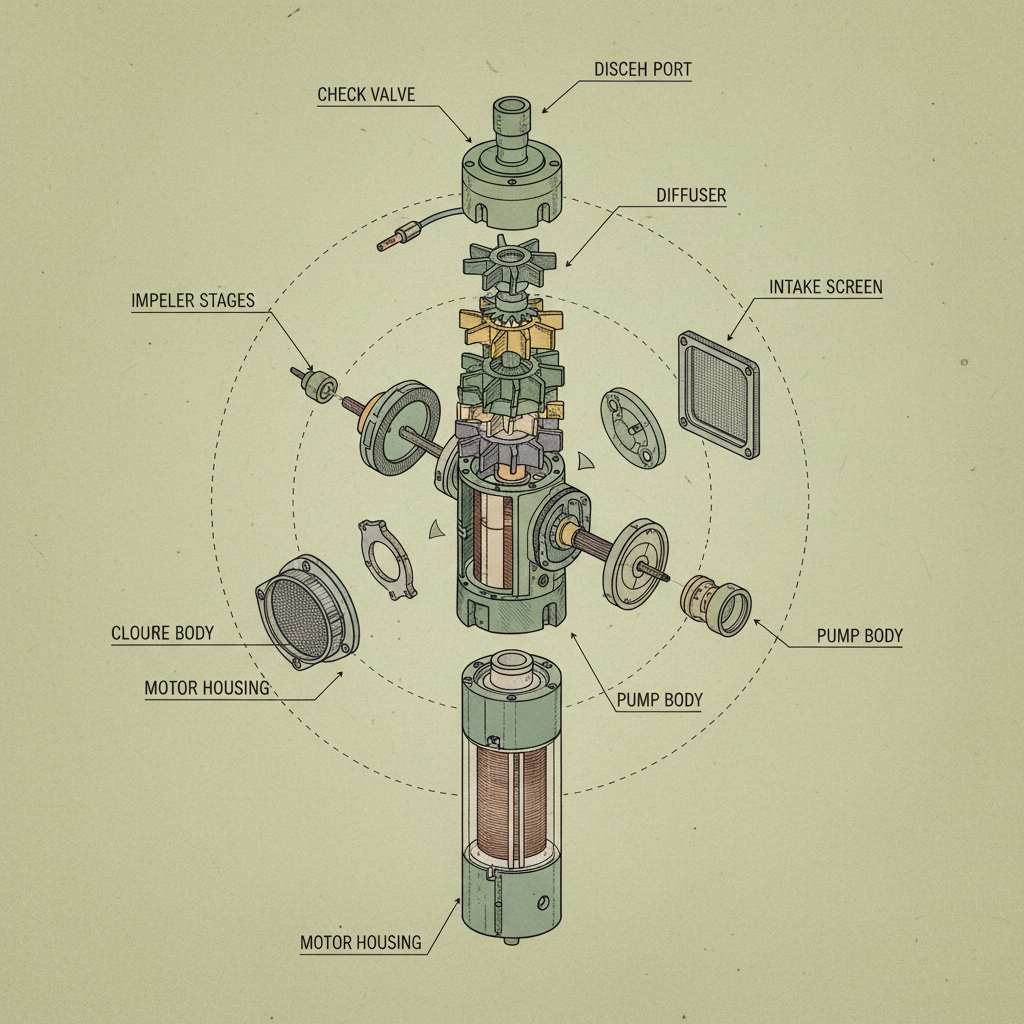
At its core, the 3 deep well pump is a masterpiece of fluid dynamics, designed to push water vertically against gravity from depths that would render surface pumps useless. Unlike standard centrifugal pumps, these submersible units are engineered to operate entirely underwater, utilizing the surrounding fluid for natural motor cooling. This design eliminates the need for priming and reduces the risk of cavitation, which is a common failure point in deep-lift scenarios.
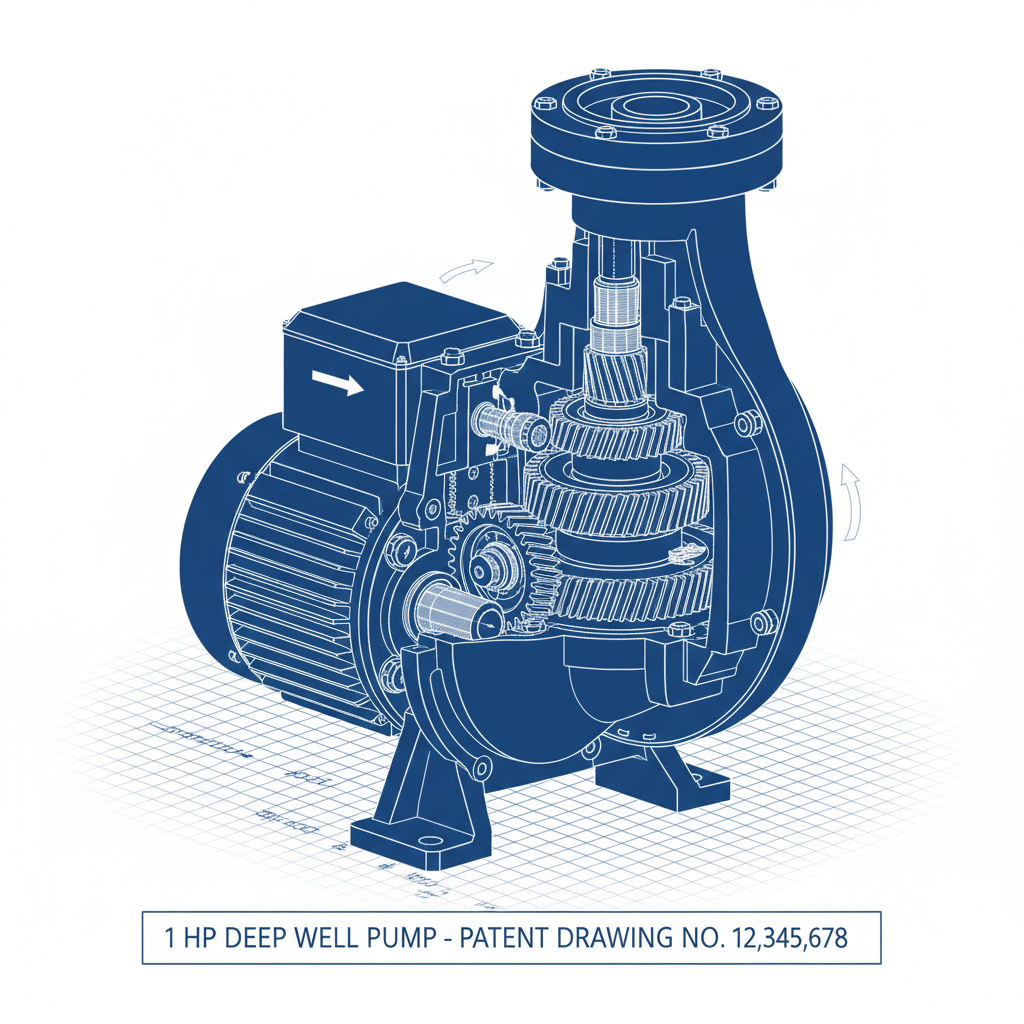
The structural integrity of these pumps relies on a multi-stage impeller system, where each stage incrementally increases the pressure of the fluid. By stacking these impellers, the 3 deep well pump can achieve the immense head pressure required to move water through hundreds of feet of piping without losing significant flow velocity. This modular approach allows manufacturers to customize the pump's lift capacity based on the specific geological profile of the well.
The primary difference lies in corrosion resistance and lifespan. A standard 3 deep well pump often uses cast iron or carbon steel, which is cost-effective for clean water. However, stainless steel versions are essential for borehole environments with high salinity, acidity, or mineral content, as they prevent rust and pitting, significantly reducing the frequency of pump replacements.
To choose the correct head, you must calculate the Total Dynamic Head (TDH). This includes the vertical distance from the water level to the discharge point, plus the friction loss caused by the piping and any required pressure at the exit. Selecting a 3 deep well pump with a head rating slightly above your TDH ensures optimal flow without overloading the motor.
No, operating a 3 deep well pump in a "dry run" condition can be catastrophic. Since the motor relies on the surrounding water for cooling, running dry leads to rapid overheating and seal failure. We strongly recommend installing a dry-run protection sensor or a low-water cutoff switch to automatically shut down the pump when levels drop.
Yes, QJB frequency conversion pumps are significantly more efficient because they allow the motor speed to be adjusted based on actual water demand. Instead of running at 100% capacity and using a valve to restrict flow, the 3 deep well pump adjusts its RPM, which drastically reduces energy consumption and minimizes mechanical wear on the system.
While submersible pumps are designed for long-term deployment, an annual electrical check of the control panel and a semi-annual review of the flow rate and energy consumption are recommended. If you notice a drop in pressure or an increase in amperage, it may indicate impeller wear or a partial blockage, requiring a professional inspection.
Absolutely. Many modern 3 deep well pump systems are paired with solar arrays and VFD controllers. This is particularly effective in remote agricultural zones where grid electricity is unavailable. The system can either pump water into an elevated storage tank during the day or use batteries to maintain a constant supply overnight.
The 3 deep well pump represents a vital intersection of mechanical engineering and environmental necessity. By mastering the balance between lift capacity, material durability, and energy efficiency, these systems provide a reliable lifeline to the world's most precious resource. From the robust QJ series to the intelligent QJB frequency conversion models, the ability to extract clean water from deep aquifers is a fundamental driver of agricultural productivity and public health globally.
Looking forward, the integration of AI-driven monitoring and sustainable energy sources will only enhance the value of these pumping solutions. For those managing water infrastructure, the focus should remain on selecting high-specification equipment that minimizes long-term operational risks. To explore our full range of professional water extraction solutions, visit our website: www.wellpumpact.com

 Afrikaans
 Albanian
 Amharic
 Arabic
 Armenian
 Azerbaijani
 Basque
 Belarusian
 Bengali
 Bosnian
 Bulgarian
 Catalan
 Cebuano
 Corsican
 Croatian
 Czech
Czech
 Danish
 Dutch
Dutch
 Esperanto
 Estonian
 Finnish
 French
 Frisian
 Galician
 Georgian
 German
 Greek
Greek
 Gujarati
 Haitian Creole
 Hausa
Hausa
 Hawaiian
 Hebrew
 Hindi
Hindi
 Miao
Miao
 Hungarian
 Icelandic
 Igbo
Igbo
 Indonesian
 Irish
Irish
 Italian
 Japanese
 Javanese
 Kannada
 Kazakh
 Khmer
Khmer
 Rwandese
 Korean
 Kurdish
 Kyrgyz
 Lao
Lao
 Latin
Latin
 Latvian
 Lithuanian
 Luxembourgish
 Macedonian
 Malgashi
 Malay
Malay
 Malayalam
 Maltese
 Maori
Maori
 Marathi
 Mongolian
 Myanmar
 Nepali
 Norwegian
 Norwegian
 Occitan
 Pashto
 Persian
 Polish
 Portuguese
 Punjabi
 Romanian
 Russian
 Samoan
 Scottish Gaelic
 Serbian
 Sesotho
 Shona
Shona
 Sindhi
 Sinhala
 Slovak
 Slovenian
 Somali
 Spanish
 Sundanese
 Swahili
 Swedish
 Tagalog
 Tajik
Tajik
 Tamil
Tamil
 Tatar
Tatar
 Telugu
 Thai
Thai
 Turkish
 Turkmen
 Ukrainian
 Urdu
Urdu
 Uighur
 Uzbek
Uzbek
 Vietnamese
 Welsh
Welsh
 Bantu
Bantu
 Yiddish
 Yoruba
 Zulu
Zulu
 English