Look, I've been running around construction sites for over a decade, and honestly, the biggest shift I've seen lately is this push for everything to be 'smart'. Not just the buildings, but even the basic stuff, like submersible well pumps. It used to be, a pump was a pump. You picked the horsepower, matched the pipe, and called it a day. Now? Now there's IoT, remote monitoring, variable frequency drives… it’s a whole different ballgame. And frankly, a lot of it feels like overengineering, but the demand’s there, so we adapt.
To be honest, the biggest headache? Everyone thinks they can design a great pump based on simulations. Have you noticed that? They spend months in the lab, running tests, and then get completely blindsided by what happens on a real job site. Dirt, vibration, inconsistent power… it all throws a wrench into their perfect calculations. I swear, I've seen pumps fail because the guys just threw a toolbox too close to the power supply.
And don’t even get me started on the materials. We're using a lot more stainless steel now, 316L mostly. Good stuff, yeah, but it's heavy. And that smell when you're welding it… ugh. The older guys miss the cast iron. It was cheaper, easier to work with, and you could tell a good piece just by tapping it. You could feel the density. Now? Everything feels…the same.
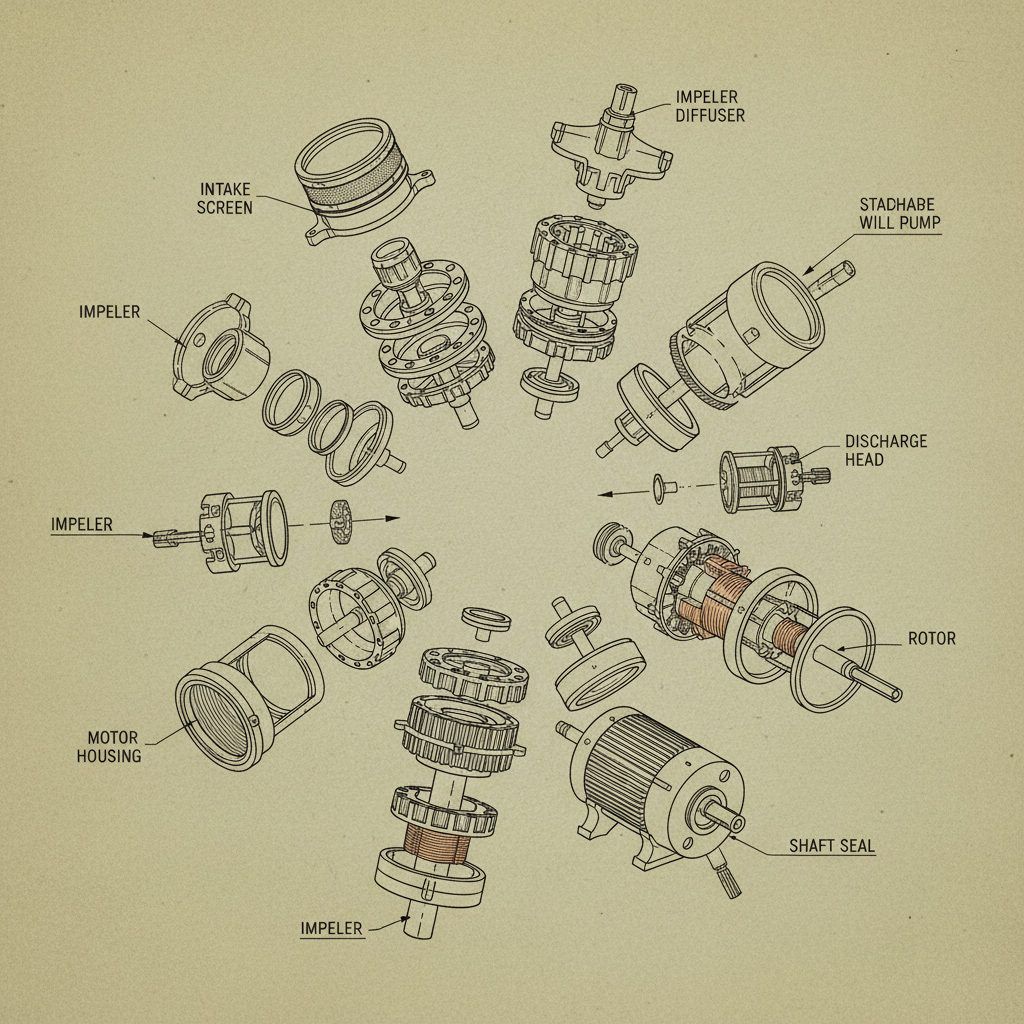
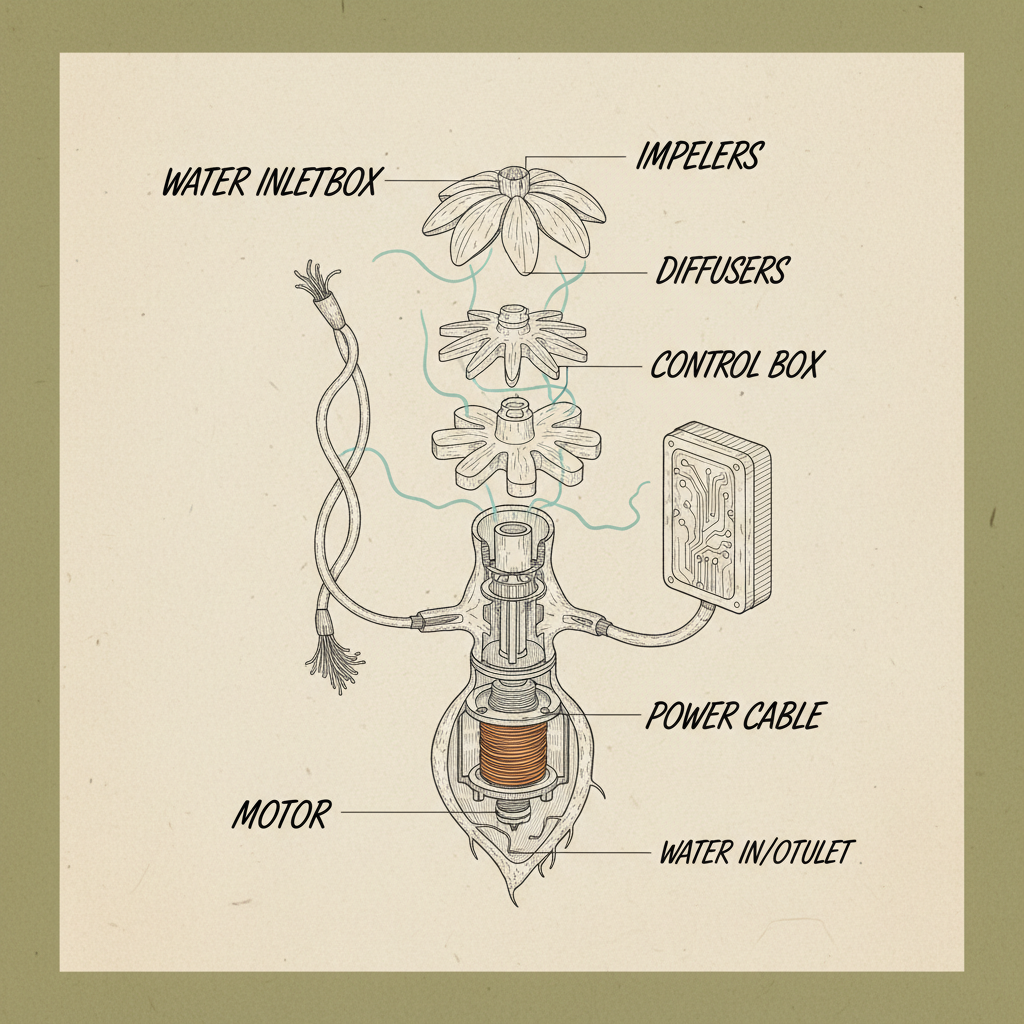
Strangely enough, the biggest problem I see with a lot of these new submersible well pumps isn’t the tech itself, it’s the interface. Engineers, they get caught up in making things look good. They forget these pumps are often going into dark, damp, cramped spaces. A complicated touchscreen isn't going to cut it. Give me simple, robust buttons any day. Later... Forget it, I won’t mention it.
I encountered this at a factory in Ningbo last time. They were so proud of their new ‘integrated control panel’. It looked fantastic! But the guys installing it said it was a nightmare to calibrate in the field. Too many menus, too much fiddling. And, of course, it required a specific USB cable for updates – one the guys never had on hand.
Honestly, there's no silver bullet. Good material selection is key – 316 stainless steel is a must. But beyond that, it’s about proper installation and regular maintenance. Making sure the pump is grounded correctly, keeping the water clean, and checking the seals periodically can extend its lifespan considerably. And if you’re in an area with particularly aggressive water, sacrificial anodes can buy you some time.
Inspect the cable every time you pull the pump for maintenance, no question. Look for cracks, abrasions, or any signs of damage. Rodents love to chew on those cables, too. A damaged cable can cause a short circuit and fry the entire pump, or worse, create a safety hazard. It’s a cheap thing to check, and it can save you a lot of trouble.
VFDs can be great for saving energy, but they're also a source of headaches. They’re sensitive to voltage fluctuations and harmonics. They require proper grounding and surge protection. If you're running a VFD, you need to have a qualified electrician set it up and monitor it. Otherwise, you're just asking for trouble.
Strange noises are never good. It could be anything from a worn bearing to a clogged impeller to a loose component. First, shut off the power immediately. Then, try to isolate the source of the noise. If it's a grinding sound, it's probably the bearings. If it's a rattling sound, it could be something loose inside the pump. If you're not comfortable diagnosing it yourself, call a professional.
You can, but you need to be careful. Some pumps are designed to handle solids, while others aren't. Pumping anything abrasive can damage the impeller and shorten the pump’s lifespan. And never pump flammable liquids with a standard submersible pump. It's a fire hazard. Always check the pump’s specifications and make sure it's compatible with the fluid you're pumping.
Drain it completely, that's rule number one! Any residual water can cause corrosion. Store it in a dry, climate-controlled environment, if possible. Cover it to protect it from dust and debris. And occasionally rotate the shaft to keep the bearings lubricated. It seems simple, but it makes a big difference.
Ultimately, these submersible well pumps are just tools. They're getting more sophisticated, sure, but they're still subject to the same basic principles of engineering and the realities of the job site. Reliability, efficiency, and ease of maintenance are still the most important factors.
And that’s the thing – whether this thing works or not, the worker will know the moment he tightens the screw. Don't overthink it. Listen to the guys in the field. They'll tell you what works and what doesn't. And if you're building a pump, make sure it's something they can actually use. That’s the key.
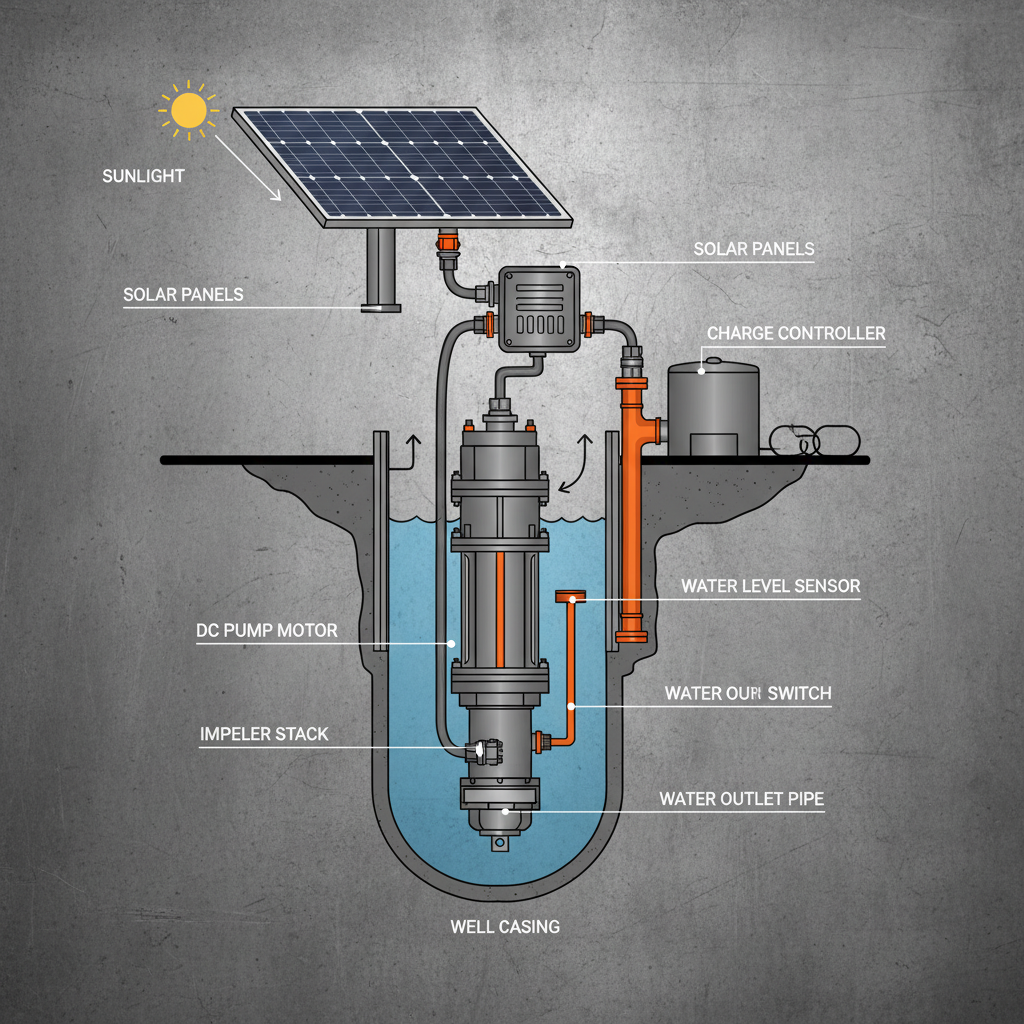
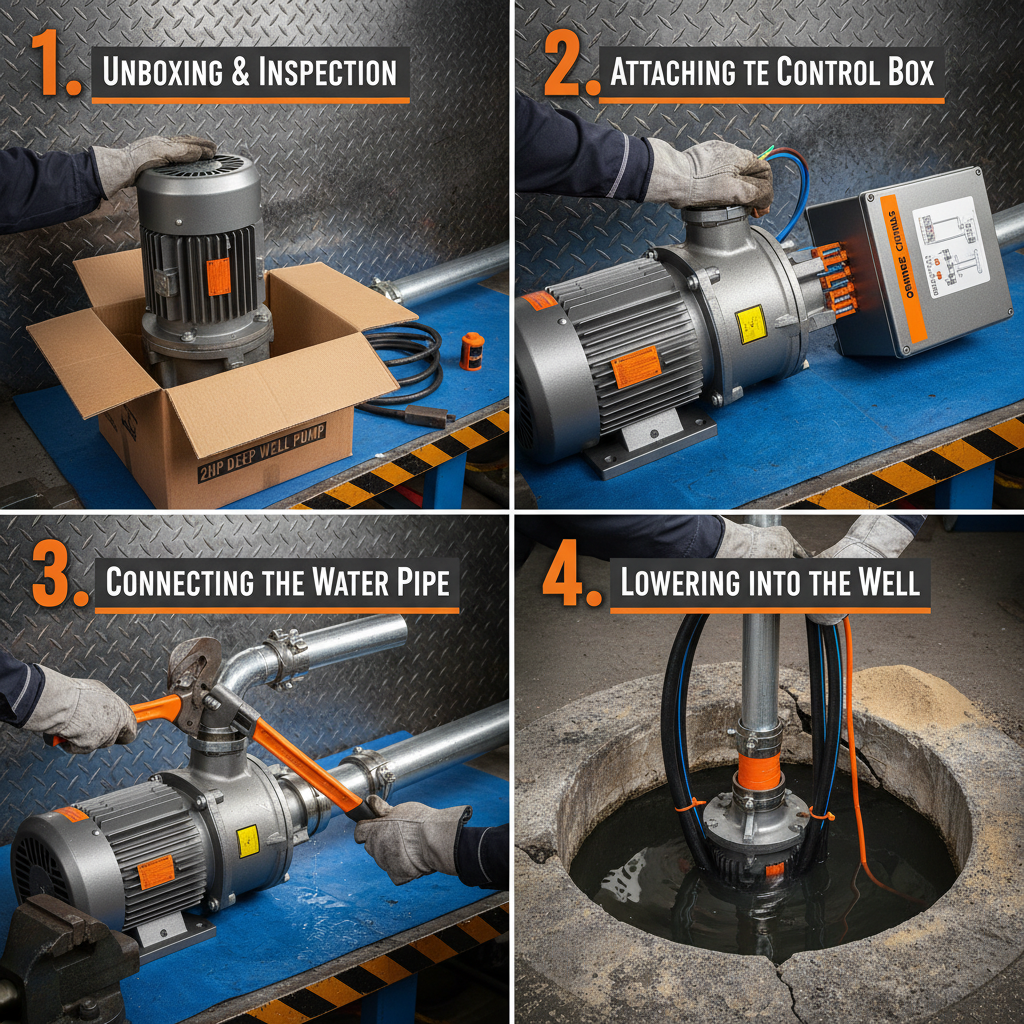

 Afrikaans
 Albanian
 Amharic
 Arabic
 Armenian
 Azerbaijani
 Basque
 Belarusian
 Bengali
 Bosnian
 Bulgarian
 Catalan
 Cebuano
 Corsican
 Croatian
 Czech
Czech
 Danish
 Dutch
Dutch
 Esperanto
 Estonian
 Finnish
 French
 Frisian
 Galician
 Georgian
 German
 Greek
Greek
 Gujarati
 Haitian Creole
 Hausa
Hausa
 Hawaiian
 Hebrew
 Hindi
Hindi
 Miao
Miao
 Hungarian
 Icelandic
 Igbo
Igbo
 Indonesian
 Irish
Irish
 Italian
 Japanese
 Javanese
 Kannada
 Kazakh
 Khmer
Khmer
 Rwandese
 Korean
 Kurdish
 Kyrgyz
 Lao
Lao
 Latin
Latin
 Latvian
 Lithuanian
 Luxembourgish
 Macedonian
 Malgashi
 Malay
Malay
 Malayalam
 Maltese
 Maori
Maori
 Marathi
 Mongolian
 Myanmar
 Nepali
 Norwegian
 Norwegian
 Occitan
 Pashto
 Persian
 Polish
 Portuguese
 Punjabi
 Romanian
 Russian
 Samoan
 Scottish Gaelic
 Serbian
 Sesotho
 Shona
Shona
 Sindhi
 Sinhala
 Slovak
 Slovenian
 Somali
 Spanish
 Sundanese
 Swahili
 Swedish
 Tagalog
 Tajik
Tajik
 Tamil
Tamil
 Tatar
Tatar
 Telugu
 Thai
Thai
 Turkish
 Turkmen
 Ukrainian
 Urdu
Urdu
 Uighur
 Uzbek
Uzbek
 Vietnamese
 Welsh
Welsh
 Bantu
Bantu
 Yiddish
 Yoruba
 Zulu
Zulu
 English