The global demand for reliable water access is constantly increasing, particularly in rural and off-grid locations. A 12 volt deep well pump provides a sustainable and cost-effective solution, bypassing the need for extensive grid infrastructure. These pumps are becoming increasingly vital for individual households, small farms, and community water projects, especially where traditional power sources are unavailable or unreliable.
The versatility of a 12 volt deep well pump stems from its compatibility with renewable energy sources like solar panels and batteries. This allows for completely independent operation, reducing reliance on fossil fuels and lowering long-term operating costs. The increasing affordability and efficiency of these pumps are driving their adoption worldwide, empowering communities to achieve water security.
Understanding the principles, applications, and advancements in 12 volt deep well pump technology is crucial for addressing global water challenges and promoting sustainable development. Their increasing importance stems from providing water solutions tailored for remote areas and empowering people to control their water supply.

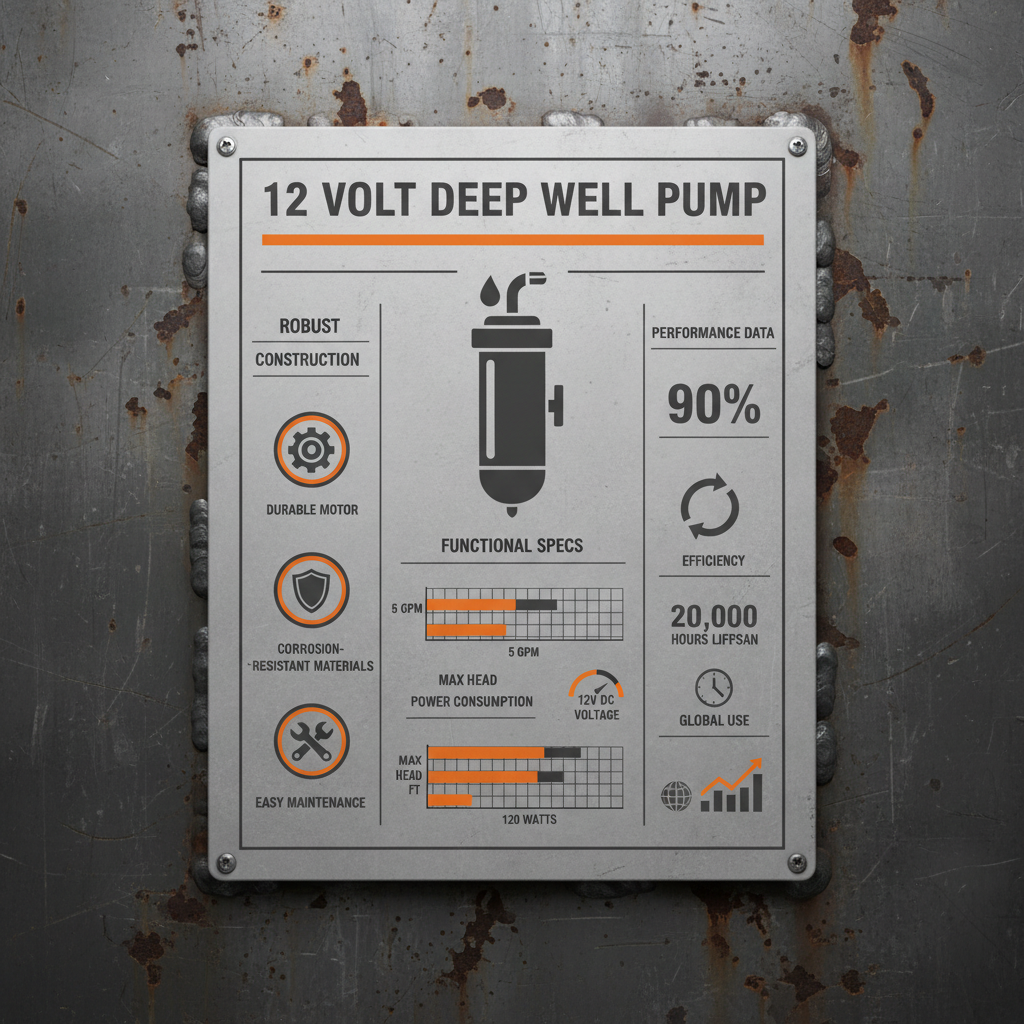
Access to clean and reliable water sources is a fundamental human right. However, billions globally face water scarcity, and traditional water infrastructure is often inadequate or inaccessible, particularly in remote regions. A 12 volt deep well pump offers a decentralized solution, enabling individuals and communities to tap into underground water reserves independently.
The rising cost of energy and the increasing awareness of environmental sustainability are also driving the demand for 12 volt deep well pump systems. These pumps can be powered by renewable energy sources, reducing carbon footprints and offering long-term cost savings. This makes them an ideal choice for environmentally conscious consumers and organizations.
With proper maintenance and depending on usage conditions, a quality 12 volt deep well pump can last between 5 to 15 years. Factors influencing lifespan include water quality (sediment levels), pump usage frequency, and the quality of the pump's components. Regular cleaning of the intake filter and monitoring of electrical connections can significantly extend its operational life. Using surge protection is also essential to protect the motor from voltage spikes.
The required battery bank size depends heavily on the pump's power consumption (wattage), the desired run time, and the depth of the well. A larger well requiring more lift will consume more power. As a general rule, calculate the pump's daily energy needs (watt-hours) and then divide that by the battery voltage (12V) to determine the required amp-hour capacity. It is recommended to oversize the battery bank by 20-30% to account for inefficiencies and cloudy days if using solar power.
While it's possible to connect a pump directly to solar panels, it's generally not recommended. Solar panel output varies with sunlight, which can cause the pump to start and stop frequently, shortening its lifespan. A solar charge controller is crucial for regulating the voltage and current flowing from the panels to the pump and/or battery bank, ensuring stable operation and preventing damage. MPPT (Maximum Power Point Tracking) controllers are highly recommended for maximizing energy harvesting from solar panels.
Common problems include pump overheating, reduced flow rate due to sediment buildup, and electrical issues. Prevention includes regularly cleaning the intake filter, ensuring proper ventilation around the pump, using a surge protector, and periodically checking electrical connections. Also, avoid running the pump dry, as this can quickly damage the impeller and motor. Using a low-water cutoff switch can prevent this.
The effective depth varies based on pump specifications, but generally, 12 volt deep well pumps are designed for wells ranging from 25 to 200 feet. However, the Total Dynamic Head (TDH) – which accounts for the depth of the well plus friction losses in the piping – is the critical factor. Exceeding the pump’s TDH rating will significantly reduce its performance and lifespan. Correct pump sizing is vital for optimal operation at the desired depth.
Polyethylene (PE) or PVC piping are commonly used for 12 volt deep well pump installations due to their durability, flexibility, and resistance to corrosion. The pipe diameter should be chosen based on the pump’s flow rate and the distance the water needs to travel. Using a larger diameter pipe reduces friction loss and improves flow efficiency. Ensure the piping is rated for potable water if it's being used for drinking.
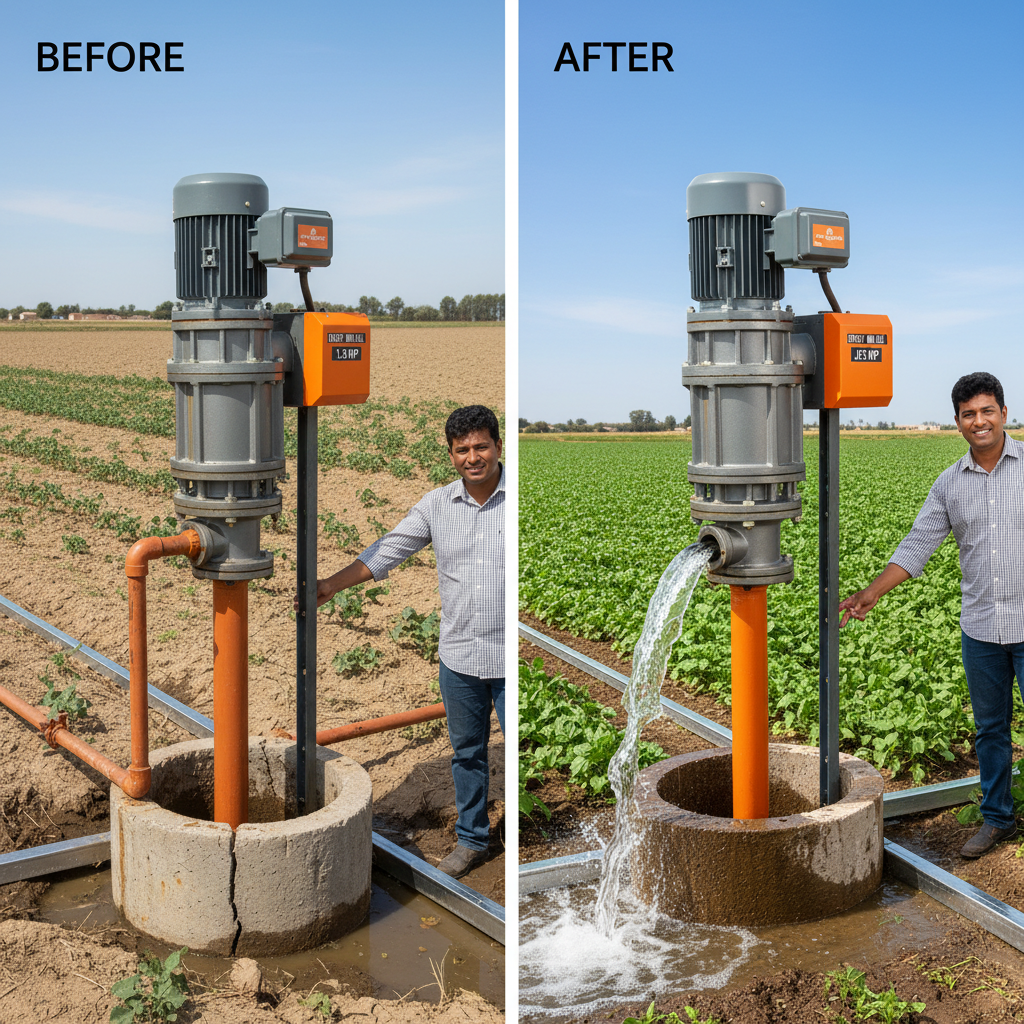
12 volt deep well pump systems represent a significant advancement in providing sustainable and accessible water solutions. Their versatility, affordability, and compatibility with renewable energy sources make them an ideal choice for a wide range of applications, from rural homes to disaster relief efforts. By empowering communities with independent water access, these pumps contribute to improved health, economic development, and environmental sustainability.
As technology continues to evolve, we can expect even more innovative and efficient 12 volt deep well pump solutions to emerge. Investing in these technologies and promoting their adoption is crucial for addressing global water challenges and ensuring a secure water future for all. Visit our website at www.wellpumpact.com to learn more about our range of deep well pumps and how we can help you find the perfect solution for your needs.

 Afrikaans
 Albanian
 Amharic
 Arabic
 Armenian
 Azerbaijani
 Basque
 Belarusian
 Bengali
 Bosnian
 Bulgarian
 Catalan
 Cebuano
 Corsican
 Croatian
 Czech
Czech
 Danish
 Dutch
Dutch
 Esperanto
 Estonian
 Finnish
 French
 Frisian
 Galician
 Georgian
 German
 Greek
Greek
 Gujarati
 Haitian Creole
 Hausa
Hausa
 Hawaiian
 Hebrew
 Hindi
Hindi
 Miao
Miao
 Hungarian
 Icelandic
 Igbo
Igbo
 Indonesian
 Irish
Irish
 Italian
 Japanese
 Javanese
 Kannada
 Kazakh
 Khmer
Khmer
 Rwandese
 Korean
 Kurdish
 Kyrgyz
 Lao
Lao
 Latin
Latin
 Latvian
 Lithuanian
 Luxembourgish
 Macedonian
 Malgashi
 Malay
Malay
 Malayalam
 Maltese
 Maori
Maori
 Marathi
 Mongolian
 Myanmar
 Nepali
 Norwegian
 Norwegian
 Occitan
 Pashto
 Persian
 Polish
 Portuguese
 Punjabi
 Romanian
 Russian
 Samoan
 Scottish Gaelic
 Serbian
 Sesotho
 Shona
Shona
 Sindhi
 Sinhala
 Slovak
 Slovenian
 Somali
 Spanish
 Sundanese
 Swahili
 Swedish
 Tagalog
 Tajik
Tajik
 Tamil
Tamil
 Tatar
Tatar
 Telugu
 Thai
Thai
 Turkish
 Turkmen
 Ukrainian
 Urdu
Urdu
 Uighur
 Uzbek
Uzbek
 Vietnamese
 Welsh
Welsh
 Bantu
Bantu
 Yiddish
 Yoruba
 Zulu
Zulu
 English