You know, been running around construction sites all year, dust in my teeth, and honestly, everyone's talking about deep well pumps for sale these days. It's not just the big agricultural guys anymore, it’s smaller operations, even residential. Seems like everyone’s realizing reliable water access isn't something you can just take for granted.
There's a real push for self-sufficiency, especially with those unpredictable weather patterns we’ve been seeing. Folks are tired of relying on municipal water or hoping for rain. And, to be honest, the older systems…they’re just wearing out. Finding parts is a nightmare.
It all boils down to needing something dependable, right? Something that just…works. But getting there? That's where it gets tricky.
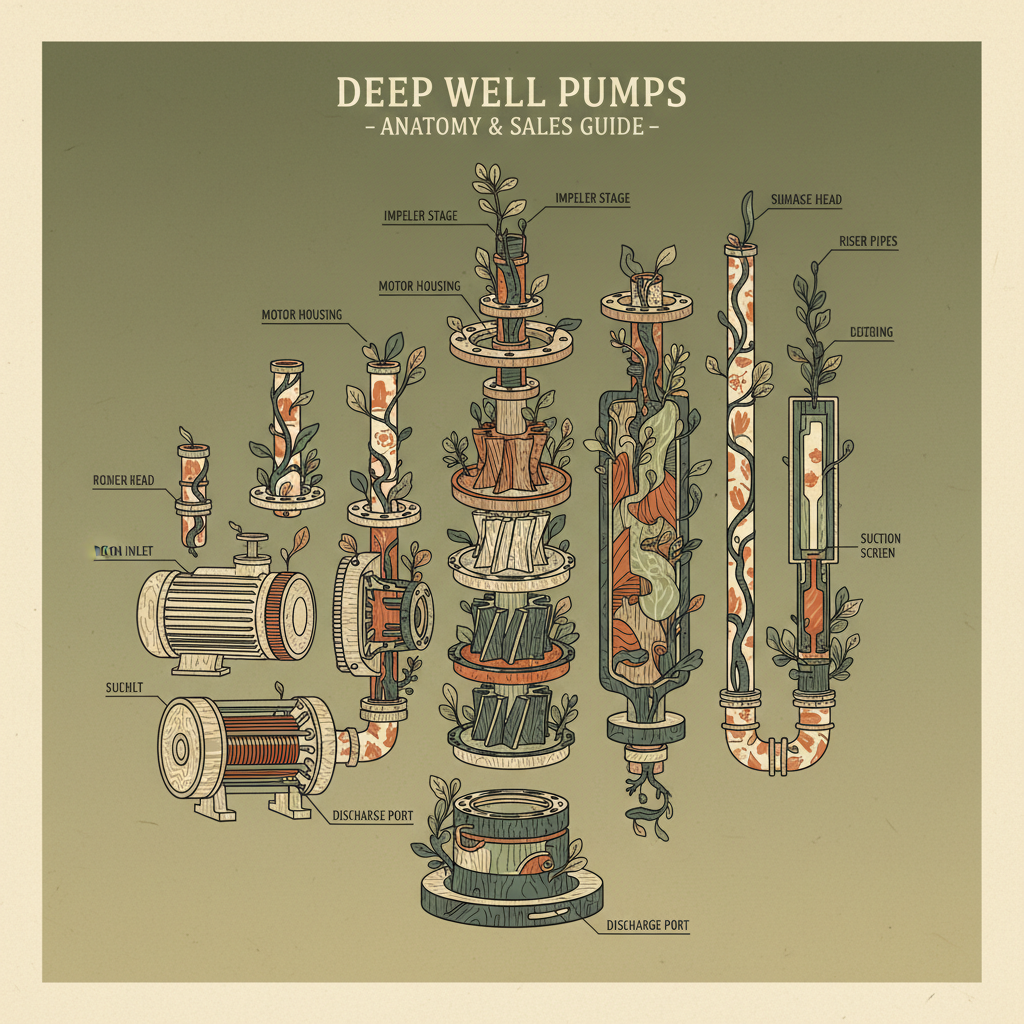

Have you noticed how everyone wants stainless steel now? Used to be, galvanized steel was fine, but the corrosion…it just eats away at things. Stainless is definitely more upfront cost, but it lasts. It's the smell too, you know? Galvanized has that…metallic tang. Stainless is cleaner. Anyway, a lot of the newer pumps are brushless DC motors. They’re quieter, more efficient, and seem to hold up better to the constant starts and stops.
But don't get me started on the control panels. Too much fancy digital stuff. I encountered this at a farm in Iowa last time – the farmer, great guy, but he couldn’t even reset the thing when it tripped. He needed a technician to drive two hours just to flip a breaker. Simpler is often better, especially when you’re relying on these things in remote locations.
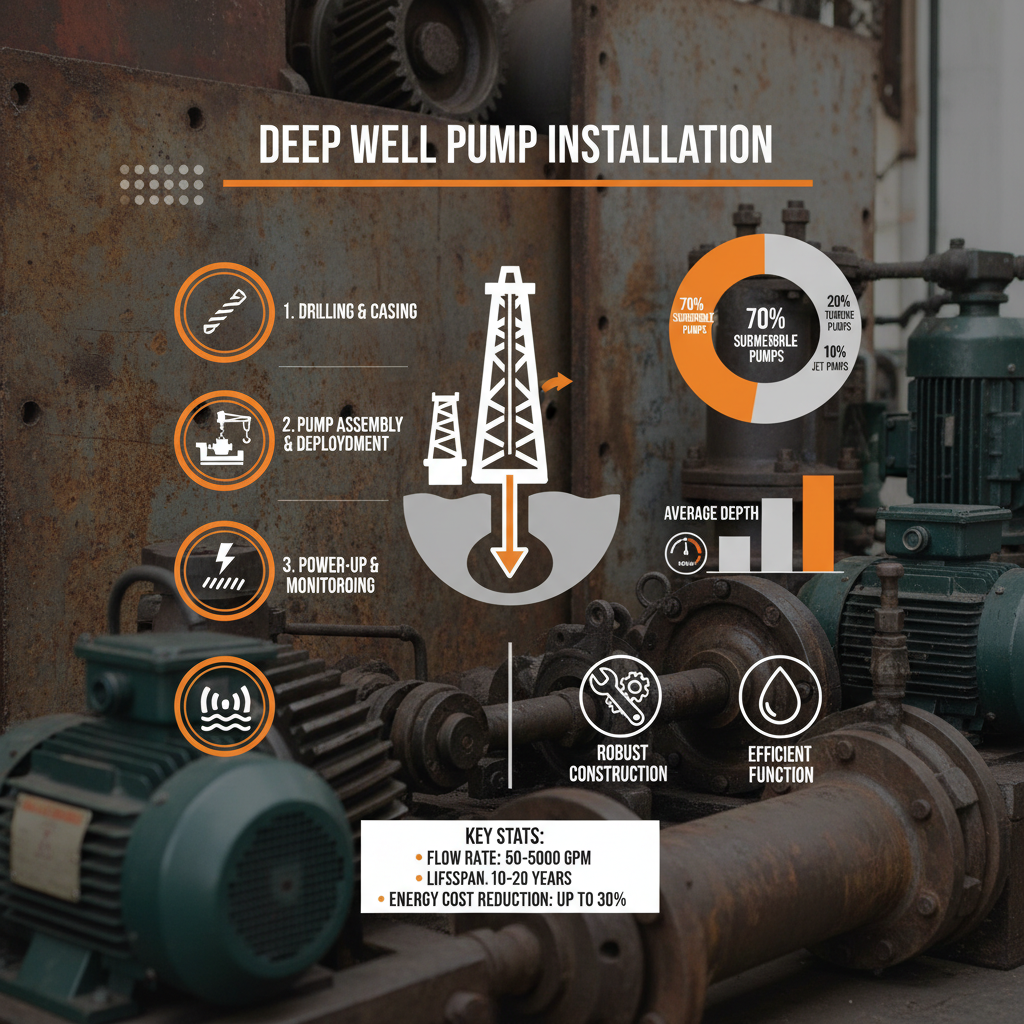
That’s a good question. Honestly, it depends on a lot - water quality, usage, maintenance. But generally, you’re looking at 15-25 years with a good quality pump and regular upkeep. I've seen some last 30, but those are the exception, not the rule. Neglect it, and you might be replacing it after 5-10 years. It's worth the investment upfront to get something solid.
Typically, a deep well pump can draw water from depths of up to 200-300 feet. But there are specialized pumps that can go even deeper, up to 1000 feet or more. It all comes down to the pump's design and horsepower. You've also got to consider the water table and the static lift. Don't just assume a pump can reach a certain depth without doing the math!
Regular maintenance is key! Check the pump’s power cable for damage, inspect the well casing for cracks, and monitor the water level. You should also periodically flush the well to remove sediment and debris. And, of course, if you notice any unusual noises or changes in performance, get it checked out by a professional. It’s cheaper to fix a small problem than to replace the whole pump.
Absolutely! Solar-powered deep well pumps are becoming increasingly popular, especially in remote areas. It requires a solar panel array sized to match the pump’s power requirements and a battery bank to store energy for cloudy days. It’s a great option for off-grid living, but it can be a significant upfront investment.
Submersible pumps, like we’ve been talking about, sit inside the well, under the water. Jet pumps are above ground and use suction to draw water up. Submersibles are generally more efficient and reliable for deeper wells. Jet pumps are simpler and cheaper, but they’re more prone to cavitation and require priming. Really, for anything over 25 feet or so, submersible is the way to go.
Oh, plenty! Using the wrong size pipe, failing to properly ground the pump, not using a check valve, installing a damaged power cable… I’ve seen it all. That’s why it's crucial to hire a qualified professional who knows what they’re doing. Cutting corners on installation will almost always lead to problems down the road.
Ultimately, deep well pumps for sale offer a reliable and sustainable solution for accessing water in a wide range of applications. From agriculture to disaster relief, they provide a vital resource that can improve lives and support economic development. While challenges exist – initial cost, maintenance, and potential for failure – these can be mitigated through careful planning, proper installation, and regular upkeep.
But look, all the engineering specs, fancy materials, and smart technology in the world don’t matter if the pump doesn’t actually work when you need it. Whether this thing works or not, the worker will know the moment he tightens the screw. That’s the bottom line.

 Afrikaans
 Albanian
 Amharic
 Arabic
 Armenian
 Azerbaijani
 Basque
 Belarusian
 Bengali
 Bosnian
 Bulgarian
 Catalan
 Cebuano
 Corsican
 Croatian
 Czech
Czech
 Danish
 Dutch
Dutch
 Esperanto
 Estonian
 Finnish
 French
 Frisian
 Galician
 Georgian
 German
 Greek
Greek
 Gujarati
 Haitian Creole
 Hausa
Hausa
 Hawaiian
 Hebrew
 Hindi
Hindi
 Miao
Miao
 Hungarian
 Icelandic
 Igbo
Igbo
 Indonesian
 Irish
Irish
 Italian
 Japanese
 Javanese
 Kannada
 Kazakh
 Khmer
Khmer
 Rwandese
 Korean
 Kurdish
 Kyrgyz
 Lao
Lao
 Latin
Latin
 Latvian
 Lithuanian
 Luxembourgish
 Macedonian
 Malgashi
 Malay
Malay
 Malayalam
 Maltese
 Maori
Maori
 Marathi
 Mongolian
 Myanmar
 Nepali
 Norwegian
 Norwegian
 Occitan
 Pashto
 Persian
 Polish
 Portuguese
 Punjabi
 Romanian
 Russian
 Samoan
 Scottish Gaelic
 Serbian
 Sesotho
 Shona
Shona
 Sindhi
 Sinhala
 Slovak
 Slovenian
 Somali
 Spanish
 Sundanese
 Swahili
 Swedish
 Tagalog
 Tajik
Tajik
 Tamil
Tamil
 Tatar
Tatar
 Telugu
 Thai
Thai
 Turkish
 Turkmen
 Ukrainian
 Urdu
Urdu
 Uighur
 Uzbek
Uzbek
 Vietnamese
 Welsh
Welsh
 Bantu
Bantu
 Yiddish
 Yoruba
 Zulu
Zulu
 English