The reliable supply of water is foundational to modern life, and a crucial component of that is the deep well pump. Specifically, the 1 hp deep well pump plays a vital role in providing potable water to homes, farms, and industries around the globe. Its accessibility and relatively low cost compared to larger systems make it an invaluable tool, particularly in rural and developing areas. Understanding the principles, applications, and future of this technology is essential for addressing global water security challenges.
The increasing demand for groundwater, driven by population growth and climate change, puts immense pressure on water resources. A 1 hp deep well pump offers a practical solution for accessing these resources, allowing individuals and communities to gain independence from centralized water systems. However, responsible usage and sustainable practices are paramount to ensure long-term availability and prevent depletion of aquifers.
This exploration delves into the specifics of the 1 hp deep well pump, from its fundamental components and operational principles to its diverse applications, future trends, and potential challenges. By examining these aspects, we aim to provide a comprehensive understanding of this critical technology and its contribution to a more water-secure future.
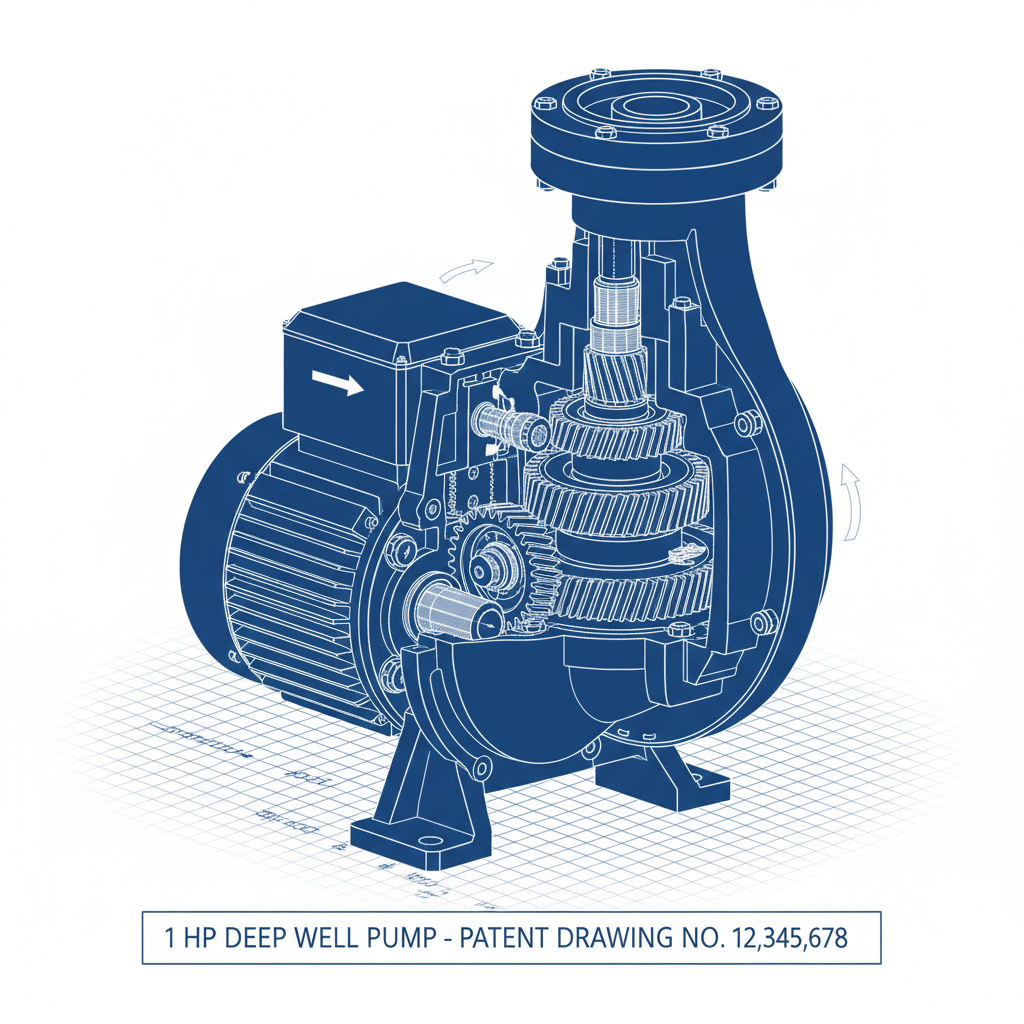
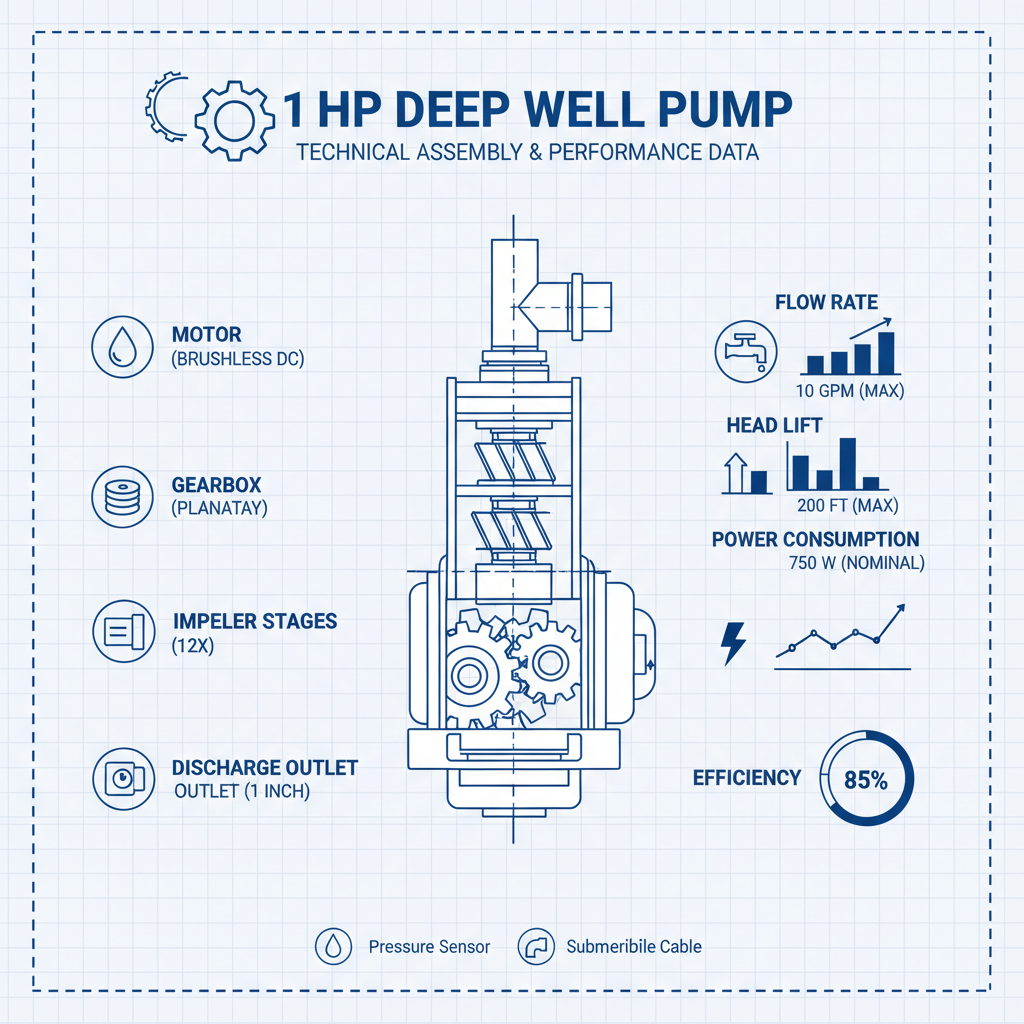
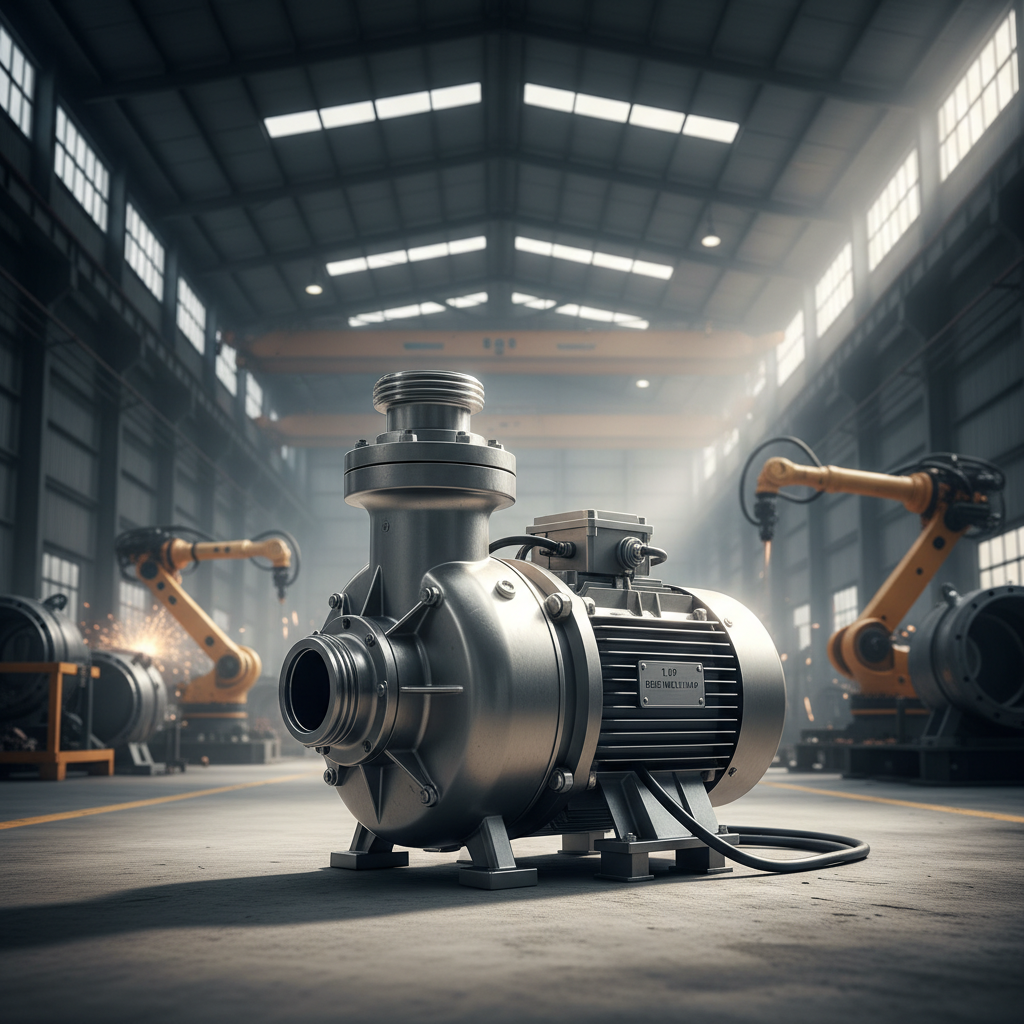
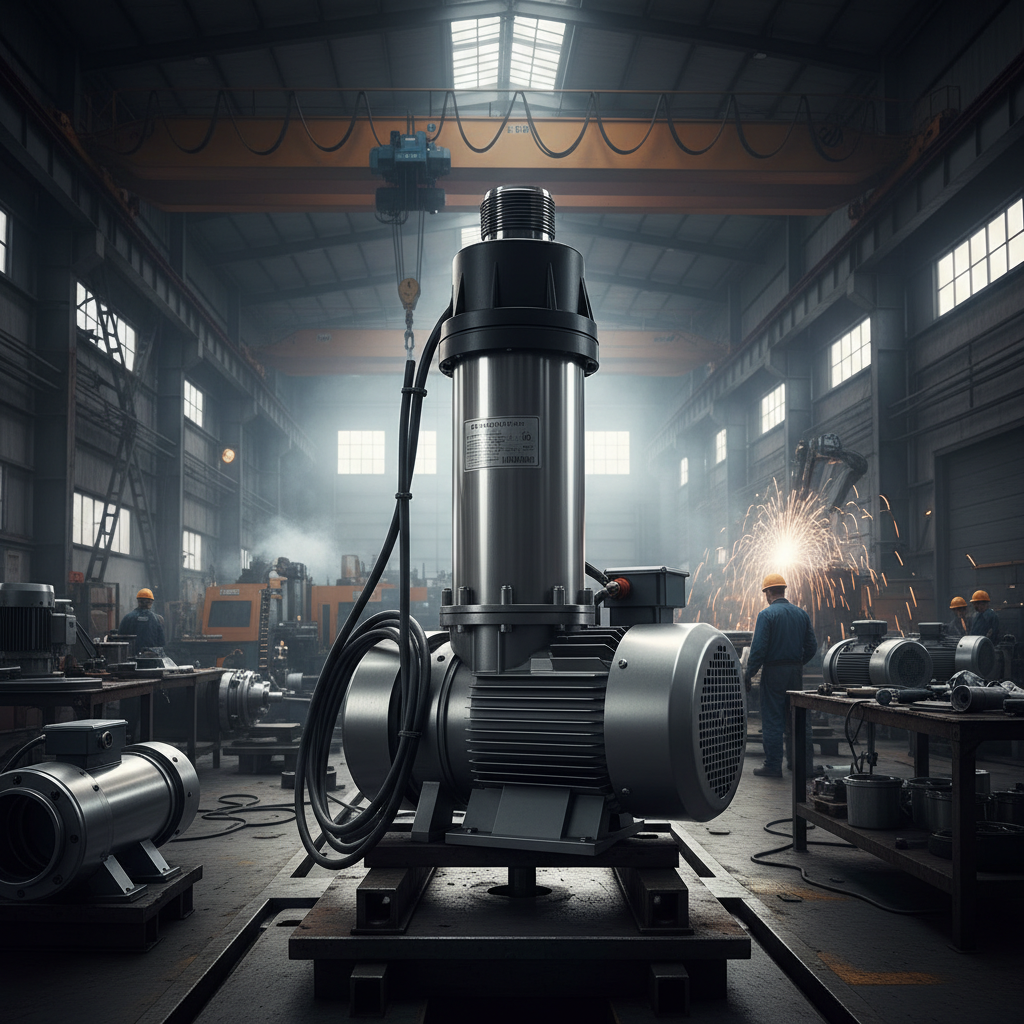
A 1 hp deep well pump fundamentally operates by using a submersible motor to draw water from aquifers located far below the surface. The "horsepower" rating indicates the power of the motor, with 1 hp being suitable for many residential and agricultural applications where water demand is moderate. This pumping action overcomes gravitational forces and friction within the well casing to deliver water to the surface.
The design emphasizes efficiency and durability. Submersible pumps are positioned directly within the well, eliminating the need for surface priming and reducing the risk of cavitation. The robust construction, often using stainless steel or durable polymers, ensures longevity even in harsh groundwater conditions, making a 1 hp deep well pump a reliable long-term investment.
A well-maintained 1 hp deep well pump generally lasts between 10 and 20 years, depending on factors such as water quality, usage frequency, and adherence to recommended maintenance schedules. Regular inspection and cleaning can significantly extend its lifespan, while harsh water conditions or infrequent use can shorten it. Choosing a high-quality pump with corrosion-resistant materials is also crucial for longevity.
A 1 hp deep well pump can generally lift water from depths up to 250 feet, but the effective pumping depth is dependent on the pump's design and the diameter of the well casing. As depth increases, the flow rate will decrease. It's essential to select a pump with the appropriate horsepower and head capacity to meet your specific well depth and water demand. Consulting with a well drilling professional is highly recommended.
Regular maintenance includes checking the power cable for damage, inspecting the pump intake screen for debris, and monitoring the pump's performance for any signs of reduced flow or unusual noises. Annual inspections by a qualified technician are advisable to ensure optimal operation and identify potential problems early on. Proper winterization in colder climates is also vital to prevent freezing damage.
The installation cost of a 1 hp deep well pump can vary significantly based on factors such as well depth, location, and labor rates. A typical installation, including the pump, wiring, and well casing connection, can range from $800 to $2,500. Additional costs may be incurred for well drilling or excavation if a well does not already exist.
Yes, a 1 hp deep well pump is commonly used in conjunction with a pressure tank. The tank stores water under pressure, reducing pump cycling and extending its lifespan. It also provides a consistent water supply, even during periods of low demand. The size of the pressure tank should be appropriately matched to the pump's flow rate and household water usage.
Common signs of a failing 1 hp deep well pump include reduced water flow, fluctuating water pressure, unusual noises coming from the well, and the pump cycling on and off frequently. These indicators suggest a potential issue with the pump motor, impeller, or other components, and prompt inspection and repair are necessary to avoid complete pump failure.
The 1 hp deep well pump remains a cornerstone of water access for countless individuals and communities worldwide. Its affordability, reliability, and relatively simple operation make it a vital tool in addressing global water scarcity challenges. Understanding its functionality, applications, and emerging trends is crucial for ensuring its continued effectiveness in a changing world.
Looking ahead, continued innovation in pump technology, coupled with responsible water management practices, will be essential for maximizing the benefits of these systems. Investing in research and development, promoting sustainable usage, and providing access to quality pumps and maintenance services will empower communities to secure their water future. For more information and to explore our range of 1 hp deep well pumps, visit our website today!

 Afrikaans
 Albanian
 Amharic
 Arabic
 Armenian
 Azerbaijani
 Basque
 Belarusian
 Bengali
 Bosnian
 Bulgarian
 Catalan
 Cebuano
 Corsican
 Croatian
 Czech
Czech
 Danish
 Dutch
Dutch
 Esperanto
 Estonian
 Finnish
 French
 Frisian
 Galician
 Georgian
 German
 Greek
Greek
 Gujarati
 Haitian Creole
 Hausa
Hausa
 Hawaiian
 Hebrew
 Hindi
Hindi
 Miao
Miao
 Hungarian
 Icelandic
 Igbo
Igbo
 Indonesian
 Irish
Irish
 Italian
 Japanese
 Javanese
 Kannada
 Kazakh
 Khmer
Khmer
 Rwandese
 Korean
 Kurdish
 Kyrgyz
 Lao
Lao
 Latin
Latin
 Latvian
 Lithuanian
 Luxembourgish
 Macedonian
 Malgashi
 Malay
Malay
 Malayalam
 Maltese
 Maori
Maori
 Marathi
 Mongolian
 Myanmar
 Nepali
 Norwegian
 Norwegian
 Occitan
 Pashto
 Persian
 Polish
 Portuguese
 Punjabi
 Romanian
 Russian
 Samoan
 Scottish Gaelic
 Serbian
 Sesotho
 Shona
Shona
 Sindhi
 Sinhala
 Slovak
 Slovenian
 Somali
 Spanish
 Sundanese
 Swahili
 Swedish
 Tagalog
 Tajik
Tajik
 Tamil
Tamil
 Tatar
Tatar
 Telugu
 Thai
Thai
 Turkish
 Turkmen
 Ukrainian
 Urdu
Urdu
 Uighur
 Uzbek
Uzbek
 Vietnamese
 Welsh
Welsh
 Bantu
Bantu
 Yiddish
 Yoruba
 Zulu
Zulu
 English