
Dec . 03, 2025 15:20 Back to list
Reliable Submersible Pump for Water Well | Expert Guide & Comparison
Submersible Pump for Water Well: A Reliable Workhorse Beneath the Surface
If you've ever worked in the industrial equipment sector—or got your hands dirty installing or maintaining water systems—you know that a submersible pump for water well isn’t just another piece in the machinery lineup. It’s kind of the unsung hero, silently powering wells to bring water where it’s needed most. Frankly, there's something oddly satisfying about a pump that just works underwater, freeing you from all that pesky priming and cavitation concerns that plague surface pumps.
From my experience, these pumps are marvels of engineering in a compact package—designed to withstand harsh conditions deep below ground. The ones I've dealt with usually had stainless steel shafts and high-grade thermoplastics, built explicitly to resist corrosion and debris. You might think the design is straightforward, but there’s a lot packed in: efficient motor windings, sealed bearings, and well-thought-out motor cooling techniques because, naturally, the water itself acts as the coolant.
And you know, customization tends to matter a lot here. Over the years, I noticed different projects demanding different power ratings, cable lengths, or even specific impeller designs. It’s not one-size-fits-all, especially for wells in remote locations where downtime isn’t just inconvenient—it can be costly. That’s why some manufacturers offer a range of models, with varying horsepower and flow rates, allowing you to match the pump perfectly to the well depth and water demand.
| Specification | Typical Range/Value |
|---|---|
| Motor Power | 0.5 HP – 10 HP |
| Voltage | 110V, 220V, 440V |
| Material | Stainless Steel, Thermoplastics |
| Max Depth | 1000 feet (approx.) |
| Flow Rate | 5 – 50 GPM (Gallons Per Minute) |
Having spent a fair share of time troubleshooting well systems, I often ran into one common theme: reliability trumps almost everything else. A pump failing mid-season or during dry spells, frankly, can be a nightmare. So, when I recommend a submersible pump for water well, I tend to highlight brands that have thorough quality control and field testing. It’s no surprise many engineers and technicians appreciate vendors who provide detailed datasheets, warranties, and—crucially—reliable after-sales support.
| Feature | Vendor A | Vendor B | Vendor C |
|---|---|---|---|
| Warranty | 3 Years | 2 Years | 5 Years |
| After-Sales Support | 24/7 Hotline | Business Hours Only | On-Site Service |
| Custom Options | Yes | Limited | Yes |
| Price Range | $$$ | $$ | $$$$ |
Once, on a particularly parched summer, I witnessed a small farming community struggle with well water delivery right when they needed it most. The fix? A reliable submersible pump that matched the well’s specs exactly. After the install, their workflow normalized — irrigation schedules got back on track, animals had drinking water, and stress levels dropped dramatically. It’s a reminder that these pumps aren’t just equipment; they’re crucial to livelihood.
In real terms, a strong, well-maintained submersible pump does more than move water—it provides peace of mind, and that’s priceless. So, whether you’re selecting a pump for a new well or upgrading an old one, keep the basics in mind: measure the well depth carefully, consider flow requirements, and don’t skimp on quality.
If you want to dive deeper into picking the right model or simply explore options, this submersible pump for water well resource is a good place to start.
Oddly enough, despite all the tech advancements, these pumps remain one of the most ‘hands-on’ components you get to interact with, which I suppose is why many of us feel a little kinship to them.
References:
- International Association of Plumbing and Mechanical Officials (IAPMO), well pump technical standards.
- Case study: Rural Water Supply Reliability, Agricultural Machinery Monthly, 2022.
- Industry Insights: Submersible Pump Design and Materials, Equipment World, 2021.
-
Understanding the Price Submersible Pump and Buyer Guide
NewsApr.16,2026
-
Factors Affecting the Price for Submersible Pump a Buyers Guide
NewsApr.09,2026
-
Choosing the Right Mini Submersible Fountain Pump for Optimal Water Feature Performance
NewsApr.07,2026
-
A Detailed Guide to Installing a Submersible Pump for Optimal Performance
NewsApr.04,2026
-
Comprehensive Guide on How to Test a Submersible Water Well Pump Effectively
NewsMar.31,2026
-
Learn How to Replace a Submersible Well Pump Safely and Effectively
NewsMar.28,2026
-
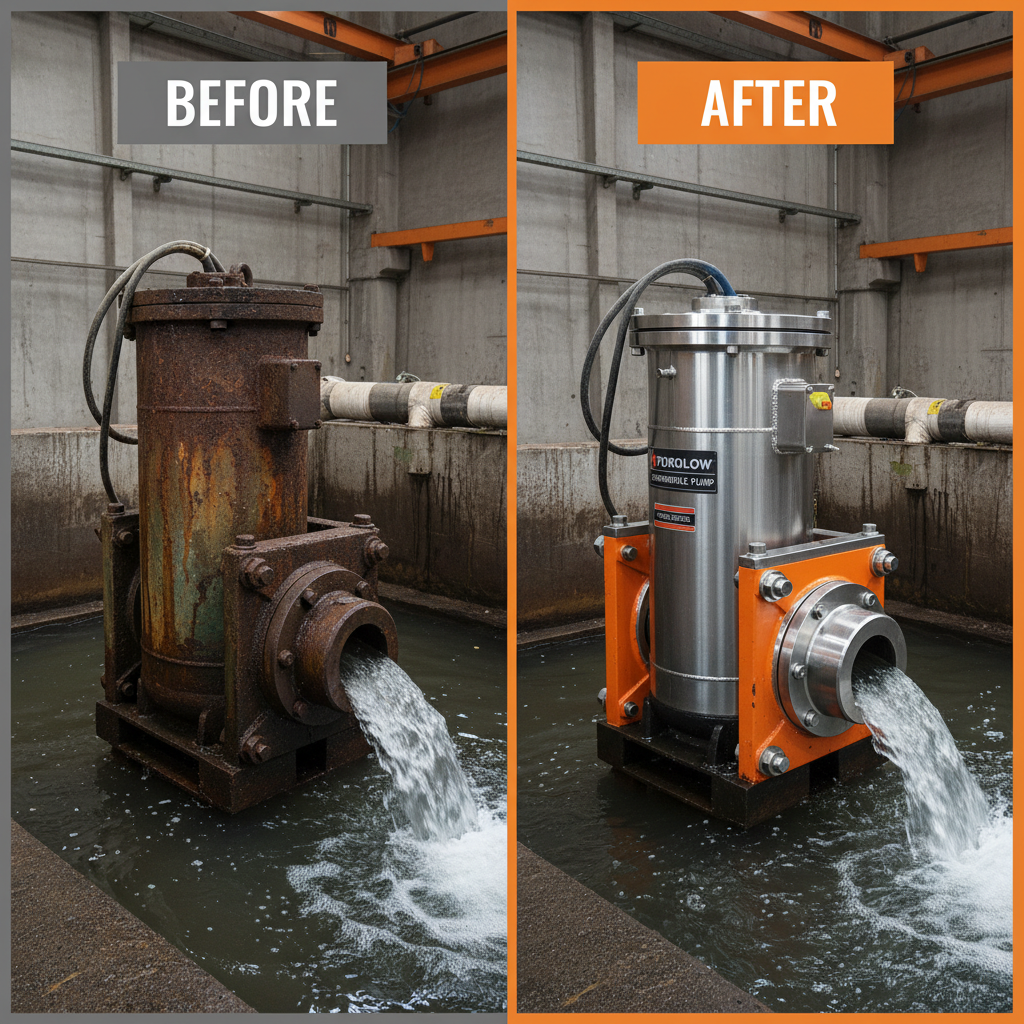 Understanding the Price Submersible Pump and Buyer GuideWhen searching for the ideal water management solution, understanding the price submersible pump options is crucial for balancing budget with performance. Whether you are dealing with a flooded basement, managing agricultural irrigation, or extracting water from a deep well, the cost of a submersible pump can vary significantly based on its build quality and capacity. Investing in a high-quality pump ensures long-term reliability and reduces the frequency of expensive replacements. In this guide, we will break down the factors that influence pricing and help you make an informed decision for your specific needs.Detail
 -
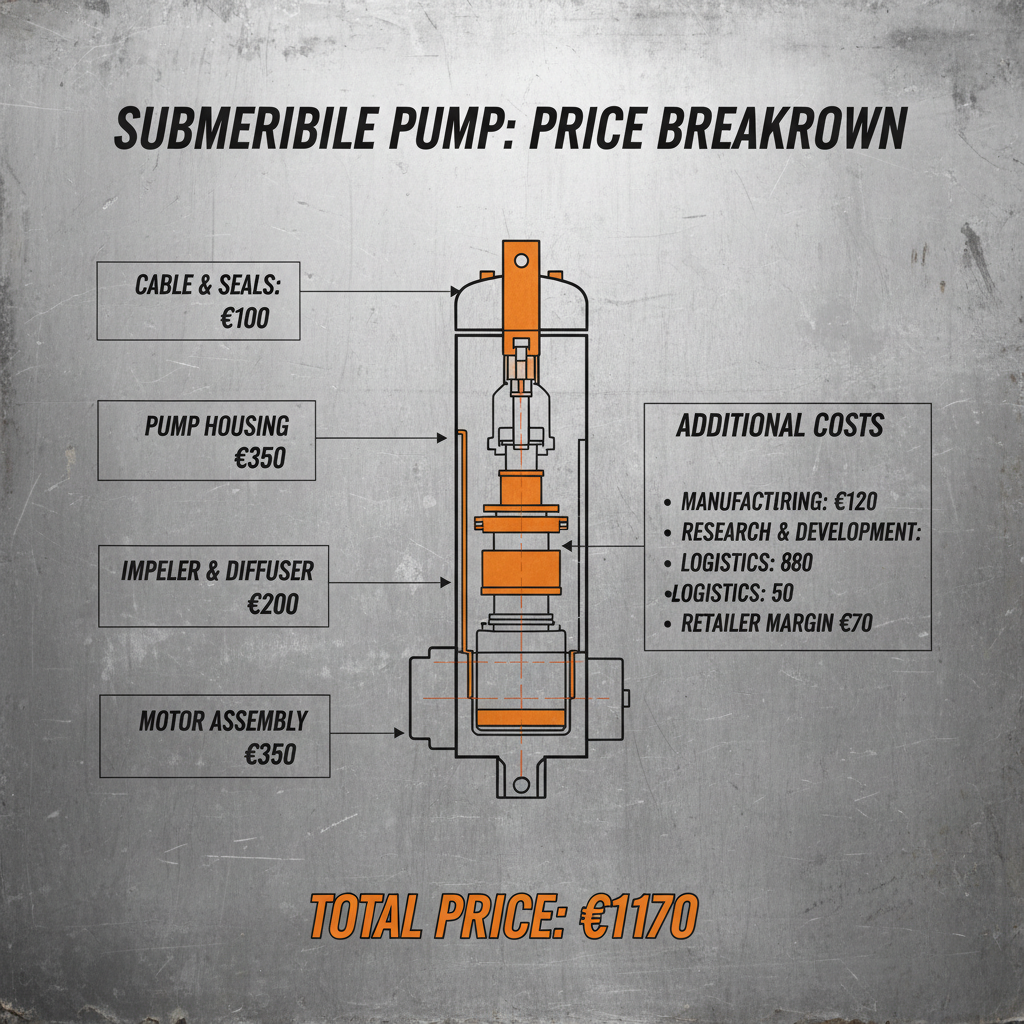 Factors Affecting the Price for Submersible Pump a Buyers GuideWhen investing in water management systems, understanding the price for submersible pump options is essential for balancing performance with budget. Whether you are managing a residential well, an industrial drainage project, or agricultural irrigation, the cost of a pump is rarely a flat fee; it is a reflection of the engineering, materials, and capacity required for your specific environment. In this guide, we will break down the factors that influence pricing and help you determine the best value for your investment to ensure long-term reliability and efficiency.Detail
 -
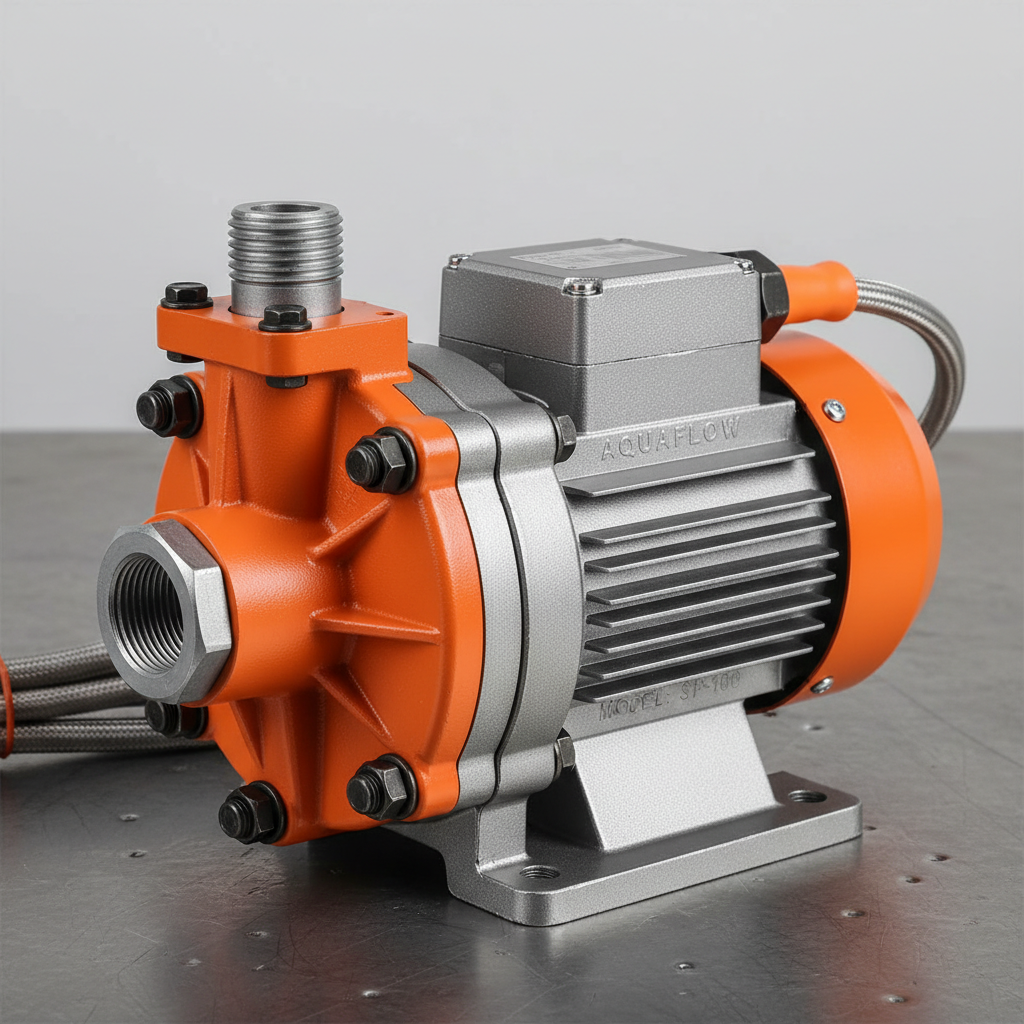 Choosing the Right Mini Submersible Fountain Pump for Optimal Water Feature PerformanceCreating a beautiful and relaxing water feature doesn't have to be complicated. A mini submersible fountain pump is the heart of any indoor or outdoor fountain, and selecting the right one is crucial for optimal performance and longevity. This article will guide you through the key considerations when choosing a mini submersible fountain pump, covering types, features, applications, and how to ensure you get the perfect pump for your project. We’ll also explore how Wellpumpact can provide you with the ideal solution.Detail
 Afrikaans
 Albanian
 Amharic
 Arabic
 Armenian
 Azerbaijani
 Basque
 Belarusian
 Bengali
 Bosnian
 Bulgarian
 Catalan
 Cebuano
 Corsican
 Croatian
 Czech
Czech
 Danish
 Dutch
Dutch
 Esperanto
 Estonian
 Finnish
 French
 Frisian
 Galician
 Georgian
 German
 Greek
Greek
 Gujarati
 Haitian Creole
 Hausa
Hausa
 Hawaiian
 Hebrew
 Hindi
Hindi
 Miao
Miao
 Hungarian
 Icelandic
 Igbo
Igbo
 Indonesian
 Irish
Irish
 Italian
 Japanese
 Javanese
 Kannada
 Kazakh
 Khmer
Khmer
 Rwandese
 Korean
 Kurdish
 Kyrgyz
 Lao
Lao
 Latin
Latin
 Latvian
 Lithuanian
 Luxembourgish
 Macedonian
 Malgashi
 Malay
Malay
 Malayalam
 Maltese
 Maori
Maori
 Marathi
 Mongolian
 Myanmar
 Nepali
 Norwegian
 Norwegian
 Occitan
 Pashto
 Persian
 Polish
 Portuguese
 Punjabi
 Romanian
 Russian
 Samoan
 Scottish Gaelic
 Serbian
 Sesotho
 Shona
Shona
 Sindhi
 Sinhala
 Slovak
 Slovenian
 Somali
 Spanish
 Sundanese
 Swahili
 Swedish
 Tagalog
 Tajik
Tajik
 Tamil
Tamil
 Tatar
Tatar
 Telugu
 Thai
Thai
 Turkish
 Turkmen
 Ukrainian
 Urdu
Urdu
 Uighur
 Uzbek
Uzbek
 Vietnamese
 Welsh
Welsh
 Bantu
Bantu
 Yiddish
 Yoruba
 Zulu
Zulu
 English