
Dec . 02, 2025 09:40 Back to list
Underground Well Pumps: Key Insights, Global Impact, and Future Trends
Everything You Need to Know About Underground Well Pumps
Underground well pumps — sounds like a niche piece of equipment, right? But in reality, these devices play a quietly essential role in global water management, agriculture, and even disaster relief. Water scarcity continues to be one of the defining challenges of our century (the UN estimates that by 2025, half the world’s population will live in water-stressed areas[1]), so understanding what underground well pumps do, and why they matter, feels pretty important.
Put simply, an underground well pump is the workhorse that lifts water from underground aquifers to the surface, making it accessible for everything from irrigation to drinking water. But it’s not just about pulling water up; it’s about doing so efficiently, sustainably, and reliably — often in places where infrastructure and resources are sparse. So let’s unpack what makes these pumps tick and why industries and communities around the world depend on them.
Global Context: Why Underground Well Pumps Matter
Water is fundamental to life, and underground well pumps are quietly at the backbone of water retrieval in many regions. According to the World Bank, roughly 1.2 billion people worldwide rely on groundwater for drinking water and food production[2]. These pumps enable farmers in arid regions to irrigate crops and small towns to have reliable access to fresh water. Oddly enough, with climate change impacting surface water availability, groundwater exploitation through underground pumps is becoming even more critical.
But there’s a catch: extracting water must be sustainable to avoid depleting aquifers faster than they recharge. Modern underground well pumps address some of these challenges through efficiency and smart technology — a subject we’ll dive into soon.
What Is an Underground Well Pump?
In essence, an underground well pump is a mechanical device that fits inside a borehole or well casing and moves groundwater to the surface. Think of it as a vertical motor-driven system where the pump's impeller operates below ground to push water upward through pipes.
Industrially, these pumps come in varieties like submersible pumps and jet pumps, each tailored for different depths and flow requirements. On a humanitarian level, they’re crucial for providing safe water access in emergency and rural settings — a real lifeline where infrastructure is vulnerable.
Core Components and Key Factors
Durability
Underground well pumps operate in harsh environments — submerged in mineral-rich water, sometimes deep underground. Materials like stainless steel and corrosion-resistant alloys are used to withstand wear and tear. Durability ensures that pumps last years with minimal maintenance, which is especially vital in remote locations.
Efficiency
Energy efficiency is an ongoing focus. Pumps that minimize energy use while maximizing flow rates help reduce operational costs and environmental impact. Variable frequency drives (VFDs) have been a game-changer here, allowing pumps to modulate their speed based on demand.
Scalability
Whether you’re pumping from a shallow well for a small farm or extracting thousands of gallons per minute for industrial processes, underground well pumps come in various sizes and power ratings. Having scalable options means they can adapt to different requirements easily.
Maintenance and Serviceability
Since these pumps live underground, accessibility is limited. Designs often focus on modular components that technicians can replace or repair without extensive excavation. Also, monitoring sensors are increasingly integrated to enable predictive maintenance.
Cost Efficiency
The upfront cost can be significant, particularly for high-capacity or specialized pumps, but better energy efficiency and durability translate to lower lifecycle costs. It’s frankly a balance of initial investment versus long-term savings.
Underground Well Pump Product Specification Table
| Specification | Typical Range | Comments |
|---|---|---|
| Pump Type | Submersible, Jet | Based on installation depth and water table |
| Power Rating | 0.5 HP to 50+ HP | Adjustable depending on flow needs |
| Flow Rate | 5 to 1000+ gallons per minute | Varies greatly with application |
| Material | Stainless steel, cast iron | For corrosion resistance and strength |
| Installation Depth | Up to 1000 feet or more | Depends on borehole and water source |
Global Applications & Use Cases
- Agriculture in Arid Regions: From Rajasthan in India to California’s Central Valley, underground well pumps enable irrigation that supports food security.
- Rural Water Supply: Many African and South American communities rely on these pumps to bring potable groundwater to the surface.
- Industrial Operations: Mining and manufacturing plants use high-capacity pumps to maintain water management systems.
- Humanitarian Aid: In post-disaster zones where infrastructure is damaged, portable submersible pumps are essential for emergency water access.
Take, for example, a project in rural Kenya where NGOs installed solar-powered underground well pumps to supply clean water to villages that previously faced hours-long walks to distant rivers. It feels like small gear but with massive social impact.
Vendor Comparison: Popular Underground Well Pump Manufacturers
| Brand | Power Range | Efficiency | Price Range | Special Features |
|---|---|---|---|---|
| Grundfos | 0.5-50 HP | High | $$$ | Intelligent controls, corrosion-resistant |
| Franklin Electric | 1-25 HP | Medium-High | $$ | Modular design, efficient motors |
| Lowara (Xylem) | 0.5-30 HP | High | $$$ | Long life, VFD compatibility |
Advantages & Long-Term Value
Underground well pumps offer tangible benefits — from direct cost savings through energy efficient operation to less obvious societal gains like improved health and stability. When communities gain reliable water access, it’s not just about convenience; it’s about dignity and safety. For farmers, predictability in water supply can mean the difference between feast and famine.
Green energy integration, like solar power, is making these pumps even more sustainable, reducing carbon footprints and fostering resilience in energy-poor regions. Reliability also builds trust—people depend on this water daily, so equipment longevity and minimal downtime are critical.
Future Trends and Innovations
Looking ahead, the underground well pump industry is embracing digital transformation. Remote monitoring and IoT sensors are beginning to allow operators to detect faults early and optimize pump performance in real time. Materials science advances are introducing composites that make pumps lighter but just as strong, reducing installation costs.
Renewable energy integration remains a hot topic, with more pumps designed to seamlessly work with solar or hybrid power systems, especially in off-grid areas. Plus, water management policies worldwide are increasingly emphasizing sustainable withdrawal rates, which means smarter pumps are just the start of a bigger ecosystem change.
Challenges & Solutions
There are tricky issues, to be honest. Over-pumping can cause groundwater depletion and land subsidence. Pumps can also fail given poor water quality — think sand-laden or corrosive sources. Maintenance access remains an operational headache in remote or rugged areas.
To tackle these concerns, engineers recommend combining underground well pumps with aquifer monitoring and sustainable yield studies. Using filtration systems upstream can protect pumps from sediment damage. Plus, innovations in modular design improve repairability without costly well excavation.
FAQ: Frequently Asked Questions About Underground Well Pumps
- Q: How deep can underground well pumps operate?
A: Depth varies, but many submersible pumps function reliably at depths over 1000 feet. Selection depends on borehole size, power supply, and intended flow rate. - Q: What is the difference between submersible and jet pumps?
A: Submersible pumps are installed within the water source, pushing water up, while jet pumps are surface-mounted and pull water up using suction. Submersible pumps are preferred for deeper wells. - Q: Can underground well pumps be powered by solar energy?
A: Absolutely. Solar-powered pump systems are increasingly common, particularly in off-grid or rural settings. They reduce operating costs and environmental impact. - Q: What maintenance is typically required?
A: Periodic inspections for wear, seal integrity, and motor function are standard. Integrating sensor tech can help detect problems before they lead to failures. - Q: Are these pumps environmentally safe?
A: When used responsibly, yes. The key is balancing water extraction with aquifer recharge and avoiding contamination through proper installation and maintenance.
Conclusion
In real terms, underground well pumps are unsung heroes in water management. Their ability to efficiently and reliably tap into underground water resources is vital for agriculture, industry, and community wellbeing globally. Embracing innovation while meeting sustainability goals makes these pumps not just tools of today, but instruments of a more water-secure tomorrow.
If you’re curious to dive deeper or thought about upgrading your water extraction setup, do visit underground well pump solutions and resources for more insights and product options.
Mini takeaway: Reliable water access hinges on robust underground pumping tech—both time-tested and innovating to meet tomorrow’s challenges.
References:
- United Nations World Water Development Report, UNESCO, 2023.
- Groundwater dependence by people globally, World Bank Water Facts, 2022.
- D. Smith et al., "Sustainable groundwater pumping technologies," International Journal of Water Resources, 2021.
-
Understanding the Price Submersible Pump and Buyer Guide
NewsApr.16,2026
-
Factors Affecting the Price for Submersible Pump a Buyers Guide
NewsApr.09,2026
-
Choosing the Right Mini Submersible Fountain Pump for Optimal Water Feature Performance
NewsApr.07,2026
-
A Detailed Guide to Installing a Submersible Pump for Optimal Performance
NewsApr.04,2026
-
Comprehensive Guide on How to Test a Submersible Water Well Pump Effectively
NewsMar.31,2026
-
Learn How to Replace a Submersible Well Pump Safely and Effectively
NewsMar.28,2026
-
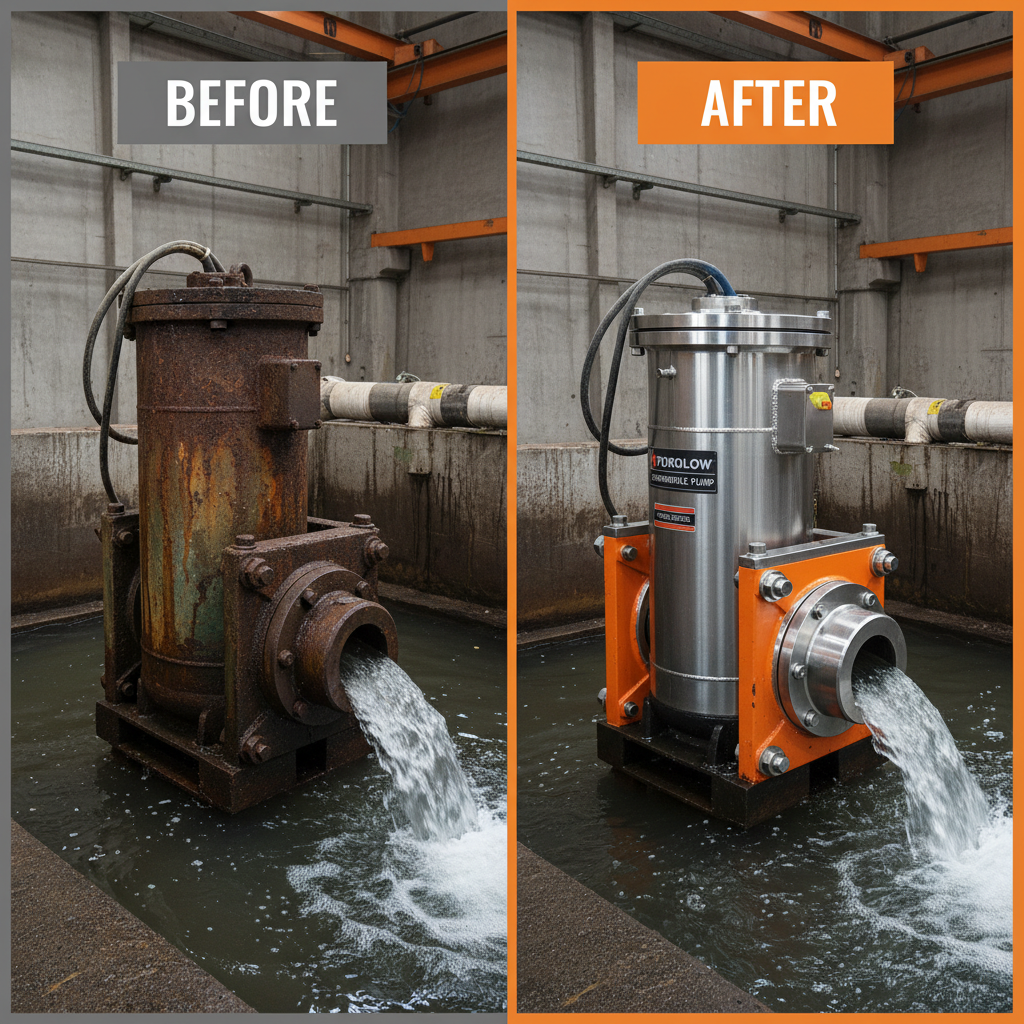 Understanding the Price Submersible Pump and Buyer GuideWhen searching for the ideal water management solution, understanding the price submersible pump options is crucial for balancing budget with performance. Whether you are dealing with a flooded basement, managing agricultural irrigation, or extracting water from a deep well, the cost of a submersible pump can vary significantly based on its build quality and capacity. Investing in a high-quality pump ensures long-term reliability and reduces the frequency of expensive replacements. In this guide, we will break down the factors that influence pricing and help you make an informed decision for your specific needs.Detail
 -
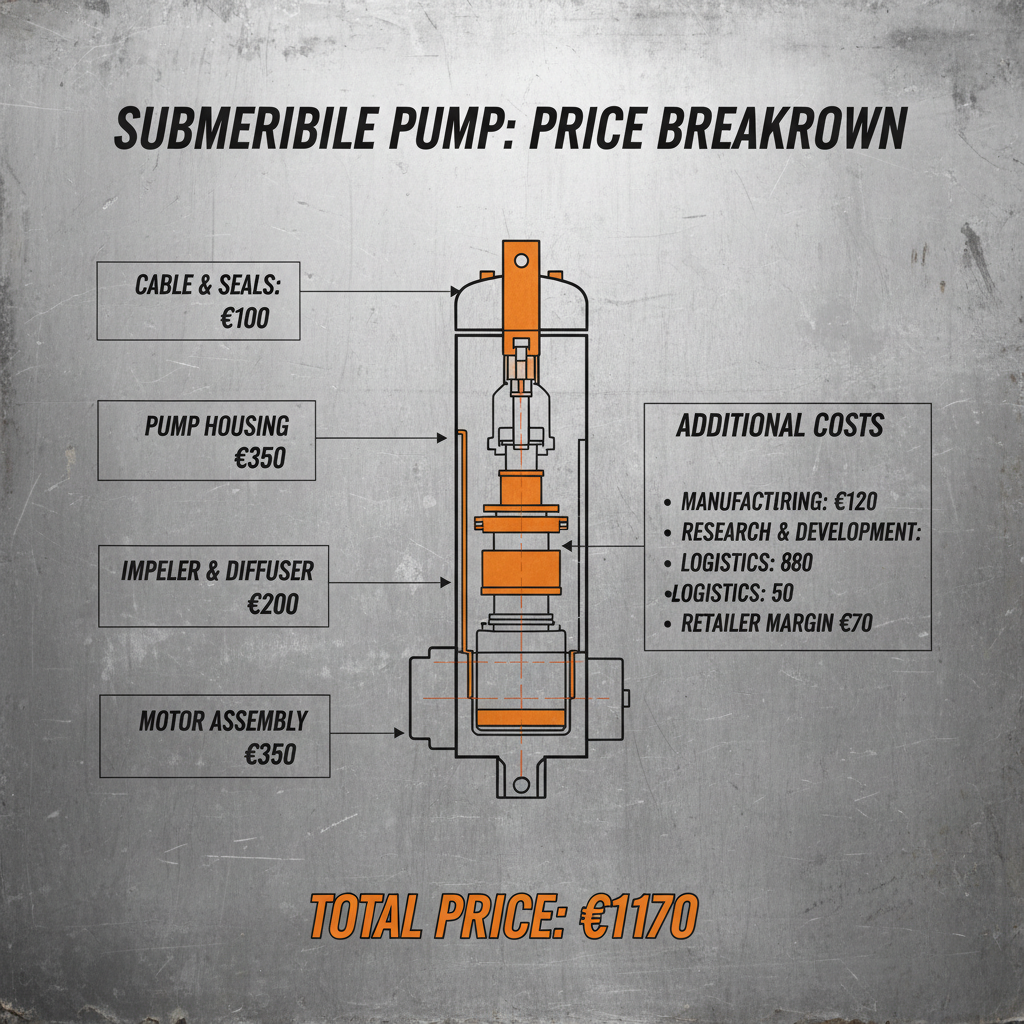 Factors Affecting the Price for Submersible Pump a Buyers GuideWhen investing in water management systems, understanding the price for submersible pump options is essential for balancing performance with budget. Whether you are managing a residential well, an industrial drainage project, or agricultural irrigation, the cost of a pump is rarely a flat fee; it is a reflection of the engineering, materials, and capacity required for your specific environment. In this guide, we will break down the factors that influence pricing and help you determine the best value for your investment to ensure long-term reliability and efficiency.Detail
 -
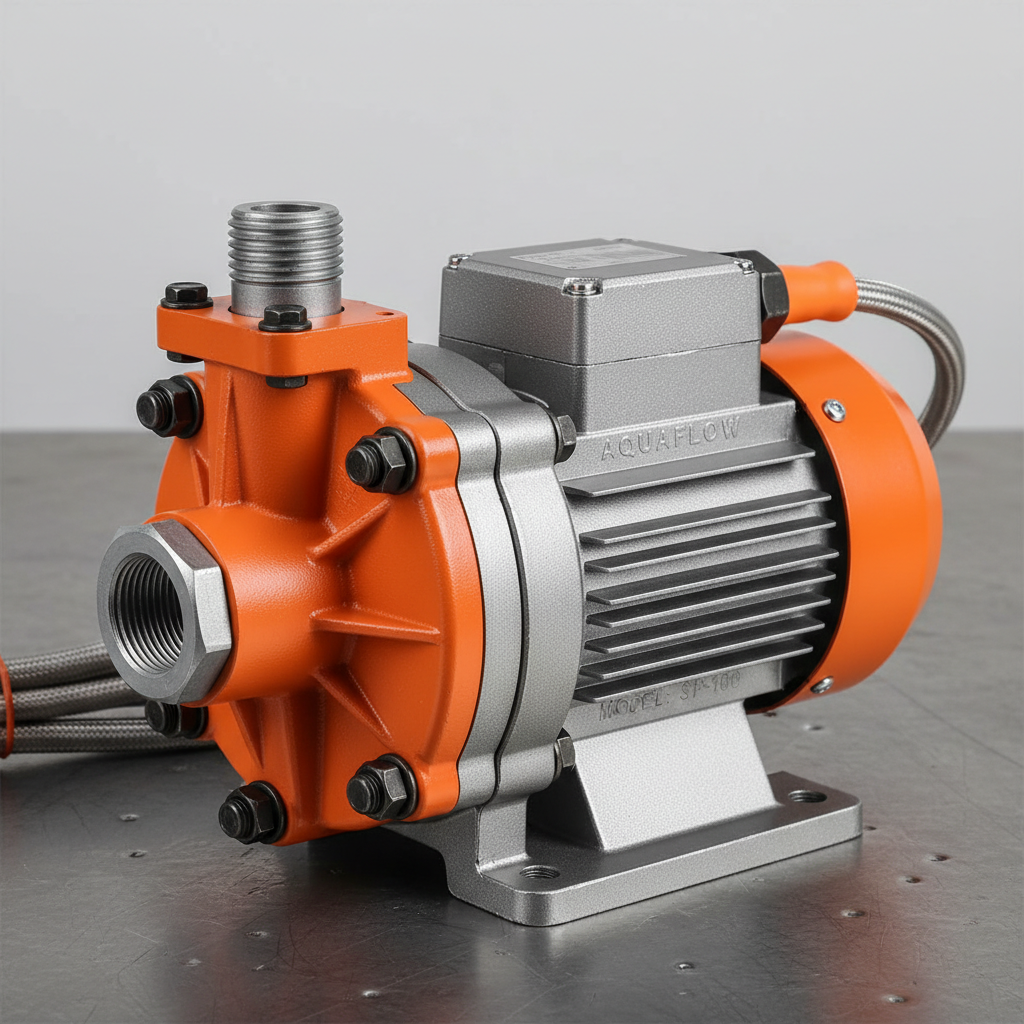 Choosing the Right Mini Submersible Fountain Pump for Optimal Water Feature PerformanceCreating a beautiful and relaxing water feature doesn't have to be complicated. A mini submersible fountain pump is the heart of any indoor or outdoor fountain, and selecting the right one is crucial for optimal performance and longevity. This article will guide you through the key considerations when choosing a mini submersible fountain pump, covering types, features, applications, and how to ensure you get the perfect pump for your project. We’ll also explore how Wellpumpact can provide you with the ideal solution.Detail
 Afrikaans
 Albanian
 Amharic
 Arabic
 Armenian
 Azerbaijani
 Basque
 Belarusian
 Bengali
 Bosnian
 Bulgarian
 Catalan
 Cebuano
 Corsican
 Croatian
 Czech
Czech
 Danish
 Dutch
Dutch
 Esperanto
 Estonian
 Finnish
 French
 Frisian
 Galician
 Georgian
 German
 Greek
Greek
 Gujarati
 Haitian Creole
 Hausa
Hausa
 Hawaiian
 Hebrew
 Hindi
Hindi
 Miao
Miao
 Hungarian
 Icelandic
 Igbo
Igbo
 Indonesian
 Irish
Irish
 Italian
 Japanese
 Javanese
 Kannada
 Kazakh
 Khmer
Khmer
 Rwandese
 Korean
 Kurdish
 Kyrgyz
 Lao
Lao
 Latin
Latin
 Latvian
 Lithuanian
 Luxembourgish
 Macedonian
 Malgashi
 Malay
Malay
 Malayalam
 Maltese
 Maori
Maori
 Marathi
 Mongolian
 Myanmar
 Nepali
 Norwegian
 Norwegian
 Occitan
 Pashto
 Persian
 Polish
 Portuguese
 Punjabi
 Romanian
 Russian
 Samoan
 Scottish Gaelic
 Serbian
 Sesotho
 Shona
Shona
 Sindhi
 Sinhala
 Slovak
 Slovenian
 Somali
 Spanish
 Sundanese
 Swahili
 Swedish
 Tagalog
 Tajik
Tajik
 Tamil
Tamil
 Tatar
Tatar
 Telugu
 Thai
Thai
 Turkish
 Turkmen
 Ukrainian
 Urdu
Urdu
 Uighur
 Uzbek
Uzbek
 Vietnamese
 Welsh
Welsh
 Bantu
Bantu
 Yiddish
 Yoruba
 Zulu
Zulu
 English