
Dec . 03, 2025 17:48 Back to list
What Is a Submersible Pump? An Expert’s Guide
What Is a submersible pump?
Having spent over two decades tinkering with industrial equipment, I’ve come to appreciate the quiet workhorses of many mechanical operations — those pieces of kit that don’t get the glory but keep things flowing, literally. One such unsung hero is the submersible pump. If you’ve ever wondered what exactly these devices do, or why so many engineers swear by them, this article’s for you.
So, what is a submersible pump? At its core, it’s a pump designed to operate while fully submerged in the liquid it’s pumping. Unlike traditional surface pumps, these units sit underwater – down in wells, sumps, or even deep boreholes. The magic lies in their design: the motor and pump are sealed together in a waterproof housing to prevent any fluid ingress. This means they push fluid to the surface rather than pulling it, which, frankly, is far more efficient in many scenarios.
Oddly enough, this principle has been around for a long time — but modern manufacturing and materials have made them more reliable than ever. Whether it’s moving wastewater, drilling fluids, or clean water from deep underground reservoirs, submersible pumps have cemented their position as indispensable devices in industrial, agricultural, and even municipal sectors.
One thing I often notice in the field: engineers value the low noise and vibration levels of submersible pumps. Since they run underwater, the water itself acts as a sound insulator, and the balanced motor design minimizes wear and tear. This translates into longer service intervals and fewer headaches down the line — which, if you’ve managed maintenance teams, you know is priceless.
Product Specs You Should Know
| Feature | Specification |
|---|---|
| Motor Power | 0.5 to 75 kW |
| Max Flow Rate | Up to 600 m³/h |
| Max Head (Pressure) | Up to 300 m |
| Materials | Stainless steel, cast iron, high-grade polymers |
| Applications | Water supply, sewage, oil & gas, mining, irrigation |
Material choice affects durability — stainless steel is common when corrosion resistance is critical, but you sometimes find hard cast iron pumps used for heavy slurry. In real terms, you want to pick the pump materials based on what you’re pumping, because abrasive or corrosive fluids can eat away at the parts surprisingly fast if you don’t.
Testing standards have also improved. Now, many pumps undergo rigorous pressure, insulation, and dry-run tests before hitting the market. This kind of QA can save a bundle on unexpected failures. I recall a project six years ago where an overlooked submersible pump ironically "drowned" because its seals failed early – a costly lesson.
Comparing Leading Submersible Pump Vendors
| Vendor | Range (kW) | Key Strength | Typical Uses |
|---|---|---|---|
| WellPumpAct | 1 - 60 | Robust seals and energy efficiency | Domestic wells, irrigation |
| SubPump Pro | 5 - 75 | High flow capacity, easy maintenance | Mining, wastewater treatment |
| AquaDeep | 0.5 - 45 | Compact form factor, corrosion resistance | Oil & gas, industrial cooling |
I once had a customer who was pretty skeptical about switching to submersible pumps. Their old surface pumps kept breaking down due to cavitation and debris issues from the water source. After we installed a few submersible pumps, their downtime practically vanished. It was one of those moments where the theory just clicks into real-world relief — that’s why I keep coming back to these solutions.
Customization is key, too. Many vendors now offer tailored impeller designs, motor specifications, and even monitoring sensors to fit unique environments. The right setup isn’t always off-the-shelf, so engaging with manufacturers who listen is worthwhile.
In summary, submersible pumps quietly power a lot of critical systems worldwide, whether you’re drawing water from a well or managing industrial fluids. Their efficiency, durability, and adaptability make them a smart choice, but only if you pick the right one for your task.
The bottom line? If your project involves moving fluids from underground or submerged locations, give submersible pumps a serious look — they just might surprise you.
References
- Hydraulic Institute Standards, 2020 Edition
- “Industrial Pumps: Selection and Application,” M. Smith, 2018
- Case study: Submersible Pumps in Irrigation, Journal of Agricultural Equipment, 2022
-
Understanding the Price Submersible Pump and Buyer Guide
NewsApr.16,2026
-
Factors Affecting the Price for Submersible Pump a Buyers Guide
NewsApr.09,2026
-
Choosing the Right Mini Submersible Fountain Pump for Optimal Water Feature Performance
NewsApr.07,2026
-
A Detailed Guide to Installing a Submersible Pump for Optimal Performance
NewsApr.04,2026
-
Comprehensive Guide on How to Test a Submersible Water Well Pump Effectively
NewsMar.31,2026
-
Learn How to Replace a Submersible Well Pump Safely and Effectively
NewsMar.28,2026
-
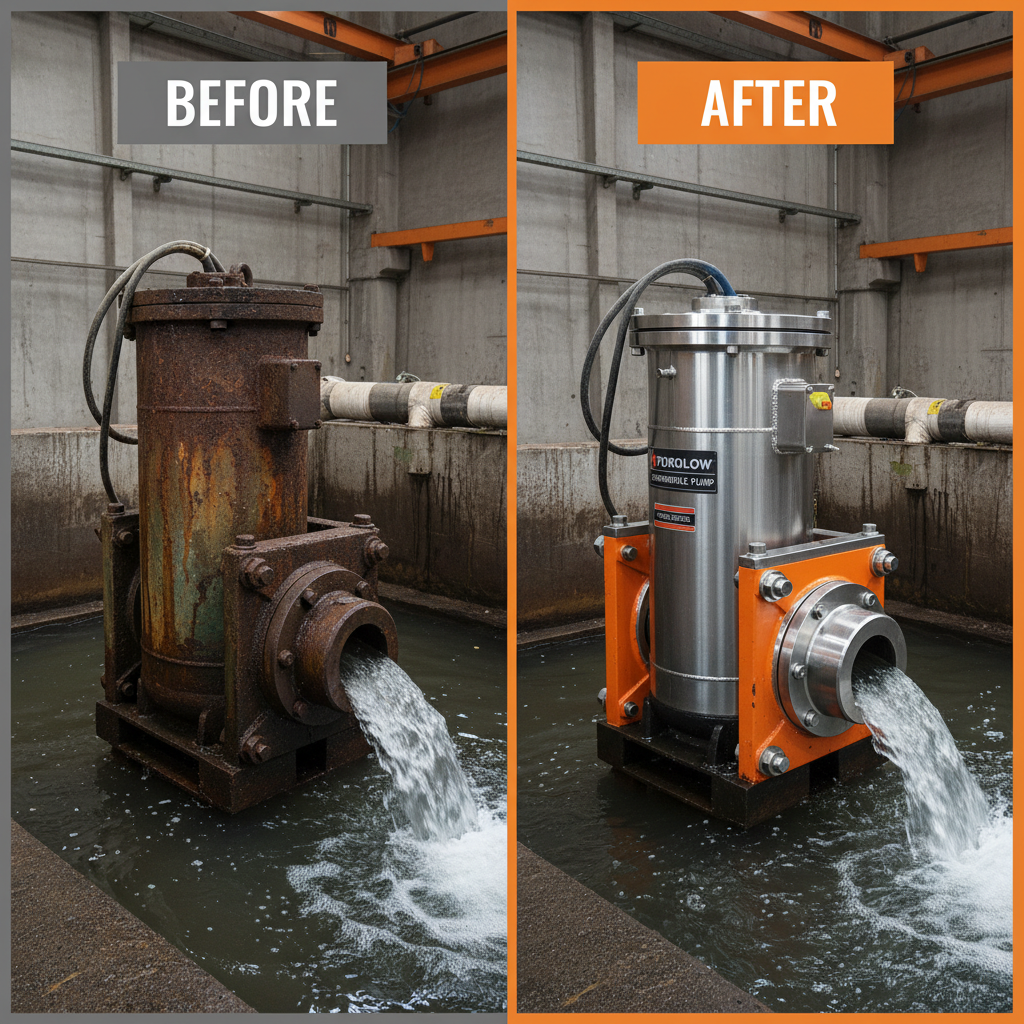 Understanding the Price Submersible Pump and Buyer GuideWhen searching for the ideal water management solution, understanding the price submersible pump options is crucial for balancing budget with performance. Whether you are dealing with a flooded basement, managing agricultural irrigation, or extracting water from a deep well, the cost of a submersible pump can vary significantly based on its build quality and capacity. Investing in a high-quality pump ensures long-term reliability and reduces the frequency of expensive replacements. In this guide, we will break down the factors that influence pricing and help you make an informed decision for your specific needs.Detail
 -
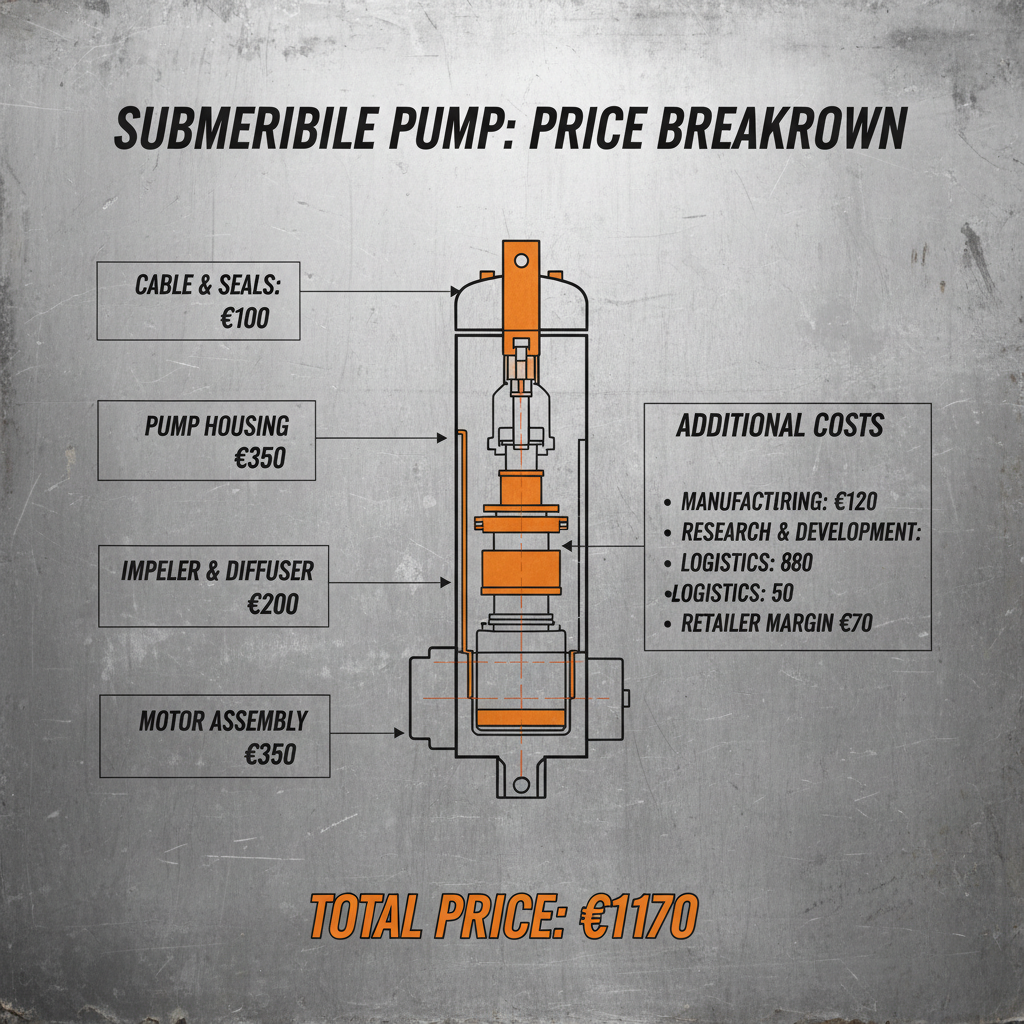 Factors Affecting the Price for Submersible Pump a Buyers GuideWhen investing in water management systems, understanding the price for submersible pump options is essential for balancing performance with budget. Whether you are managing a residential well, an industrial drainage project, or agricultural irrigation, the cost of a pump is rarely a flat fee; it is a reflection of the engineering, materials, and capacity required for your specific environment. In this guide, we will break down the factors that influence pricing and help you determine the best value for your investment to ensure long-term reliability and efficiency.Detail
 -
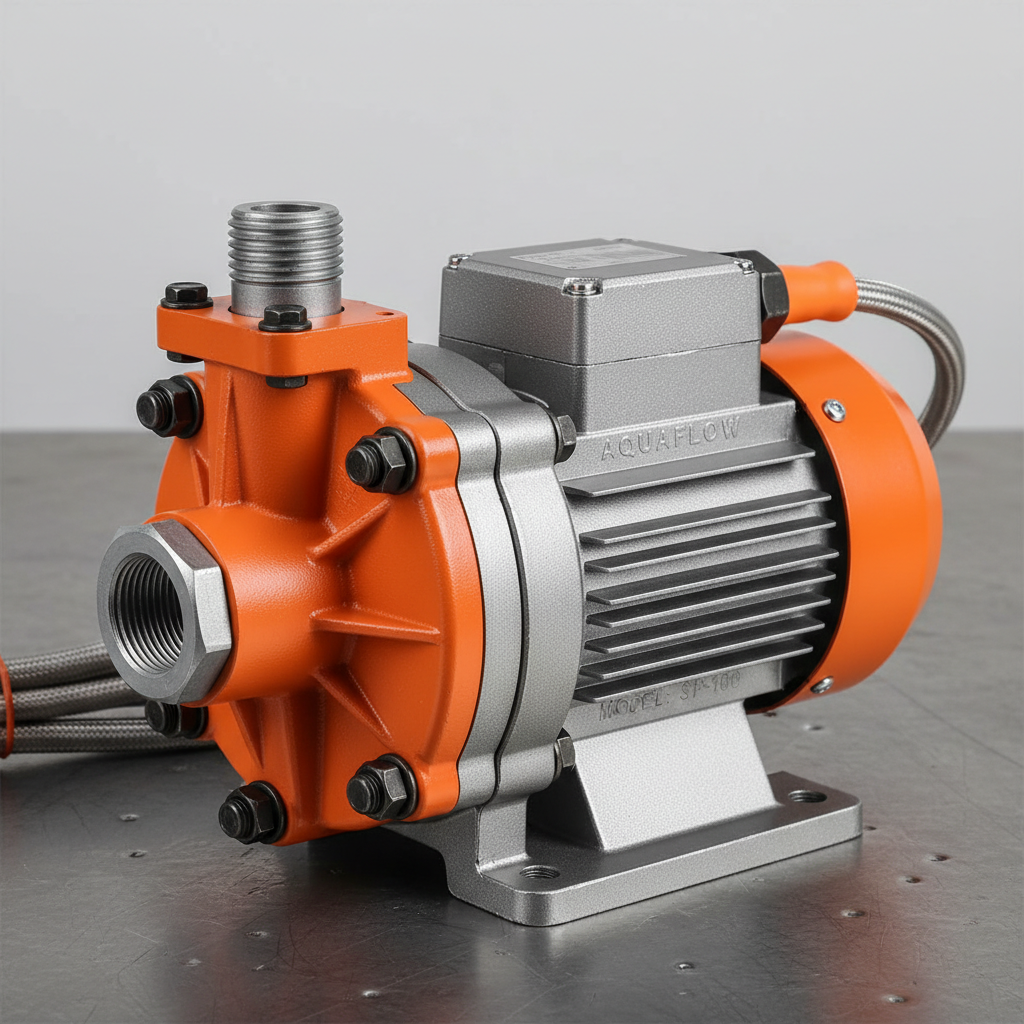 Choosing the Right Mini Submersible Fountain Pump for Optimal Water Feature PerformanceCreating a beautiful and relaxing water feature doesn't have to be complicated. A mini submersible fountain pump is the heart of any indoor or outdoor fountain, and selecting the right one is crucial for optimal performance and longevity. This article will guide you through the key considerations when choosing a mini submersible fountain pump, covering types, features, applications, and how to ensure you get the perfect pump for your project. We’ll also explore how Wellpumpact can provide you with the ideal solution.Detail
 Afrikaans
 Albanian
 Amharic
 Arabic
 Armenian
 Azerbaijani
 Basque
 Belarusian
 Bengali
 Bosnian
 Bulgarian
 Catalan
 Cebuano
 Corsican
 Croatian
 Czech
Czech
 Danish
 Dutch
Dutch
 Esperanto
 Estonian
 Finnish
 French
 Frisian
 Galician
 Georgian
 German
 Greek
Greek
 Gujarati
 Haitian Creole
 Hausa
Hausa
 Hawaiian
 Hebrew
 Hindi
Hindi
 Miao
Miao
 Hungarian
 Icelandic
 Igbo
Igbo
 Indonesian
 Irish
Irish
 Italian
 Japanese
 Javanese
 Kannada
 Kazakh
 Khmer
Khmer
 Rwandese
 Korean
 Kurdish
 Kyrgyz
 Lao
Lao
 Latin
Latin
 Latvian
 Lithuanian
 Luxembourgish
 Macedonian
 Malgashi
 Malay
Malay
 Malayalam
 Maltese
 Maori
Maori
 Marathi
 Mongolian
 Myanmar
 Nepali
 Norwegian
 Norwegian
 Occitan
 Pashto
 Persian
 Polish
 Portuguese
 Punjabi
 Romanian
 Russian
 Samoan
 Scottish Gaelic
 Serbian
 Sesotho
 Shona
Shona
 Sindhi
 Sinhala
 Slovak
 Slovenian
 Somali
 Spanish
 Sundanese
 Swahili
 Swedish
 Tagalog
 Tajik
Tajik
 Tamil
Tamil
 Tatar
Tatar
 Telugu
 Thai
Thai
 Turkish
 Turkmen
 Ukrainian
 Urdu
Urdu
 Uighur
 Uzbek
Uzbek
 Vietnamese
 Welsh
Welsh
 Bantu
Bantu
 Yiddish
 Yoruba
 Zulu
Zulu
 English